Key Takeaways
-
Tired, heavy legs are a normal part of pregnancy, and compression socks are a simple, proactive way to support comfort throughout the day.
-
Many moms start wearing them in the second trimester, though some find them helpful earlier, especially during travel or long shifts on their feet.
-
Look for a pair with moisture-wicking, seamless, anti-chafing fabric so you can wear them comfortably from morning to night.
Pregnancy changes a lot about how your body feels day to day, and your legs and feet are often the first to let you know it. It could be a heaviness that creeps in by the afternoon, or a tightness in your calves after a long day of errands. Whatever it looks like for you, it is incredibly common, and you deserve solutions that can help you find relief.
That is where compression socks come in. In this article, we will walk through why your legs feel different during pregnancy, how compression socks actually help, when to start wearing them, and what to look for when choosing a pair.
Why Do Your Legs and Feet Feel Different During Pregnancy?
If your legs feel heavier or more tense than usual these days, there is a real explanation behind it. Your body is doing a lot of extra work during pregnancy, including circulating significantly more blood to support you and your growing baby.
On top of that, your center of gravity is shifting, your posture is adjusting, and depending on your job or daily routine, you may be spending more time on your feet or sitting for longer stretches than you are used to. All of that adds up.
It is completely normal to notice more tension or heaviness in your lower legs as pregnancy progresses, especially by the end of the day. This doesn’t mean something is wrong. It simply means your body is adapting, and it’s a great reminder to give your legs a little extra support along the way.
What Do Compression Socks Actually Do?
Compression socks work through something called graduated compression . That means the fabric is snugger around your ankle and gradually eases up as it moves toward your calf. This gentle, targeted pressure is designed to help support healthy blood flow in your legs.
For many pregnant women, that translates to legs that feel lighter and less tense by evening, even after a full day of activity or being on their feet . Beyond the compression itself, the fabric matters more than people expect.
A few features worth looking for:
-
Moisture-wicking fabric keeps your legs feeling dry and comfortable, even during all-day wear, which matters a lot when your body temperature is already running warmer than usual during pregnancy.
-
Seamless, anti-chafing knit construction is a game-changer, as your legs and feet can change in size and shape throughout pregnancy. A sock that will not rub or dig in makes all the difference over hours of wear.
-
Copper-infused fabric helps reduce odor, which is a small but genuinely appreciated detail when you are wearing the same pair for an entire workday.
None of these features is flashy, but together, they separate a pair of compression socks you actually want to wear every day from one that ends up in the back of a drawer.
When To Start Wearing Compression Socks During Pregnancy
This is one of the most common questions, and the honest answer is that it depends on you and how your body feels. Below is a common timeline to consider, but always listen to your body first and foremost.
-
First trimester: Most women don’t feel the need yet, though some choose to start early, especially if they travel frequently or have a job that keeps them on their feet for long stretches.
-
Second trimester: This is when many moms first reach for compression socks. As your bump grows and your body works harder to circulate blood, that end-of-day heaviness tends to become more noticeable.
-
Third trimester: By this stage, many women find compression socks extremely helpful for managing pregnancy-related leg discomfort, particularly on long days, during travel, or during extended periods of standing or sitting.
A helpful tip: Put your socks on first thing in the morning, before your legs have a chance to feel tired, rather than waiting until discomfort sets in later in the day. Prevention tends to work better than playing catch-up.
As always, every pregnancy is different, so it’s a good idea to check in with your doctor or doula about what makes sense for you specifically. They know your health history best and can offer guidance tailored to your situation.
Situations Where Compression Socks Can Help Most
While plenty of women wear compression socks daily throughout pregnancy, there are a few specific scenarios where they tend to make a noticeable difference:
-
Long flights or car rides. Sitting still for extended periods is one of the biggest triggers for tired, heavy legs, making travel days a great time to wear them.
-
Jobs that involve standing or sitting for hours. Whether you are on your feet all day or seated at a desk, staying in one position for long stretches can add up.
-
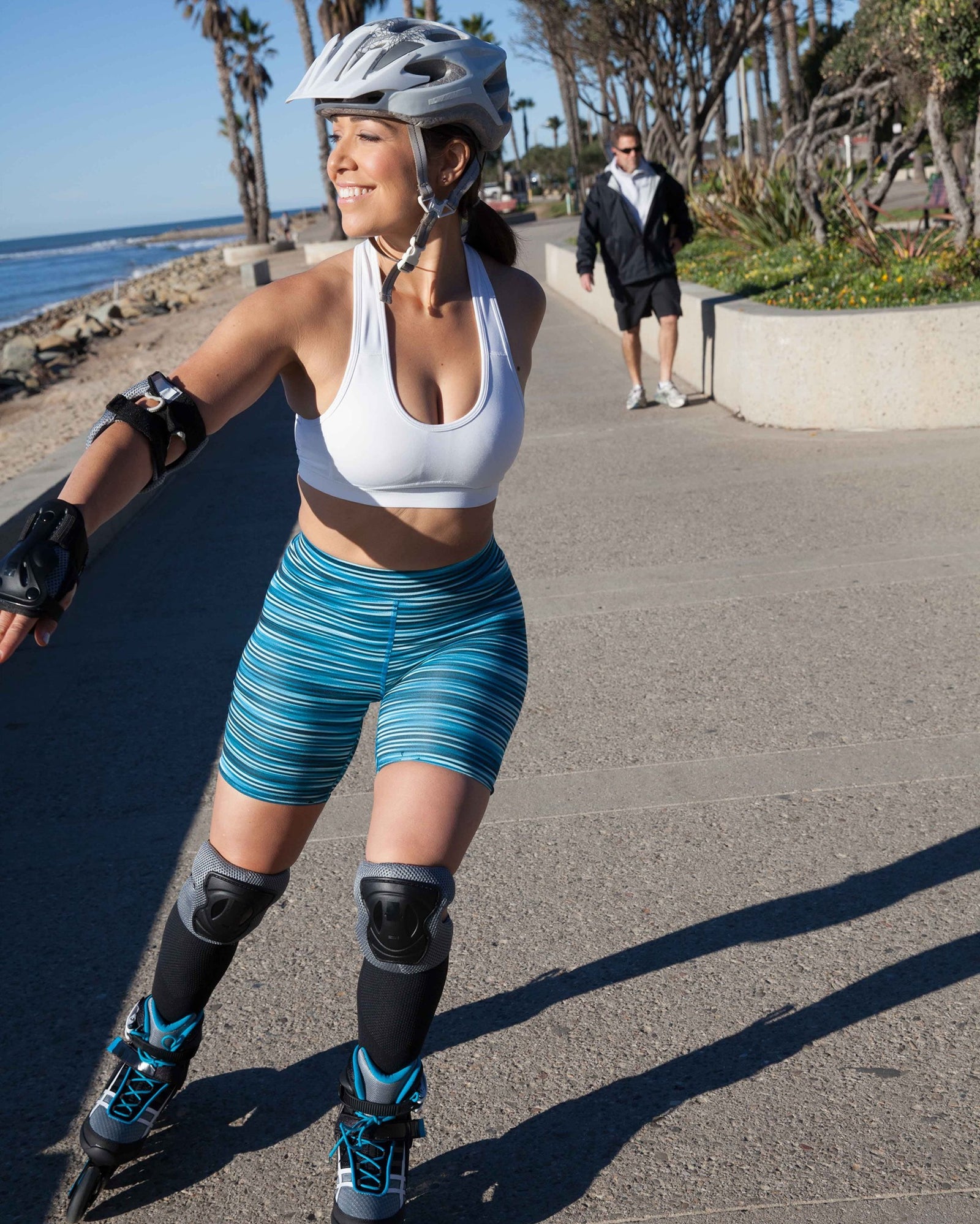
Staying active during pregnancy. If you are walking, doing prenatal workouts , or just trying to keep moving, compression socks can help you feel more comfortable while you stay in motion.
-
Postpartum recovery. Many moms continue wearing compression socks after delivery, since the body is still adjusting and recovering during those early weeks.
The common thread here is simple: whenever your legs are working harder than usual, whether from stillness or activity, a little extra support can go a long way.
How To Choose the Right Pair
To get the most out of your compression socks, here is what to keep in mind while shopping:
-
Compression level. For everyday pregnancy wear, a gentle, all-day support level is typically the most comfortable and practical choice.
-
Fit and style. Knee-high options are popular for daily wear, though over-the-calf styles exist, too. Since your legs and feet may fluctuate in size throughout pregnancy, check the sizing guide rather than guessing based on your usual shoe size.
-
Fabric quality. Look for breathable, moisture-wicking material with a seamless construction to avoid chafing, especially if you plan to wear them for full days.
-
Odor control. Copper-infused fabric is a nice bonus feature that helps keep socks fresher, which matters more than you might think during long wear.
-
Ease of on and off. This becomes more relevant later in pregnancy. A sock that is easy to pull on and off without a struggle will make your daily routine that much simpler.
FAQ
Are compression socks safe to wear during pregnancy?
Compression socks are a popular choice for many pregnant women looking for extra comfort and support throughout the day. As with any new addition to your routine during pregnancy, it’s a good idea to check with your doctor or midwife first.
Can I wear compression socks all day during pregnancy?
Many women do wear them for extended periods, including full workdays or long travel days. Choosing a moisture-wicking, seamless pair makes all-day wear more comfortable.
Do compression socks help with tired legs at night?
Wearing compression socks during the day, especially starting in the morning, is designed to help support healthy circulation before tension has a chance to build, which many women find helpful by the time evening rolls around.
What is the difference between compression socks and regular socks for pregnancy?
Regular socks don’t offer graduated compression, meaning they won’t provide the same gentle, targeted support to promote healthy blood flow that compression socks are designed to.
Final Thoughts
Here at Copper Fit , we know how much pregnancy asks of your body, and we believe staying comfortable and active shouldn’t be complicated. Compression socks are one of those small, simple habits that can make a real difference in how your legs feel throughout the day, whether you are working, traveling, or just keeping up with everyday life.
Listen to your body, talk to your doctor about what is right for you, and give yourself the support you deserve every step of the way.
Sources:
Cardiovascular Physiology of Pregnancy | Circulation
Graduated compression stockings | PMC
Do you really need compression socks on long flights? | American Heart Association