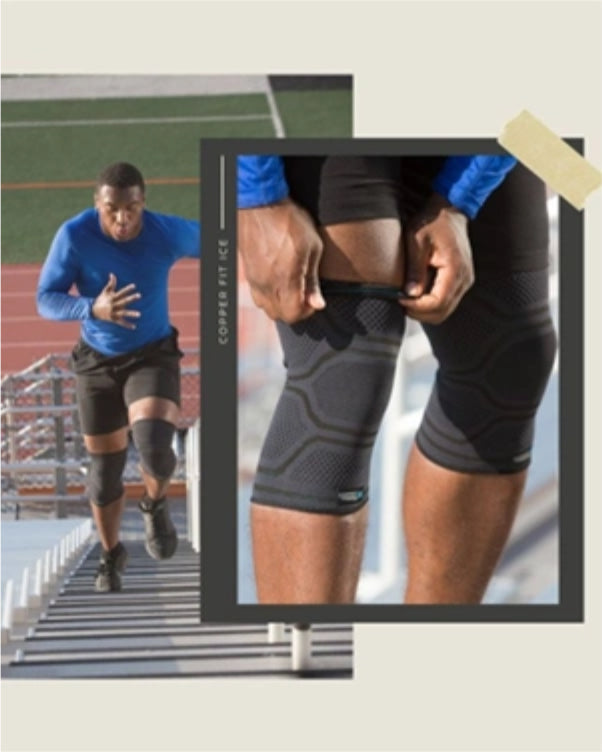
Choosing the right knee brace for a meniscus injury can significantly impact your recovery and daily comfort. With various types of braces available—from Copper Fit® compression sleeves to hinged supports—understanding your specific injury severity and support needs is crucial for making an informed decision.
A well-fitted knee brace provides stability, soothes discomfort, and supports healing while allowing you to maintain an active lifestyle. This comprehensive guide will help you navigate the selection process, understand different brace types, and ensure you choose the most effective support for your meniscus injury recovery journey.
Consult a Healthcare Professional for Personalized Guidance
Before selecting any knee brace, consulting with a healthcare professional is essential for proper diagnosis and treatment planning. Medical professionals can accurately assess your meniscus injury through physical examination and imaging, determining the exact location, severity, and type of tear that affects your knee function.
Healthcare providers play a crucial role in recommending the appropriate knee brace based on your specific symptoms, activity level, and recovery goals. They use precise measurements, including knee circumference and joint alignment assessments, to ensure proper brace fitting. Improper brace selection or sizing can actually hinder recovery by providing inadequate support or restricting natural knee movement.
Effective meniscus injury management requires a comprehensive approach that combines bracing with activity modifications and physical therapy. Your healthcare provider will develop an integrated treatment plan that addresses immediate pain relief, long-term knee stability, and function restoration.
Understand Your Meniscus Injury and Its Severity
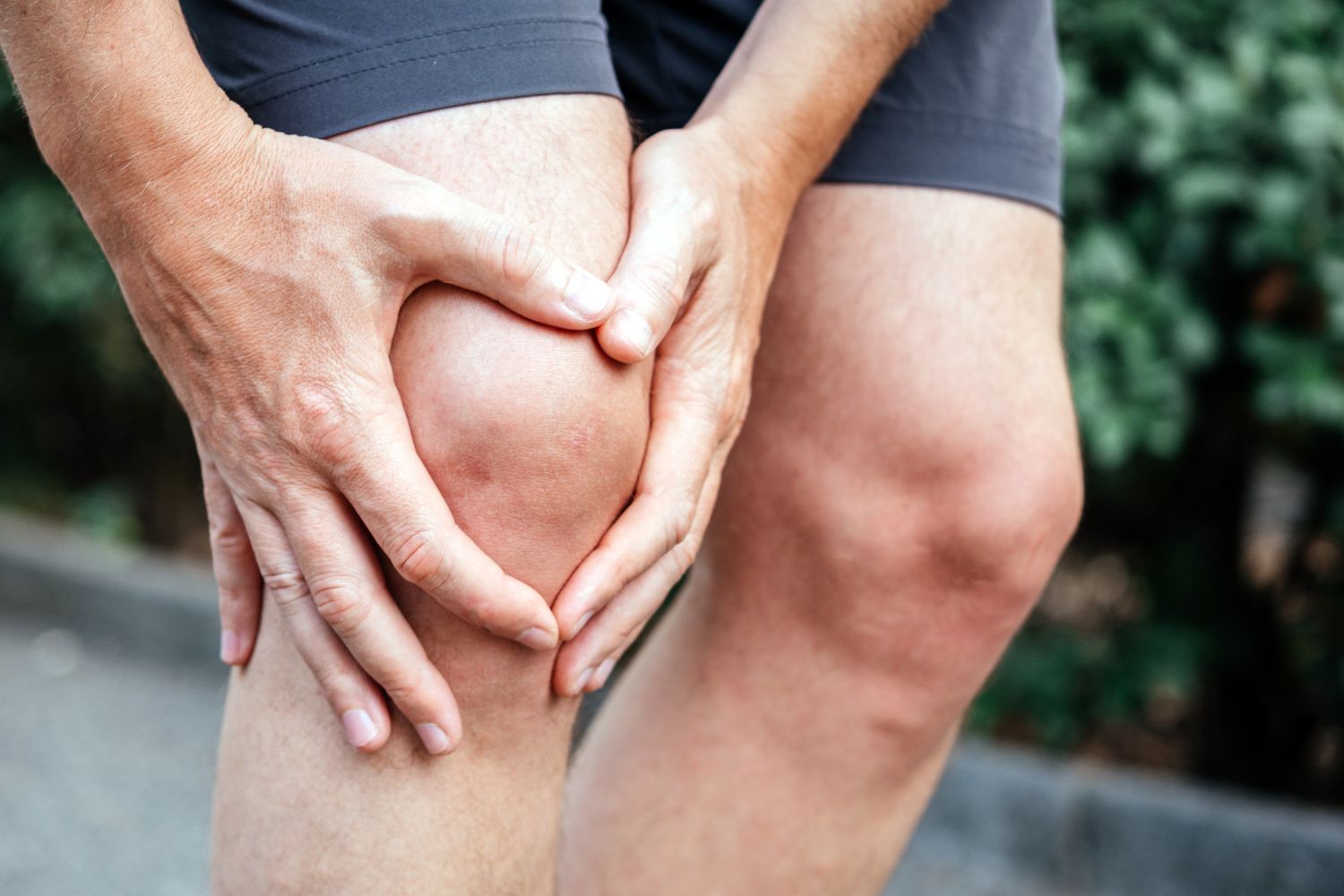
A meniscus tear is an injury to the crescent-shaped cartilage in the knee that cushions and stabilizes the joint, often resulting in discomfort, swelling, and instability. Understanding the nature and severity of your specific injury is fundamental to choosing the right supportive brace.
Common meniscus injury symptoms include discomfort that worsens with twisting or rotating movements, swelling that develops gradually over 24-48 hours, a catching or locking sensation in the knee, and a feeling that the knee may give way during activity. The location of the discomfort can also provide clues about which meniscus is affected. Inner knee pain typically indicates medial meniscus involvement, while outer knee pain suggests lateral meniscus damage.
Meniscus tear severity ranges from mild degenerative changes to complete tears that create loose cartilage fragments. Mild tears may cause occasional discomfort and minor swelling, while moderate tears often result in persistent pain and noticeable instability. Severe symptoms like knee locking, where the joint becomes stuck in one position, or unstable flap tears may require surgical consultation rather than conservative brace treatment alone.
Assess the Level of Support Needed for Your Condition
Determining the appropriate level of knee support depends on your injury, symptoms, and daily activity demands. This assessment guides you toward the most suitable brace type for your specific situation.
For mild injuries with general discomfort and minimal instability, gentle compression may provide sufficient support for daily activities. However, moderate to severe instability, persistent discomfort, or a sensation of the knee giving way typically requires more structured support from a hinged or specialized brace.
Consider these activity-based scenarios when assessing your support needs:
-
Sedentary or light daily activities: Copper Fit® compression sleeve or soft brace for comfort and stability
-
Regular walking or moderate exercise: Hinged brace for stability during movement
-
Sports participation or pivoting activities: Maximum support hinged brace with rotational control
- Occupational demands: Adjustable soft brace that can be modified throughout the workday
If you're uncertain about your support requirements, seeking professional input ensures you choose appropriate protection without over-restricting knee movement.
Explore Types of Knee Braces for Meniscus Injuries
Different knee brace designs serve specific purposes in meniscus injury management. Understanding each type's features and applications helps you match your needs to the most effective brace design.
|
Brace Type |
Best For |
Key Benefits |
Limitations |
|
Copper Fit® Compression Sleeve |
Mild injuries, swelling |
Warmth, comfort, proprioception |
Limited structural support |
|
Hinged Brace |
Moderate-severe instability |
Maximum stability, rotational control |
Bulkier, more expensive |
|
Unloader Brace |
Localized compartment discomfort |
Targeted pressure relief |
Specialized fitting required |
|
Soft Brace |
Variable swelling, comfort |
Adjustable, breathable, affordable |
Moderate support only |
Compression Sleeves for Mild Support
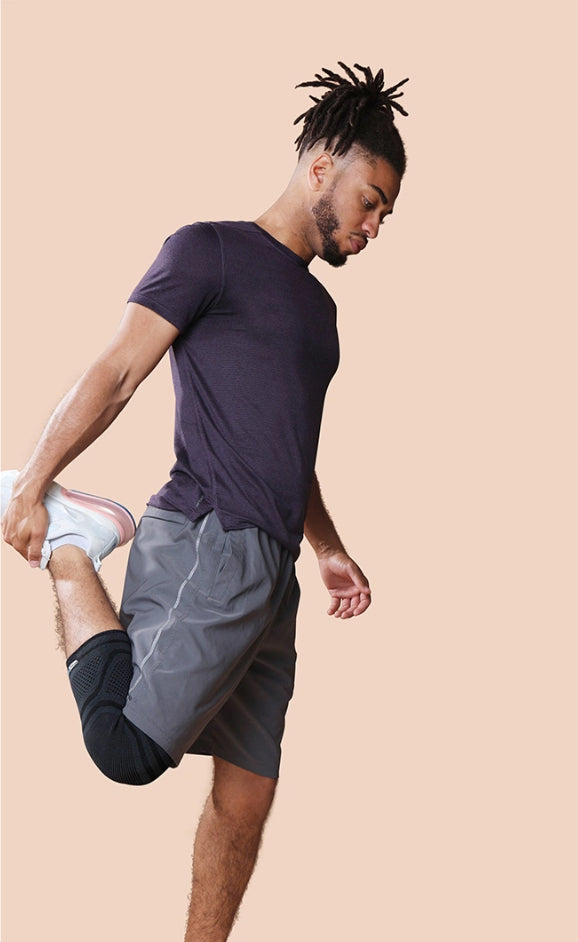
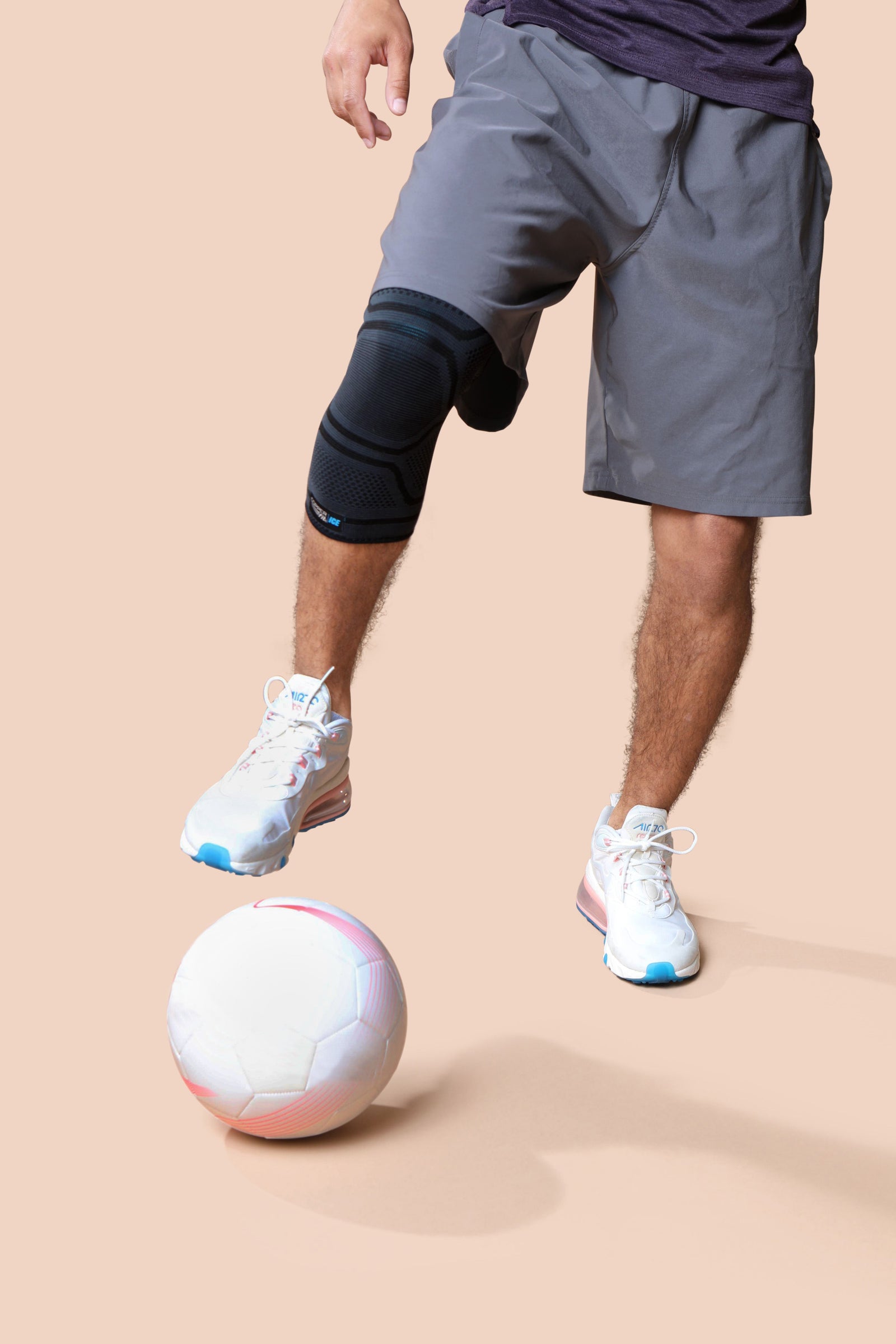
A Copper Fit® compression knee sleeve is a flexible, snug-fitting fabric tube that applies even pressure to the knee, increasing warmth and proprioceptive feedback (your body’s awareness of its position and comfort). These sleeves represent an excellent first-line solution for individuals with mild meniscus discomfort, delivering warmth, subtle support, and comfort during daily activities.
The gentle compression supports healthy blood circulation, soothes swelling, and provides enhanced awareness of knee position and movement. The consistent pressure from a quality compression sleeve supports efficient knee mechanics and calms discomfort during daily movement.
Hinged Braces for Enhanced Stability and Protection
A hinged knee brace is a stabilizing knee support with side hinges that control lateral and rotational movement. These braces provide the highest level of protection for individuals with moderate to severe meniscus issues, making them suitable for those experiencing a feeling of "giving way" or those participating in pivoting sports.
The mechanical hinges allow normal bending and straightening while preventing potentially damaging side-to-side or twisting motions. Hinged knee braces add side-to-side and rotational control to reduce provocative motions that aggravate the meniscus, providing confidence during activities that might otherwise cause discomfort.
Unloader Braces for Targeted Pain Relief
An unloader (or offloader) brace is a knee support device that shifts weight away from the injured compartment, reducing pressure and discomfort on that side of the knee. These specialized braces are particularly effective when meniscus damage is concentrated in one area of the joint.
Unloader braces are recommended when discomfort is focused on the inner or outer side of the knee and for ongoing discomfort that persists after other conservative treatments. They work by mechanically altering the load distribution across the knee joint.
Unloader knee braces alleviate pressure on the damaged knee side, soothing discomfort and supporting mobility by creating a slight separation in the affected joint compartment, allowing the damaged meniscus to experience less compression during weight-bearing activities.
Soft Braces for Adjustable, Comfortable Support
A soft knee brace is a wrap-style support that can be adjusted throughout the day to manage discomfort and accommodate changing needs. These braces prioritize user comfort and adaptability.
Soft braces are quick to put on, easily adjustable for fluctuating swelling, and helpful for isolated meniscus issues or when additional comfort is needed during recovery. Their wrap-around design allows for custom compression levels and easy modification as symptoms change.
Prioritize Comfort, Fit, and Adjustability
Proper fit is crucial for effective knee brace function and user compliance. A well-fitted brace provides optimal support while preventing complications such as circulation restriction or skin irritation.
The right fit ensures adequate knee support, prevents slippage during activity, and avoids circulatory problems. Professional measurement and careful attention to manufacturer sizing guidelines are essential for achieving the best results.
When selecting a knee brace, prioritize breathable, hypoallergenic materials that won't cause skin reactions during extended wear. Look for adjustability features or multiple closure points that allow fine-tuning of compression and support throughout the day.
Key comfort and fit features to evaluate:
- Proper sizing: Measure knee circumference at multiple points as directed
- Material quality: Choose breathable, moisture-wicking fabrics
- Adjustability: Look for multiple straps or closure systems for custom fit
- Padding: Ensure adequate cushioning over bony prominences
- Range of motion: Maintain unrestricted movement where possible
Regular monitoring for skin irritation and proper tightening of straps to prevent migration ensures continued comfort and effectiveness throughout your recovery period.
Monitor Your Symptoms and Adjust Use Accordingly
Ongoing symptom monitoring is essential for safe and effective knee brace use. Regular assessment of discomfort levels, swelling, and functional improvement helps determine whether your current brace is meeting your recovery needs.
Track any changes in symptoms or knee instability, and consult healthcare professionals if discomfort persists or worsens despite continued brace use. Worsening symptoms may indicate that your current brace is inadequate or that your injury requires different treatment approaches.
Remember that knee braces should be part of a comprehensive recovery plan that includes activity modifications and physiotherapy to address the underlying cause rather than just managing symptoms. Bracing alone rarely provides a complete resolution of meniscus-related problems.
Consider reassessment with a healthcare provider if bracing does not yield noticeable improvement after several weeks of consistent use, as this may indicate the need for alternative treatment strategies or surgical intervention.
Care and Maintenance Tips for Your Knee Brace
Proper care and maintenance extend your knee brace's lifespan while ensuring optimal hygiene and function throughout your recovery period.
Daily Care Routine:
- Remove the brace after each use and allow it to air dry completely
- Wipe down hard components with a damp cloth and mild soap
- Check all straps, hinges, and closures for wear or damage
- Store in a clean, dry location away from direct heat or sunlight
Weekly Deep Cleaning:
- Hand wash fabric components in cool water with gentle detergent
- Thoroughly rinse and air dry all components before reassembly
- Inspect for signs of material breakdown or component loosening
Monitor your skin regularly for signs of irritation, redness, or pressure sores. Consider shaving leg hair and ensuring a close fit to reduce slippage and friction that can lead to skin problems during extended wear periods.
Replace your knee brace when support effectiveness declines, which typically occurs when straps lose elasticity, hinges become loose, or fabric components show significant wear. A compromised brace may not provide adequate protection and could potentially contribute to further injury.
Frequently Asked Questions
What type of knee brace is best for a meniscus injury?
The best knee brace depends on your injury severity and symptoms. For mild or degenerative meniscus tears, a Copper Fit® compression sleeve provides warmth and gentle support.
For instability or more severe symptoms, a hinged brace delivers additional protection and control. Unloader braces work well for localized compartment discomfort, while soft braces offer adjustable comfort for variable symptoms.
How should a knee brace fit for optimal support and comfort?
A knee brace should fit snugly without being too tight, fully covering the knee joint without restricting blood circulation or slipping during movement. Follow the manufacturer's sizing guide carefully, measuring your knee circumference at the recommended points. The brace should allow normal bending while providing the intended level of support and stability.
When and how long should I wear a knee brace for a meniscus injury?
Wear your knee brace during activities that stress the knee, such as walking, exercising, or work-related tasks. Remove it during rest periods unless specifically directed otherwise by your healthcare provider. Duration of use varies based on injury severity and healing progress, so follow professional recommendations for your specific situation.
Can a knee brace heal a meniscus tear?
A knee brace cannot directly heal a torn meniscus, as the cartilage has limited blood supply and natural healing capacity. However, bracing can soothe discomfort, support knee stability, and maintain healthy circulation during the recovery process. Braces work best as part of a comprehensive treatment plan that may include physical therapy, activity modification, and sometimes surgical intervention.
Are there any risks or limitations to wearing a knee brace?
Potential risks include skin irritation from improper fit, muscle weakness from over-reliance on external support, and reduced proprioception if worn continuously without strengthening exercises. To minimize risks, ensure proper fitting, follow professional recommendations for wear duration, and incorporate appropriate rehabilitation exercises as directed by your healthcare provider.