Key Takeaways
-
Look for adjustable compression, compatibility with hot and cold therapy, and breathable materials when choosing a shoulder brace.
-
Cold therapy is best for recent or newly aggravated tension, while heat therapy works well for soreness that has lingered for more than a day.
-
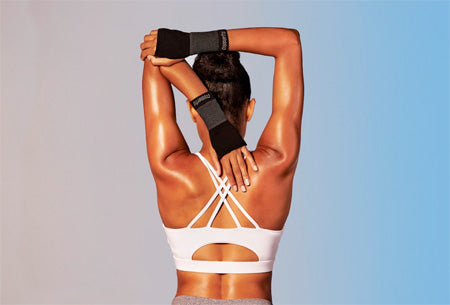
Shoulder wraps and compression sleeves can help support your shoulder through an active recovery routine, without limiting your range of motion.
Shoulder tension has a way of derailing even the most consistent fitness routine. Whether it's from repetitive motion, an intense training block, or simply sleeping wrong, that tight feeling or discomfort in your shoulder can make everyday movement feel like a challenge. If you're managing rotator cuff strain or impingement, staying active can feel even more complicated.
The good news is that the right shoulder brace can be a helpful part of a smarter recovery approach. In this article, we'll break down the benefits of shoulder braces, what to look for in a shoulder support, and ways to support your recovery process.
What Can Cause Shoulder Tension and Discomfort?
Shoulder tension typically builds up over time. Repetitive overhead motion, whether from sports, weightlifting, or everyday tasks, can gradually wear on the shoulder joint.
Poor posture, especially from long hours at a desk, is another common culprit. Training too hard without enough recovery time between sessions can also leave shoulders feeling tight and fatigued.
Rotator cuff strain and shoulder impingement are two of the more common contributors to ongoing shoulder tension, particularly among athletes and active adults. These issues often develop gradually, making it easy to push through discomfort until it becomes harder to ignore.
Understanding what's contributing to your shoulder tension is the first step toward addressing it. For more on recognizing the signs and what a typical recovery timeline looks like, our recent article covers that in detail.
How Can a Shoulder Brace Support Your Recovery?
A shoulder brace isn't a stand-alone fix. It works best as one piece of a broader recovery routine that might also include rest, gentle mobility work, and guidance from a healthcare professional when needed. A quality shoulder brace can help support your shoulder during daily movement while you focus on the rest of your recovery plan.
Compression is the key mechanism here. Snug, adjustable compression supports healthy blood flow to the area and soothes tension and soreness that build up from everyday activity. Think of a shoulder brace or sleeve as a supportive teammate for your recovery process, not a replacement for it.
What To Look for in a Shoulder Support
The right fit and features can make all the difference in a shoulder brace or wrap. Here’s what to look for to get the most support:
-
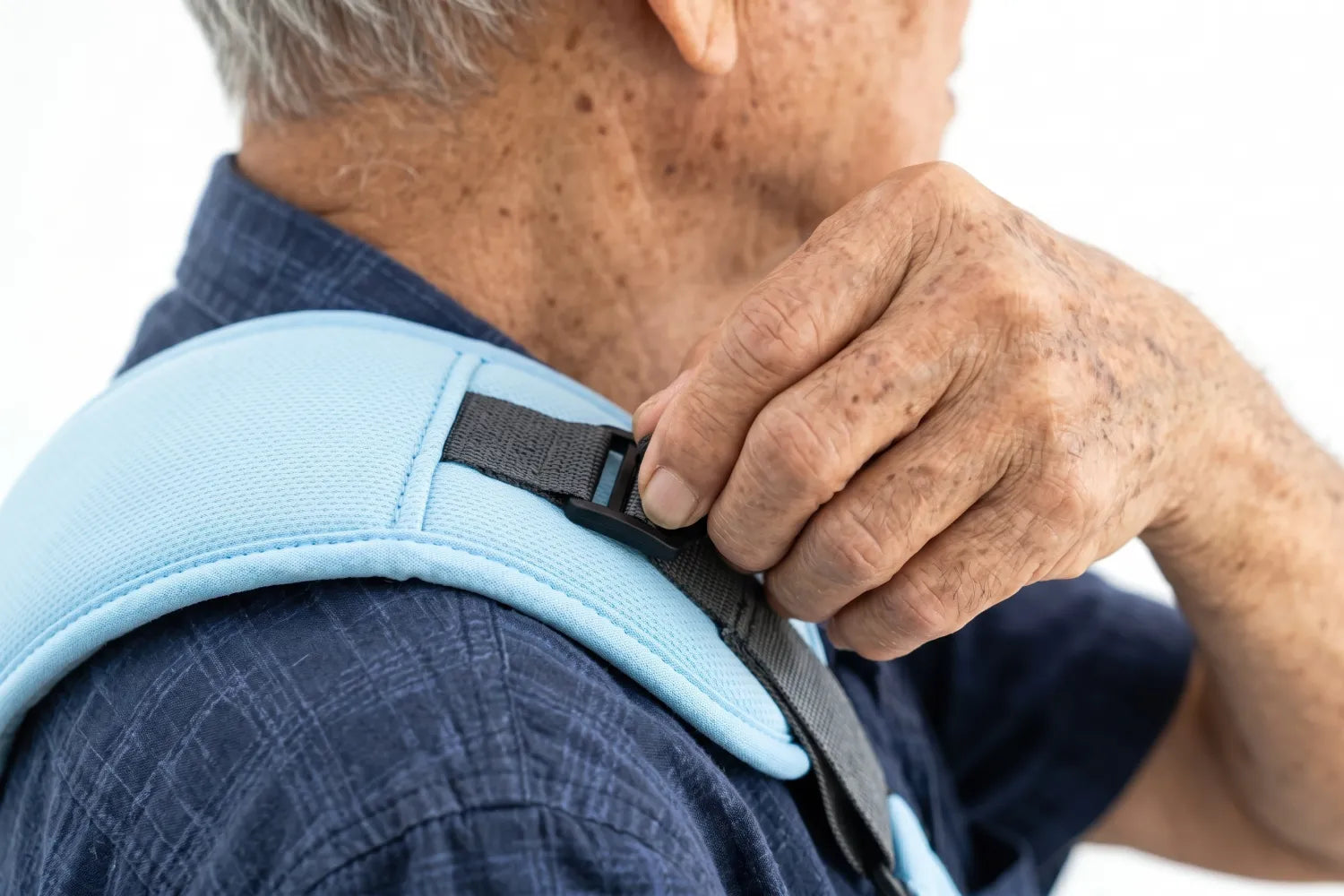
Adjustable compression. Every shoulder is different, and your compression needs may change day to day. Look for a brace that lets you customize the fit.
-
Hot and cold therapy compatibility. Heat therapy is typically used for soreness or strain that's more than a day old, while cold therapy is better suited for recent or newly aggravated tension. A sleeve that supports both gives you flexibility.
-
Seamless, anti-chafing knit. A brace that rubs or chafes is one you won't want to wear consistently. Look for a seamless construction designed for comfort during extended wear.
-
Moisture-wicking material. If you're staying active while recovering, sweat happens. Moisture-wicking fabric helps keep you comfortable through workouts and daily wear.
-
Freedom of movement. The best braces support your shoulder without restricting your natural range of motion.
The Copper Fit Elite Shoulder Sleeve was designed with all of the above in mind. It offers medium-to-strong compression for more targeted support, with a contoured design built specifically to the shape of the shoulder, so the fit feels natural rather than bulky or generic.
Easy on and easy off, the Elite Shoulder Sleeve is built to fit into your routine, whether you're an athlete managing training demands or an everyday adult looking to stay ahead of shoulder tension.
Hot vs. Cold Therapy: Which Is Right for Your Shoulder?
Knowing when to reach for heat versus cold can make a real difference in how supported your shoulder feels.
-
Cold therapy is generally best for shoulder tension that's new or recently aggravated. The cooling sensation can help soothe the area right after activity or a flare-up of discomfort.
-
Heat therapy is typically better suited for soreness or strain that has been present for more than a day. Warmth can help promote muscle relaxation and support a sense of ease in tight, tense muscles.
Tips for Staying Active While Supporting Shoulder Recovery
Staying active while your shoulder recovers doesn't have to mean sitting on the sidelines. A few simple habits can help you keep moving without setting yourself back.
Start with a proper warm-up before any activity. Cold muscles and joints are more prone to tension, so a few minutes of light movement goes a long way. Don't skip rest days. Recovery is when your body does its rebuilding work, and pushing through fatigue often leads to more setbacks, not fewer.
Pair your brace with light mobility work when you can. Gentle range-of-motion exercises can help keep the shoulder from becoming stiff. And most importantly, listen to your body. Some days will feel stronger than others, and that's normal. Recovery isn't linear, and small setbacks don't mean you're off track.
FAQ
Can a shoulder brace help with rotator cuff impingement?
A shoulder brace can help support the shoulder and soothe everyday tension as part of a broader recovery routine. Persistent or worsening discomfort should always be evaluated by a healthcare professional.
Should I use heat or cold on my shoulder?
Cold therapy is generally best for recent or newly aggravated tension, while heat therapy is better suited for soreness that has lingered for more than a day.
Is the Copper Fit Neck & Shoulder Wrap adjustable?
Yes, it features adjustable compression so you can customize the fit throughout the day.
Can I wear a shoulder brace during workouts?
Yes, the seamless, anti-chafing knit is designed to move with you and support your shoulder without restricting your range of motion.
The Bottom Line
Here at Copper Fit, we know that shoulder tension can make it harder to stay active and feel your best. That's why we design our shoulder supports to fit seamlessly into your recovery routine, with adjustable compression, hot-and-cold versatility, and a comfortable, moisture-wicking build that moves with you.
Our goal is simple: to help you support your shoulder so you can keep doing what you love, every day.
Sources:
Poor posture and shoulder pain | Mayo Clinic Health System
Ice Packs vs. Warm Compresses For Pain | Johns Hopkins Medicine