Key Takeaways
- Rotator cuff injuries are extremely common and can affect anyone from athletes to desk workers, so recognizing the symptoms early makes a real difference in recovery.
- Recovery timelines vary widely depending on severity, but with the right approach, most people can return to the activities they love.
- Compression gear, hot and cold therapy, and targeted exercise work together to support your body's natural healing process and help keep you moving.
Your shoulder does more work than you may give it credit for. From reaching up to grab something off a shelf to throwing a ball, swimming laps, or simply carrying groceries, your shoulder is almost always part of the equation. So when something feels off, it can throw off your groove in unexpected ways.
When it comes to shoulder discomfort, a rotator cuff injury is often the cause. If you've been looking for ways to manage this type of injury, you’re in the right place.
This guide breaks down everything you need to know: what causes rotator cuff injuries, how to spot the symptoms, what recovery actually looks like, and how to support your shoulder every step of the way.
What Is the Rotator Cuff?
The rotator cuff is a group of four muscles and their tendons that surround the shoulder joint, keeping your upper arm bone firmly seated in your shoulder socket. Together, these muscles enable you to lift, rotate, and stabilize your arm during just about any movement.
The four muscles involved are the supraspinatus, infraspinatus, teres minor, and subscapularis. You don't need to memorize those names, but knowing they work as a team is important. When one of them is strained or torn, the whole system feels it.
Whether you're an athlete relying on explosive overhead movements or someone who just wants to carry their kids without wincing, your rotator cuff is working hard behind the scenes.
What Are the Common Causes of Rotator Cuff Injuries?
Rotator cuff injuries generally fall into two categories: acute and overuse.
Acute injuries happen suddenly. A hard fall, an unexpected impact, or lifting something too heavy the wrong way can all put immediate stress on the rotator cuff that it's not prepared to handle.
Overuse injuries build up gradually over time. These are extremely common in athletes who perform repetitive overhead motions, including swimmers, baseball pitchers, volleyball players, and tennis players. But overuse doesn't only happen in sports. Painters, construction workers, and even people who sit at a desk with poor posture for hours a day can develop rotator cuff issues through repetitive strain.
A few other factors that increase the risk include age (the tendons naturally become less flexible over time), muscle imbalances, weak surrounding muscles, and skipping warm-ups before activity.
Rotator Cuff Injury Symptoms To Watch For
Rotator cuff injuries may not be obvious at first, but knowing common symptoms can help you catch them early and start working towards recovery.
Common symptoms include:
- Shoulder soreness or tension: Be especially aware of discomfort that worsens when lifting your arm or reaching overhead.
- Weakness in the arm: You may find it harder to perform movements that used to feel effortless.
- Dull, lingering ache: Shoulder discomfort from a rotator cuff injury can persist after activity or even at rest.
- Reduced range of motion: You may experience stiffness that makes it difficult to move your shoulder freely.
- Discomfort during sleep: Nighttime discomfort, particularly when lying on the affected shoulder, is common with rotator cuff injuries.
Mild tension and general soreness after a tough workout are normal and usually fade within a day or two. But if you're noticing persistent discomfort, weakness, or a significant reduction in your range of motion, your body is sending you a signal worth paying attention to.
If your symptoms are severe, came on suddenly after a fall or impact, or aren't improving with rest, it's a good idea to check in with a healthcare professional.
Rotator Cuff Recovery: What To Expect
One of the biggest questions people have after a rotator cuff injury is: How long is this going to take? The honest answer is that it depends on the severity of the injury, but here's a general framework to work from.
- Mild strains typically respond well to rest, activity modification, and consistent at-home care. Many people start feeling significantly better within two to four weeks.
- Moderate strains often benefit from working with a physical therapist and may take four to eight weeks or longer to fully resolve.
- Severe tears are a different situation and may require medical evaluation, more intensive rehabilitation, or, in some cases, surgical intervention. Recovery timelines here are longer, but with the right professional support, people do get back to full strength.
A few factors that play a big role in how quickly you recover include how consistently you rest and avoid aggravating movements, whether you follow through with any prescribed exercises, and how well you support your shoulder during the healing process.
Rushing back to full activity before your shoulder is ready is one of the most common reasons people end up back at square one. Trusting the process, even when it feels slow, pays off in the long run.
Tips To Support Your Recovery
Recovery isn't just about waiting it out. There are concrete steps you can take to actively support your shoulder and give your body what it needs to heal well.
Rest and Activity Modification
This one is foundational. You don’t necessarily want to cease all activity , but you do want to be smart about what you do and how you do it. Avoid movements that aggravate your shoulder while staying as active as your body allows.
Physical Therapy and Targeted Exercises
Targeted shoulder stretches can make a significant difference, especially for moderate injuries. A physical therapist can guide you through movements such as pendulum swings and gentle external rotation exercises to help maintain mobility without placing unnecessary stress on healing tissue.
Hot and Cold Therapy
This simple and effective recovery tool is often underestimated. The key is knowing which one to reach for and when.
- Cold therapy is best used for recent, acute soreness and tension , helping to soothe the area and support your body's natural response.
- Heat therapy is better suited for older strains and stiffness, helping to loosen tight tissue and promote relaxation in the muscles surrounding the shoulder.
Compression Gear
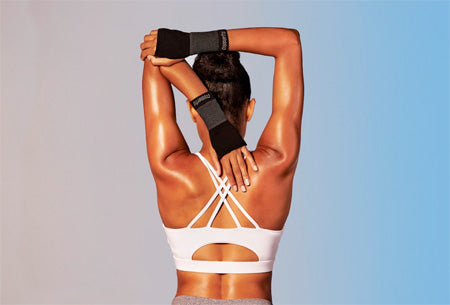
Compression sleeves provide gentle, consistent support to the joint, helping to soothe tension, promote healthy circulation , and stabilize the area during movement. Graduated compression works by supporting what your body naturally does, encouraging blood flow, and helping ease the soreness that tends to build up between activity and rest.
For anyone navigating a shoulder injury, adding a quality compression shoulder sleeve to your daily routine can make a noticeable difference in how your shoulder feels throughout the day — and how well you move through your recovery.
Getting Back to the Activities You Love
There's a moment in every recovery when things start clicking back into place. Your range of motion improves. The tension eases. You can reach overhead without bracing yourself. Those small wins matter, and they add up faster than you might expect.
When returning to full activity, gradual progress is the goal. Signs that you're ready to increase intensity include consistent reduction in soreness, improved strength, and full range of motion without discomfort. When in doubt, check in with your healthcare provider before jumping back in.
To protect your shoulder long-term, build in a proper warm-up before every workout, focus on strengthening the muscles around the joint, and keep listening to your body's signals even after you're feeling better. Your shoulder has been putting in work for you your whole life. A little extra attention now goes a long way toward keeping it strong for everything ahead.
FAQ
How do I know if I have a rotator cuff injury or just general muscle soreness?
General soreness typically fades within 24 to 48 hours, while a rotator cuff injury tends to involve persistent tension, weakness, or reduced range of motion that doesn't improve with rest alone.
Can I still exercise with a rotator cuff injury?
Light, low-impact activities are often fine, but avoid movements that aggravate the shoulder; a physical therapist can help you find safe ways to stay active during recovery.
Does compression help with shoulder recovery?
Yes, compression wraps and shoulder braces help support healthy circulation, soothe tension, and stabilize the joint, all of which complement your body's natural recovery process.
The Bottom Line
At Copper Fit , we know what it feels like to be sidelined by soreness and tension. We believe there's a better way to recover, and our products are designed with exactly that in mind.
Whether you're working through a shoulder strain or simply want to feel more supported during your active life, our compression gear is built to help soothe discomfort, promote healthy circulation, and keep you moving every day. Recovery is a journey, and we're here to support yours every step of the way.
Sources:
Rotator Cuff: Muscles, Tendons, Function & Anatomy | Cleveland Clinic
Ice Packs vs. Warm Compresses For Pain | Johns Hopkins Medicine