Key Takeaways
-
Sudden pain on the top of the foot can develop from overuse, irritation in tendons, footwear issues, or changes in activity.
-
The top of the foot contains many tendons and bones, which means small stresses can sometimes cause noticeable discomfort.
-
Supportive footwear, gradual activity changes, and compression gear may help promote comfort during daily movement.
Foot pain can be frustrating, especially when it appears suddenly without a clear cause. If you have ever stood up, started walking, or finished a workout and noticed discomfort on the top of your foot, you are not alone.
The top of the foot contains a network of tendons, ligaments, and bones that help control movement and stabilize the foot during activity. Because these structures work together constantly, even small changes in movement, footwear, or activity levels can sometimes lead to irritation.
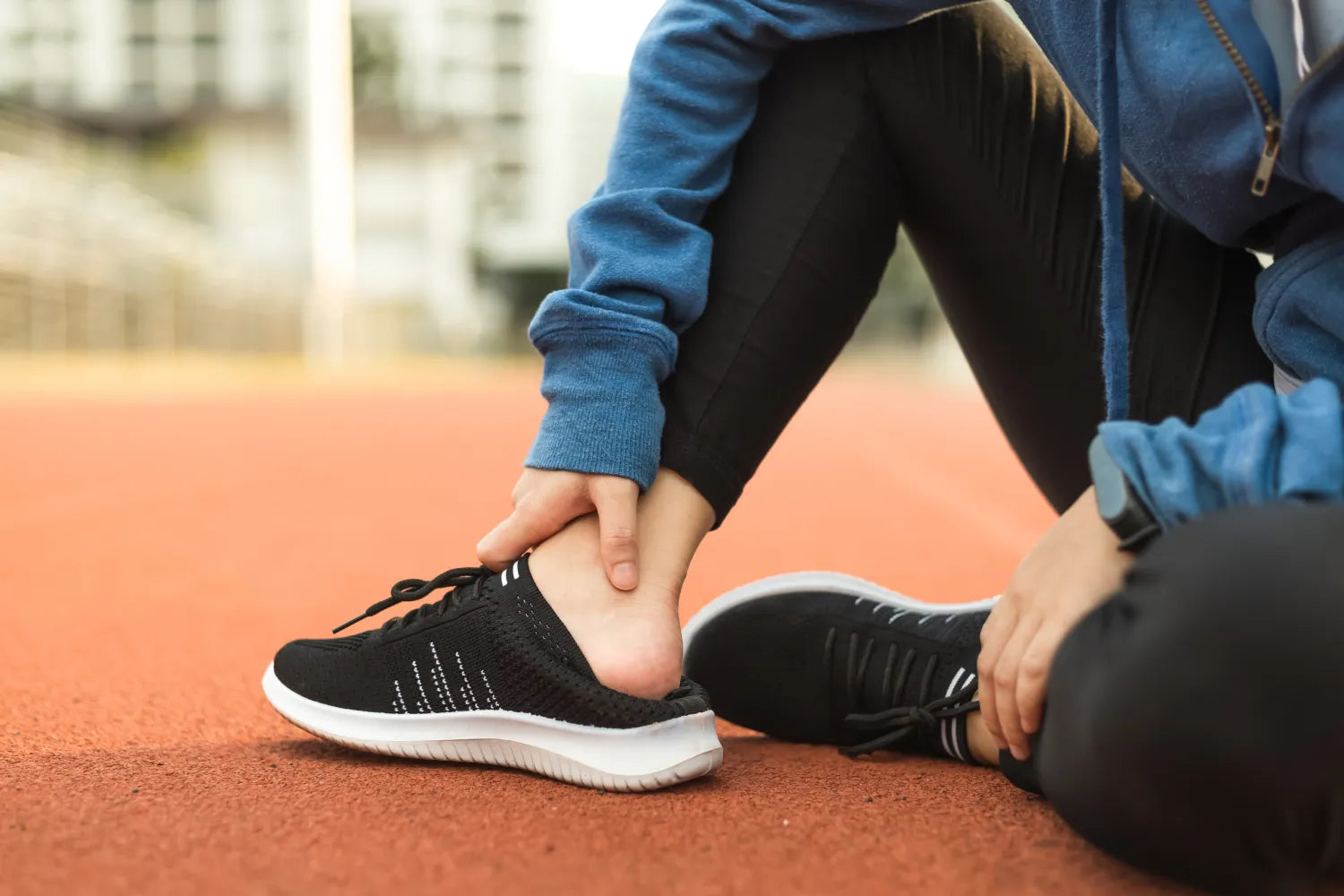
Sudden pain in this area can range from mild soreness to sharp discomfort during movement. While some causes are temporary and related to activity, others may involve stress on the foot’s bones or connective tissues.
Understanding why the top of your foot hurts all of a sudden can help you identify potential triggers and take steps to support comfort and mobility.
Why Does the Top of the Foot Become Painful?
The top portion of the foot, sometimes called the dorsal foot, plays an important role in movement. Tendons in this area help lift the toes and control how the foot moves while walking or running.
Because these tendons sit close to the surface of the skin, they can sometimes become irritated when exposed to repetitive movement, pressure, or tight footwear.
Pain on the top of the foot may also develop when the bones or ligaments experience stress from sudden activity changes or impact. In many cases, small adjustments in daily habits can help reduce irritation and support recovery.
Below are several common reasons this type of foot pain can appear suddenly.
1. Extensor Tendon Irritation
Extensor tendons run along the top of the foot and help lift the toes while walking or running. These tendons experience constant movement throughout the day, especially during activities that involve repetitive motion.
If the tendons become irritated , you may feel soreness or tenderness along the top of the foot. This discomfort may become more noticeable when walking uphill, climbing stairs, or exercising.
Extensor tendon irritation can sometimes develop when activity levels increase suddenly. For example, starting a new workout routine or increasing running distance can place additional stress on these tendons.
Allowing time for recovery between intense workouts and gradually increasing activity levels can help support tendon comfort.
2. Tight or Unsupportive Footwear
Footwear plays a major role in foot comfort. Shoes that are too tight across the top can place pressure on the tendons and bones located in that area.
High-pressure points from tight laces, stiff materials, or poorly fitting shoes may contribute to soreness on the top of the foot. Some people notice this discomfort after wearing new shoes or athletic footwear that has not yet been broken in.
Choosing shoes with proper cushioning and adjusting lace patterns to relieve pressure across the top of the foot may help reduce irritation.
3. Sudden Increase in Physical Activity
Sudden increases in physical activity are another common reason for unexpected foot pain.
Activities such as running, hiking, or high-impact workouts place repeated stress on the muscles and tendons of the foot. If the body has not had time to adapt, these structures may become irritated.
Many fitness experts recommend increasing training intensity gradually to allow muscles and connective tissues to strengthen over time. Adding recovery days between intense workouts can also help reduce stress on the feet.
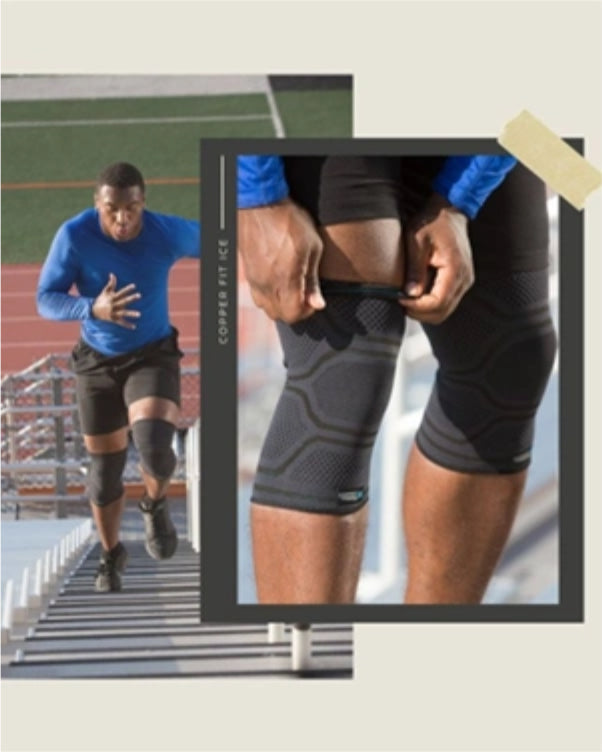
Supportive gear, such as Copper Fit compression sleeves or braces designed for active lifestyles, may also help provide comfort during movement. Their advanced fabrics aim to provide comfortable support while helping wick moisture and manage odor during workouts or long days on your feet.
4. Stress on the Foot Bones
The foot contains many small bones that work together to absorb impact during walking and running. When these bones experience repeated stress without adequate recovery, discomfort may develop in the surrounding tissues.
Pain caused by stress on the bones can sometimes feel sharp or localized on the top of the foot, especially during activity. Gradually increasing physical activity and wearing supportive footwear can help reduce excessive strain on the bones of the foot.
5. Walking or Running on Uneven Surfaces
Uneven terrain can place extra demands on the muscles and tendons of the foot.
Hiking trails, gravel paths, or uneven sidewalks require the foot to constantly adjust to maintain balance. These adjustments may place additional strain on structures located on the top of the foot.
If discomfort appears after spending time on uneven surfaces, allowing time for rest and recovery may help restore comfort. Many active individuals also wear supportive gear during outdoor activities to help maintain stability.
6. Tight Calf Muscles
Muscles in the lower leg play an important role in foot movement. When the calves become tight, they can alter how the foot moves during walking or running.
This change in movement may place additional stress on the tendons located on the top of the foot. Stretching the calves regularly can help maintain flexibility in the lower leg and support more balanced movement patterns.
7. Long Periods on Your Feet
Standing or walking for extended periods can sometimes lead to soreness in the feet.
Jobs that require long hours on your feet may place continuous pressure on the bones, muscles, and tendons in the foot. Over time, this constant strain may lead to discomfort on the top of the foot or other areas.
Wearing supportive footwear and taking short breaks to rest your feet when possible may help reduce stress on the joints and connective tissues. Compression gear designed for everyday wear may also help provide comfort during long days of activity.
How To Support Foot Comfort
If the top of your foot begins to feel sore suddenly, several simple strategies may help support comfort.
Some helpful habits include:
-
Wearing properly fitting footwear
-
Stretching the calves and feet regularly
-
Gradually increasing workout intensity
-
Allowing time for recovery between workouts
-
Using supportive gear during activity
Compression sleeves and braces can also be helpful for people who want additional support during workouts or long days of activity.
At Copper Fit, we use advanced fabrics designed to provide flexible support while helping reduce chafing, wick moisture, and manage odor. These features make them a practical option for people who want to stay active while supporting joint and muscle comfort.
FAQ
Why does the top of my foot hurt when I walk?
Pain on the top of the foot during walking may develop from tendon irritation, tight footwear, sudden activity changes, or stress on the foot’s bones.
Can new shoes cause pain on the top of the foot?
Yes. Shoes that are too tight or press on the top of the foot may place pressure on tendons and bones, which can lead to soreness.
Is sudden foot pain always serious?
Not always. In many cases, sudden foot pain develops from overuse or minor irritation. However, persistent or severe pain may benefit from professional evaluation.
How can I support my feet during exercise?
Wearing supportive footwear, stretching regularly, and gradually increasing workout intensity can help support foot comfort during physical activity.
Conclusion
Sudden pain on the top of the foot can develop for several reasons, including tendon irritation, footwear pressure, increased activity levels, or stress on the foot’s bones. Because the foot supports every step we take, even small changes in movement or routine can sometimes lead to discomfort.
Understanding possible causes of this type of pain can help you identify potential triggers and make adjustments that support comfort and mobility.
If you want to stay active while supporting your joints and muscles, compression gear designed for movement and recovery may be a helpful addition to your routine. Our line of support products offers options designed for everyday activity, workouts, and recovery.
Sources:
Foot Pain: Common, of Consequence, and Consulted About | Journal of Foot and Ankle Research
Foot Pain: Is Current or Past Shoewear a Factor? The Framingham Foot Study | Arthritis Rheum.