Key Takeaways
-
Drop foot affects how you lift and control your foot, which can impact balance and walking efficiency.
-
It’s often linked to nerve signals, muscle strength, or strain rather than a standalone condition.
-
With the right support and recovery approach, you can stay active and improve mobility.
When your body isn’t moving the way it should, even simple actions can feel more demanding. Drop foot (also referred to as foot drop) is one of those challenges that can make everyday movement less efficient.
This condition affects your ability to lift the front of your foot, which can alter how you walk and how stable you feel on your feet. But here’s the important part: while drop foot can be frustrating, there are practical ways to manage it and stay active.
With an approach focused on strength, support, and recovery, you can retake control of your mobility.
What Is Drop Foot?
Drop foot refers to difficulty lifting the front part of the foot, which can cause it to drag or make walking feel uneven. Instead of a smooth, controlled step, the foot may slap the ground or require extra effort to clear it during movement.
It’s not a condition on its own, but rather a sign that something is affecting how the muscles and nerves in your lower leg are working together. When that connection is disrupted, the foot doesn’t respond the way it normally would.
This can impact your walking pattern, balance, and overall movement efficiency. Over time, it may also lead to compensations in how you move, which can create additional tension in other areas of the body.
What Are the Common Symptoms of Drop Foot?
Recognizing the signs early can help you take action and support your movement before it becomes more limiting.
Common symptoms include:
-
Difficulty lifting the front part of the foot
-
Toes dragging while walking
-
A higher-than-normal step to clear the foot
-
The foot slapping down instead of landing smoothly
-
Reduced control or strength in the ankle and foot
-
Feeling less stable while walking
What Can Cause Drop Foot?
Drop foot can stem from a few different factors, all related to how your body controls movement in the lower leg and foot.
Nerve-Related Causes
Your nerves play a key role in telling your muscles when and how to move. If those signals are disrupted , the muscles responsible for lifting your foot may not activate properly.
This can lead to reduced control and slower response during movement. Supporting healthy movement patterns and reducing strain can help your body function more efficiently over time.
Muscle Weakness
Strong, responsive muscles are essential for controlled movement. When the muscles in the lower leg aren’t as strong as they should be, lifting the foot becomes more difficult.
This can happen gradually, especially if those muscles aren’t being used consistently or effectively. Building strength through targeted movement can help support better control and stability.
Injury or Strain
Injuries or strains can interrupt how your body moves and recovers. When the lower leg or surrounding areas are under stress, the muscles may not perform at their best.
This can lead to temporary weakness or reduced coordination. Prioritizing recovery and giving your body the support it needs can help restore function over time.
Lifestyle or Repetitive Stress
Daily habits can also play a role. Prolonged pressure on certain areas of the leg or repeated movements over time can affect how your body responds.
This can gradually lead to tension, reduced mobility, and changes in how you walk. Staying aware of movement patterns and incorporating recovery strategies can help support long-term performance.
How Is Drop Foot Diagnosed?
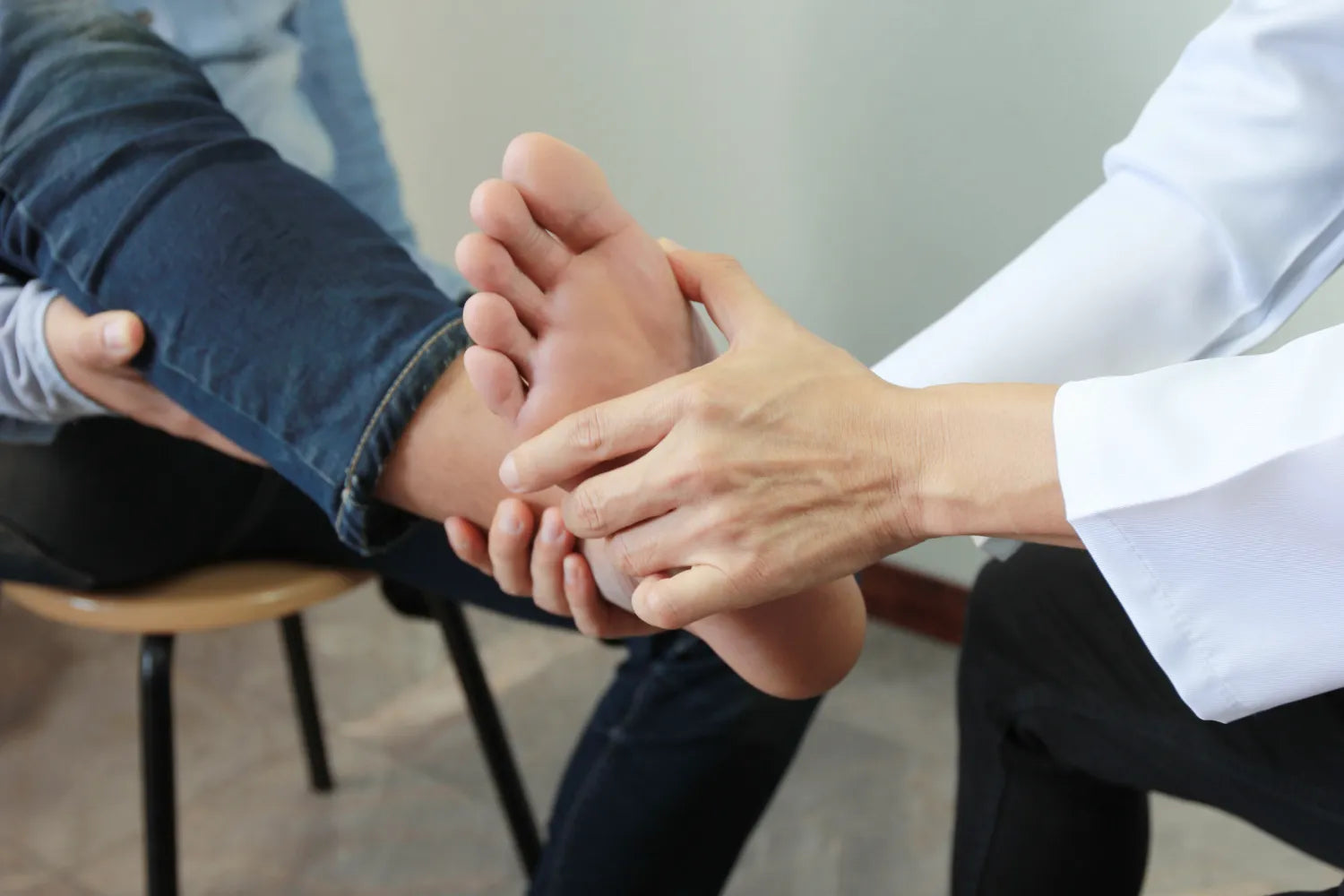
Understanding what’s going on with your movement is the first step toward improving it. A professional will typically start by observing how you walk and how your foot responds during movement.
They may assess strength, flexibility, and control in your lower leg and foot. These evaluations help identify where movement is limited and what might be contributing to it.
The goal is to get a clear picture of how your body is functioning so you can take the right steps toward better mobility and support.
What Treatment Options Are Available for Drop Foot?
Managing drop foot is about supporting your body’s natural ability to move and recover. A well-rounded approach can help improve control, reduce tension, and keep you active.
Physical Therapy and Movement Training
Targeted exercises can help support strength and improve coordination in the lower leg. Consistent movement training encourages better muscle activation and helps your body relearn efficient patterns. Over time, this can lead to improved control and more stable movement.
Compression Gear
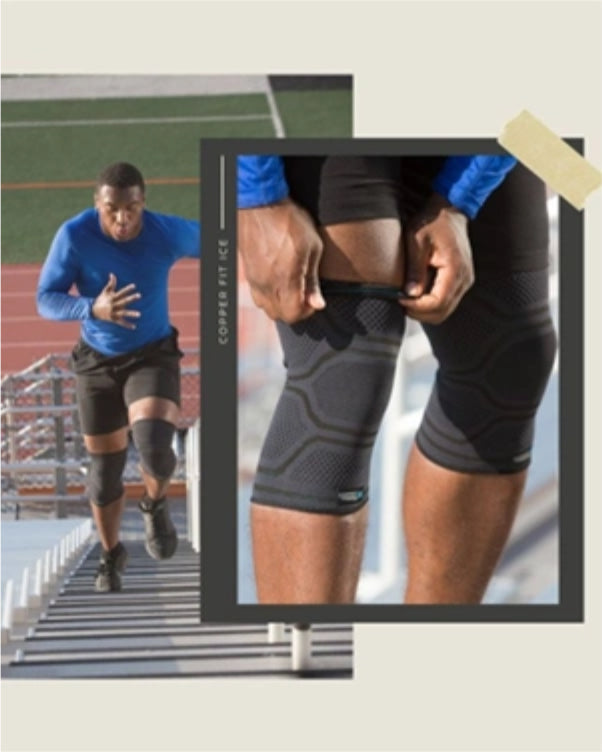
Supportive gear can help keep your foot in a more natural position while you move. Gentle compression may help support healthy blood flow and provide stability during activity. This added support can make movement feel more controlled and less demanding.
Hot and Cold Therapy
Hot and cold therapy can play a key role in supporting recovery. Cold therapy is often used after a recent strain to help soothe soreness and calm the area, while heat therapy can help relax muscles and ease ongoing tension.
Alternating between the two may help your body recover more efficiently. This approach supports your body’s natural processes and helps you stay consistent with movement.
Massage and Muscle Recovery Tools
Muscle recovery tools, like massage devices, can help promote circulation and reduce built-up tension in the lower leg. When muscles feel tight or overworked, targeted recovery can help them relax and function more effectively. This added support can make it easier to move with control and stay active throughout the day.
Surgical Options
Surgery may be recommended depending on the underlying cause of drop foot. If nerve signals are significantly disrupted, certain procedures may help restore communication between the nerves and muscles responsible for lifting the foot. This can support improved movement and control over time.
Recovery from surgery typically involves guided movement and a structured recovery plan to help rebuild strength and support long-term function. A professional can help determine if this type of approach is appropriate based on your specific situation.
Exercises That May Help Support Foot Strength and Mobility
Consistent, controlled movement is key when it comes to improving strength and mobility. These exercises can help support better function in the foot and lower leg:
-
Ankle Flexion Raises: Sit or lie down and slowly pull your toes toward your shin, then release. This helps support muscle activation and control in the front of the lower leg.
-
Toe Raises (Standing or Seated): Lift the front of your foot while keeping your heel grounded. This movement helps strengthen the muscles responsible for lifting the foot.
-
Resistance Band Pulls: Use a resistance band around your foot and gently pull back against it. This adds controlled resistance to help support strength development.
-
Calf and Lower Leg Stretching: Gently stretching the lower leg can help reduce tension and support better range of motion.
-
Controlled Walking Practice: Focus on slow, deliberate steps to reinforce proper movement patterns and improve coordination over time.
Tips for Staying Active With Drop Foot
Staying active requires a smarter approach. Choosing low-impact activities can help you move without placing unnecessary strain on your body. Walking on even surfaces, cycling, or controlled strength training can all help support mobility.
A proper warm-up prepares your muscles for movement, while recovery afterward helps reduce soreness and tension. Supportive gear can also play a role by helping stabilize movement and maintain better positioning throughout your day.
The key is consistency. Small, steady efforts add up and help your body adapt over time.
FAQ
What is the main cause of drop foot?
Drop foot is often linked to how nerves and muscles communicate in the lower leg. When that connection is disrupted, the foot may not lift properly. It can also be influenced by muscle weakness or ongoing strain.
Can drop foot go away on its own?
In some cases, improvement can happen with time and the right support. Focusing on strength, movement, and recovery can help your body regain better control. Consistency is key to seeing progress.
What exercises help with drop foot?
Exercises that target ankle movement and lower leg strength can help support better mobility. Controlled movements like toe raises and resistance work can help improve muscle activation and coordination over time.
Can you still stay active with drop foot?
Yes, staying active is still possible. Choosing supportive activities, focusing on recovery, and using the right tools can help you move with more confidence and stability.
The Bottom Line
Moving better starts with taking control of your recovery. At Copper Fit , we understand how frustrating it can feel when tension, soreness, and limited mobility slow you down. That’s why we’re passionate about creating solutions that help support your body’s natural movement and recovery process.
Our compression socks and sleeves are designed to help soothe discomfort, support healthy blood flow, and promote muscle relaxation, so you can stay active and keep pushing forward. With the right combination of movement, recovery, and support, better mobility is within reach.
Sources:
Foot drop - Symptoms and causes | Mayo Clinic
Peroneal Nerve Injury | Johns Hopkins Medicine
The Interdisciplinary Management of Foot Drop | PubMed
Compression Clothing and Circulation Benefits | UPMC HealthBeat