Key Takeaways:
- Running supports whole-body health by strengthening the cardiovascular system, muscles, bones, joints, and nervous system, while also improving mental focus and stress resilience.
- When approached progressively and paired with proper recovery, running can enhance athletic performance, metabolic efficiency, and long-term mobility rather than contribute to chronic injury.
- Supportive strategies such as strength training, rest, and compression gear can help runners maximize benefits, manage impact, and stay consistent over time.
Running is one of the most accessible and effective forms of exercise, but its impact goes far beyond burning calories or improving race times. From cardiovascular health to mental resilience, running triggers whole-body adaptations that benefit athletes at every level.
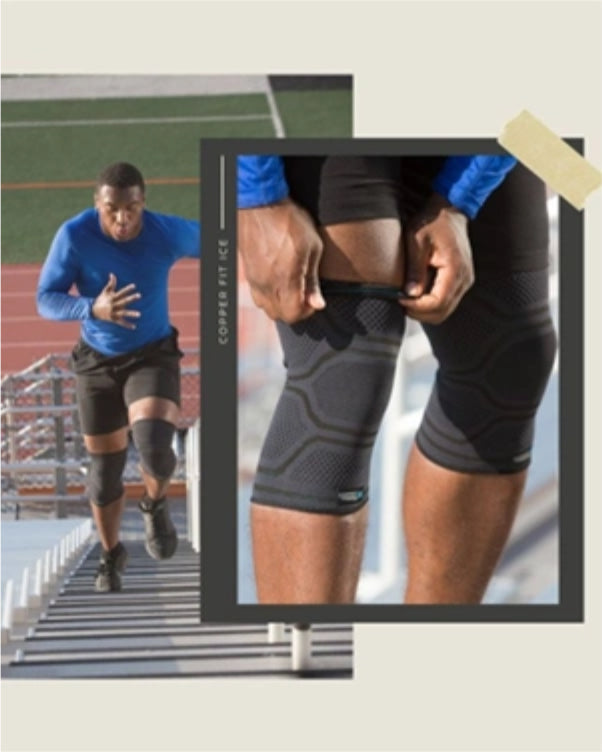
When paired with proper recovery strategies and supportive gear, such as Copper Fit compression and support products, running can become a sustainable, lifelong habit rather than a source of chronic injury.
Below, we break down 11 science-backed benefits of running, explaining exactly what running does for your body, and how to maximize those benefits while minimizing strain.
1. Improves Cardiovascular Health and Endurance
One of the most well-known benefits of running is its effect on the heart and circulatory system. Running strengthens the heart muscle, improves cardiac output, and enhances the efficiency with which oxygen is delivered throughout the body.
Over time, regular running:
- Lowers resting heart rate
- Improves blood pressure regulation
- Increases VO₂ max (your body’s ability to use oxygen efficiently)
For athletes, these adaptations translate into better stamina, faster recovery between efforts, and improved performance across sports. Even moderate, consistent running has been shown to significantly reduce the risk of cardiovascular disease.
2. Strengthens Muscles, Tendons, and Connective Tissue
Running is often thought of as “just cardio,” but it places meaningful demands on the musculoskeletal system. Each stride activates major muscle groups in the legs, hips, and core, including:
- Quadriceps and hamstrings
- Glutes and hip stabilizers
- Calves and Achilles tendon
- Intrinsic foot muscles
Over time, these tissues adapt by becoming stronger and more resilient. However, adaptation depends on proper load management. Without adequate recovery, tissues can become irritated or overworked.
This is where supportive gear, such as Copper Fit compression sleeves or knee and ankle supports, can play a role by helping stabilize joints and reduce excessive vibration during runs, especially during high-mileage or speed-focused training blocks.
3. Enhances Bone Density and Skeletal Strength
Running is a weight-bearing activity, meaning it places stress on bones in a way that encourages them to grow stronger. This mechanical loading stimulates bone remodeling, increasing bone mineral density over time.
Benefits include:
- Stronger tibias, femurs, and hips
- Reduced risk of osteoporosis later in life
- Improved skeletal resilience for impact-based sports
For athletes, stronger bones mean a lower risk of stress fractures when training volume increases gradually and intelligently.
4. Running Improves Posture and Movement Efficiency
Running can improve how your entire body moves as a system. Efficient running mechanics require upright posture, core engagement, and coordinated arm swing, all of which carry over into daily movement and athletic performance. Over time, consistent running trains your body to maintain alignment under fatigue, reinforcing better posture both during exercise and at rest.
Strong posture reduces unnecessary strain on the lower back, hips, and knees, which is especially important for athletes logging regular mileage. However, when posture breaks down, often due to muscle fatigue or joint instability, the risk of overuse injuries increases.
5. Boosts Metabolic Efficiency and Fat Utilization
Running increases your body’s ability to use both carbohydrates and fats for fuel. Over time, endurance training improves mitochondrial density in muscle cells, making energy production more efficient.
As a result:
- Your body becomes better at burning fat at lower intensities
- Blood sugar regulation improves
- Metabolic flexibility increases
This metabolic efficiency benefits not only runners but also athletes in sports requiring sustained energy output, such as soccer, basketball, and endurance cycling.
6. Supports Weight Management and Body Composition
Running is a high-energy-expenditure activity, making it an effective tool for weight management when paired with proper nutrition. Beyond calorie burn, running helps preserve lean muscle mass while reducing excess body fat.
Consistent running can:
- Increase daily caloric expenditure
- Improve insulin sensitivity
- Support long-term weight stability
7. Improves Joint Health When Done Correctly
Contrary to popular belief, running does not automatically “ruin your knees.” Research shows that recreational running is often associated with lower rates of knee pain compared to sedentary lifestyles.
Key factors that protect joint health include:
- Gradual mileage progression
- Proper footwear
- Adequate strength training
- Joint support during higher loads
Compression and stabilization products from Copper Fit can provide added confidence and support, particularly for runners returning from injury or managing recurring joint discomfort.
8. Enhances Balance, Coordination, and Neuromuscular Control
Running is a dynamic, single-leg activity that challenges balance and coordination with every step.
Over time, the nervous system adapts by improving:
- Proprioception (your awareness of body position)
- Reflexive muscle activation
- Stability during movement
These neuromuscular benefits carry over into daily life and other athletic pursuits, reducing the likelihood of falls or non-contact injuries.
9. Improves Mental Health, Focus, and Stress Resilience
Running is as much a mental workout as a physical one. Aerobic exercise stimulates the release of endorphins, dopamine, and serotonin: chemicals that regulate mood and emotional well-being.
Mental benefits of running include:
- Reduced anxiety and depressive symptoms
- Improved focus and cognitive performance
- Enhanced stress management
Many athletes also find that running builds mental toughness, teaching discipline, patience, and resilience that translate into other areas of life.
10. Running Builds Long-Term Athletic Longevity
One of the most overlooked benefits of running is its ability to support long-term athletic independence. When done correctly, running maintains cardiovascular health, muscle mass, joint mobility, and balance well into later decades of life. This makes it a powerful tool not just for performance, but for aging well.
Athletes who prioritize recovery, strength training, and joint support are far more likely to continue running (and staying active) without chronic setbacks. Instead of pushing through discomfort, runners who support their bodies are better positioned to keep moving consistently, which is ultimately what delivers the greatest physical and mental health benefits over time.
11. Accelerates Recovery and Circulation Between Workouts
While running itself is a stressor, easy or recovery runs can actually promote healing by increasing blood flow to muscles and connective tissues.
Improved circulation helps:
- Deliver oxygen and nutrients to recovering tissues
- Remove metabolic waste products
- Reduce stiffness and soreness
Copper Fit compression gear is designed to support this process by maintaining healthy circulation and helping athletes feel more comfortable during and after activity, making it easier to stay consistent with training.
How To Maximize the Benefits of Running Safely
To get the most out of running while protecting your body, athletes should focus on a few foundational principles:
- Progress gradually: Increase mileage or intensity slowly
- Prioritize recovery: Sleep, hydration, and active recovery matter
- Support your joints: Especially during high-impact or high-volume phases
- Listen to warning signs: Pain is information, not something to ignore
Supportive gear, such as Copper Fit compression sleeves, socks, and braces, can be a practical addition to a well-rounded training and recovery routine, especially for runners managing recurring soreness or returning from injury.
Frequently Asked Questions
What does running do for your body?
Running triggers positive adaptations across nearly every system in the body. It strengthens the heart and lungs, improves muscle and bone health, enhances balance and coordination, supports metabolic efficiency, and promotes mental well-being. Over time, these adaptations contribute to better performance, resilience, and long-term health.
Is running bad for your knees and joints?
For most people, recreational running is not harmful to the knees when done correctly. Research shows that gradual progression, proper footwear, strength training, and adequate recovery are key factors in protecting joint health. Many runners use compression or joint support to help manage load and feel more stable during higher-impact training phases.
How often should you run to see health benefits?
Health benefits can be seen with as little as a few runs per week, especially when running is consistent and appropriately paced. The ideal frequency depends on individual goals, fitness level, and recovery capacity. Listening to your body and allowing time for rest and recovery are essential for sustaining benefits over the long term.
Final Thoughts
Running is one of the most powerful tools for improving total-body health, athletic performance, and mental resilience. When approached intelligently and supported with proper recovery strategies, it strengthens nearly every system in the body, from the heart and bones to the brain.
Whether you’re training for competition or running for lifelong fitness, consistency, recovery, and support are what allow running to enhance your body rather than break it down.
Sources:
Running as a Key Lifestyle Medicine for Longevity | Progress in Cardiovascular Diseases
Exercise and Metabolic Health: Beyond Skeletal Muscle | Diabetologica