Key Takeaways
- Properly fitted running shoes and moisture-wicking apparel form the foundation of every successful run.
- Compression gear and joint supports can help runners manage muscle fatigue, enhance stability, and support recovery routines.
- Visibility and safety gear are essential for runners training in low-light or high-traffic environments, significantly reducing risk.
- Hydration tools and weather-appropriate layers allow runners to adapt to longer distances and changing conditions.
Running may be one of the most accessible sports, but it’s also one of the most physically demanding. Every run places repetitive stress on your joints, muscles, and connective tissue, especially as mileage, speed, or terrain difficulty increases. That’s why the right running gear matters—not as a luxury, but as a tool for performance, comfort, and long-term durability.
Whether you’re training for a race, returning from time off, or simply aiming to stay consistent, this guide covers 10 essential pieces of running gear every athlete should consider.
1. Running Shoes Designed for Your Body and Mileage
Running shoes form the foundation of every run. The wrong pair can contribute to discomfort, inefficient mechanics, and overuse issues over time.
- Proper fit with adequate toe room
- Cushioning appropriate for your mileage and surface
- Support type aligned with your gait (neutral vs. stability)
- Breathable upper materials
Shoes should feel comfortable immediately. Pain, pressure, or instability early on is a sign they aren’t the right match.
Why Shoes Matter for Injury Prevention
Each step while running generates impact forces multiple times your body weight. Well-designed running shoes help absorb shock and support natural movement patterns, reducing unnecessary strain on the knees, hips, and ankles.
Most runners should replace shoes every 300–500 miles, depending on body weight, terrain, and running style.
2. Performance Running Socks That Prevent Friction
Socks are often overlooked, yet they play a critical role in comfort, especially during longer runs.
- Moisture-wicking materials to reduce sweat buildup
- Seamless construction to prevent hot spots
- Snug fit that stays in place
- Light cushioning in high-impact areas
Blisters and irritation can derail training just as quickly as a muscle strain. Quality socks help regulate moisture and reduce friction where runners need it most.
Some athletes also choose compression socks to support the calves during long runs or wear them after training as part of a recovery routine.
3. Moisture-Wicking Running Apparel
Running apparel should support movement and temperature regulation, not distract from the run itself.
Why Fabric Choice Matters
Cotton traps moisture, becoming heavy and abrasive as sweat accumulates. Performance fabrics wick moisture away from the skin, helping runners stay cooler and reducing the risk of chafing.
Essentials Include
- Lightweight tops with breathable panels
- Shorts or tights with stretch and secure waistbands
- Flat seams to minimize irritation
Comfortable apparel allows runners to focus on pacing, form, and breathing instead of constant adjustments. Remember: always dress for the weather!
4. Compression Gear for Muscle Support and Stability
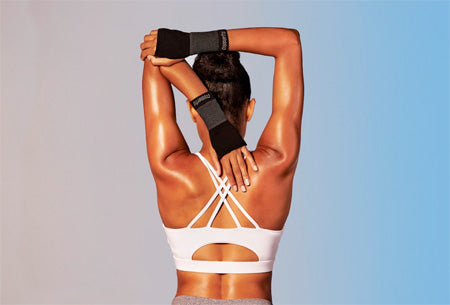
Compression gear has become increasingly popular among runners of all levels, particularly those logging higher mileage or managing muscle fatigue.
How Compression Supports Runners
- Helps limit excessive muscle vibration during impact
- Supports healthy circulation during activity
- Enhances muscle awareness and stability
- Supports post-run recovery routines
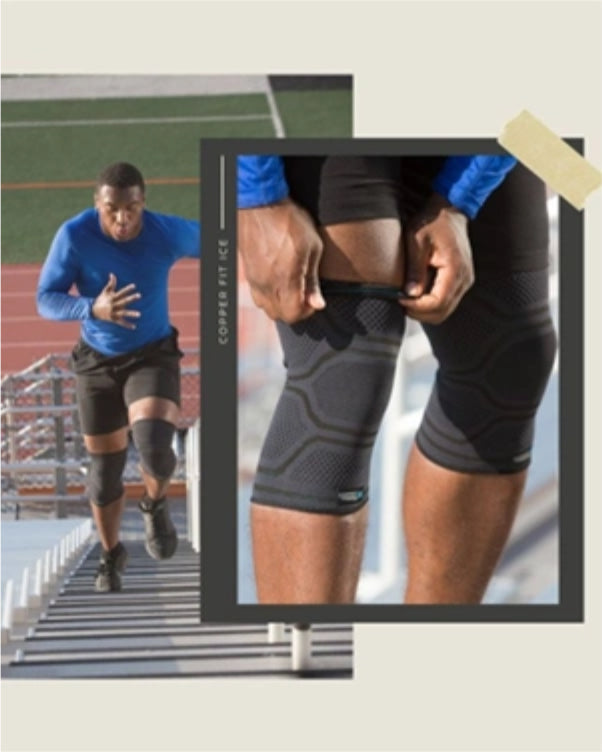
Copper Fit compression sleeves and socks are designed to deliver targeted compression without restricting movement, making them a common choice for runners during training, travel, or recovery days.
While compression isn’t a cure-all, many athletes find it helpful for maintaining comfort and consistency across demanding training cycles.
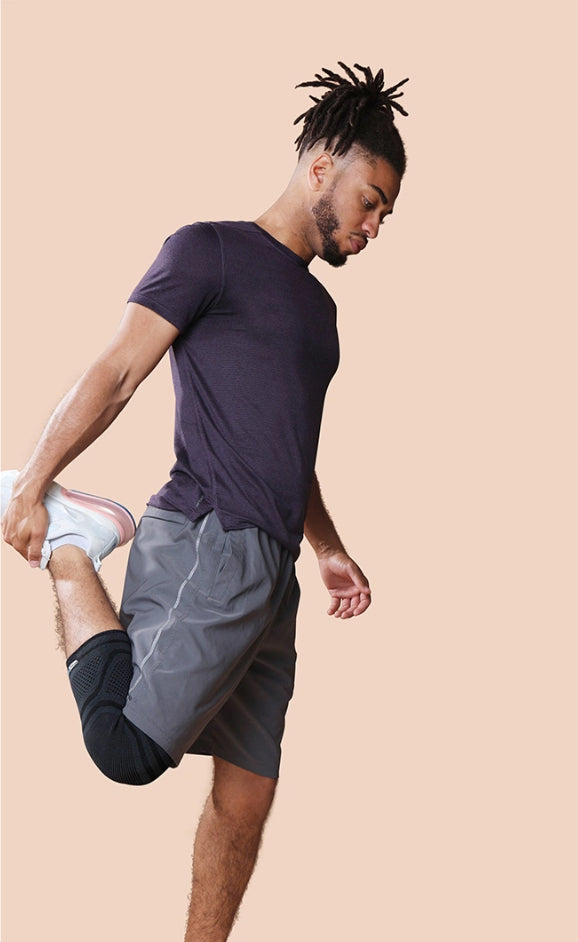
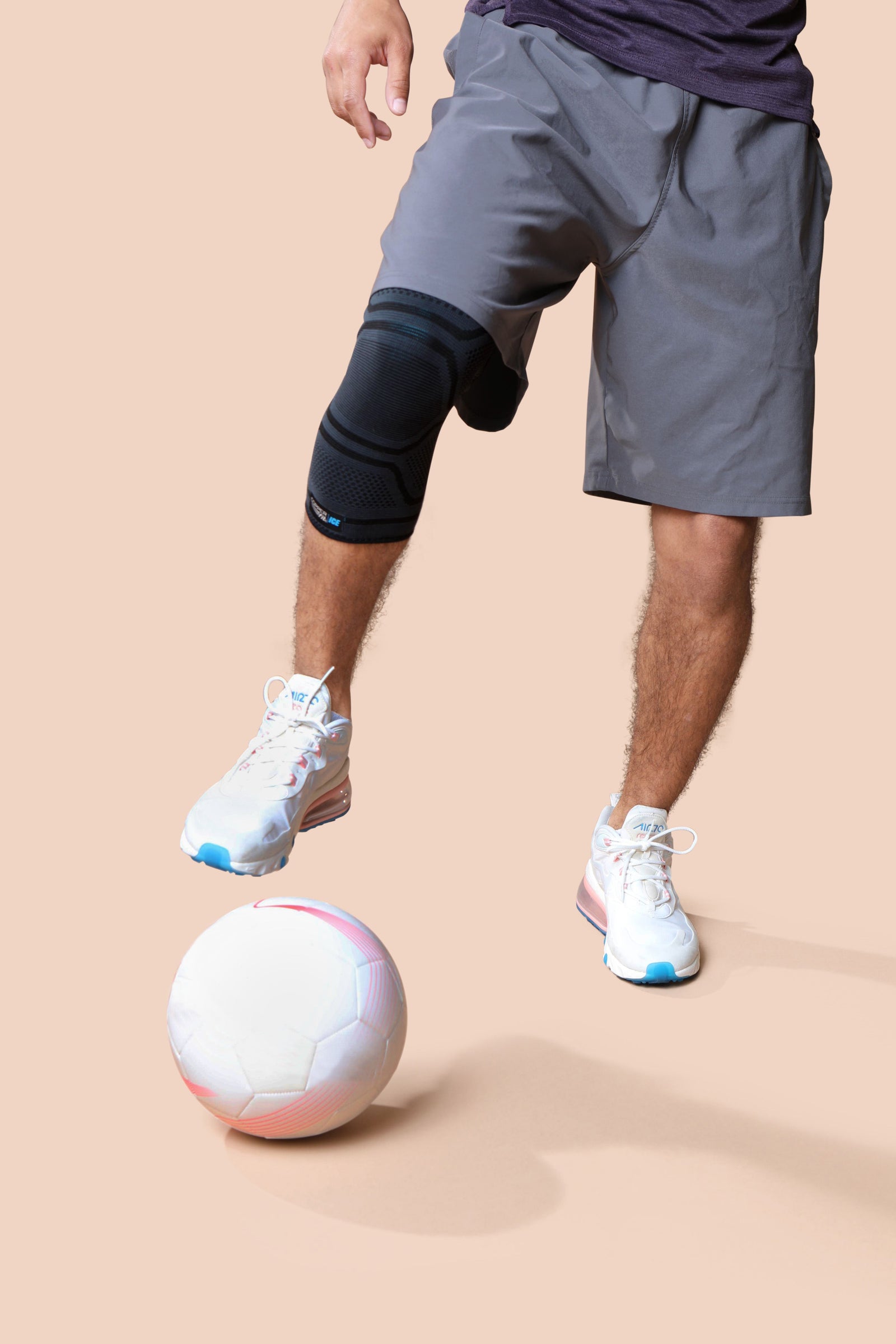
5. Knee Braces and Joint Supports
Running places repeated stress on the knees and ankles, particularly during downhill running, speed work, or uneven terrain.
When Runners Use Support Braces
- Managing mild joint discomfort
- Returning to running after time off
- Adding confidence during longer or higher-impact runs
Copper Fit knee and ankle supports are engineered to provide lightweight stabilization while allowing for a full range of motion. For runners, this balance is key: support without stiffness. Braces aren’t a replacement for proper training or professional guidance, but they can be a useful part of an athlete’s overall support system.
6. Weather-Appropriate Layers for Year-Round Running
Running doesn’t stop when conditions change. The right layers help athletes train consistently through heat, cold, wind, and rain.
Cold-Weather Running Gear
- Lightweight thermal base layers
- Wind-resistant outer shells
- Gloves, headbands, or neck gaiters
Warm-Weather Running Gear
- Highly breathable fabrics
- UV-protective materials
- Light-colored tops and caps
Layering allows runners to adapt as their body temperature changes throughout a run. Wearing several lightweight layers means that you will be prepared no matter what happens out there. This is especially important for runners training longer distances and spending more time in the elements.
7. Hydration Gear for Longer Runs
Hydration becomes increasingly important as run duration and intensity increase. Even mild dehydration can affect performance and recovery.
Common Hydration Options
- Handheld bottles for short to mid-length runs
- Hydration belts with storage pockets
- Lightweight vests for long-distance or trail runs
The best hydration gear minimizes bounce and allows easy access without breaking stride. One thing to keep in mind: The latest trending water bottle might be great to bring to the office, but not so much to bring to the streets and the trails on your next run. Focus on finding something lightweight and portable.
8. Running Watches and Tracking Technology
While not required, tracking tools can provide valuable insights when used correctly.
What Runners Track
- Distance and pace
- Heart rate trends
- Cadence and stride consistency
- Elevation gain
Used thoughtfully, data can help athletes adjust training intensity, monitor fatigue, and avoid overtraining. Plus, fitness tech gear is just plain fun!
9. Visibility and Safety Gear
For runners training early in the morning or after dark, visibility is a critical safety consideration.
Essential Visibility Gear for Runners
- Reflective apparel and accents: Look for clothing with 360-degree reflectivity, including strips on the front, back, and sides. Reflective elements on moving joints are especially effective because motion draws attention.
- LED safety lights: Clip-on lights, chest lights, or armbands with LEDs increase visibility far beyond reflective materials alone. Many runners use a white light in front and a red light in back to signal direction of movement.
- High-contrast colors: Bright neon shades (yellow, orange, green) are more visible during dawn, dusk, and overcast conditions than darker tones.
- Headlamps: For trail runners or poorly lit routes, a lightweight headlamp improves visibility of uneven terrain while alerting others to your presence.
Visibility gear helps ensure runners are seen by drivers, cyclists, and other pedestrians, allowing them to train with greater confidence. Safety gear also improves runner confidence. When athletes feel visible and secure, they are more likely to maintain consistent training schedules regardless of seasonal daylight changes.
10. Recovery Gear To Support Consistent Training
Recovery is where progress happens. Without adequate recovery, fatigue accumulates and injury risk increases.
Recovery Essentials for Runners
- Compression sleeves or socks post-run
- Supportive braces during light movement
- Foam rollers or massage tools
Many athletes incorporate Copper Fit compression gear into their post-run routine to support circulation and muscle comfort, helping them feel ready for their next workout. Consistency, not intensity alone, is what drives long-term improvement.
FAQs
What running gear is most important for injury prevention?
Properly fitted running shoes are the most important piece of gear for injury prevention, as they help absorb impact and support natural movement. However, supportive apparel, compression gear, and joint supports can also play a role in managing stress on the body and maintaining consistency.
Do runners really need compression gear or braces?
Compression gear and braces are not mandatory for every runner, but many athletes use them to support muscle stability, circulation, and joint confidence, especially during higher mileage, recovery periods, or when returning from time off. They can be a helpful supplement to proper training and recovery habits.
How often should running gear be replaced?
Running shoes typically need replacement every 300–500 miles, depending on usage and terrain. Apparel, socks, and compression gear should be replaced when they lose elasticity, cushioning, or support. Regularly assessing gear condition helps runners maintain comfort and reduce unnecessary strain over time.
Final Thoughts: Gear That Works With Your Body
Running gear isn’t about looking the part. It’s about supporting the physical demands of the sport. The right equipment helps athletes train more comfortably, recover more efficiently, and stay consistent over time.
From properly fitted shoes to supportive compression and braces, each essential plays a role in protecting the body mile after mile. Copper Fit’s performance-driven support and compression gear is designed to move with athletes, helping runners feel supported during runs and better prepared for recovery afterward.
When your gear works with your body, every run becomes more sustainable and more enjoyable.
Sources:
Perceptions of Running Performance: The Role of Clothing Fit | The Sport Journal