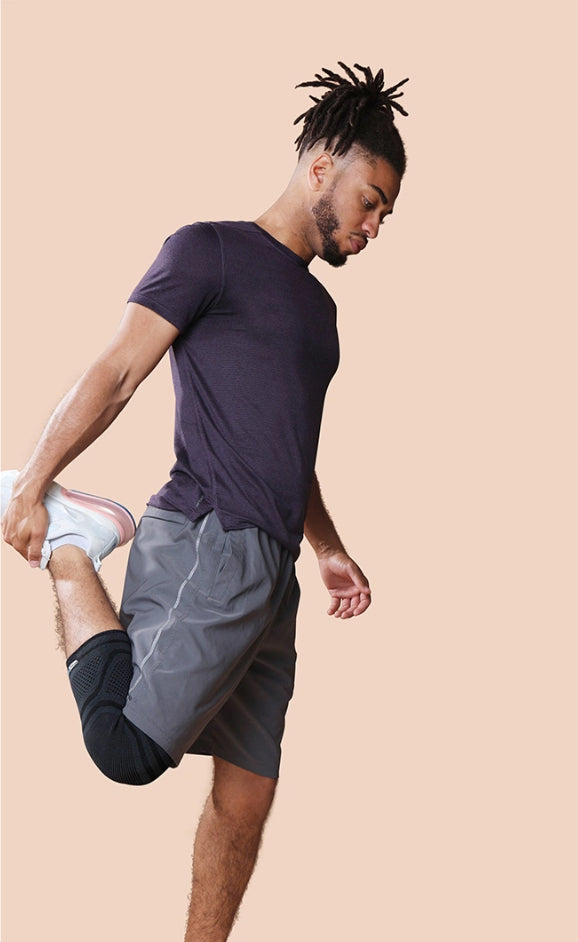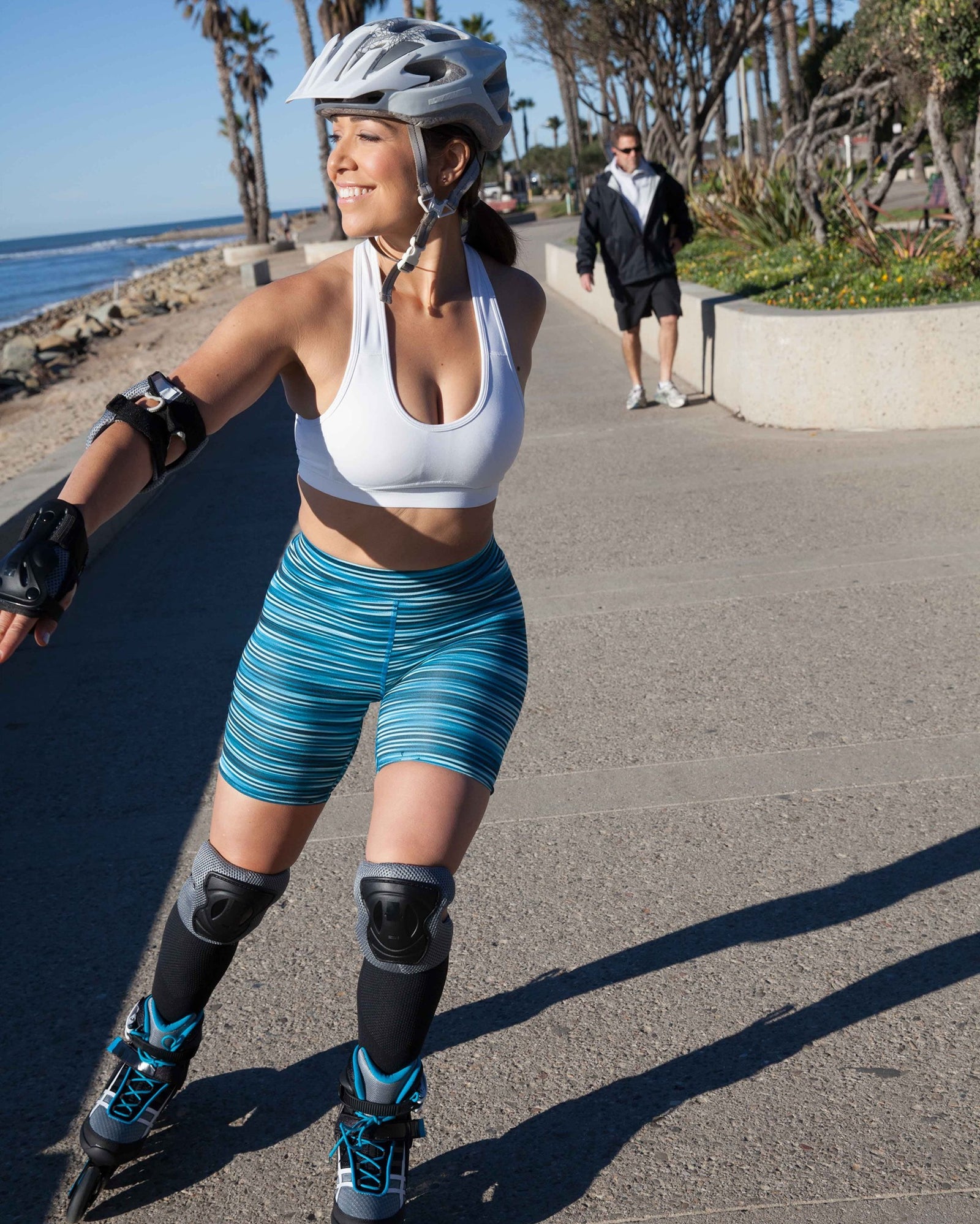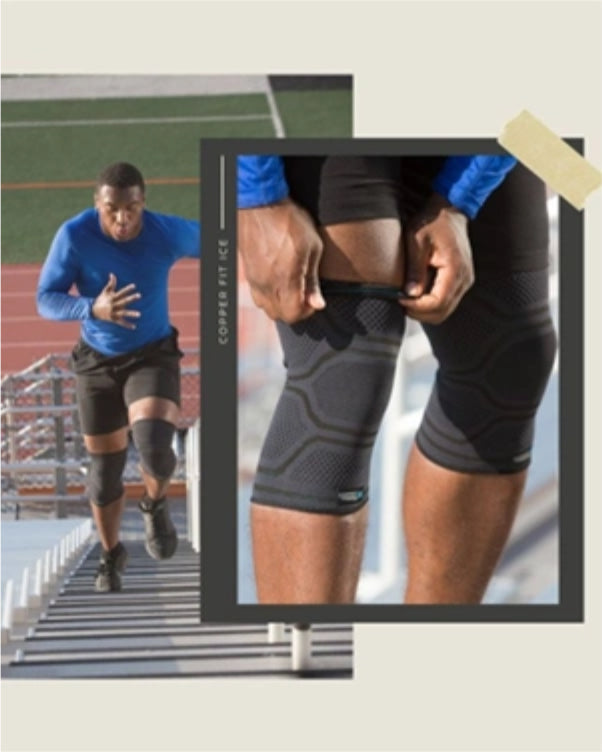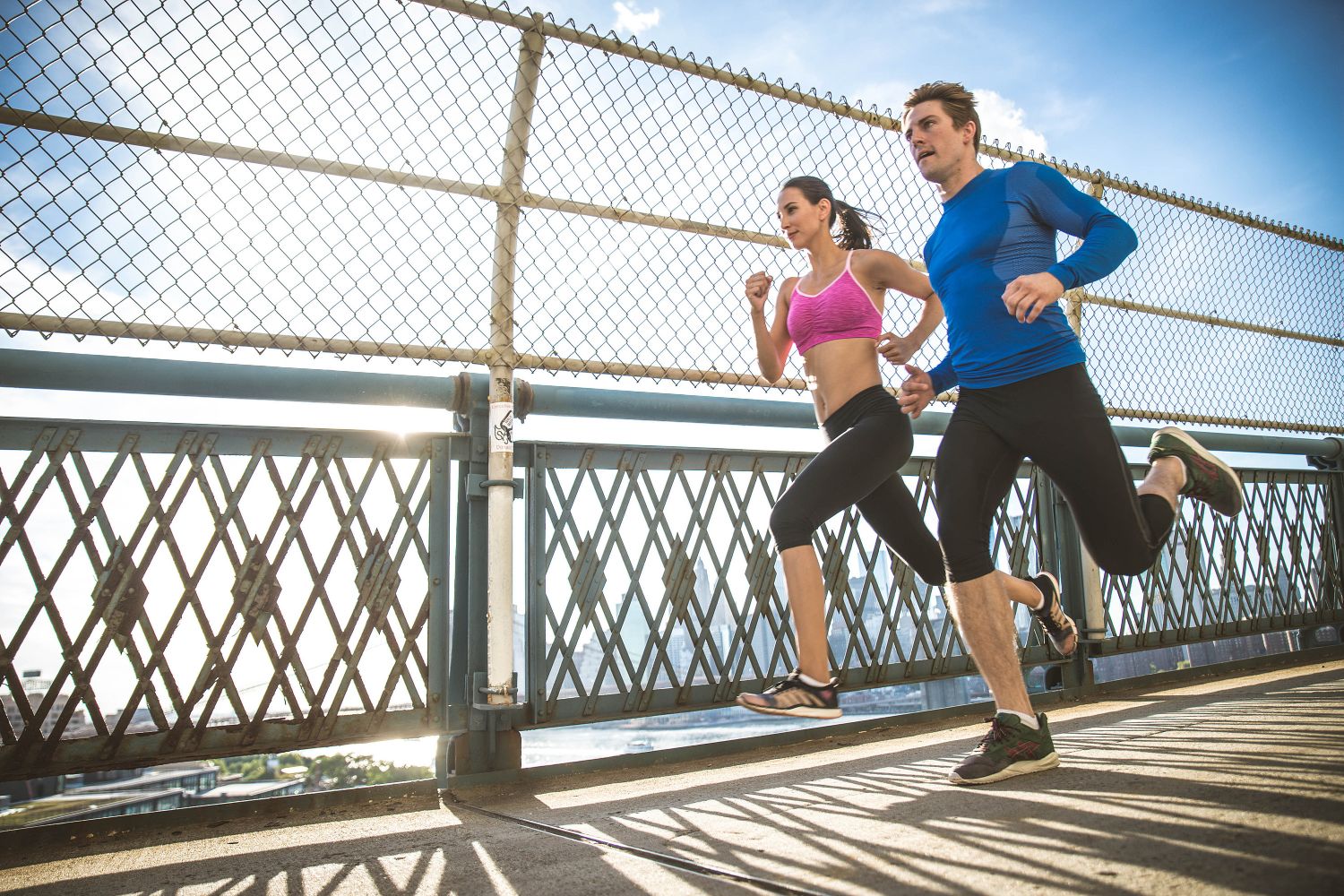
Running is one of the most rewarding things you can do for your body. It is also one of the most demanding activities your knees will ever face. The good news? The right knee brace can keep you moving, training, and feeling your best.
This guide walks you through everything you need to know to find the support that fits your body, your goals, and your specific concerns.
The Reality of Knee Injuries in Runners: What the Numbers Say
Knee discomfort is not a niche problem for runners. It is one of the most common reasons active people get sidelined.
Here is what the research says:
-
Knee injuries are the most frequently affected joint among runners, with recreational runners experiencing injury rates between 37% and 56% per year .
-
Patellofemoral pain syndrome, commonly called "runner's knee," affects an estimated 16% to 25% of runners , with a lifetime prevalence of 16% in male high school runners and 21% in female high school runners.
-
Approximately 50% of runners experience an injury each year, with the knee being the most commonly affected site.
-
Research confirms that peak knee joint load during running reaches roughly eight times body weight per stride , compared to about 2.7 times body weight during walking, meaning every mile compounds significant cumulative force on the joint.
Next, let's explore what these numbers mean for your gear choices and why a quality knee brace is one of the smartest tools in a runner's kit.
Understanding Why Runners Can Benefit from a Knee Brace
A knee brace is one of the most practical investments a runner can make. At its core, a knee brace is a wearable support device designed to stabilize the joint, help soothe discomfort, and support your body's natural recovery process during and after physical activity.
Runners commonly reach for knee support in these situations:
-
Managing existing soreness or tension that flares up during or after runs
-
Supporting a knee that feels unstable or is returning to activity after an injury
-
Adding a preventive layer of support during high-mileage training blocks
The decision to use a running knee brace often comes down to one thing: staying in motion. Proper support can be the difference between a training setback and consistent progress toward your goals.
How To Assess Your Knee Support Needs Before You Shop
Before selecting any knee support for running, it pays to take an honest look at what your knee actually needs. This step saves you from buying the wrong product, regardless of how well-reviewed it may be.
Start by asking yourself these questions:
-
Where exactly is the discomfort? Is it diffuse across the knee, centered around the kneecap, or localized to one side?
-
Is the issue something new, or has it been building over time?
-
Are you managing existing soreness, or looking for preventive support going forward?
As a general rule, match the severity of your symptoms to an appropriate level of support. Mild, occasional tension may respond well to a compression sleeve, while feelings of instability or post-injury recovery typically call for more structured bracing.
Types of Running Knee Braces: Which One Is Right for You?
Understanding the different categories of knee braces helps you match your specific concern to the right solution. Here is a breakdown of each type, what it does, and who it is best suited for.
|
Brace Type |
Support Level |
Best For |
Key Features |
|
Compression Sleeve |
Mild |
General soreness, preventive support, mild swelling |
Even compression, warmth, and proprioceptive feedback |
|
Patella Stabilizer |
Mild to Moderate |
Runner's knee, kneecap tracking issues |
Targeted kneecap alignment and guidance |
|
Hinged Brace |
Moderate to High |
Ligament instability, post-injury return to running |
Side-to-side and rotational motion control |
|
Unloader Brace |
Moderate to High |
One-sided joint degeneration |
Weight redistribution away from the affected area |
|
Kinesiology Tape |
Minimal |
Light, temporary support or supplement to other bracing |
Flexible, lightweight, full range of motion |
Compression Sleeves
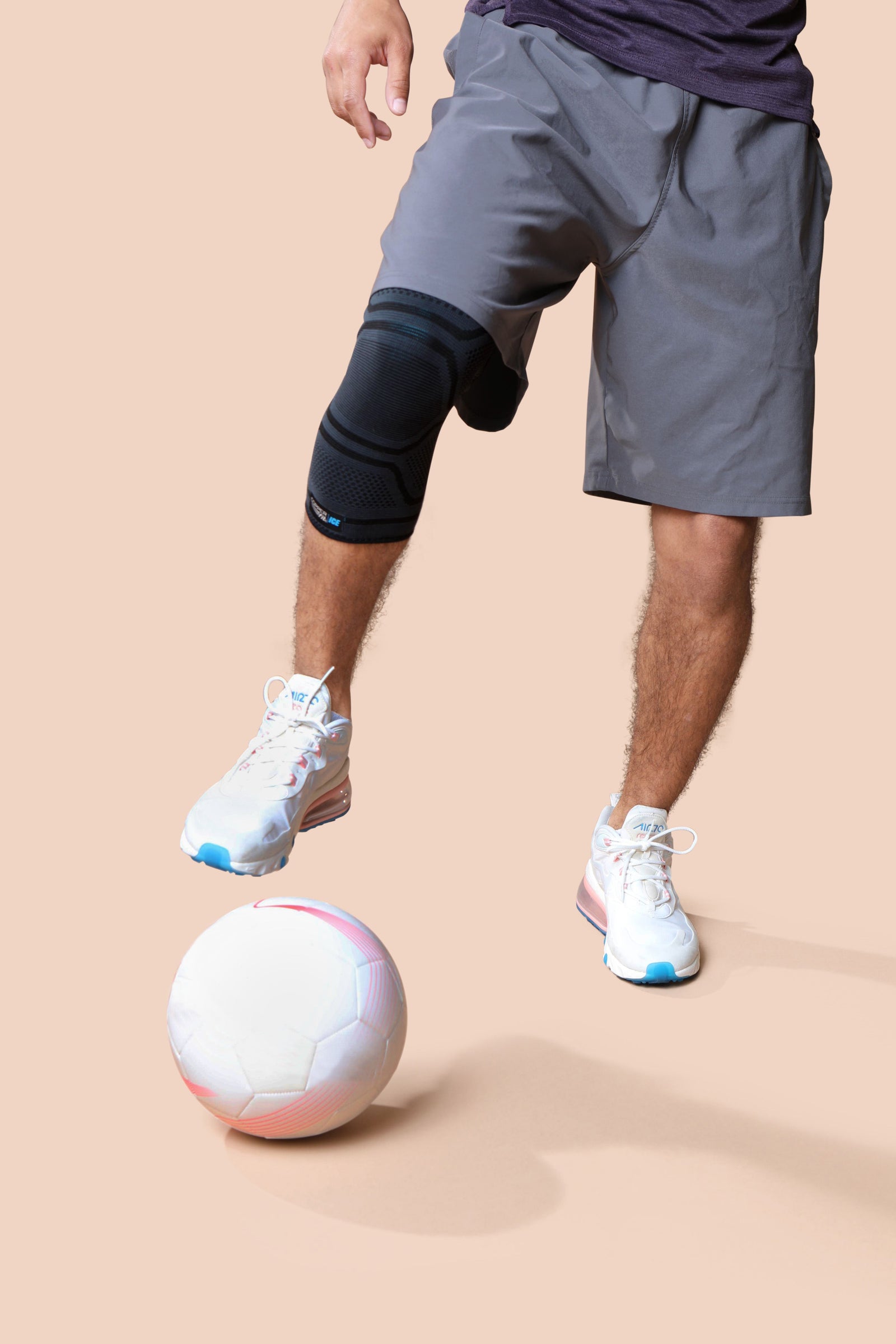
Compression sleeves are the go-to choice for most recreational runners, and for good reason. A compression sleeve is a snug-fitting elastic garment that applies consistent, gentle pressure around the knee to help support healthy blood flow and soothe general soreness. These sleeves are ideal for diffuse knee discomfort, mild swelling, and everyday recovery support.
Copper Fit's compression knee sleeves feature copper-infused fabric to help reduce odor, moisture-wicking technology to keep you comfortable during long runs, and a seamless knit that moves with your body rather than against it.
Patella-Stabilizing Supports
For runners dealing with discomfort around or behind the kneecap, a patella stabilizer addresses the root issue directly. A patella stabilizer is a brace or strap system designed to guide the kneecap through its proper movement, helping reduce misalignment during repetitive running.
This type of support is especially useful if your discomfort tends to worsen during downhill running, stair descent, or after sitting for long periods with your knees bent.
Hinged Braces
Hinged braces offer the highest level of structural support and are typically reserved for runners dealing with significant instability or returning to activity after a ligament injury. A hinged knee brace, like our Natural Motion Knee Brace , features mechanical hinges that allow normal flexion and extension while limiting sideways or rotational movement that could cause further setbacks.
Be cautious of defaulting to a hinged brace for everyday training runs. Their added bulk and weight can affect your natural stride, making them best suited for specific recovery phases or challenging terrain.
Unloader Braces
Unloader braces serve a specialized purpose. An unloader brace is engineered to redistribute body weight away from a specific area of the knee joint, making it most beneficial for runners with one-sided joint issues. While not a common solution for the average runner, they can be a meaningful option for those who want to stay active despite more significant structural concerns.
Kinesiology Tape and Wraps
Kinesiology tape is a flexible, elastic therapeutic tape that provides light stabilization without restricting natural movement. It works well as a minimal support option or as a complement to other bracing during high-demand training sessions.
Injury-Specific Knee Brace Recommendations for Runners
In short, not every knee concern calls for the same solution. Here is a practical guide to matching common running-related issues with the right type of support.
Runner's Knee (Patellofemoral Pain Syndrome)
The best fit here is a patella stabilizer or a compression sleeve with a patellar cutout. These options help guide the kneecap and soothe the tension that builds up around the joint during repetitive impact.
IT Band Syndrome
A compression sleeve combined with targeted stretching and recovery work is typically the most effective approach. The sleeve helps support healthy circulation and keeps the area warm during activity, which can ease the tension associated with IT band tightness.
Patellar Tendon Soreness
A patellar tendon strap or an infrapatellar brace applies focused compression below the kneecap to help reduce stress on the tendon during runs. Copper Fit's compression sleeves can also provide supportive relief for mild cases.
General Post-Run Soreness and Swelling
A standard compression sleeve is a reliable tool here. Wearing one during and after runs helps support circulation and the body's natural recovery process. Pairing it with Copper Fit's hot and cold therapy wraps after activity can further help soothe residual tension.
Ligament Instability or Post-Surgical Recovery
A hinged brace is the appropriate choice for runners with significant instability or for those returning to activity after surgery. This level of support provides the structural stability needed to build confidence and protect the joint as strength returns. Always follow your healthcare provider's guidance on brace selection during recovery.
Copper Fit vs. Leading Competitors: How Do They Compare?
For runners evaluating their options, here is an honest side-by-side look at how Copper Fit stacks up against two other well-known brands in the running brace category.
|
Feature |
Copper Fit |
McDavid |
Bauerfeind |
|
Primary Technology |
Copper-infused compression, moisture-wicking, seamless knit |
HEX padding, neoprene compression |
Medical-grade knit, Omega pad stabilization |
|
Odor Control |
Yes, copper-infused fabric naturally reduces odor |
Limited |
Limited |
|
Hot and Cold Therapy Options |
Yes, available across the product line |
No |
No |
|
Moisture-Wicking |
Yes |
Partial, varies by model |
Yes |
|
Compression Style |
Even, wraparound compression |
Compression with padded protection zones |
Anatomically contoured compression |
|
Best For |
Everyday runners, recovery, general active use |
Contact sports, impact protection |
Clinical recovery, post-surgical use |
|
Price Point |
Affordable to mid-range |
Mid-range |
Premium |
|
Availability |
Mass retail and online |
Sporting goods stores and online |
Specialty medical and online |
For runners who want reliable, everyday support at an accessible price point, Copper Fit delivers a combination of copper-infused comfort, odor resistance, and recovery-friendly technology that is tough to beat.
McDavid skews toward impact sports with more padded protection, while Bauerfeind caters to clinical and post-surgical use cases at a significantly higher price.
How To Measure Your Knee for the Right Fit
A properly fitted knee brace is non-negotiable. The wrong size can reduce effectiveness and create new problems, including slipping, pressure points, or restricted circulation.
Follow these steps to measure accurately:
-
Use a soft measuring tape to measure the circumference of your knee at its widest point, typically just above the kneecap.
-
Measure while standing so your leg reflects the natural shape it holds during weight-bearing activity.
-
Compare your measurement to Copper Fit's sizing chart for the specific brace model you are considering, as sizing can vary by design.
-
Test the fit while wearing your typical running gear to confirm compatibility with your usual shorts and footwear.
A well-fitted brace should feel supportive from the first wear, with no uncomfortable pinching, excessive indentation, or need for a "break-in" adjustment period.
Key Features To Look for in a Running Knee Brace
Not all knee braces are built the same. These are the features that matter most to runners.
Material and Breathability
Running generates significant heat and moisture. Look for materials that wick moisture away from the skin and allow airflow during longer sessions. Copper Fit's proprietary seamless knit is engineered to provide support without trapping heat or causing chafing.
Copper Infusion
Copper Fit's copper-infused fabric is clinically shown to reduce odor, keeping your gear fresher through long training blocks. This is one of the brand's standout advantages for runners who wear their gear frequently.
Compression Level
Match the compression level to your needs. Mild compression is suitable for general support and prevention; moderate compression is better suited for tracking issues and mild instability; and advanced support is reserved for structural concerns or post-injury recovery.
Durability and Washability
Look for reinforced stitching and materials that hold their shape and elasticity through repeated washing. Copper Fit braces are built to maintain their supportive properties over time, making them a reliable long-term training companion.
How To Apply and Wear Your Knee Brace for Best Results
Proper application matters as much as product selection. Follow this process to get the most out of your brace:
-
Apply the brace while standing to ensure even compression and proper alignment with your knee's natural contours.
-
Run through typical movements, such as squatting, jogging in place, and mimicking your running stride, to check for any slipping, bunching, or pressure points.
-
Adjust straps or positioning as needed to achieve a secure, comfortable fit that supports without over-restricting.
For optimal results, wear your brace primarily during high-impact activity and remove it during rest periods to let your skin breathe. This approach maximizes therapeutic benefit while keeping your skin healthy in the long term.
When To Talk to a Healthcare Professional
Knee braces are powerful tools, but they are not a substitute for professional medical care when a situation calls for it.
Seek guidance from a healthcare provider if you experience any of the following:
-
Severe or progressively worsening discomfort that does not respond to rest and support
-
Frequent feelings of the knee buckling or giving way during activity or daily movement
-
A post-surgical recovery situation where proper brace selection is critical to healing
Copper Fit products are designed to support your body's natural recovery process, but they work best as part of a well-rounded approach to knee health. When in doubt, consult a professional.
Frequently Asked Questions
How do I choose the right size Copper Fit knee brace for running?
Measure the circumference of your knee at its widest point while standing, then cross-reference with Copper Fit's sizing chart for your specific brace model. The right fit provides snug compression without cutting off circulation or leaving indentations.
What are the key benefits of using a Copper Fit knee brace during running?
Copper Fit knee braces help stabilize joints, soothe soreness with targeted compression, support healthy blood flow, and naturally reduce odor with copper-infused materials.
Can I wear a Copper Fit knee brace all day, not just while running?
Yes. Copper Fit's moisture-wicking, breathable materials make their braces comfortable for all-day wear. That said, removing the brace during extended rest periods allows your skin to breathe and stay healthy over time.
How does copper-infused fabric actually help runners?
Copper-infused fabric is proven to reduce odor, making it a significant advantage for runners who train frequently or wear their gear for extended periods. The copper infusion also supports material durability and freshness over time.
The Bottom Line
Here at Copper Fit , we know what it feels like to push through soreness and tension, mile after mile. That is why we engineer every knee sleeve, brace, and wrap with one goal in mind: keeping you moving.
Whether you are managing post-run tightness or building back after an injury, our copper-infused compression technology is designed to help soothe discomfort, support healthy circulation, and keep up with your active life.
You’ve put in the work. We’re here to help your body recover for the next run.
Sources:
Patellofemoral Pain | Journal of Orthopaedic & Sports Physical Therapy
A systematic review of running-related musculoskeletal injuries in runners | PMC
Why don't most runners get knee osteoarthritis? A case for per-unit-distance loads | PubMed