A meniscus tear is one of the most common knee injuries athletes face. It can happen in basketball, soccer, running, skiing, or any sport that involves sudden changes in direction, pivoting, or jumping. A torn meniscus doesn’t just put you on the sidelines physically; it’s also mentally and strategically disruptive to a training schedule or competitive season.
Understanding the timeline for recovery and the factors that influence return to activity helps athletes set realistic expectations, stick with rehab, and avoid setbacks that come from returning too soon.
In this article, we’ll break down typical recovery timelines, explain how treatment choice affects healing, outline what to expect in rehab, and provide guidance on safely returning to sports, all in a way that’s clear, practical, and grounded in evidence.
What Is a Meniscus Tear?
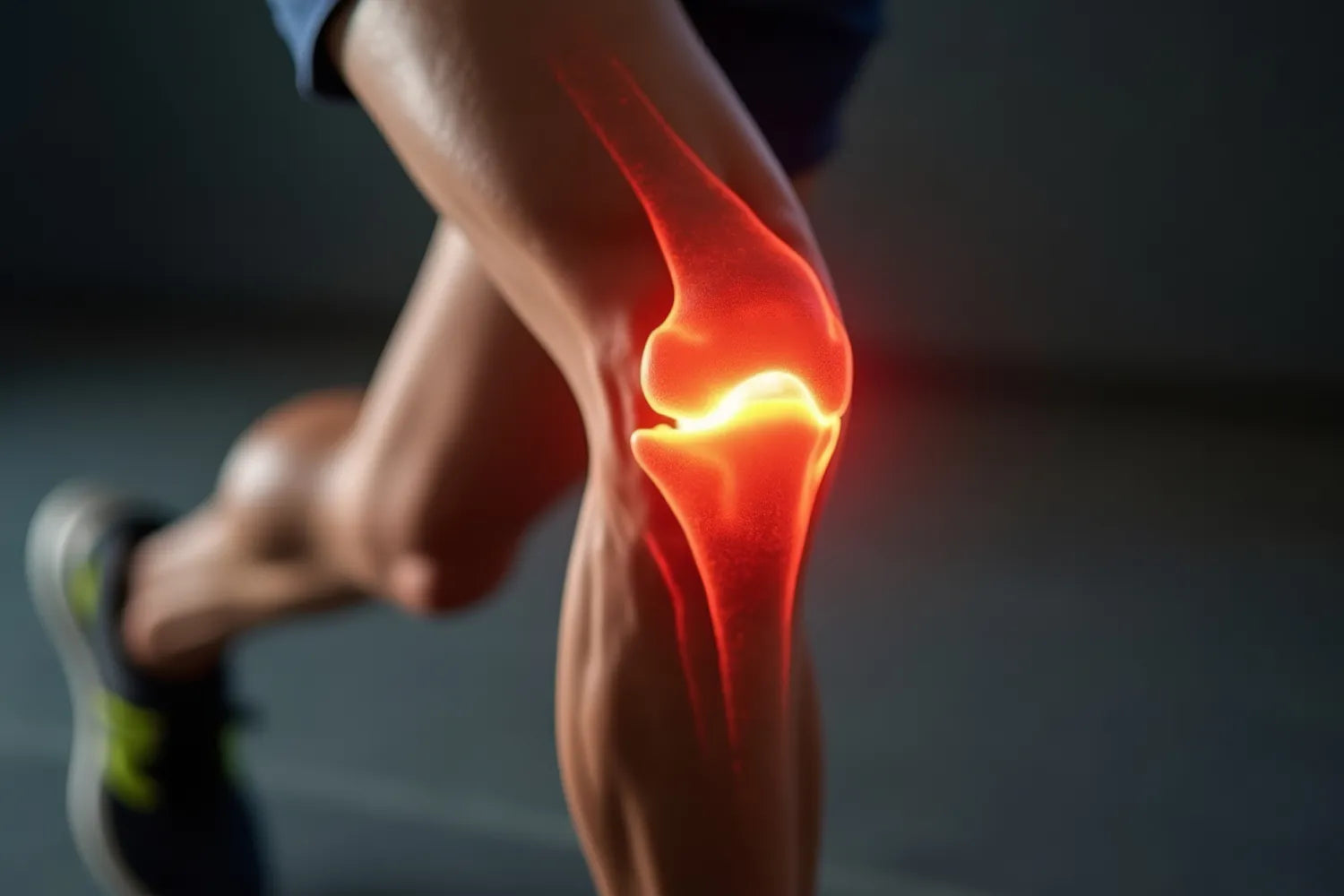
Your knee has two C-shaped pieces of cartilage called menisci (singular: meniscus) that act as shock absorbers between the thighbone and shinbone. They help distribute weight and stabilize the joint. A tear happens when that cartilage is injured, often from forceful twisting, sudden stops, or direct impact while the foot is planted.
Meniscus tears vary in severity and location. Some are small and heal on their own, while others cause significant pain, swelling, and limited range of motion. In athletes, the quick, repeated stress of training and competition sets meniscal injuries apart from degeneration-related tears seen in older populations.
Recovery Without Surgery: Conservative Healing
Not every meniscus tear requires surgery. Many tears, especially those on the outer edge of the meniscus where there’s more blood flow, can heal with conservative care.
Treatment typically includes:
- Rest and activity modification
- Ice and anti-inflammatory measures
- Physical therapy focused on strength and range of motion
For mild to moderate tears treated conservatively, recovery often takes around 6 to 8 weeks, with most people returning to everyday activities within that time frame.
The exact timeline depends on:
- The type and location of the tear
- How well the knee responds to rehabilitation
- The athlete’s age, overall fitness, and adherence to prescribed therapy
Even without surgery, professional guidance is important. A structured rehab program helps ensure muscles around the knee regain strength and flexibility, which supports long-term joint health and performance.
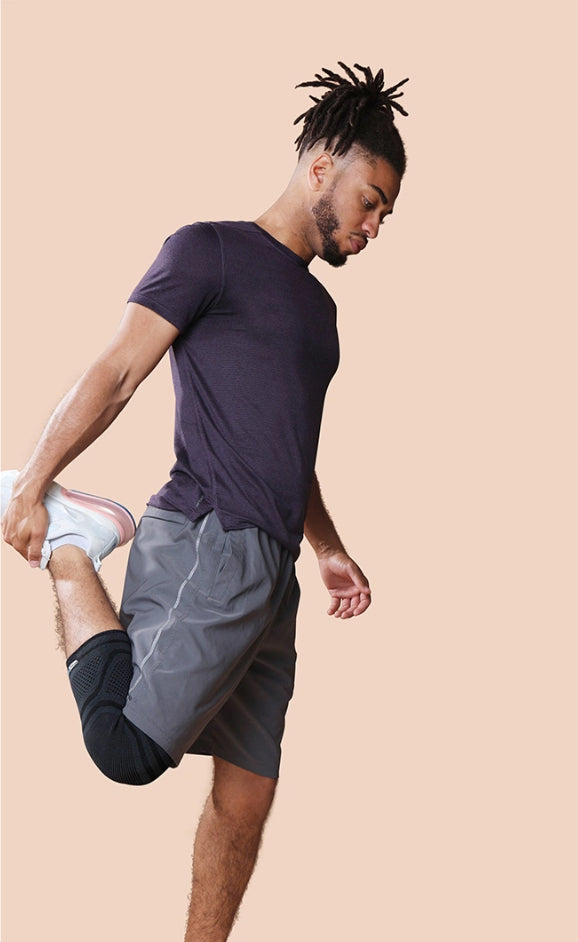
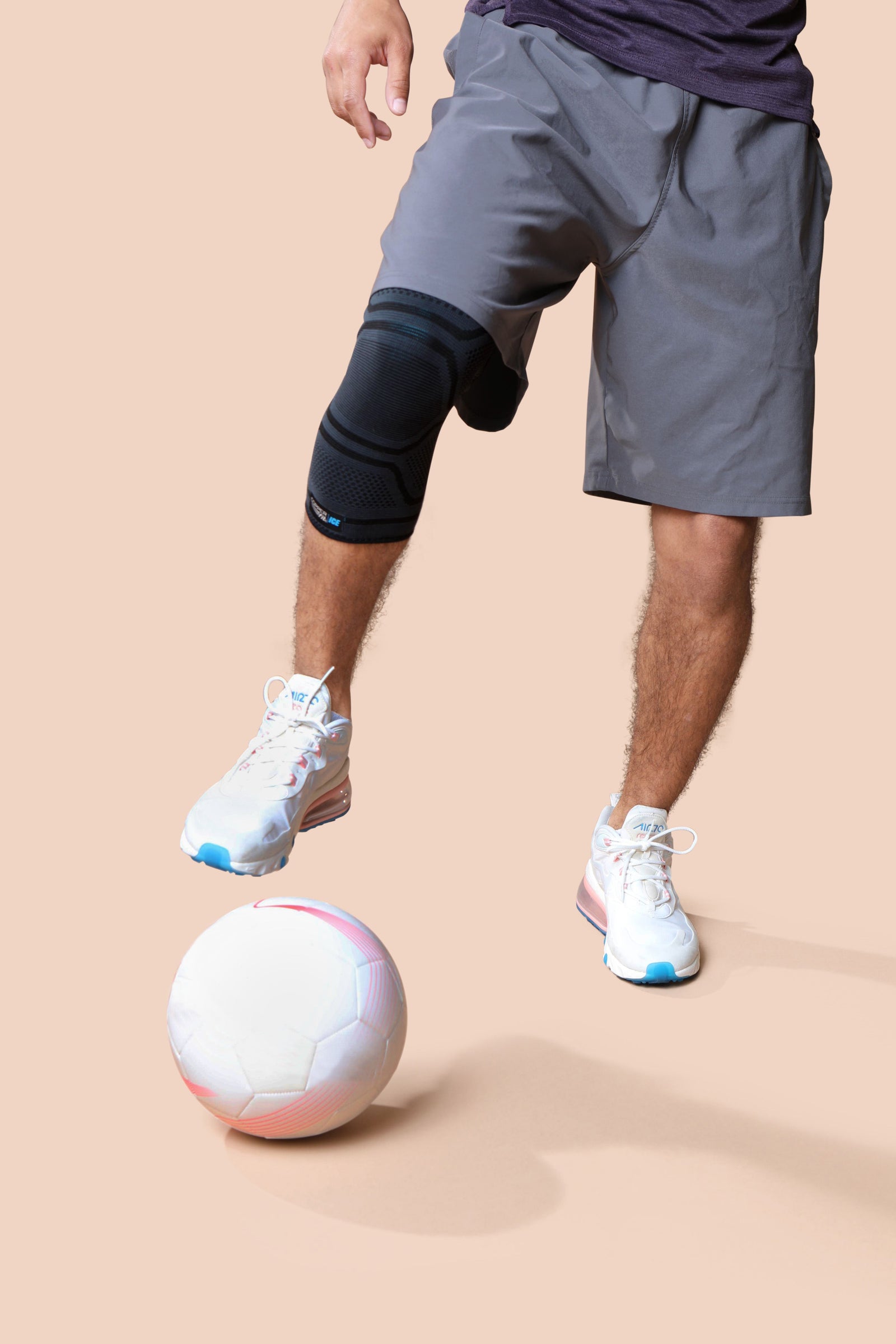
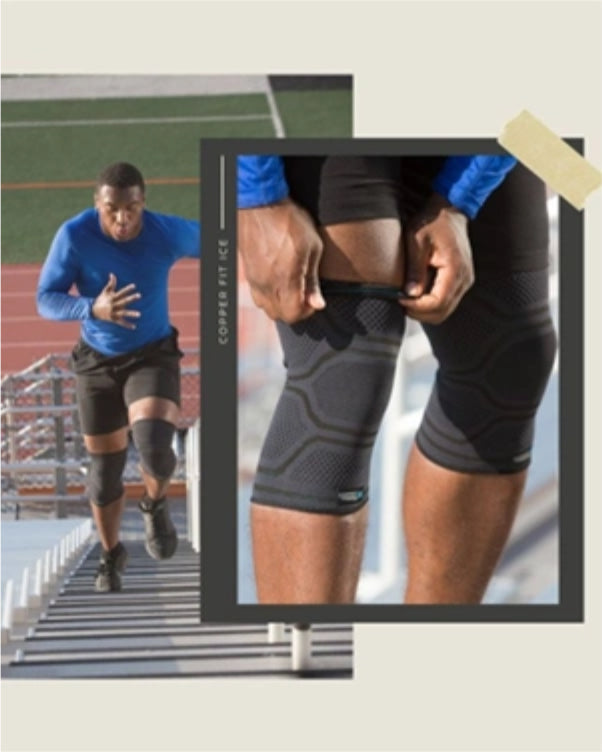
During conservative recovery, external knee support may help athletes feel more confident during daily movement and early-stage rehabilitation. Compression knee sleeves are commonly used to provide gentle support, help manage swelling, and promote proprioceptive awareness while staying active. This added stability can be especially useful when transitioning from rest back into controlled movement.
Recovery With Partial Meniscectomy
Some tears don’t heal on their own or cause symptoms that interfere with training and performance. In these cases, a surgeon may perform a partial meniscectomy: trimming the torn portion while leaving healthy meniscal tissue intact.
The advantage of this procedure is its generally shorter recovery time. Most people:
- Walk unassisted within a few days
- Gradually return to daily activities within 2–4 weeks
- Resume light exercise and low-impact sport around 4–6 weeks
- Return to full athletic activity often within 6–8 weeks after surgery with professional clearance
This timeline makes partial meniscectomy appealing for athletes seeking a quicker return, but it’s important to remember that removing tissue alters the knee’s cushioning and shock absorption. Over time, this can contribute to joint stress if not managed with strength training and good mechanics.
After a partial meniscectomy, athletes often focus on rebuilding strength and confidence in the knee during early mobility phases. Many incorporate supportive knee braces during light activity to provide compression and stability as swelling subsides and movement increases.
Recovery After Meniscus Repair
When possible, surgeons may repair the meniscus rather than remove tissue. Repair, which sutures the torn cartilage back together, preserves joint structure and may reduce the risk of long-term problems like osteoarthritis. However, preserved tissue must heal, and that takes time.
For athletes, meniscus repair usually means:
- Limited weight-bearing and use of crutches for 4–6 weeks
- Wearing a brace for stability early in recovery
- Progressive physical therapy over several months
- Gradual return to light sport-specific movements around 4–6 months
- Full return to competitive sport, often between 6 and 9 months after surgery
Many orthopedic practices set realistic expectations at around six months for athletes to resume high-demand sport activities, with continued improvement possible up to a year.
For severe damage, such as when a tear cannot be repaired, options like meniscus transplantation (using donor tissue) are rare but possible, with recovery extending even longer depending on the individual case.
What Happens in Rehabilitation?
Rehab after a meniscus injury isn’t just “waiting it out.” It’s a staged process designed to protect the healing tissue while rebuilding strength and stability.
Here’s a general snapshot:
Phase 1: Acute Response (0–6 Weeks)
- Pain management and swelling control
- Restoring safe range of motion
- Initiating light muscle activation, especially in the quadriceps
- Walking and basic mobility exercises as allowed by the care team
Phase 2: Strength and Stability (6–14 Weeks)
- Focused work on strength, particularly quads and glutes
- Balance and neuromuscular control exercises
- Gradual progression to weight-bearing normal activities
Phase 3: Sport-Specific Conditioning (14+ Weeks)
- Advanced drills such as running, cutting, and jumping (as cleared)
- Progressing speed and agility demands
- Functional movement rehearsals that mimic sport requirements
Rehab timelines should adjust based on how the knee responds. Pushing too hard before tissues are ready can increase the risk of re-injury. It’s critical to follow a gradual plan and communicate with physical therapists or sports medicine clinicians.
Return to Sport: Athletes’ Considerations
For athletes, “return to sport” doesn’t have a universal date. It’s guided by healing benchmarks, strength and neuromuscular control, and sport demands.
- Low-impact activities (like cycling) may be reintroduced around 6 months post repair.
- High-impact sports involving jumps, cuts, and pivots may take longer: often 6–9 months or more.
Commitment to rehab, listening to your body, and waiting for medical clearance reduces the chance of setbacks. Athletes who return too early often face prolonged symptoms, swelling, or instability, factors that delay full recovery.
The Role of Supportive Gear During Rehabilitation
Rehabilitation from a meniscus tear is not only about rebuilding strength but also maintaining consistency and confidence throughout recovery. Supportive gear, such as knee sleeves and braces, is commonly used during rehab sessions to provide compression, warmth, and joint awareness during movement.
For athletes easing back into activity, Copper Fit knee braces offer lightweight support that can be worn during training, physical therapy, or daily movement without limiting mobility. When used alongside a structured rehab program, supportive gear may help athletes stay engaged in recovery while managing the physical demands of progressive exercise.
Tips for a Healthy Recovery
Meniscus healing is about time and supported progress.
Athletes can optimize recovery by:
-
Following a structured rehab program that progresses in intensity gradually.
-
Building muscle strength around the knee to support stability and shock absorption.
-
Using supportive gear like braces during certain rehab phases to guard against undue stress.
-
Staying hydrated and maintaining nutrition to support tissue repair.
- Communicating regularly with physical therapists to tailor the plan as healing evolves.
Avoiding high-impact activities until cleared helps ensure that the meniscus has sufficient time to rebuild strength and resiliency.
When To Seek Professional Advice
If pain persists beyond typical recovery windows, the knee locks, or you notice instability, professional evaluation is essential. Diagnostic imaging like MRI can clarify tear severity and guide treatment.
Delaying care, especially in athletes, may allow the injury to worsen or cause secondary damage like cartilage wear, which can complicate long-term outcomes.
Frequently Asked Questions
How long before an athlete can run or jump after a meniscus tear?
Return to running or higher-impact activities is typically guided by pain, strength benchmarks, and medical clearance, often around 4–6 months for repaired tissue.
Does everyone with a meniscus tear need surgery?
Not necessarily. Some tears, especially those in areas with good blood flow, can heal with conservative treatment like physical therapy.
Can meniscus tears lead to longer-term knee problems?
If untreated or repeatedly re-injured, tears can contribute to joint issues, including early cartilage wear, which highlights the importance of proper management.
Conclusion
Meniscus tear recovery time varies widely depending on the tear’s severity, whether surgery is required, and how well rehabilitation protocols are followed.
For minor tears, recovery without surgery can take around 6–8 weeks. Partial meniscectomy offers a quicker path back, but still needs careful rehab in the first few months. Full meniscus repair typically requires a more extended plan, often six months or more of structured healing before returning to full competition.
The key for athletes is to treat recovery as a phased process, set realistic expectations, and lean into rehab programs designed for strength, mobility, and resilience. With proper care, many athletes return to sport stronger and more aware of their body mechanics, reducing the risk of future injuries.
Sources:
Treatment of Meniscal Tears: An Evidence Based Approach | World Journal of Orthopedics