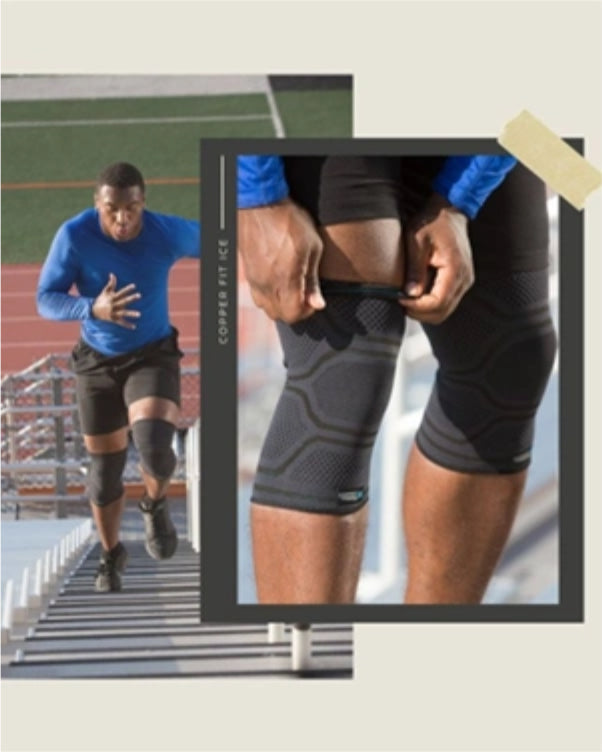
Key Takeaways
-
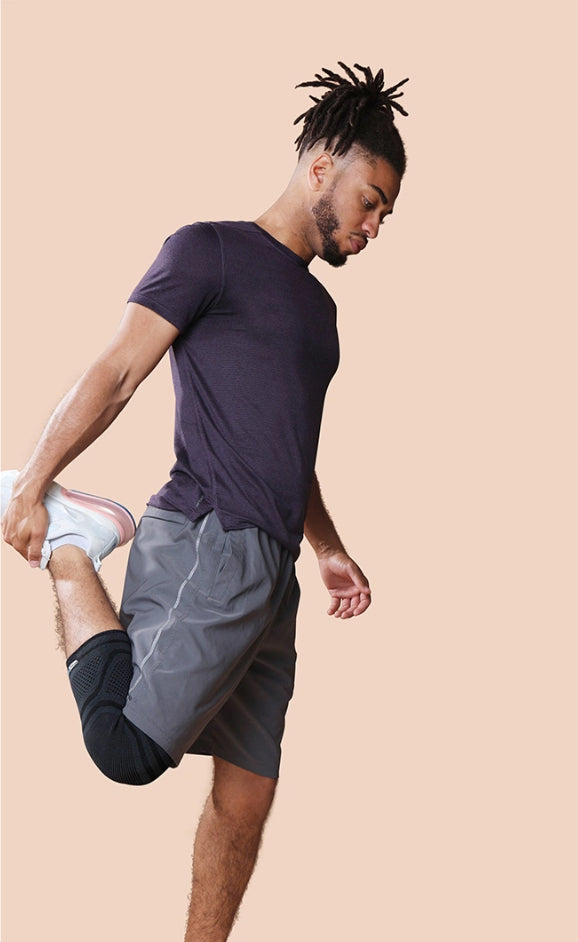
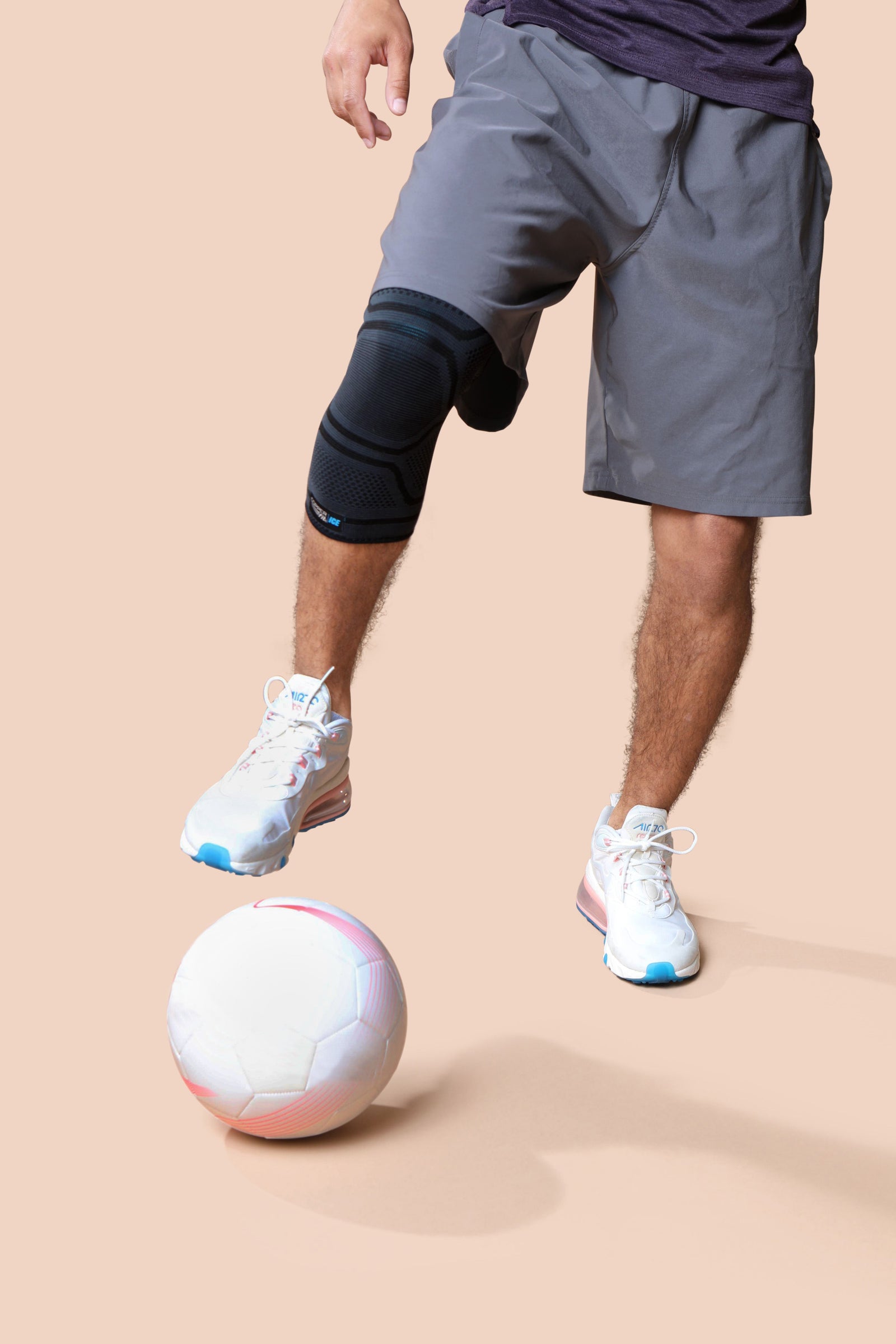
A quality ski knee brace should provide compression, flexible support, and a secure, chafe-free fit.
-
Compression supports healthy blood flow and soothes tension that builds up during repetitive motion.
-
The right fit is snug but not restrictive, and it should stay in place through movement.
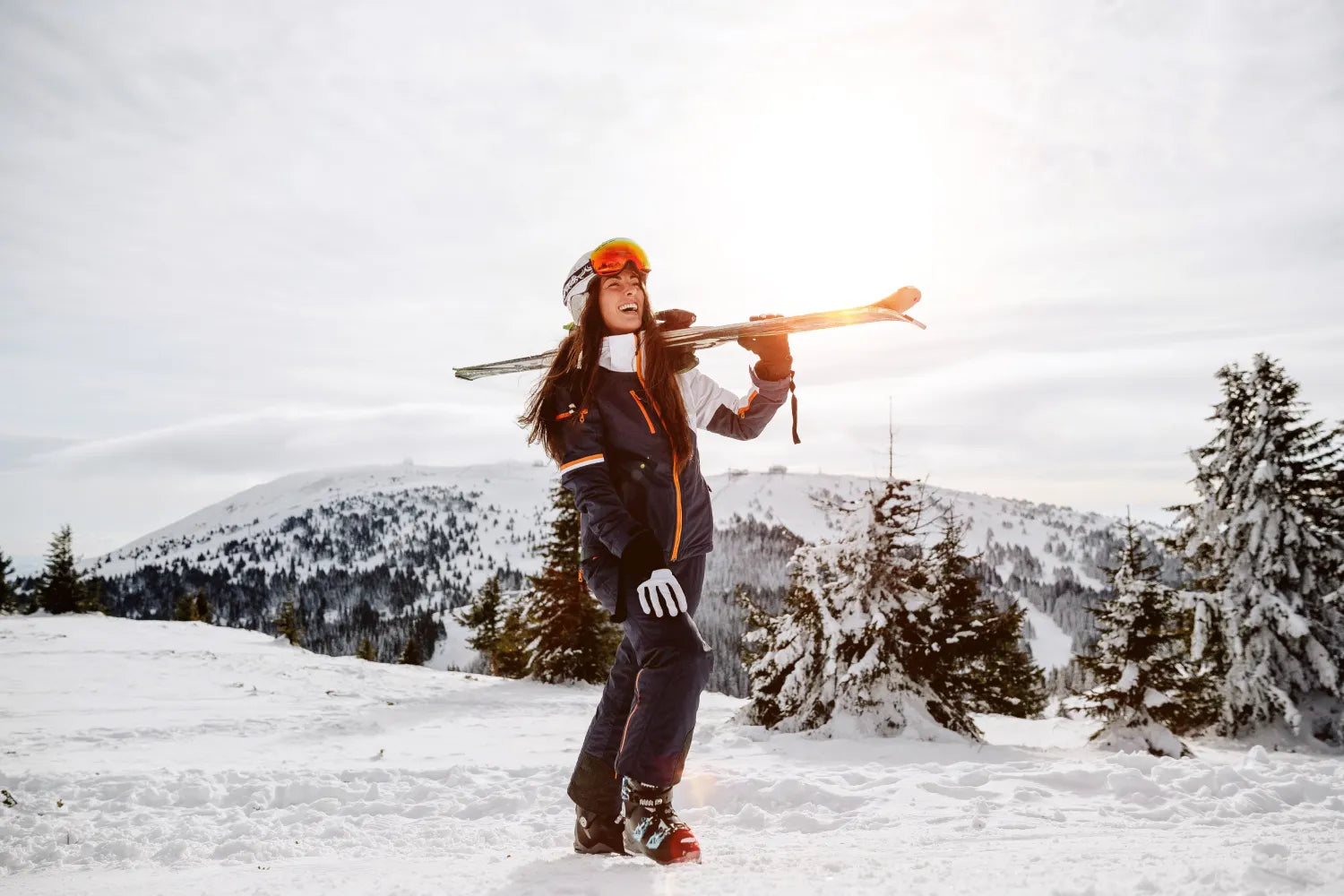
Skiing is a great winter exercise , but it also puts constant demand on your knees, from sharp turns to long stretches of flexion. A knee brace built for the slopes can help you stay supported and comfortable from the first run to the last.
Understanding the Impact of Skiing on the Knees
Skiing places repeated stress on the knee joint through constant flexion, rotation, and shifts in body weight. Each turn requires the quadriceps and surrounding stabilizing muscles to absorb impact while keeping the leg aligned, especially on uneven terrain or during quick directional changes.
Research modeling muscle and joint forces during alpine ski turns found that the outside leg carries the highest load , with the glutes, hamstrings, and thigh muscles working hardest to control each turn.
Separate research on ski biomechanics has also noted that recreational alpine skiing is associated with 2.4 to 7.0 physical incidents per 1,000 activity days, underscoring the sport's demanding nature on the body.
Over the course of a run, this repetitive motion can lead to muscle fatigue and tension building up around the joint. This means the muscles supporting the knee are working overtime to keep you stable and balanced.
That's where a properly designed knee brace comes in, providing additional support so the joint and surrounding muscles can function with less strain throughout the day.
What Should a Ski Knee Brace Actually Do?
A good knee brace for skiing supports the joint, helps ease muscle tension during repetitive motion, and keeps you comfortable through long runs. This means the brace needs to do more than just wrap around your knee. Skiing involves twisting, sudden directional changes, and sustained bent-knee positioning, all of which place ongoing stress on the joint and surrounding muscles. A brace designed for this kind of movement should move with your body, not against it.
Key Features To Look for in a Knee Brace for Skiing
The best knee braces for skiing combine compression, flexible support, and a fit that stays put without chafing.
When comparing options, look for these features:
-
Maximum support compression to help encourage circulation and support the recovery process
-
A seamless, anti-chafing knit that allows freedom of movement
-
Moisture-wicking fabric to help you stay dry during exertion
-
Copper-infused material to help reduce odor with wear
How Compression Support Helps During and After Skiing
Compression supports healthy blood flow and soothes tension that builds up from repetitive motion on the slopes.
A literature review on knee sleeve compression found that the pressure applied by a sleeve is thought to stimulate mechanoreceptors around the joint , which may improve proprioception and balance, with the clearest improvements observed in proprioception for healthy knees.
This suggests that, in addition to providing added stability, compression sleeves and knee braces may help the body better sense joint position during quick, repetitive movements like ski turns.
Frequently Asked Questions
Do I need a knee brace for skiing if I don't have an injury?
Many skiers wear a knee brace proactively to help support the joint and ease tension during long or repetitive runs.
Can I wear a knee brace under ski pants?
Yes, most compression-style braces have a slim, seamless design that layers easily under ski pants.
How tight should a ski knee brace fit?
It should feel snug and supportive without restricting circulation or movement. If it feels too tight or leaves marks, size up.
The Bottom Line
At Copper Fit , we know what it feels like to push through a full day on the mountain and still want to feel good doing it. That's why our compression sleeves and braces are built with seamless, anti-chafing knit, moisture-wicking fabric, and copper-infused material designed to help reduce odor along the way.
Whether you're a beginner finding your footing or an experienced skier logging run after run, our goal is simple: help you stay supported, stay comfortable, and keep moving toward the days you love most.
Sources:
A model for potential non-contact ski injuries of the knee | ScienceDirect
Wide Skis As a Potential Knee Injury Risk Factor in Alpine Skiing | PMC
Biomechanical and functional efficacy of knee sleeves: A literature review | ScienceDirect