Key Takeaways
-
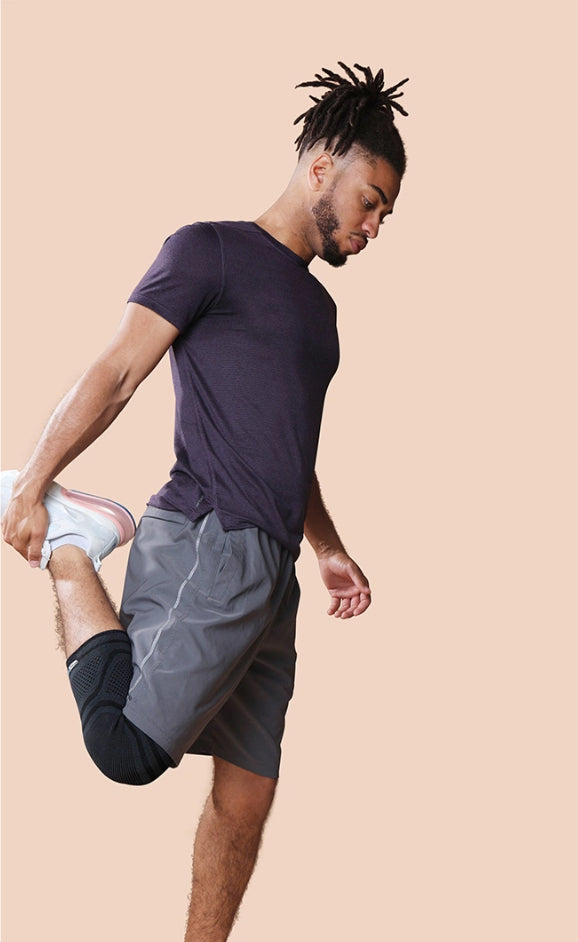
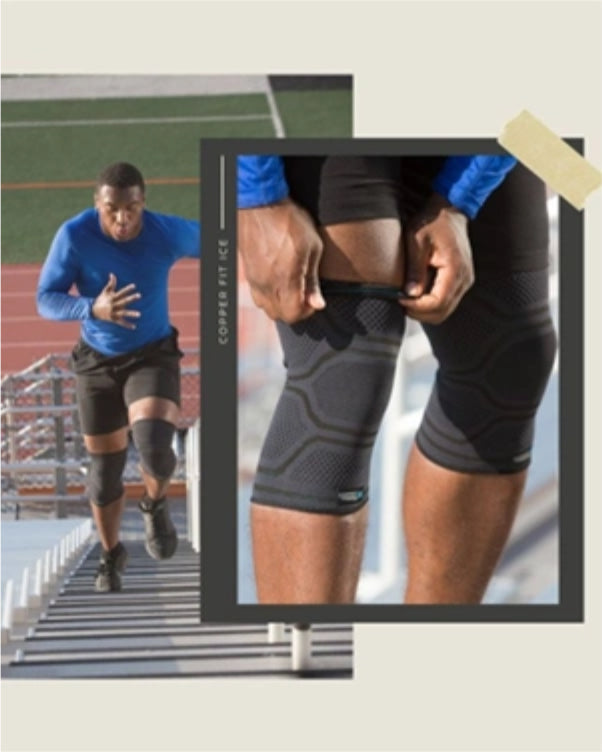
Compression sleeves are the most common knee support choice among basketball players, since they balance support with the freedom of movement the sport demands.
-
The best knee sleeve for basketball combines targeted compression, a seamless anti-chafing knit, and breathable, moisture-wicking material.
-
Copper Fit's compression sleeves are designed to support healthy blood flow and soothe tension, helping players stay focused on their game.
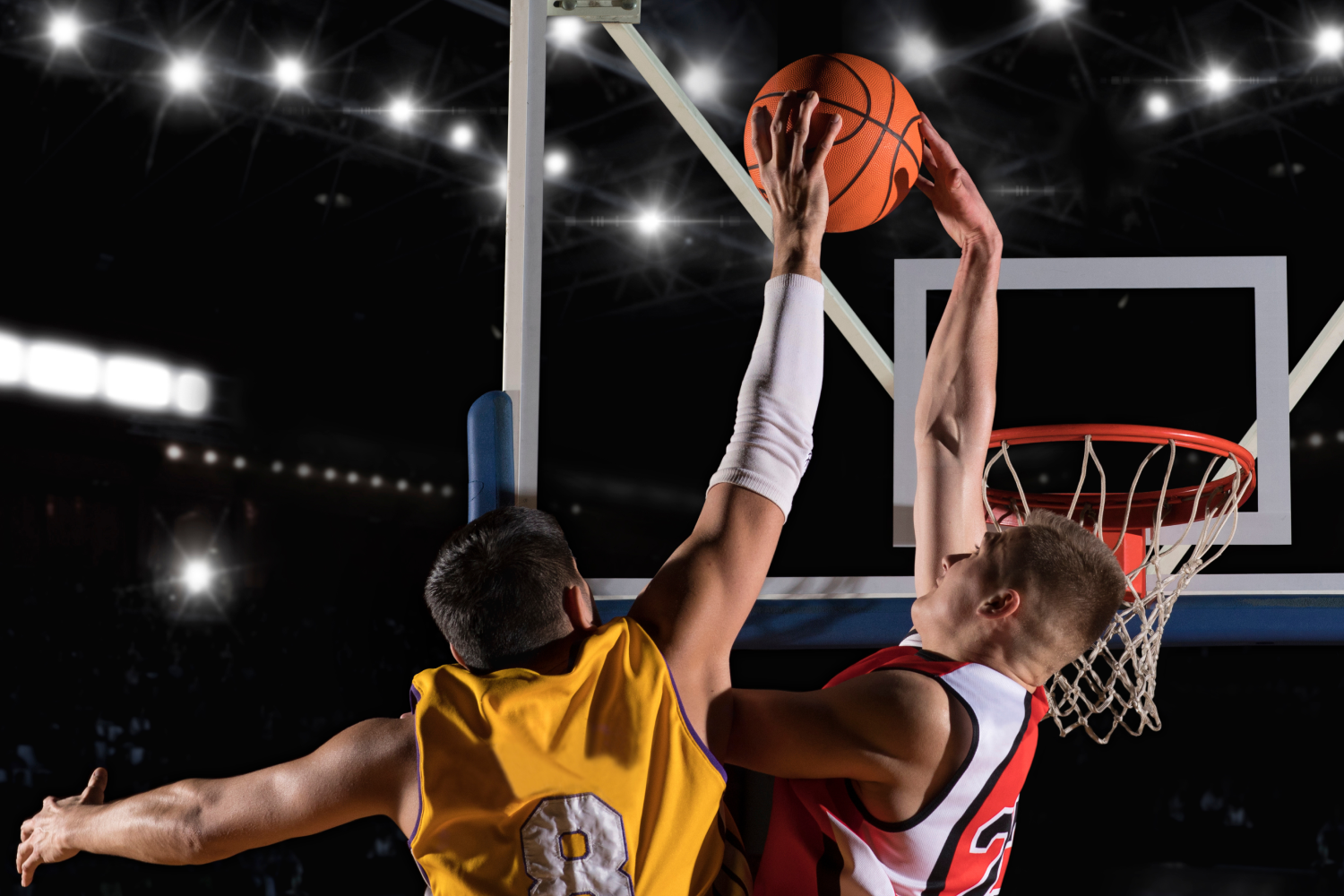
Most basketball players prefer compression sleeves to rigid, hinged braces. This is largely because basketball demands constant lateral movement, quick pivots, and repeated jumping, all of which require a full range of motion at the knee joint.
Unlike bulkier hinged braces built for post-injury stabilization, compression sleeves are designed to move with the body rather than restrict it. They wrap the knee in even pressure, offering a sense of support and stability without limiting a player's stride, cut, or vertical.
That's why you'll see compression sleeves far more often on the court than heavier brace styles, which tend to be reserved for more specific situations under a medical professional's guidance.
Key Factors To Look for in a Basketball Knee Sleeve
The right basketball knee sleeve comes down to a handful of core factors.
When comparing options, look for:
-
Compression level: even, consistent pressure across the knee
-
Freedom of movement: a seamless knit that flexes with quick direction changes
-
Moisture-wicking material: keeps the knee dry during long games or practices
-
Breathability: prevents overheating during extended court time
One factor that's easy to overlook is chafing prevention. Constant pivoting and jumping mean a sleeve is rubbing against skin for hours at a time, so a seamless, anti-chafing knit construction matters just as much as compression strength.
How Compression Supports Players During and After Games
Compression sleeves are widely used because they help support healthy blood flow and help soothe tension during and after physical activity. This means the even pressure from a well-fitted sleeve can support the body's natural circulation as a player moves through a game.
Research backs up why this matters for athletes. A study published in the Journal of Sports Medicine found that sports compression garments were associated with improved resting markers of venous return and muscle blood flow in male basketball players , providing specific support for the idea that fitted compression can play a meaningful role in this sport.
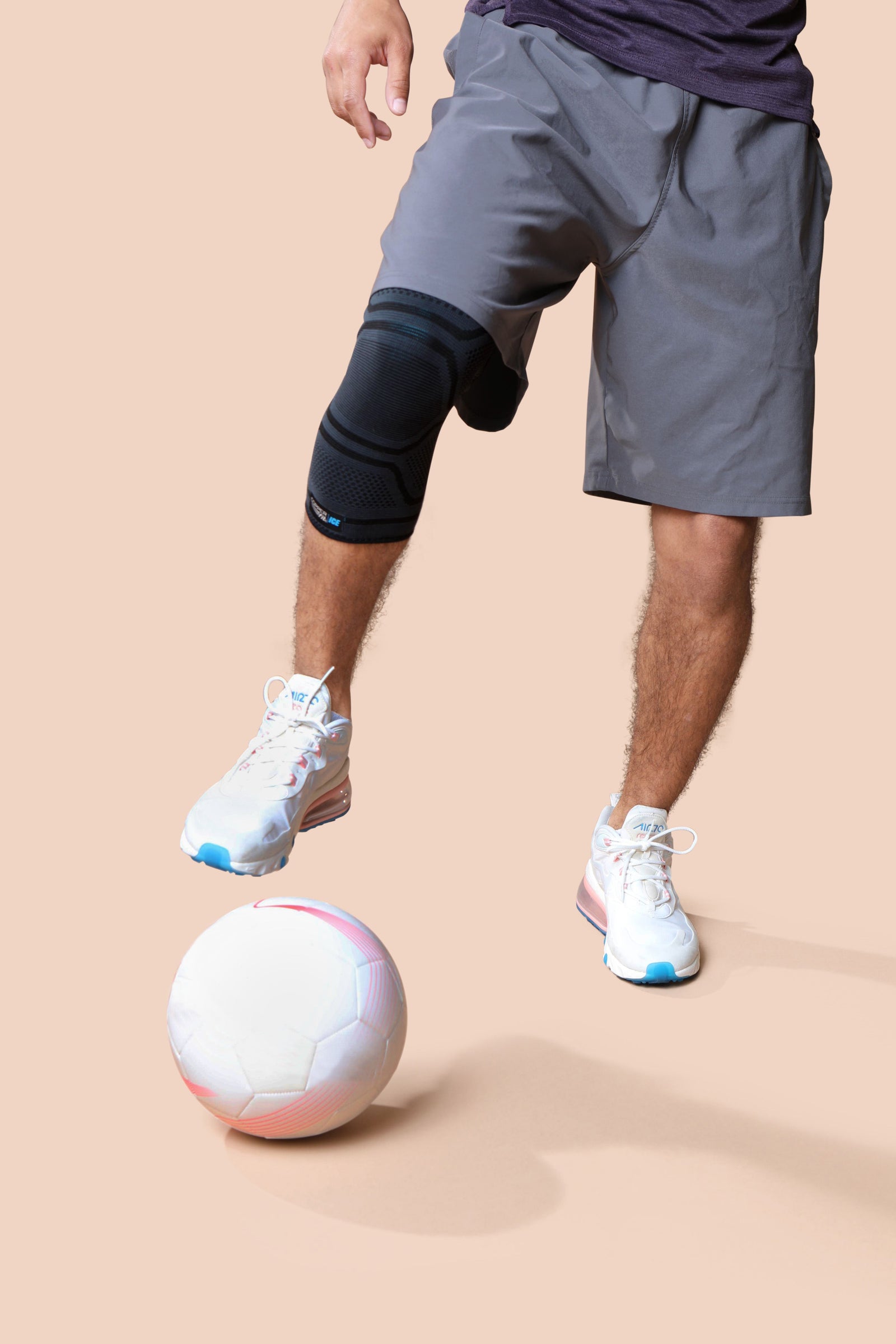
Here at Copper Fit, our moisture-wicking compression knee sleeves are designed with 4-way stretch for ultimate flexibility, copper-infused to reduce odor, and include an anti-chafing seamless knit. This combination is designed to support the knee during the physical demands of basketball without adding bulk or restricting a player's natural movement.
On-Court vs. Post-Game: When To Use Ice vs. Heat Support
When it comes to recovery, cold therapy is typically better suited to recently strained or overworked areas. In contrast, heat therapy is generally used on tension that's been building for longer than a day.
After a physical game, many players turn to hot or cold therapy, depending on the type of recovery support they need. At Copper Fit, our Rapid Relief Knee Sleeve contains a Pliable Hot or Cold gel pack tucked neatly into the compression sleeve for customizable, all-around support that can provide relief on the move.
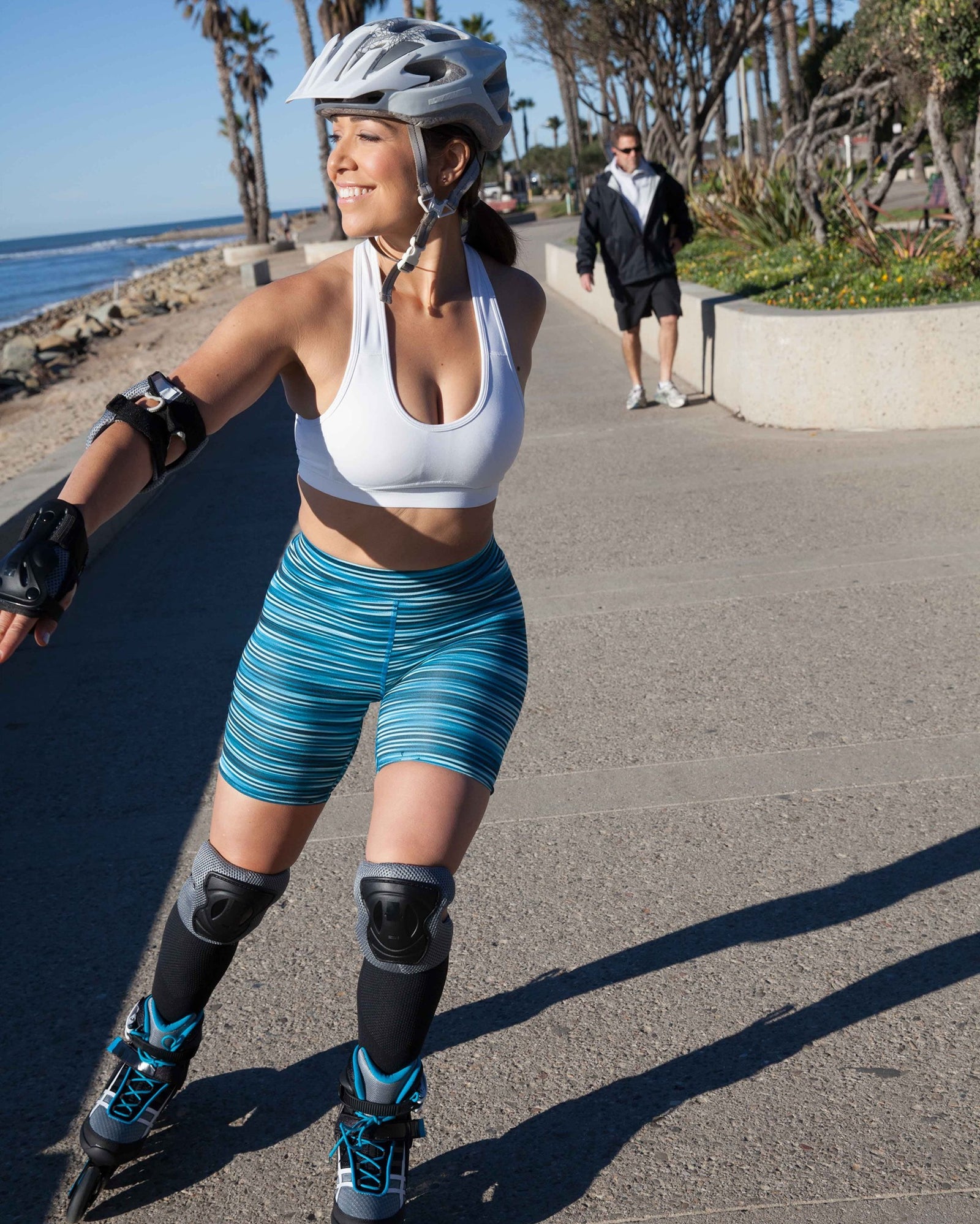
Be cautious of wearing heavier, more rigid braces during live play if mobility is a top priority. Save more supportive gear for downtime, and let a breathable sleeve handle the in-game demands.
Choosing the Right Fit for Long-Term Comfort
Getting the right fit matters just as much as the sleeve itself. A knee sleeve should feel snug enough to stay in place through sprints and jumps, but never so tight that it limits circulation or range of motion. Checking a sizing chart against actual knee measurements, rather than guessing based on shirt or pant size, is one of the simplest ways to avoid an uncomfortable fit.
In short, the right knee sleeve should feel supportive without limiting your game.
FAQ
Do knee sleeves help with basketball performance?
Compression sleeves are designed to help support healthy blood flow and help soothe tension during play, rather than directly enhancing performance.
Should I wear a knee sleeve during games or only after?
Sleeves are built for wear during activity, while hot or cold therapy wraps are typically better suited for use after the game to help soothe tension.
How tight should a basketball knee sleeve fit?
A sleeve should fit snugly enough to stay in place during movement, but never so tight as to restrict circulation or range of motion.
Can copper-infused sleeves help with odor?
Yes. Copper is shown to help reduce odor buildup, making it a useful addition to sleeves worn through long games and practices.
The Bottom Line
Here at Copper Fit , we know what it's like to want to stay active without tension or discomfort holding you back. That's why our compression sleeves are built with Maximum Support Compression, a seamless anti-chafing knit, and copper infusion to help reduce odor through long games and practices.
Whether you're on the court or recovering afterward with our Rapid Relief hot and cold wraps, our goal is simple: help you move better, feel better, and keep showing up to play.
Sources:
Compression Clothing and Circulation Benefits | UPMC HealthBeat
Ice Packs vs. Warm Compresses For Pain | Johns Hopkins Medicine