

Key Takeaways
- A hyperextended knee occurs when the joint bends backward beyond its normal range, straining the ligaments and soft tissues that keep it stable.
- Mild cases typically recover in a few weeks to a month with rest, cold therapy, compression, and elevation. More serious strains need a professional evaluation.
- Stronger muscles, softer landings, and supportive gear help keep your knees moving the way they should.
All it takes for your knee to snap back further than it should is one awkward landing or sudden stop. A hyperextended knee is one of the most common knee injuries, particularly among athletes.
Here's what's happening inside your knee, how long recovery takes, and how to support it along the way.
What Is a Hyperextended Knee?
A hyperextended knee occurs when the knee is pushed backward beyond its normal range of motion. That force stretches the tendons, ligaments, and cartilage that hold the joint in place.
Sports are the most common culprit. Think of a basketball player landing awkwardly after a jump, or a football player getting hit in the legs. Falls, sudden stops, and quick changes in direction can do it, too.
If you’re suffering from a hyperextension injury, you may experience:
- Soreness and tenderness around the joint
- Stiffness or trouble bending and straightening your knee
- Bruising or discoloration
- A wobbly, unsteady feeling when you put weight on your leg
If you heard or felt a pop, can't bear weight, or your knee keeps giving out, see a healthcare professional before returning to activity.
How Long Does a Hyperextended Knee Take To Heal?
Recovery depends on how severe the injury is. For milder injuries when nothing inside the knee is damaged, most people recover within a few weeks to a month. Severe injuries that need surgery can take a few months, though surgery is rare. And pushing through discomfort too early can turn a mild strain into a bigger setback.
Before returning to full activity, make sure you have:
- Full range of motion
- No discomfort when walking or taking stairs
- Similar strength in both legs
Letting your knee heal fully before returning to the court or field is key to avoiding reinjury and to preventing excessive stress on the surrounding muscles.
How To Support a Hyperextended Knee
Recovery isn't about toughing it out. It's about giving your body what it needs to do its job.
The First 48 Hours: Rest and Cool Down
For mild cases, the good old-fashioned RICE method can offer support. RICE stands for: rest, ice, compression, and elevation. Apply cold for 15 minutes at a time, four times a day, and prop your leg above heart level when you can.
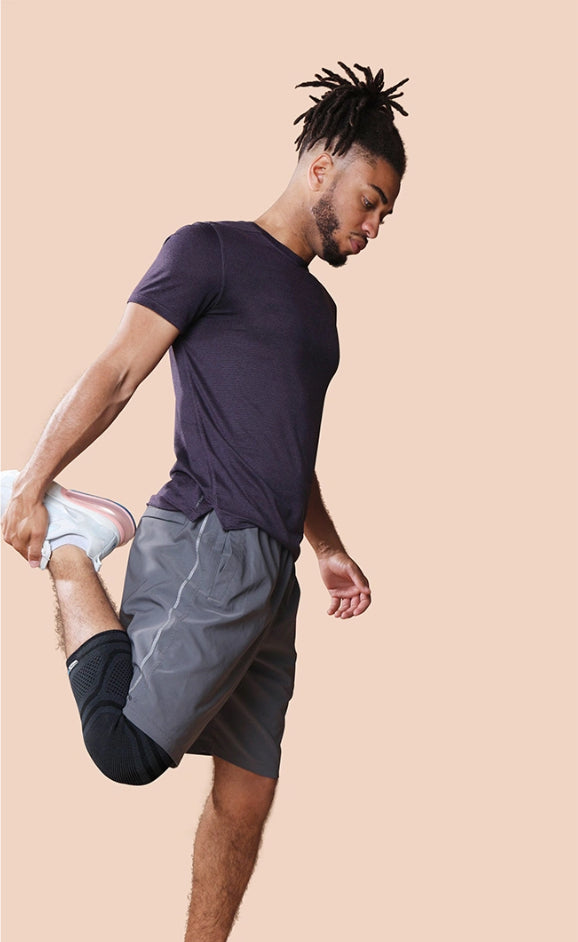
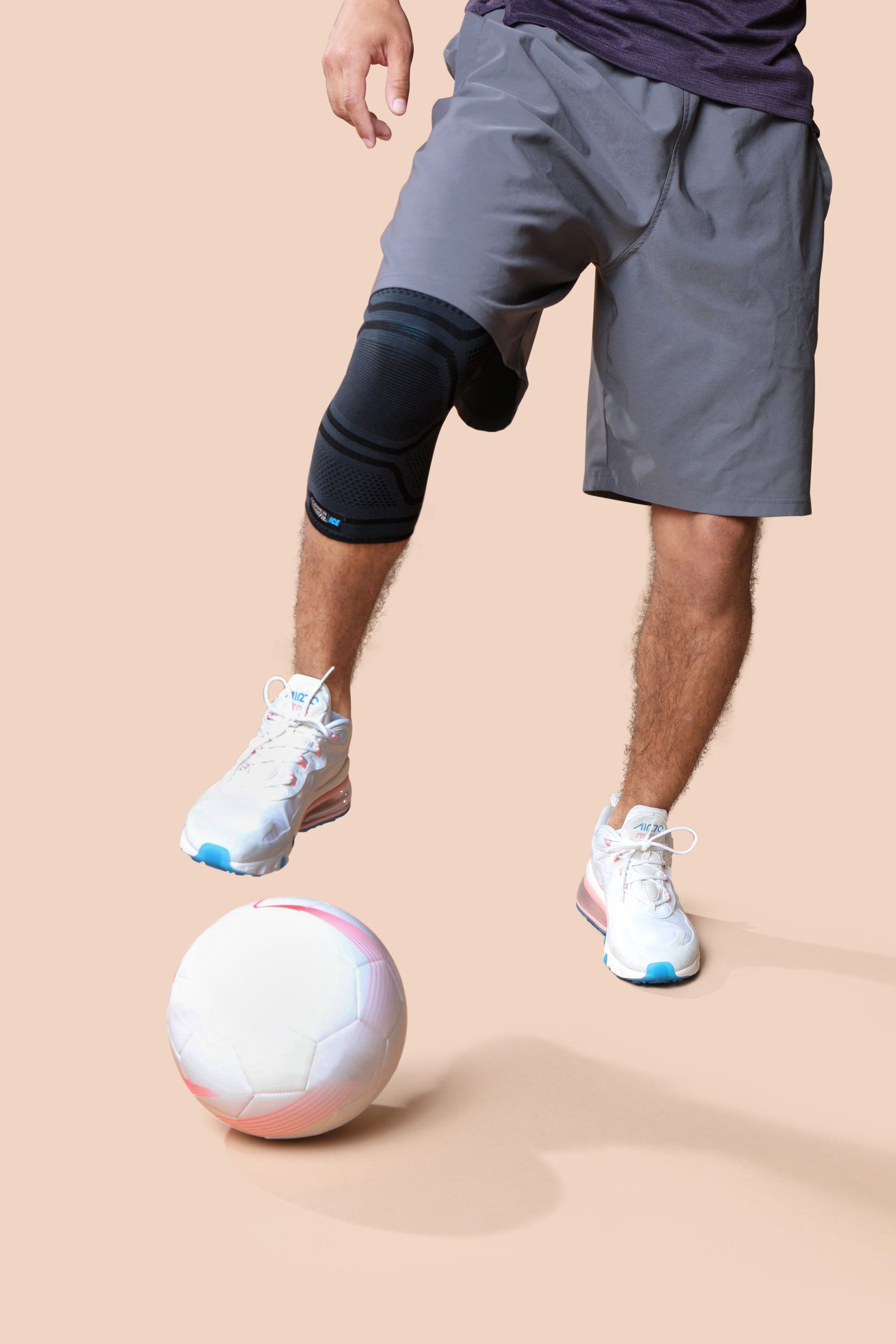
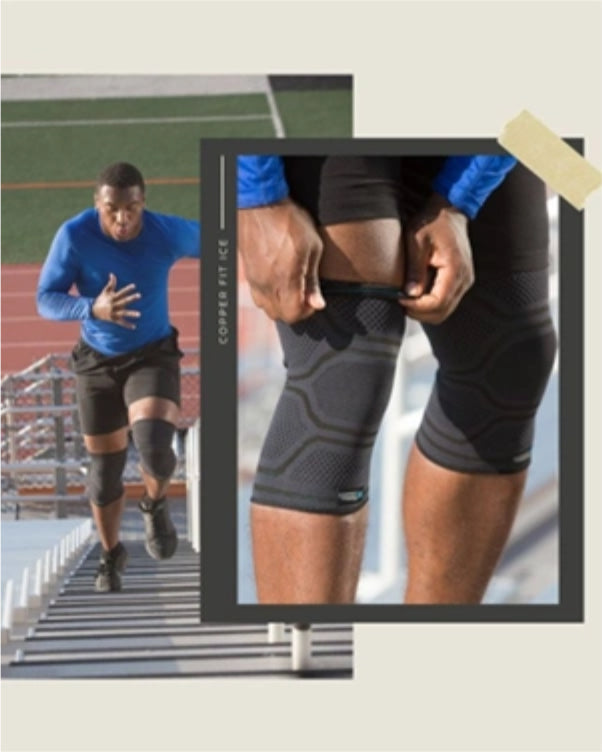
Our Rapid Relief Knee Wrap includes a hot-and-cold gel pack and adjustable compression, so one wrap covers every stage. For on-the-go support, the menthol-infused Ice Compression Knee Sleeve delivers a cooling sensation and all-day compression.
After Day Two: Switch to Heat
Heat therapy is typically used for strains more than a day old. It promotes muscle relaxation and soothes stiffness, so switch the Rapid Relief Knee Wrap to heat before gentle movement.
Add Compression and Support
A 2017 review in Physical Therapy in Sport looked at 20 studies on knee sleeves. The most consistent improvements were in proprioception (your sense of where your joint is) for healthy knees and in function for injured knees.
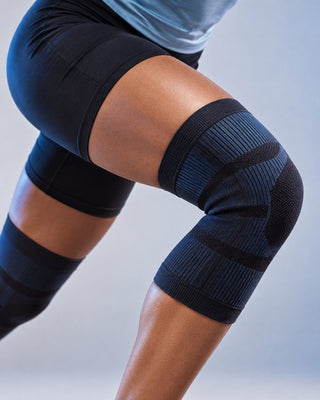
When you’re ready to start moving again, knee sleeves and braces like our Natural Motion Knee Brace can provide added stability and help you maintain proper form without limiting movement.
Ease Back Into Movement
After about a week of resting and icing the knee, you might be feeling ready to start incorporating more activity. Start with gentle range-of-motion work, then build up to quad and hamstring stretching and strengthening. Increase intensity over the next few weeks as your knee feels stronger.
Prevention Tips: How To Help Protect Your Knees
No one wants an injury keeping them out of the game. Reduce the risk of hyperextending your knee by following these tips.
Train Your Muscles and Movement
A 2025 meta-analysis in Frontiers in Physiology pooled 19 randomized trials and more than 28,000 young athletes. Training programs lowered the risk of knee injury by 25%, and neuromuscular training (strength, balance, and jump work) showed strong results in sessions lasting five to 15 minutes.
Land Soft
Landing with a straighter knee limits the amount of force your body can absorb. Bend your knees and hips every time you land to avoid putting unnecessary pressure on your knees.
Wear Support During High-Risk Activity
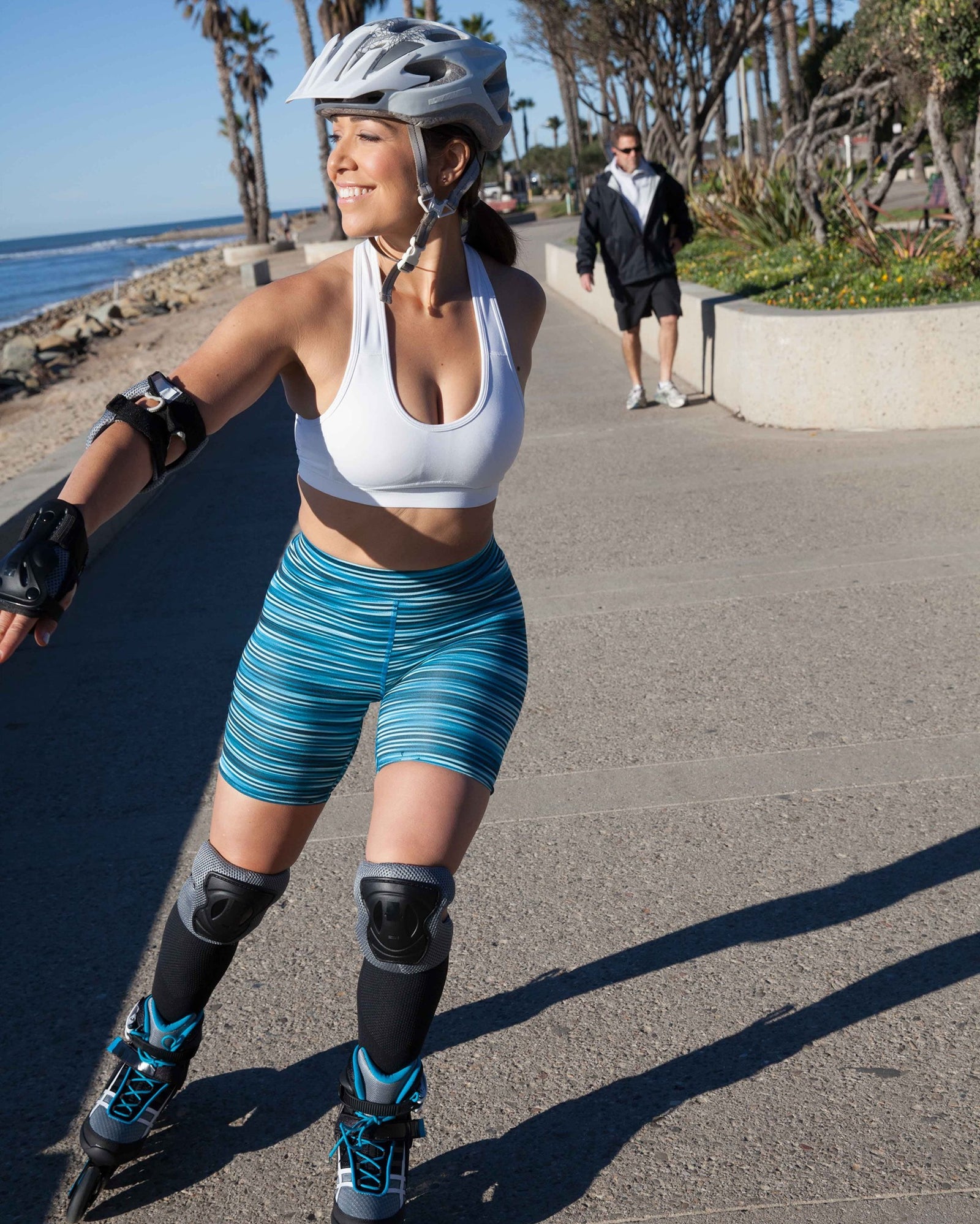
Compression sleeves and braces are great for recovery, but they can also help with prevention. Encouraging healthy blood flow to the knee can help keep the surrounding muscles strong and reduce the risk of injury, while the added stability of knee braces can help prevent the joint from slipping or twisting out of place during high-risk activities.
Our Pro Series Knee Sleeve features built-in kinesiology bands for court and field sports, and the Elite Knee Sleeve offers advanced compression for lifting and running.
FAQ
Can you walk on a hyperextended knee?
Many people can walk on a mildly hyperextended knee, though it may feel stiff or sore. If it feels unstable or you can't bear weight on it, rest it and get it checked.
Should I use ice or heat on a hyperextended knee?
Cold therapy is typically used in the first 24 to 48 hours. After that, heat can help loosen stiff muscles.
Can a hyperextended knee heal on its own?
Mild cases often recover at home with rest, ice, compression, and elevation. More serious injuries may need professional care.
Who is most likely to hyperextend a knee?
Anyone can, but it's most common in people who play sports. Activities with jumping, sudden stops, or contact, like basketball, soccer, and football, are frequent culprits.
Keep Moving Forward
A hyperextended knee can knock you off your game, but it doesn't have to keep you there. Here at Copper Fit, we know the cycle of soreness, tension, and slow recovery, and we believe there's a better way. That's why we design our compression gear to support what your body already does naturally.
Whether you need cooling support early on, hot and cold therapy as you recover, or a dependable sleeve for your next workout, our knee collection has you covered. Rest smart, train smart, and keep moving.
Sources:
Hyperextended Knee: Symptoms, Causes & Treatment | Cleveland Clinic
Biomechanical and functional efficacy of knee sleeves: A literature review | PubMed