Key Takeaways
-
Knee ligament injuries often occur during sudden twisting, impact, or athletic activity.
-
Physical exam tests help evaluate knee stability and identify possible ligament damage.
-
Supportive gear and gradual recovery strategies may help promote comfort during activity.
The knee is one of the most complex joints in the body. It allows us to walk, run, bend, and support body weight during nearly every daily movement. Because the knee experiences constant stress, it can also be vulnerable to injury.
Ligaments play a critical role in stabilizing the knee joint. These strong bands of connective tissue hold the bones together and guide how the knee moves. When a ligament becomes stretched or damaged, the joint may feel unstable or painful.
Many people wonder how to test for knee ligament injury after experiencing discomfort or a sudden twisting movement. While a healthcare professional should always evaluate serious injuries, several common physical exam techniques help identify possible ligament damage.
Understanding these tests and the symptoms associated with ligament injuries can help you determine when it may be time to seek medical evaluation.
What Are Knee Ligaments?
Before discussing testing methods, it helps to understand the structures involved. The knee joint contains four primary ligaments that help control movement and stability:
-
Anterior cruciate ligament (ACL)
-
Posterior cruciate ligament (PCL)
-
Medial collateral ligament (MCL)
-
Lateral collateral ligament (LCL)
Each ligament plays a specific role in maintaining knee alignment and preventing excessive movement.
For example, the ACL helps control forward movement in the shin bone, while the PCL stabilizes the knee when the shin moves backward. The collateral ligaments on each side of the knee help control sideways motion.
If one of these ligaments becomes injured, the knee may feel weak, unstable, or painful during activity.
Common Signs of a Knee Ligament Injury
A ligament injury often occurs during sports or activities that involve sudden stops, jumping, or quick changes in direction.
Some of the most common symptoms include:
-
A popping sensation at the time of injury
-
Swelling around the knee
-
Difficulty putting weight on the leg
-
Instability or the feeling that the knee may give out
-
Limited range of motion
-
Pain during movement
Not all ligament injuries cause immediate severe symptoms . In some cases, discomfort or instability may develop gradually after the initial injury. If symptoms persist or worsen, a professional evaluation may help determine the cause.
Why Physical Tests Are Used
Physical examination tests help evaluate how the knee moves and how stable it feels during specific motions. During these tests, a healthcare professional gently moves the knee while monitoring for unusual movement between the bones of the joint.
If the ligaments are functioning properly, the knee should remain stable during these movements. Excess movement may indicate ligament strain or damage.
These tests are often performed alongside imaging tools such as MRI scans to confirm a diagnosis.
1. The Lachman Test
The Lachman test is one of the most commonly used methods for evaluating the anterior cruciate ligament.
During this test, the person lies on their back with the knee slightly bent. The examiner stabilizes the thigh with one hand while gently pulling the shin forward with the other. This motion checks how far the shin bone moves relative to the thigh bone.
A stable knee typically shows limited movement. If the shin moves forward more than expected, it may suggest irritation or injury to the ACL. Because the test focuses specifically on forward motion, it is often considered one of the most effective ways to evaluate the ACL.
2. The Anterior Drawer Test
The anterior drawer test also assesses the ACL, but the knee is positioned differently. In this test, the person lies on their back with the knee bent at about a 90-degree angle and the foot resting on the examination surface.
The examiner sits near the foot and gently pulls the shin forward. If the shin bone moves too far forward compared with the thigh, it may indicate possible ligament instability.
While this test can provide useful information, the Lachman test is often considered more sensitive for detecting ACL injuries.
3. The Posterior Drawer Test
The posterior drawer test evaluates the posterior cruciate ligament.
The setup is similar to the anterior drawer test, with the knee bent at a right angle. Instead of pulling the shin forward, the examiner pushes it backward toward the knee joint.
The PCL normally prevents the shin from moving too far backward. Excessive backward movement may indicate stress or injury to this ligament. Because the PCL is thicker and stronger than the ACL, injuries to this ligament tend to occur less frequently.
4. The Valgus Stress Test
The valgus stress test helps evaluate the medial collateral ligament located on the inner side of the knee.
During this test, the examiner holds the ankle while stabilizing the knee and gently pushes the lower leg outward. This motion places pressure on the inner side of the knee.
If the joint opens more than expected or causes discomfort, it may indicate strain in the MCL. This test is commonly used after sports injuries involving twisting or direct impact to the outer knee.
5. The Varus Stress Test
The varus stress test evaluates the lateral collateral ligament on the outer side of the knee.
This test is similar to the valgus test but applies pressure in the opposite direction. The examiner stabilizes the knee and pushes the lower leg inward, placing stress on the outer side of the joint. If the joint moves excessively or causes discomfort, it may suggest irritation or strain in the LCL.
How Imaging Tests Help Confirm a Diagnosis
While physical exams provide important information, imaging tests are often used to confirm ligament injuries.
Common imaging methods include:
-
Magnetic resonance imaging (MRI)
-
X-rays
-
Ultrasound in some cases
MRI scans provide detailed images of soft tissues such as ligaments and tendons. These images allow healthcare professionals to evaluate the severity of an injury and determine the best recovery approach.
X-rays don’t show ligaments directly but can help rule out fractures or other bone injuries that may accompany knee trauma.
Supporting Knee Stability During Activity
Recovering from a ligament injury often involves a combination of rest, strengthening exercises, and gradual return to activity. Many people also incorporate supportive gear into their routine to help maintain comfort and stability during movement.
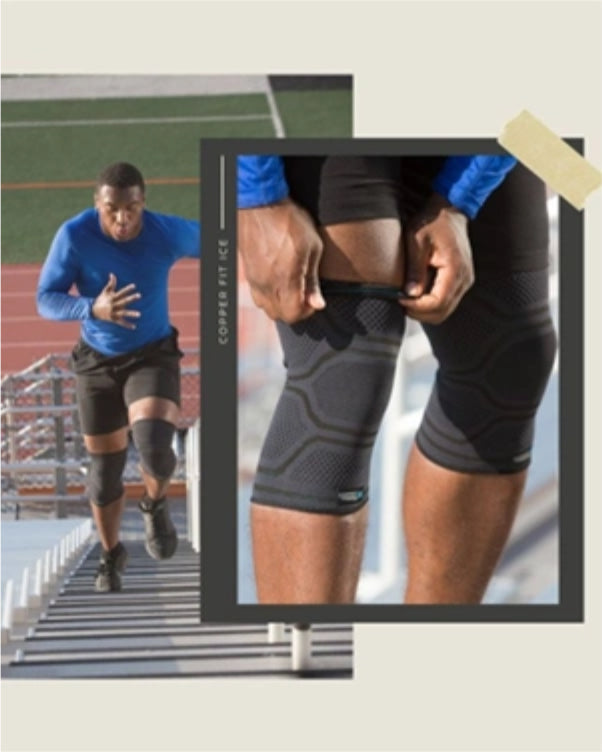
Compression braces and sleeves are commonly worn during workouts, sports, or daily activity. Copper Fit compression products use advanced fabrics intended to provide comfortable support while helping wick moisture and manage odor.
Tips for Protecting Your Knees
Preventing ligament injuries often involves building strength, maintaining flexibility, and using proper technique during activity.
Helpful habits may include:
-
Warming up before workouts
-
Strengthening the muscles surrounding the knee
-
Practicing proper landing techniques during sports
-
Wearing supportive footwear
-
Avoiding sudden increases in training intensity
These strategies can help support knee stability and reduce unnecessary stress on the joint. For people with active routines, supportive compression gear may also provide additional comfort and confidence during movement.
FAQ
How can I tell if I injured a knee ligament?
Common signs include swelling, pain, instability, and difficulty putting weight on the knee. A popping sensation during injury may also occur.
Can knee ligament injuries heal on their own?
Some mild ligament strains may improve with rest and supportive care. More significant injuries may require medical evaluation and rehabilitation.
Are knee stability tests painful?
Most physical exam tests involve gentle movements designed to evaluate joint stability. Some discomfort may occur if the knee is already irritated.
When should I seek medical evaluation for knee pain?
Persistent swelling, instability, or difficulty walking are signs that a professional evaluation may be helpful.
Conclusion
Knee ligament injuries can occur during sports, exercise, or everyday activities that place stress on the joint. Understanding how healthcare professionals test for these injuries can help you recognize potential warning signs and seek evaluation when needed.
Physical examination techniques such as the Lachman test, drawer tests, and stress tests help assess the stability of the knee and identify possible ligament damage. Imaging tools like MRI scans may also provide a clearer view of the joint’s structures.
If you want to stay active while supporting knee comfort, compression braces and support gear can be a helpful addition to your routine. Copper Fit’s line of knee supports offers options designed for movement, recovery, and everyday activity.
Sources:
Ligament Injuries to the Knee | Johns Hopkins Medicine