Key Takeaways
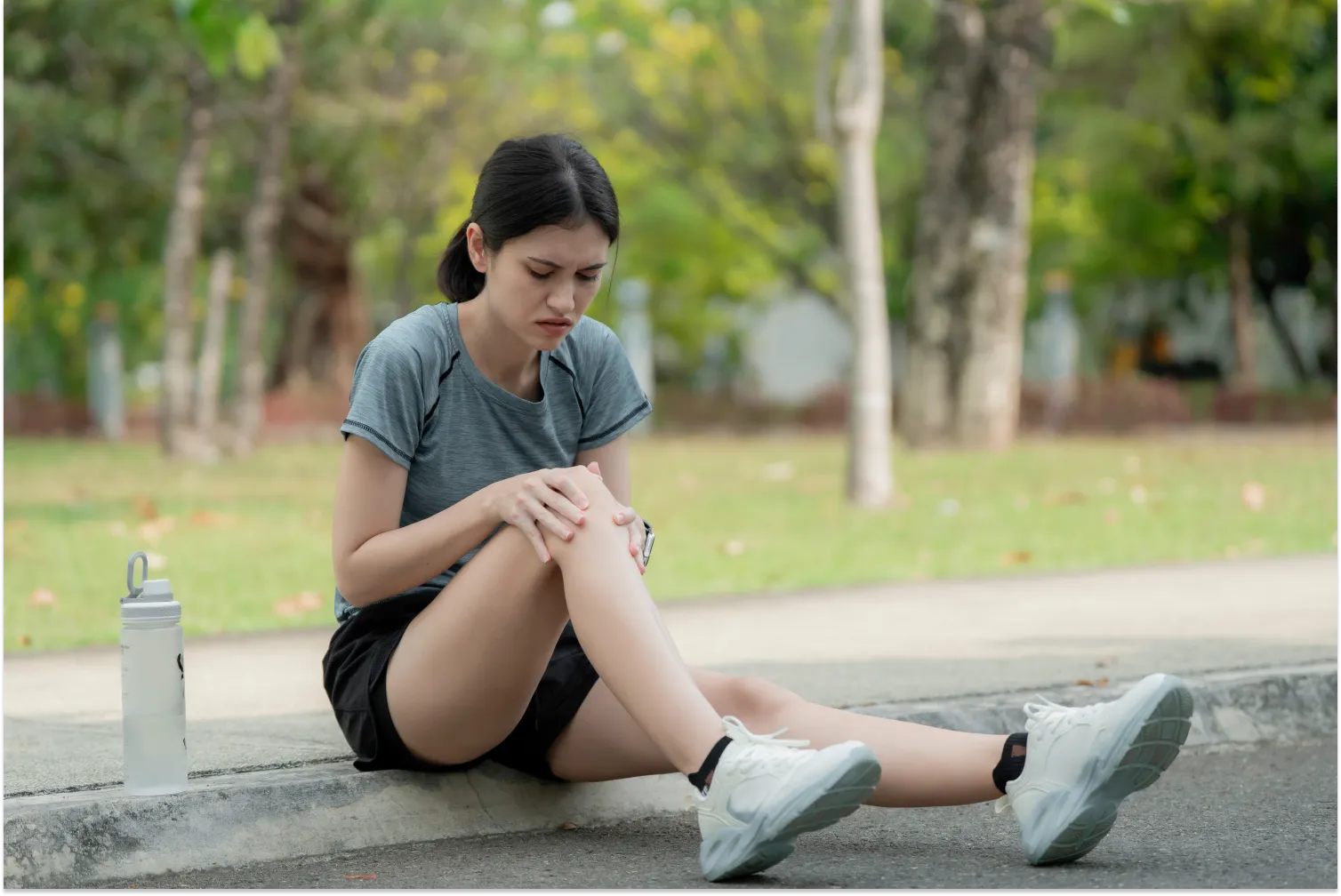
- Knee pain can develop from overuse, muscle imbalances, repetitive motion, or changes in activity levels.
- Everyday habits like prolonged sitting, improper footwear, or sudden increases in exercise may place strain on the knee joint.
- Supportive routines, strengthening exercises, and proper recovery can help maintain knee comfort and mobility.
Knee discomfort is one of the most common joint complaints people experience. Because the knee supports much of the body’s weight and plays a central role in movement, even minor strain can lead to noticeable discomfort.
The knee is a complex joint made up of bones, cartilage, ligaments, tendons, and muscles that work together to allow bending, straightening, and stabilization. Activities like walking, climbing stairs, exercising, or standing for long periods all rely on healthy knee function.
Sometimes, knee discomfort develops suddenly after activity or strain. In other cases, it develops gradually as the joint undergoes repeated stress.
Understanding the possible causes of knee discomfort can help you identify what may be contributing and which habits may support better joint health.
1. Overuse From Repetitive Movement
Repetitive motion is one of the most frequent causes of knee discomfort. Activities that involve repeated bending and straightening can place stress on the muscles, tendons, and ligaments surrounding the joint.
Common situations that may contribute to overuse include:
- Running or jogging long distances
- Frequent stair climbing
- Cycling or rowing workouts
- Jobs that involve kneeling or squatting
Over time, repeated movements can cause irritation of the tissues that support the knee. This type of discomfort often develops gradually and may feel worse after activity. Taking rest days and varying physical activity can help reduce strain on the joint.
2. Sudden Increase in Physical Activity
If you recently started a new workout program or increased your exercise intensity, your knees may be adjusting to the additional demand.
Muscles and tendons around the knee help stabilize the joint during movement. When activity levels increase quickly, these tissues may become sore or tight as they adapt.
This type of discomfort may occur after:
- Starting a new running routine
- Adding higher-impact workouts
- Increasing weight during strength training
- Participating in sports after a long break
Gradually increasing intensity and allowing time for recovery can help the body adjust to new physical demands.
3. Tight Muscles Around the Knee
The muscles surrounding the knee — particularly the quadriceps, hamstrings, and calves — play an important role in supporting joint movement. When these muscles become tight, they may pull unevenly on the knee joint and create tension.
Tightness can develop from:
- Long periods of sitting
- Lack of stretching after workouts
- Repetitive movements during sports
- Limited mobility exercises
Stretching and strengthening these muscle groups can help maintain balance around the joint and support smoother movement.
4. Poor Footwear
Shoes influence how force travels through the lower body during movement. When footwear lacks adequate support or cushioning, additional stress may reach the knees.
Common footwear issues that may contribute to knee discomfort include:
- Worn-out running shoes
- Shoes with minimal cushioning
- Footwear that lacks arch support
- Shoes that do not fit properly
Because the feet and knees work together during walking and running, supportive footwear can help reduce unnecessary strain. Replacing worn shoes and choosing styles designed for your activity level may help improve comfort.
5. Minor Strains or Ligament Stress
The knee contains several ligaments that help stabilize the joint. Sudden movements, awkward twists, or unexpected stress may place strain on these structures.
Minor ligament strain may happen during activities like:
- Pivoting quickly during sports
- Stepping awkwardly off a curb
- Catching yourself during a slip
- Lifting something heavy
Symptoms of a minor knee sprain can include mild swelling, tenderness, or discomfort when bending the knee. Rest and activity modification may help reduce irritation while the tissues recover.
6. Prolonged Sitting
It might seem surprising, but sitting for long periods can contribute to knee discomfort. When the knees remain bent for extended stretches, muscles and connective tissues around the joint may tighten. This stiffness can cause discomfort when standing up or walking after sitting.
People often notice this sensation during:
- Long workdays at a desk
- Extended travel
- Watching television for several hours
Taking regular breaks to stand, stretch, and move around can help prevent stiffness from building up.
7. Muscle Imbalances
Strength imbalances in the legs can affect how the knee moves during activity. For example, if the quadriceps muscles are much stronger than the hamstrings, or if the hips lack stability, the knee joint may absorb additional stress.
Muscle imbalances sometimes develop from:
- Repetitive training patterns
- Skipping strength exercises for certain muscle groups
- Poor movement mechanics during workouts
Balanced strength training supports proper alignment and improves overall joint stability.
8. Overuse During Sports
Many sports place significant stress on the knees. Activities that involve jumping, cutting, or rapid changes in direction may increase pressure on the joint.
Examples include:
- Basketball
- Soccer
- Tennis
- Volleyball
These movements require strong muscles and stable joints to absorb impact safely. Without proper recovery, repeated stress may lead to discomfort.
Warm-ups, stretching, and gradual progression in training intensity can help support knee health.
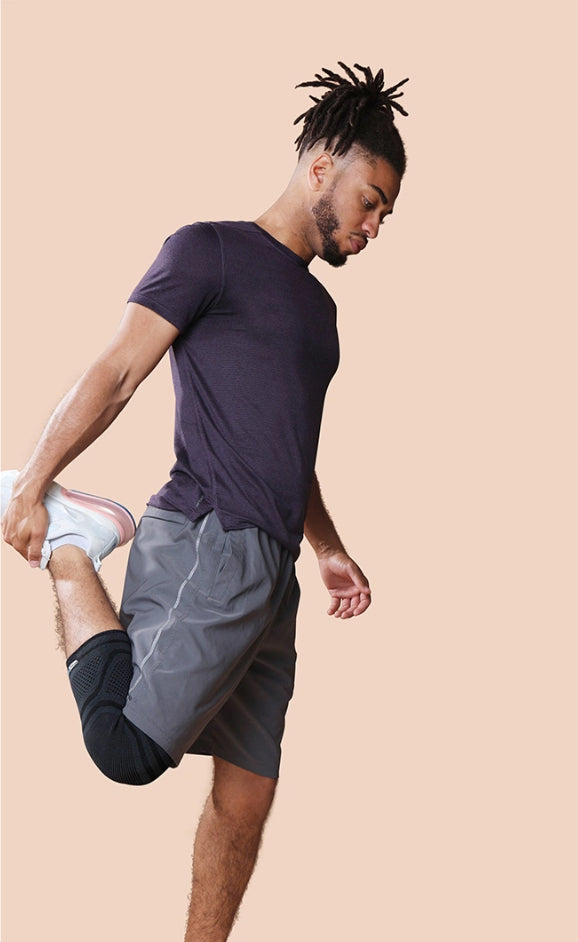
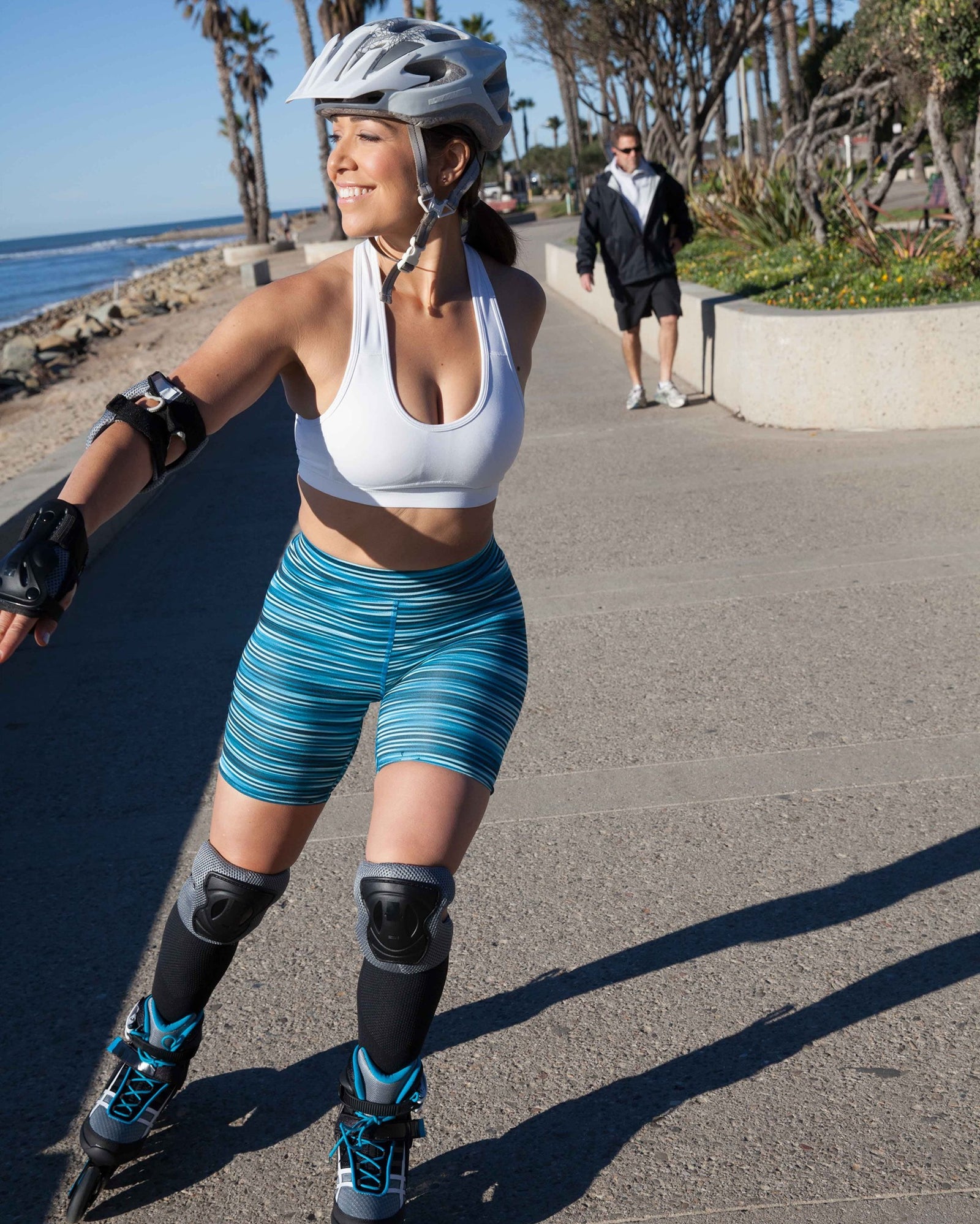
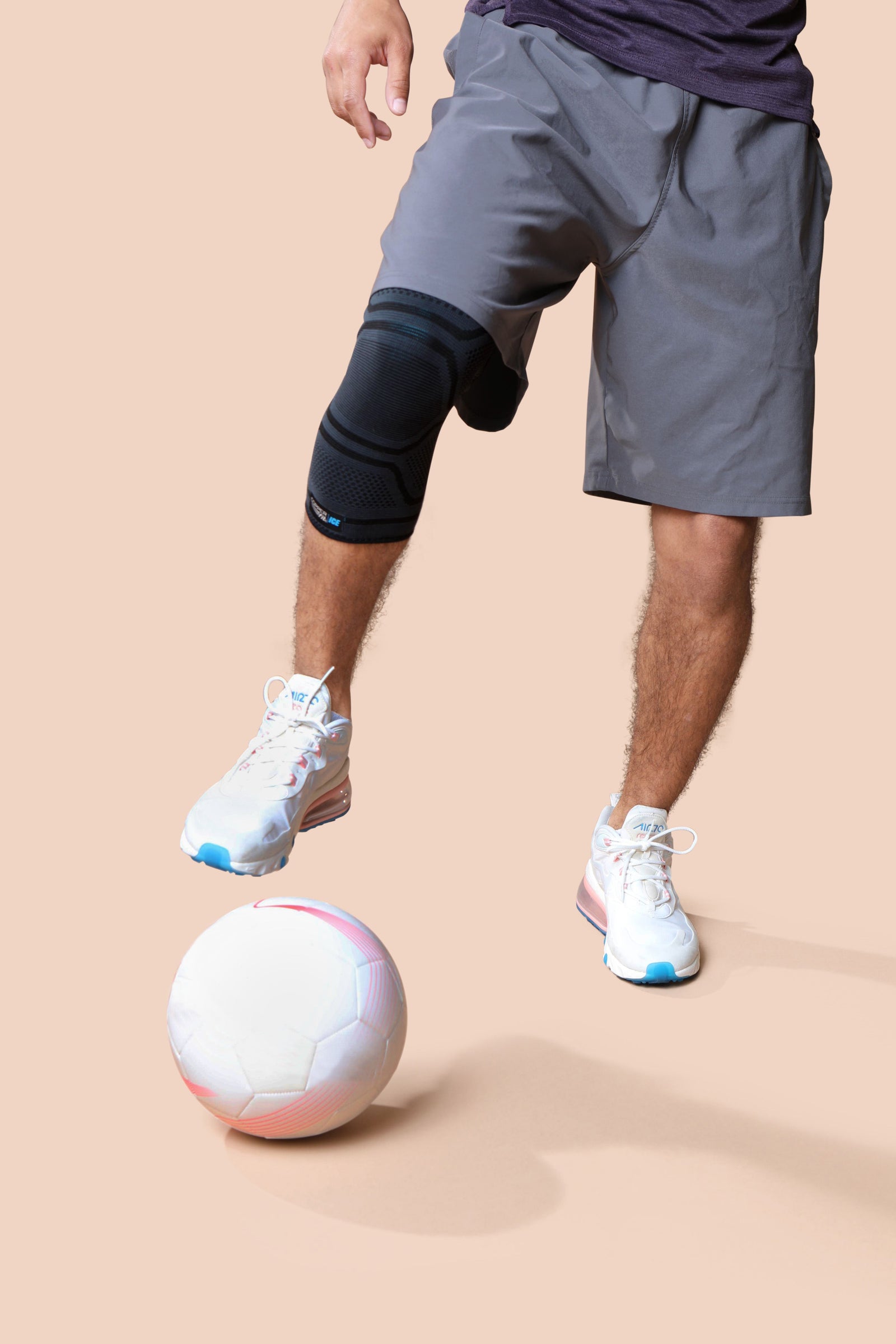
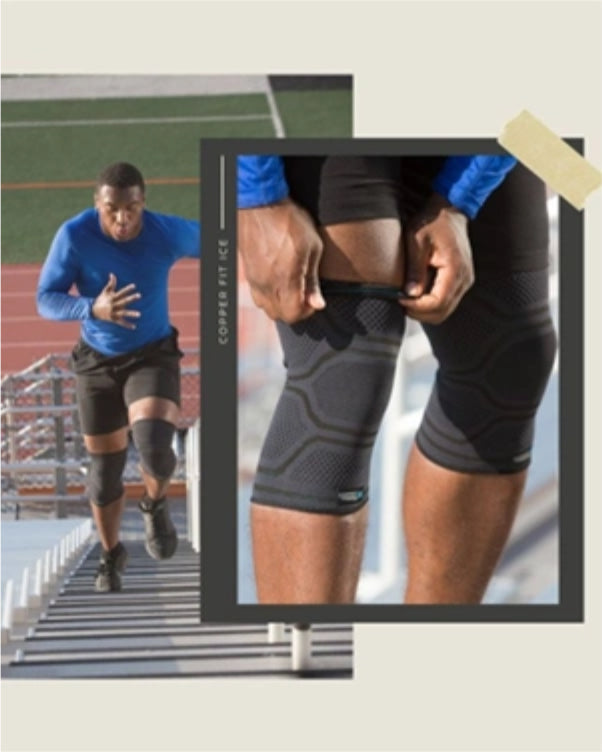
Some people also incorporate supportive knee braces or compression knee sleeves during physical activity. Copper Fit offers knee braces and compression sleeves designed to provide support and comfort during everyday movement. Their copper-infused fabrics help reduce odor while delivering breathable compression.
9. Everyday Wear and Tear
The knees support body weight with nearly every step you take. Over time, this constant movement can lead to gradual wear on the tissues that cushion and stabilize the joint.
Daily activities that contribute to ongoing stress include:
- Walking long distances
- Standing for extended periods
- Carrying heavy loads
- Frequent stair climbing
This type of discomfort often develops gradually and may worsen after a long day of activity. Maintaining strength and flexibility in the legs may help support joint comfort over time.
10. Changes in Body Weight or Load
The knees absorb significant force during movement, especially during walking, running, or climbing stairs. Changes in body weight or increased physical load can alter how pressure is distributed across the joint.
Situations that may increase stress on the knees include:
- Carrying heavy backpacks or equipment
- Physical jobs that require lifting
- Increased training intensity
- Changes in daily activity levels
When additional load is placed on the knees, muscles and connective tissues may need time to adapt. Strength training and gradual activity progression can help support joint stability.
How To Support Knee Comfort
If your knee is hurting, small adjustments to your routine may help reduce strain and support recovery. Start by identifying activities that place the most pressure on the joint.
Helpful strategies may include:
Incorporate Strength Training
Strengthening the muscles surrounding the knee helps stabilize the joint.
Exercises that support knee strength include:
- Squats
- Lunges
- Step-ups
- Glute bridges
These exercises help strengthen the quadriceps, hamstrings, and hips.
Add Regular Stretching
Stretching can help maintain flexibility and reduce tension in the muscles that influence knee movement.
Helpful stretches may include:
- Hamstring stretches
- Quadriceps stretches
- Calf stretches
- Hip flexor stretches
Regular mobility work can support smoother joint movement.
Consider Supportive Compression Gear
Some people use knee braces or compression sleeves to provide a stabilizing feel during activity.
Copper Fit offers compression sleeves designed to provide supportive pressure around the knee while helping manage moisture and reduce odor with copper-infused fabric. These products may be worn during workouts or everyday activity for added comfort.
When Should You See a Medical Professional?
Occasional knee discomfort can occur after physical activity or minor strain. However, certain symptoms may require medical attention.
Consider speaking with a healthcare professional if you experience:
- Pain that lasts several weeks
- Significant swelling around the knee
- Difficulty walking or bearing weight
- A popping sensation during injury
A medical professional can evaluate the joint and recommend appropriate care.
FAQ
Why does my knee hurt even if I didn’t injure it?
Knee discomfort often develops from repetitive movement, muscle tension, or gradual strain rather than a single injury.
Why does my knee hurt after sitting for a long time?
Remaining in a seated position for extended periods can cause stiffness in the muscles and tissues around the knee. Movement usually helps reduce the discomfort.
Can compression sleeves help knee discomfort?
Compression sleeves provide supportive pressure around the joint. Many people wear them during activity or recovery to help maintain comfort and stability.
Conclusion
Knee pain can develop for many reasons, ranging from repetitive movement and muscle tightness to changes in activity levels or daily habits.
Because the knees support your body throughout nearly every movement, they experience constant stress. Even small imbalances in strength, flexibility, or workload can contribute to discomfort over time.
Fortunately, many common causes of knee pain improve with simple adjustments. Strengthening exercises, stretching routines, supportive footwear, and proper recovery can all help maintain joint health.
Supportive gear may also play a role in daily comfort. Copper Fit offers knee braces and compression sleeves designed to support movement and provide breathable compression throughout the day.
Sources:
Evaluation and Treatment of Knee Pain: A Review | JAMA