Key Takeaways
-
Start slow with low-impact movement to help your body rebuild strength and confidence.
-
Focus on supporting muscles and mobility to reduce strain on the knee.
-
Recovery and consistency matter more than intensity when getting back into a routine.
Getting back into a workout routine after a knee injury can feel intimidating. You may be dealing with lingering stiffness, reduced strength, or hesitation about pushing too hard too soon. That’s normal. Time away from activity can affect both your body and your confidence.
The good news is that you don’t have to rush your return to movement to make progress. A steady, structured approach helps support your body as it regains strength and stability. When you focus on controlled movement, proper recovery, and gradual progression, you give yourself a better chance to stay active without setbacks.
With the right strategy, you can move forward with confidence and keep improving over time.
When Should I Start Working Out Again After a Knee Injury?
While there’s no single timeline that applies to everyone, there are clear signs your body may be ready to ease back into activity.
You may notice less stiffness throughout the day, improved range of motion, and greater ease in everyday movements like walking, standing, or climbing stairs. These are indicators that your body is starting to adapt and recover.
Even when you feel ready, it’s important to keep your expectations in check. Strength and endurance take time to rebuild. Starting with lighter movement allows your body to adjust without unnecessary strain.
Progress may not follow a straight line. Some days will feel better than others. Staying consistent and patient helps you build momentum without overloading your system.
How To Start Working Out Again After a Knee Injury
When you’ve reached the phase of your recovery where you can start working out again, we know it can be tempting to jump back into your previous routine, especially if you’re used to staying active. But, pushing too hard too soon can lead to increased soreness, added tension, and longer recovery time.
After time off, the muscles around your knee may not be as strong or responsive as they were before. Your body needs time to rebuild that support . And when you skip that step, you place more stress on the joint than it’s ready to handle.
Here are some tips to help you get back into your fitness groove, without putting too much pressure on the knee.
Start With Low-Impact Movement
Low-impact exercises are one of the most effective ways to return to activity while supporting your knee. They allow you to move, build strength, and improve circulation without placing excessive stress on the joint.
Walking is a simple and accessible place to start. Keep your pace steady and focus on smooth, controlled steps. As your comfort improves, you can gradually increase your distance or time.
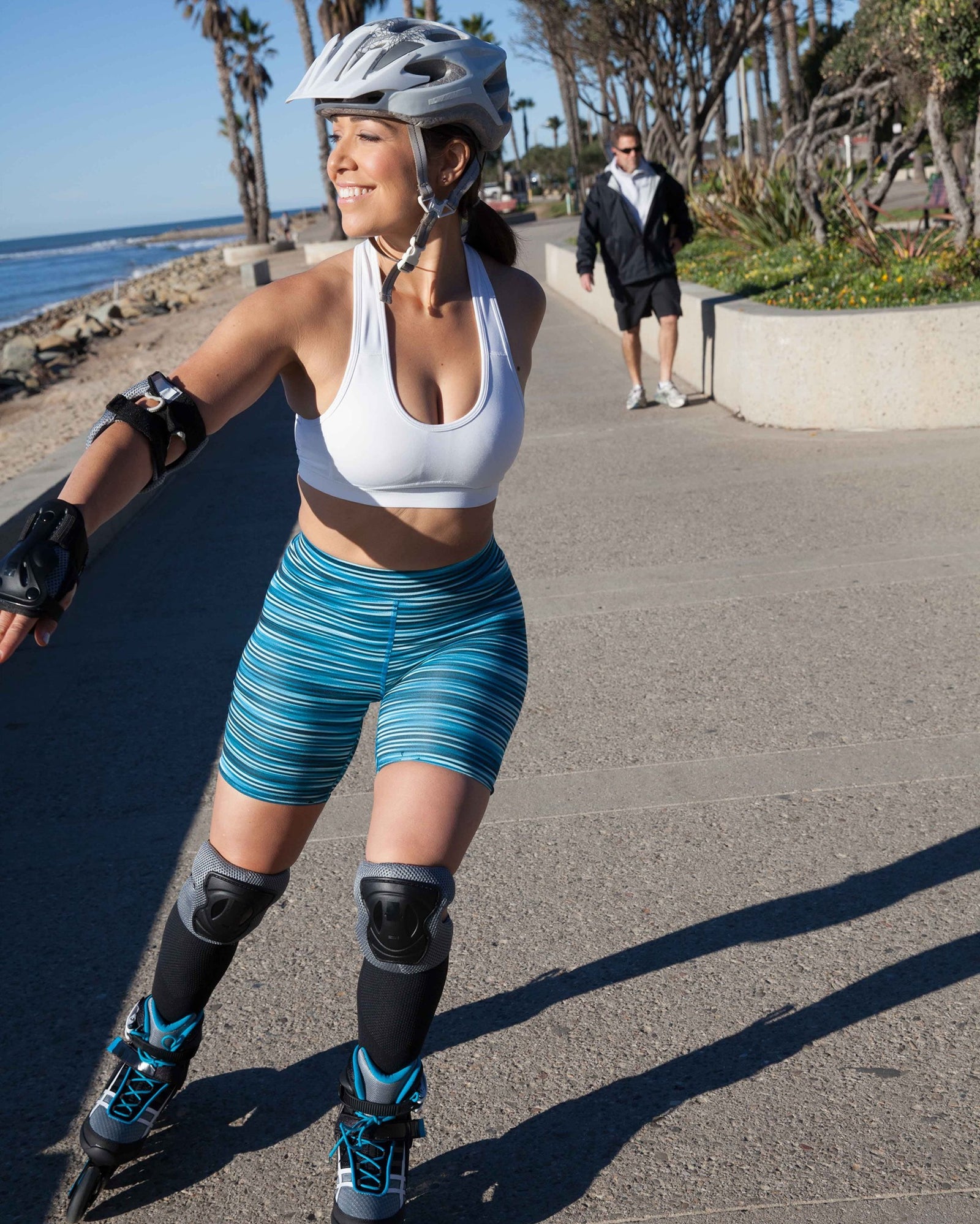
Cycling is another strong option. It helps engage the muscles around the knee while keeping movement controlled and consistent. Adjust resistance to a level that feels manageable and avoid pushing through discomfort.
Water-based movement can also be helpful. The natural resistance of water supports your body while reducing pressure on your joints, making it easier to move with less strain.
The goal here is to reintroduce movement in a way that feels stable and controlled. This builds confidence while helping your body adapt.
Rebuild Strength Around the Knee
Strength plays a major role in how your knee handles movement. When the muscles around it are strong and engaged, they help support the joint and reduce unnecessary stress.
Focus on key muscle groups like the quadriceps, hamstrings, and glutes. These areas work together to stabilize your knee during everyday movement and exercise.
Start with simple, controlled exercises. Straight leg raises are a great way to engage your quadriceps without placing pressure on the joint. Partial squats help build strength while allowing you to control depth and range of motion. Step-ups can improve stability and coordination when performed at a manageable height.
Form matters more than intensity. Controlled movement helps ensure the right muscles are doing the work. If something feels off or causes increased discomfort, adjust the range or reduce the effort.
As your strength improves, you can gradually increase resistance or add more repetitions. Building this foundation helps support long-term movement and performance.
Don’t Skip Mobility and Flexibility Work
Mobility and flexibility are often overlooked, but they play a key role in how your body moves and recovers. Tight muscles around the knee can create added tension and limit your range of motion.
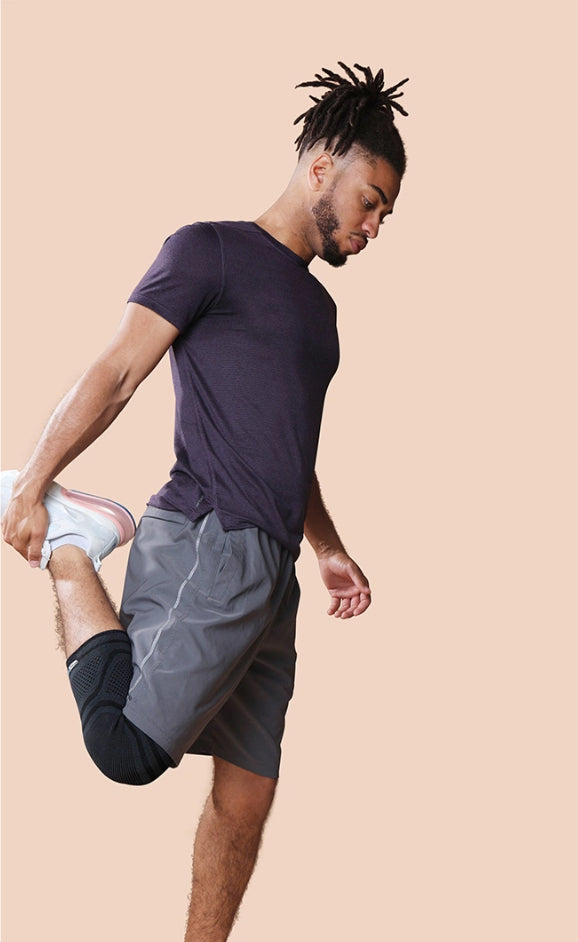
Mobility exercises are meant to help increase range of motion , and can help ease stiffness around joints like the knee. This is key to supporting your recovery and helping prevent future injuries.
Keep your stretches controlled and steady. Avoid forcing your body into positions that feel uncomfortable. Over time, consistent mobility work can help improve how your knee responds to activity, supporting smoother movement and better overall performance.
Support Your Recovery With Compression Gear
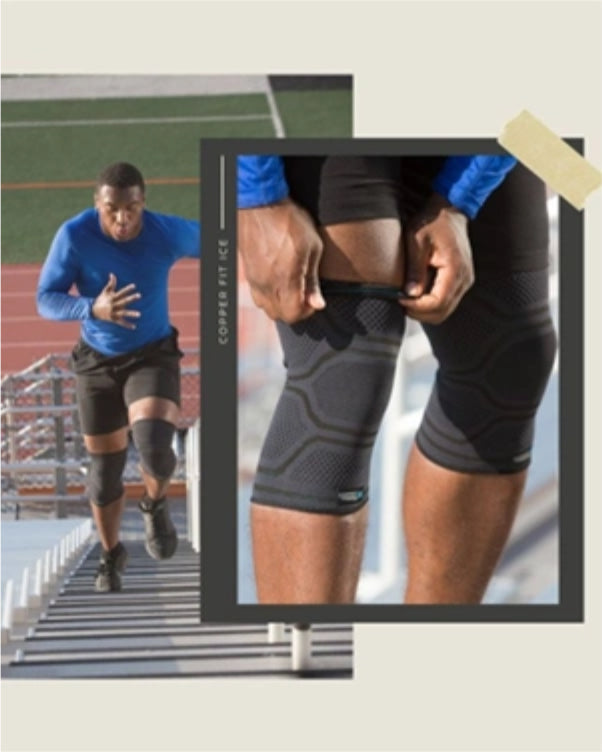
As you ease back into working out after a knee injury, compression gear like knee sleeves can be a valuable addition to your routine.
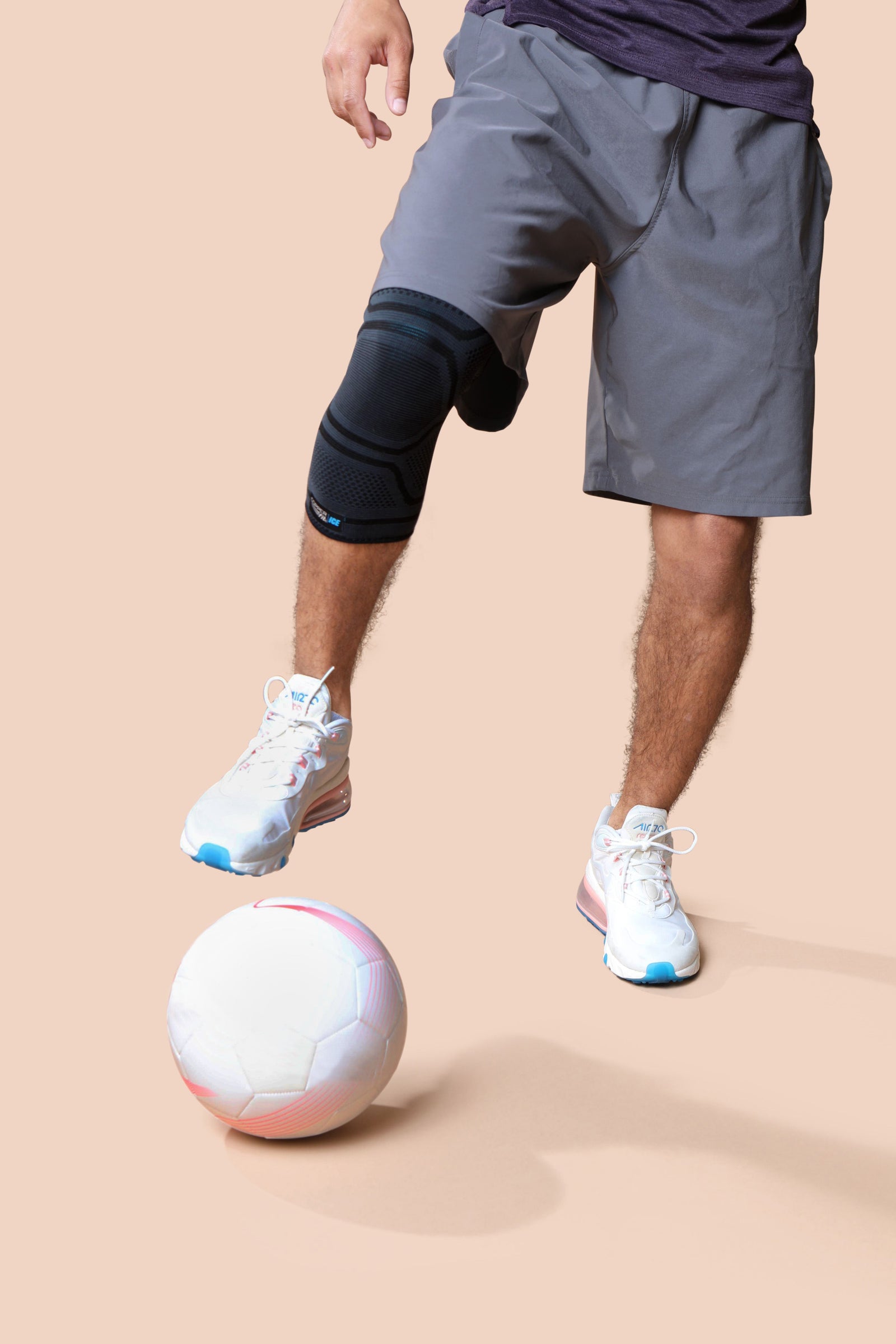
By applying gentle, consistent pressure to the joint, compression sleeves can help support circulation, manage swelling, and provide added stability during movement, so you can get back to activity with greater confidence. Paired with smart programming and consistent effort, the right compression gear helps keep your body supported every step of the way.
How To Progress Your Workouts Safely
Once your body starts to feel more stable, it’s time to build on that progress. You want to increase intensity gradually so your knee can continue to adapt without added strain.
Start by extending the duration of your workouts before increasing intensity. For example, add a few extra minutes to your walk or an extra set to your strength exercises. Once that feels comfortable, you can begin to increase resistance or incorporate slightly more challenging movements.
Pay close attention to how your body responds after each session. If you notice increased soreness or lingering stiffness, scale things back and give yourself more recovery time. Small, steady improvements help you stay consistent and avoid setbacks.
Staying Motivated Through the Comeback
Getting back into a routine after time off isn’t just physical. It takes focus and consistency to rebuild momentum.
Set realistic goals that match where you are right now. Instead of aiming for your previous performance level, focus on completing your workouts and building consistency week by week.
Track your progress in simple ways. That could mean walking a little farther, moving with more control, or feeling less stiffness during the day. These small improvements add up and help reinforce your progress.
Confidence builds through action. Every session you complete helps you move forward and stay committed to your routine.
Tips for Building a Sustainable Routine Moving Forward
Long-term success comes from creating a routine that supports your body consistently. That means balancing strength training, mobility work, and low-impact cardio.
Plan your workouts so you’re not overloading the same muscle groups day after day. Mixing different types of movement helps your body recover while continuing to build strength.
Consistency matters more than intensity. Showing up regularly, even for shorter sessions, helps you build momentum and maintain progress.
The goal is to stay active in a way that feels strong, stable, and sustainable. When your routine supports your body, it becomes easier to keep going.
FAQ
How long should I wait before working out again after knee discomfort?
It depends on how your body feels and how well you can move without added tension. When daily movements feel more comfortable and your range of motion improves, you can begin with light, low-impact activity.
What exercises are safest to start with?
Low-impact options like walking, cycling, and controlled strength exercises are a good place to begin. These help support movement and build strength without placing excessive stress on the knee.
Is it normal to feel soreness when starting again?
Mild soreness can be part of the process as your body adjusts to movement. However, if discomfort increases or lingers, it’s a sign to reduce intensity and allow more recovery time.
The Bottom Line
Getting back to movement starts with the right approach, and that’s where we come in. At Copper Fit , we’re passionate about helping you stay active, feel better, and keep moving forward every day.
We understand how frustrating it can be to deal with soreness, tension, and time away from your routine. That’s why our compression gear is designed to help support your body’s natural recovery process, promote healthy circulation, and help soothe discomfort so you can stay consistent.
With the right balance of movement, recovery, and support, you can rebuild strength and confidence over time. Stay focused, stay consistent, and keep moving forward because your best performance starts with how you recover.
Sources:
5 Do’s and Don’ts of Working Out After Injury | HSS
Aquatic exercises | Mayo Clinic
Stretches and Exercises to Strengthen Your Knees, from a PT | HSS
5 Mobility Exercises to Prevent Running Injuries | News | Yale Medicine