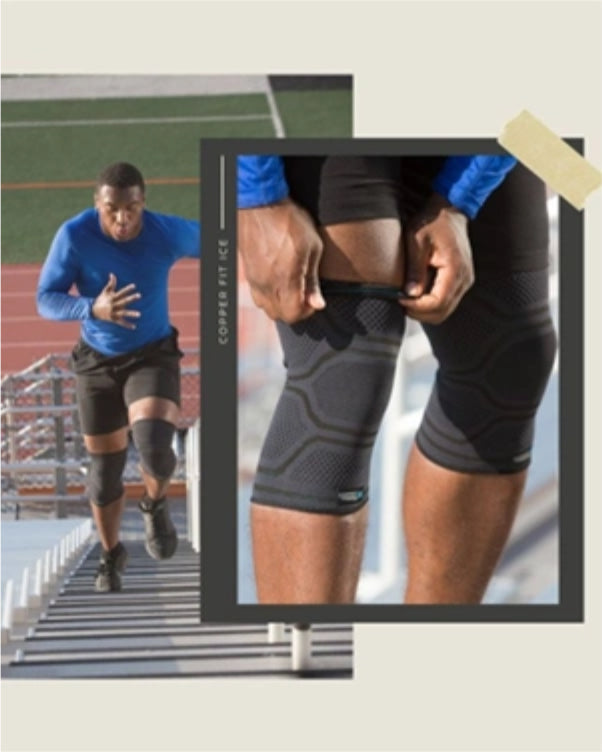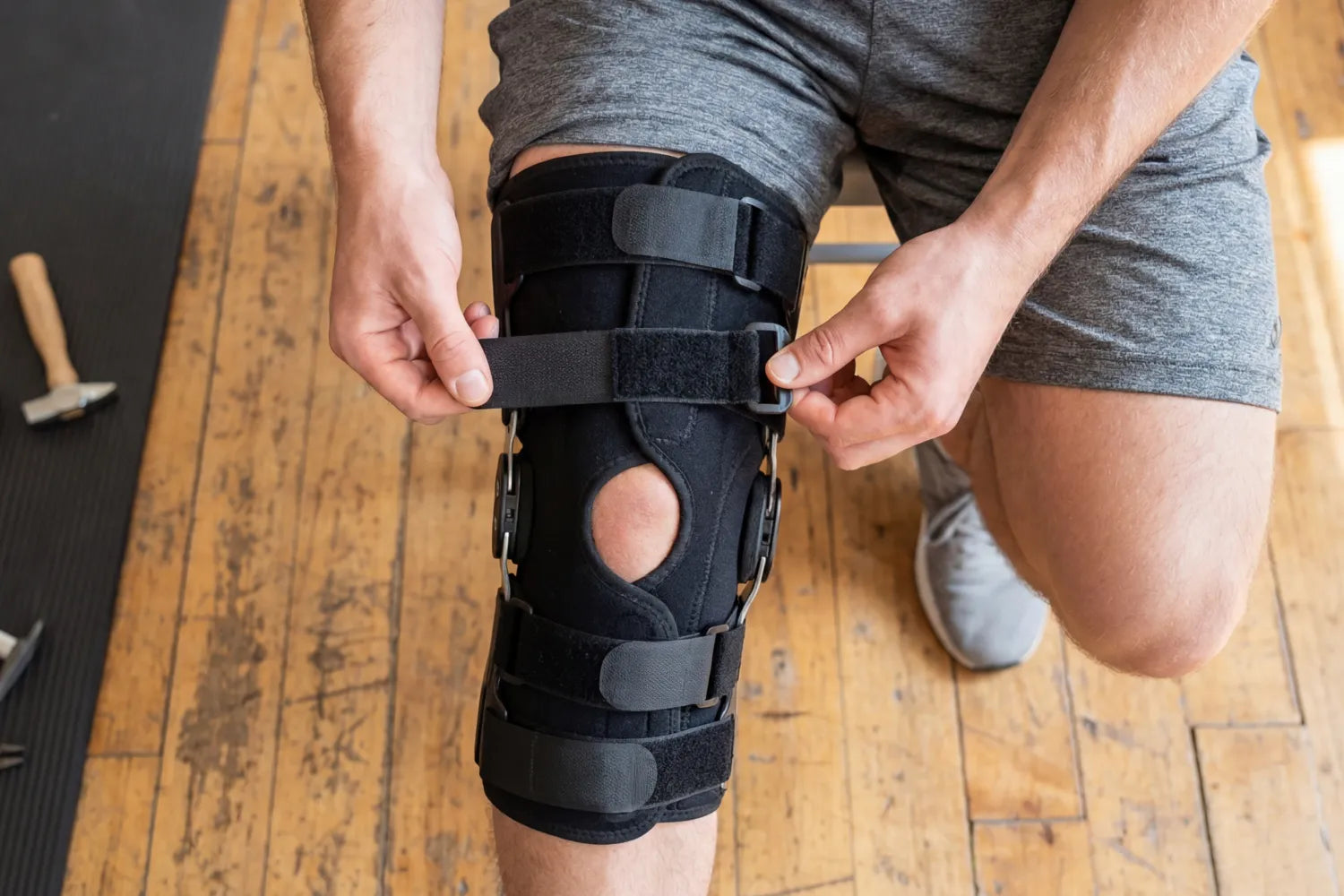
Key Takeaways
-
Most people wear a knee brace more consistently early on, then reduce use as strength and mobility improve.
-
The right brace helps support stability, movement, and healthy blood flow during recovery.
-
Recovery timelines vary, so it’s important to adjust based on your activity level and how your body responds.
A torn meniscus is one of the most common knee issues that can disrupt movement, create tension, and extend recovery time if not managed properly. But with the right approach, you can stay active while supporting your recovery. A knee brace is often part of that process, helping provide stability and confidence as you move.
So, how long should you wear a knee brace for a torn meniscus? The answer depends on your recovery stage, your activity level, and how your knee responds over time.
What Is a Meniscus Tear?
The meniscus is a small pad of cartilage in the knee joint, and it plays a key role in how your knee functions. It acts as a cushion between the bones in your joint, helping absorb impact and support smooth, controlled movement. When it’s working properly, your knee feels stable and responsive.
When a tear occurs , that balance changes. You may notice stiffness, reduced flexibility, and a feeling of instability when walking, bending, or standing for longer periods. Everyday movements can feel more demanding, and your knee may not respond the way you expect.
Meniscus tears can happen during sports that involve quick direction changes, but they can also develop during everyday activities like pivoting or stepping awkwardly. Over time, natural wear can also contribute.
This is where proper support becomes important. Staying active is still possible, but your knee may need extra stability to move with confidence. Supporting the joint during recovery helps you maintain movement while minimizing added strain.
How a Knee Brace Supports Recovery
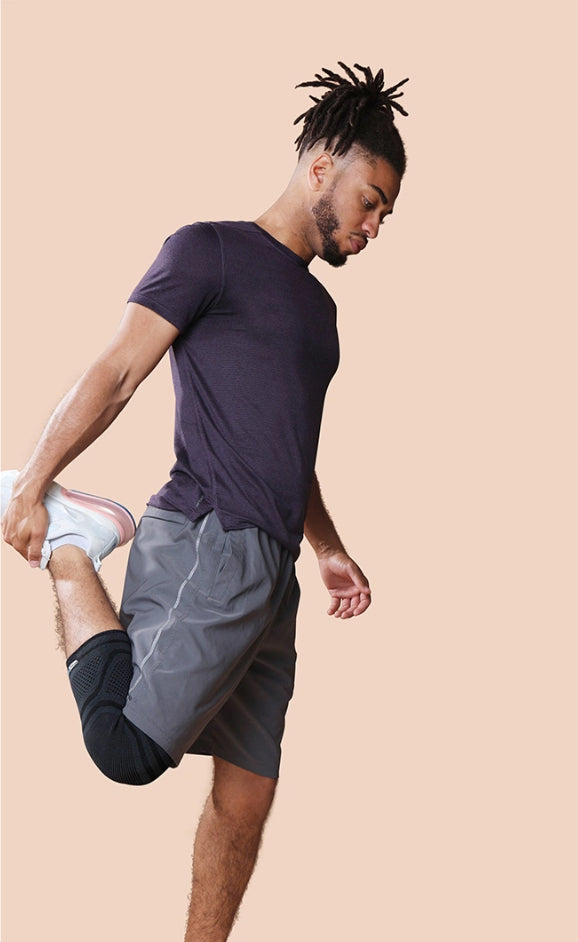
A knee brace works by helping stabilize the joint and support your natural movement patterns. When your knee feels more secure, it becomes easier to stay active without hesitation.
Compression is a key part of that support. Gentle compression helps support healthy blood flow , which plays a role in recovery, comfort, muscle function. A well-fitted brace can also help reduce excess movement that may lead to additional tension during activity.
Another benefit is consistency. Wearing a knee brace during the right times can help you maintain better alignment and control as you move through your day. That added stability can make a noticeable difference during walking, light exercise, or standing for extended periods.
How Long Should You Wear a Knee Brace?
While there isn’t a one-size-fits-all timeline, knowing the basics can help you get the most support from your knee brace.
In the early stage, more consistent wear is common. Your knee may feel less stable, and wearing a brace throughout the day can help support movement and reduce hesitation. This is often when you rely on it the most.
As you move into the mid stage of recovery, your knee may begin to feel stronger and more responsive. At this point, many people shift to wearing a brace during activity, long walks, or times when they expect more strain on the joint.
In the later stage, use typically becomes more selective. As mobility improves and strength builds, you may only need a brace during higher-demand activities. The goal is to gradually reduce reliance while maintaining confidence in your movement.
What Factors Can Affect Duration?
Several factors influence how long you’ll need to wear a knee brace.
-
Severity of tear: The severity of the tear plays a major role. More significant tears may require longer periods of consistent support, especially early on.
-
Activity level: If your daily routine includes a lot of movement, walking, or physical activity, you may benefit from wearing a brace more often compared to someone with a more stationary routine.
-
Recovery timeline: Recovery pace can vary from person to person. Some people regain mobility and strength more quickly, while others need more time to rebuild stability and confidence.
-
Guidance from your doctor: A medical professional can also help shape your timeline. They can provide insight based on your specific situation and help you adjust your approach as you progress.
Remember to listen to your body and pay attention to how it’s feeling day to day. This will help guide when to wear your brace and when to ease off.
Signs You May Need More or Less Support
As you move through the recovery process, your body will offer signs of how much support it still needs.
Indicators You May Need Continued Support
Your knee will often tell you when it still needs reinforcement. If you’re noticing ongoing stiffness, a feeling of instability, or hesitation during movement, it may be a sign to keep using a brace more consistently.
Discomfort during activity is another signal. If walking, bending, or light exercise brings back tension, added support can help you stay active without overloading the joint.
Indicators You May Be Ready To Scale Back
As your recovery progresses, your knee should start to feel more stable and responsive. Improved flexibility and smoother movement are strong signs you may not need as much support throughout the day.
If you’re able to complete daily activities without noticeable tension or instability, that’s another indicator you can begin reducing use. Strength gains and better control during movement also point toward progress.
Scaling back doesn’t mean stopping all at once. Gradually reducing wear while staying aware of how your knee responds helps you transition safely.
Tips for Supporting Knee Recovery While Staying Active
Staying active during recovery is important, but how you move matters just as much as how often.
Focus on controlled, low-impact movement . Walking, water aerobics, and gentle stretching exercises can help maintain mobility without placing unnecessary strain on the knee. Short, regular movement sessions are more effective than pushing too hard too quickly.
Rest still plays a role. Giving your body time to recover helps support muscle function and overall progress.
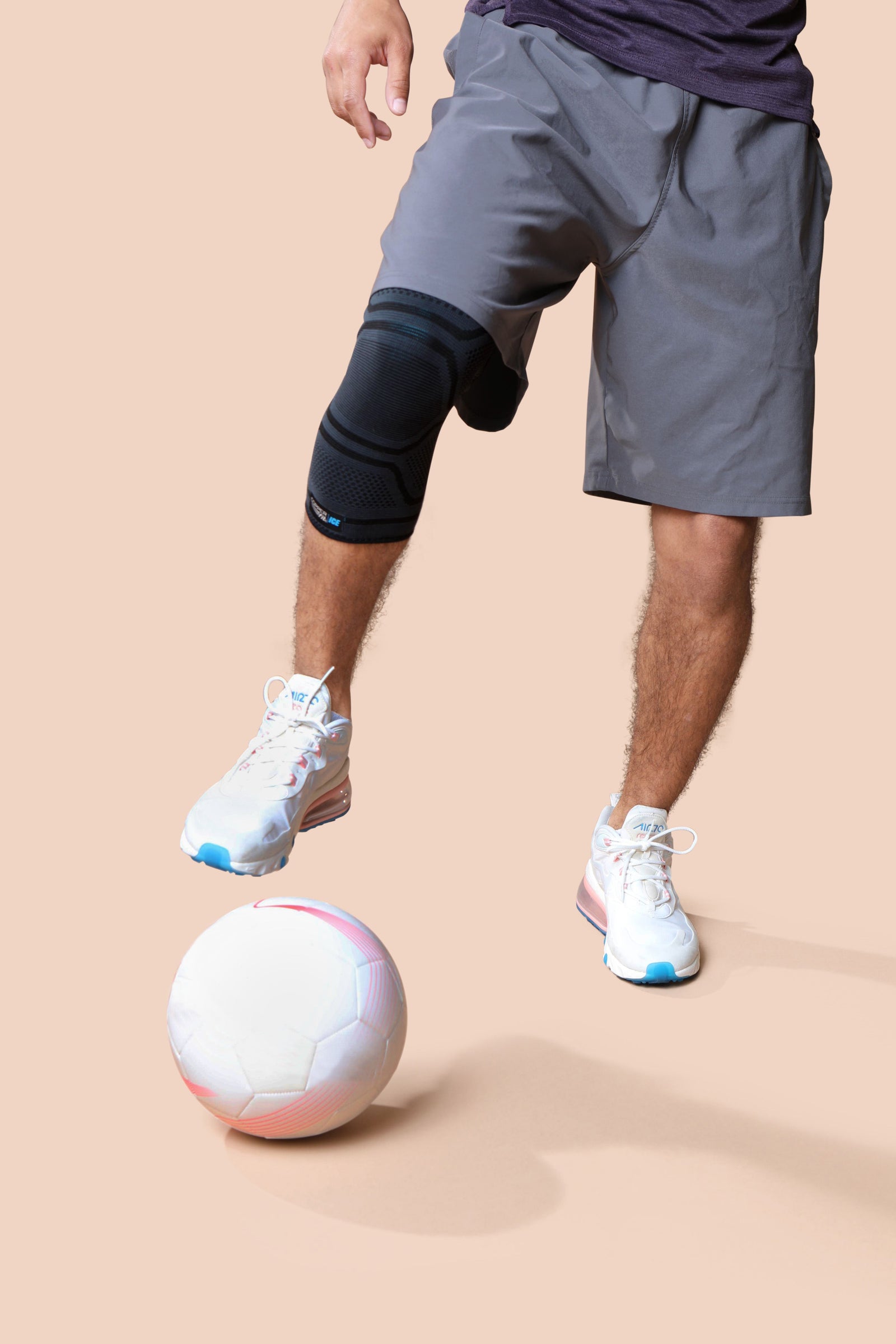
Supportive gear can also make a difference. A well-designed brace helps support alignment, encourages healthy blood flow, and helps soothe discomfort so you can keep moving with confidence.
How To Choose the Right Knee Brace for Your Needs
Not all knee braces are the same. The right knee brace should feel supportive without restricting movement.
A proper fit is essential. Too tight can limit comfort, while too loose won’t provide enough stability. Look for options that offer gentle, flexible compression that moves with your body.
Breathable, moisture-wicking materials help keep you comfortable during extended wear. This makes it easier to stay consistent, especially during daily activity or workouts. The goal is simple: support your movement, not limit it. The right brace helps you stay active while supporting your recovery process.
FAQ
How long should I wear a knee brace each day for a torn meniscus?
Most people wear a knee brace during activity or when they expect extended movement. In early recovery, this may mean several hours a day, while later stages often require less frequent use.
Should I wear a knee brace all day or only during activity?
It depends on your recovery stage. Early on, more consistent wear can help support stability. As your knee improves, wearing it during activity or higher-demand moments is usually enough.
Can wearing a knee brace for too long slow recovery?
Wearing a brace without maintaining movement can limit progress. It’s important to balance support with activity so your knee continues to build strength and mobility.
When can I stop wearing a knee brace for a torn meniscus?
You can begin reducing use when your knee feels stable, movement improves, and daily activities feel more controlled. Gradual reduction helps ensure your knee continues to adapt safely.
The Bottom Line
We understand how frustrating it can be when knee discomfort limits your movement and slows your progress.
At Copper Fit , we’re all about helping you move with confidence every day. Our compression sleeves and braces are designed to support your body’s natural recovery process, soothe discomfort, support blood flow, and promote muscle relaxation so you can stay active and keep going.
Recovery takes consistency, the right support, and a mindset focused on progress. With the right approach, you can reduce tension, improve mobility, and get back to doing what you enjoy stronger and more confident than before.
Sources:
Torn Meniscus | Johns Hopkins Medicine
Compression Clothing and Circulation Benefits | UPMC HealthBeat
Walking, cycling and swimming likely best exercise for knee osteoarthritis | BMJ Group