Key Takeaways
- Most people benefit from wearing a back brace for one to two hours at a time, depending on their activity level and comfort.
- Wearing a back brace during high-stress activities such as lifting, long sitting sessions, or workouts can help support posture and ease tension.
- Pairing a back brace with compression technology and hot or cold therapy can enhance recovery and help keep you moving comfortably.
Whether it shows up during your morning commute, halfway through a workout, or after a long day on your feet, back tension can throw you off your game. If you have started using a back brace for support, one of the first questions you are likely asking is: How long should I actually be wearing it?
The answer depends on a few factors, including your activity level, your comfort, and what you are trying to accomplish. Here is what you need to know.
How Long Should You Wear a Back Brace Each Day?
Most general guidelines recommend wearing a back brace for one to two hours at a time, for a total of a few hours throughout the day. This timeframe provides your back with the support it needs during high-demand moments without becoming a crutch your muscles rely on too heavily.
That said, the right duration varies by situation. Someone doing physical labor may benefit from wearing a brace during their entire shift, while someone managing post-workout soreness might only need it for an hour or two afterward. It is worth noting that wearing a back brace for extended periods without breaks can reduce core muscle engagement over time.
Next, let's look at when wearing a brace makes the most sense.
When Is the Best Time To Wear a Back Brace?
A back brace is most effective when worn during activities that consistently stress the back. Rather than wearing it all day without intention, focus on the moments when your back needs the most support.
Common situations where a back brace is especially helpful include:
- During heavy lifting, manual labor, or physically demanding work
- During long periods of sitting at a desk or standing in place
- During exercise, athletic training, or high-impact activity
- During post-activity recovery, when tension and soreness tend to peak
If you are considering wearing a back brace while sleeping, it is best to consult a healthcare professional to determine whether it is appropriate for your specific situation.
What Are the Benefits of Wearing a Back Brace?
Back braces offer meaningful benefits for active adults, athletes, and anyone navigating daily tension or soreness.
When used correctly and consistently, a back brace can:
- Support better posture: A back brace helps encourage proper spinal alignment during activity or prolonged sitting, reducing unnecessary strain on surrounding muscles.
- Help soothe tension: Compression around the lower back can help ease muscle tension during and after physical activity.
- Support healthy circulation: Consistent, gentle compression helps support natural blood flow to the muscles surrounding the lower back.
- Promote comfort during recovery: By providing stable support, a back brace helps ease discomfort so you can stay active rather than sidelined.
Tips for Getting the Most Out of Your Back Brace
A few simple habits can make your back brace significantly more effective. For instance, starting with shorter wear periods and building up gradually gives your body time to adjust to the compression.
Additional tips to keep in mind:
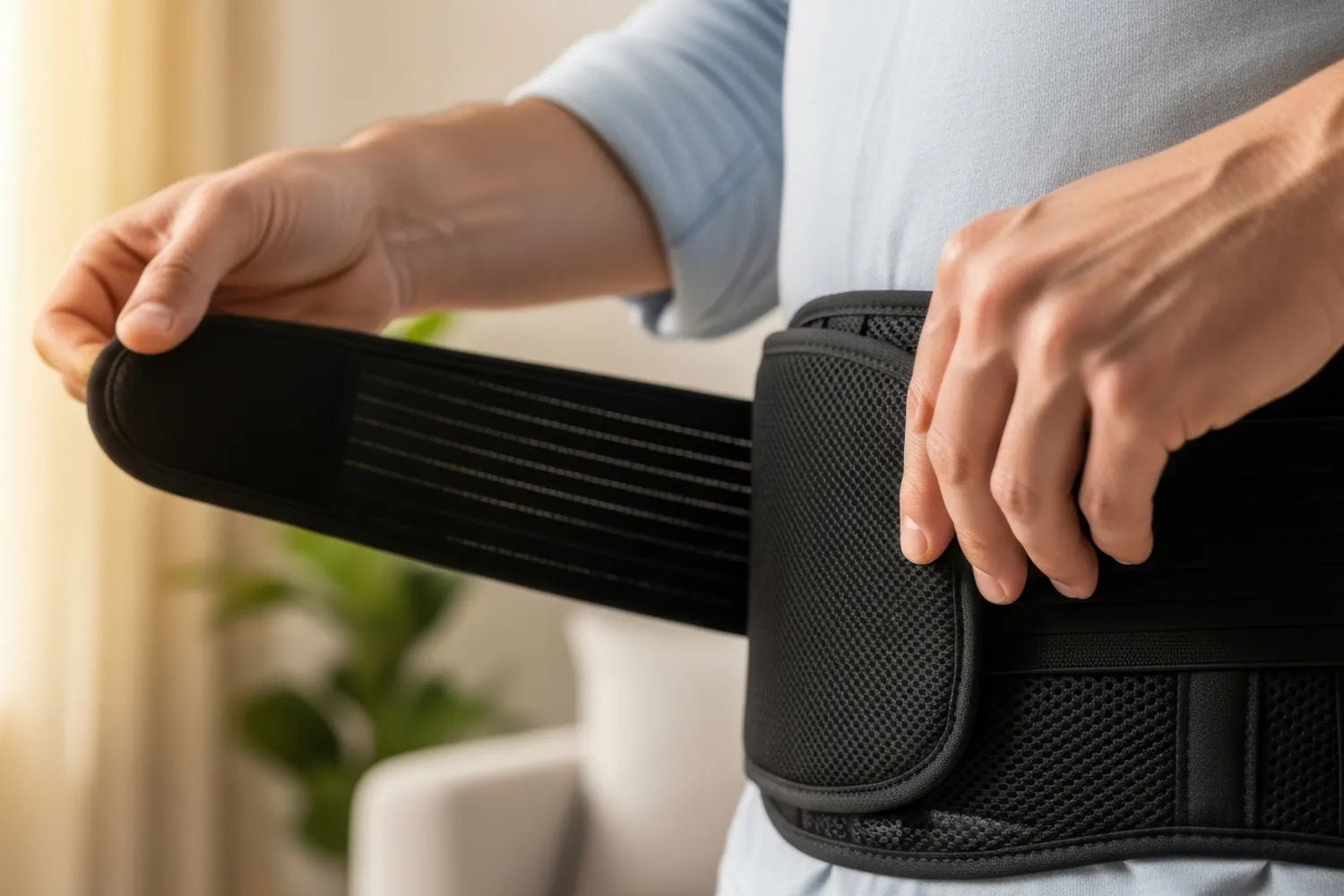
- Make sure the fit is snug and supportive without restricting your breathing or movement.
- Pair brace use with light stretching and gentle movement to keep the surrounding muscles engaged.
- Incorporate hot or cold therapy alongside compression for added recovery support, using cold therapy for recent soreness and heat for older tension or stiffness.
- Take intentional breaks throughout the day to allow your core muscles to work independently.
Frequently Asked Questions
Can you wear a back brace all day?
Wearing a back brace all day is generally not recommended, as extended use without breaks may reduce natural core muscle engagement. Most people benefit most from wearing a brace during specific high-demand activities or recovery periods.
Should you wear a back brace while sleeping?
In most cases, sleeping in a back brace is unnecessary and may interfere with rest. If you feel you need overnight support, consult a healthcare professional before making it part of your routine.
How do I know if my back brace fits correctly?
A properly fitting back brace should feel snug and supportive without digging into your skin or limiting your range of motion. If you notice discomfort, numbness, or restricted breathing, adjust the fit accordingly.
The Bottom Line
Here at Copper Fit , we understand what it feels like when back tension gets in the way of the things you love to do. That cycle of soreness, stiffness, and slow recovery is exactly what motivated us to create products built for real, active lives.
Our Rapid Relief Back Support is designed with adjustable compression so you can dial in the fit that works best for your body and your routine. It also supports both hot and cold therapy, giving you a versatile recovery tool whether you are dealing with fresh post-workout soreness or lingering stiffness from an older strain.
Because we believe there is a better way to move through discomfort, and our range of back braces and supports is built to help you do exactly that.
Sources:
Core strength training for patients with chronic low back pain | PMC
Proper posture and body alignment | Mayo Clinic