
Key Takeaways
-
Sitting for extended periods slows circulation in the legs, which can contribute to swelling, heaviness, and fatigue — and in more serious cases, raises the risk of deep vein thrombosis (DVT).
-
Compression socks are rated in mmHg (millimeters of mercury), and sit-heavy occupations typically benefit from moderate graduated compression.
-
Putting compression socks on before a shift — not after discomfort sets in — is the most effective way to support circulation throughout a long day of driving.
Long-haul trucking demands a lot from the body, even though the job looks stationary from the outside. Hours behind the wheel, minimal opportunities to stretch, and a cab environment that runs warm all add up to a unique strain on the legs and feet. Over time, this combination can affect circulation in ways that go beyond simple tiredness.
In this article, we'll break down why prolonged sitting affects blood flow, what mmHg compression levels mean for drivers, when to put on compression socks for the best results, and how to find a pair that fits comfortably under CDL-required gear.
Why Long-Haul Driving Stresses Circulation
The human body relies on movement to keep blood flowing efficiently, especially in the lower legs. Every time you walk or flex your calf muscles, they act like a pump, helping push blood back toward the heart.
When you're sitting for hours at a time, as most long-haul drivers are, that pump barely gets used. Blood can begin to pool in the lower legs, leading to that familiar heavy, swollen feeling by the end of a shift.
This isn't just a comfort issue. Prolonged sitting without movement is a well-documented risk factor for deep vein thrombosis (DVT), a condition where blood clots form in the deep veins, most often in the legs. Long-haul truckers, similar to airline passengers on long flights or office workers glued to a desk, fall into a higher-risk category simply because of how much time they spend sitting still.
Add in the heat generated by the cab and engine compartment, which can cause blood vessels to dilate and add to that feeling of heaviness, and it's easy to see why circulation deserves real attention in this line of work.
To be clear, compression socks are not a treatment or cure for DVT, and they shouldn't be treated as a substitute for medical advice. What they can do is support healthy blood flow during the long stretches of sitting that make up a trucker's workday, helping ease the discomfort that builds up over time.
Understanding mmHg for Long-Sit Occupations
Compression socks aren't one-size-fits-all when it comes to pressure. They're measured in mmHg (millimeters of mercury), which indicates how much graduated pressure the sock applies.
Compression levels generally fall into a few categories:
For truck drivers, moderate graduated compression tends to strike the right balance, offering enough support to make a difference during an 8-, 10-, or 12+ hour shift without feeling restrictive.
When To Put Compression Socks On
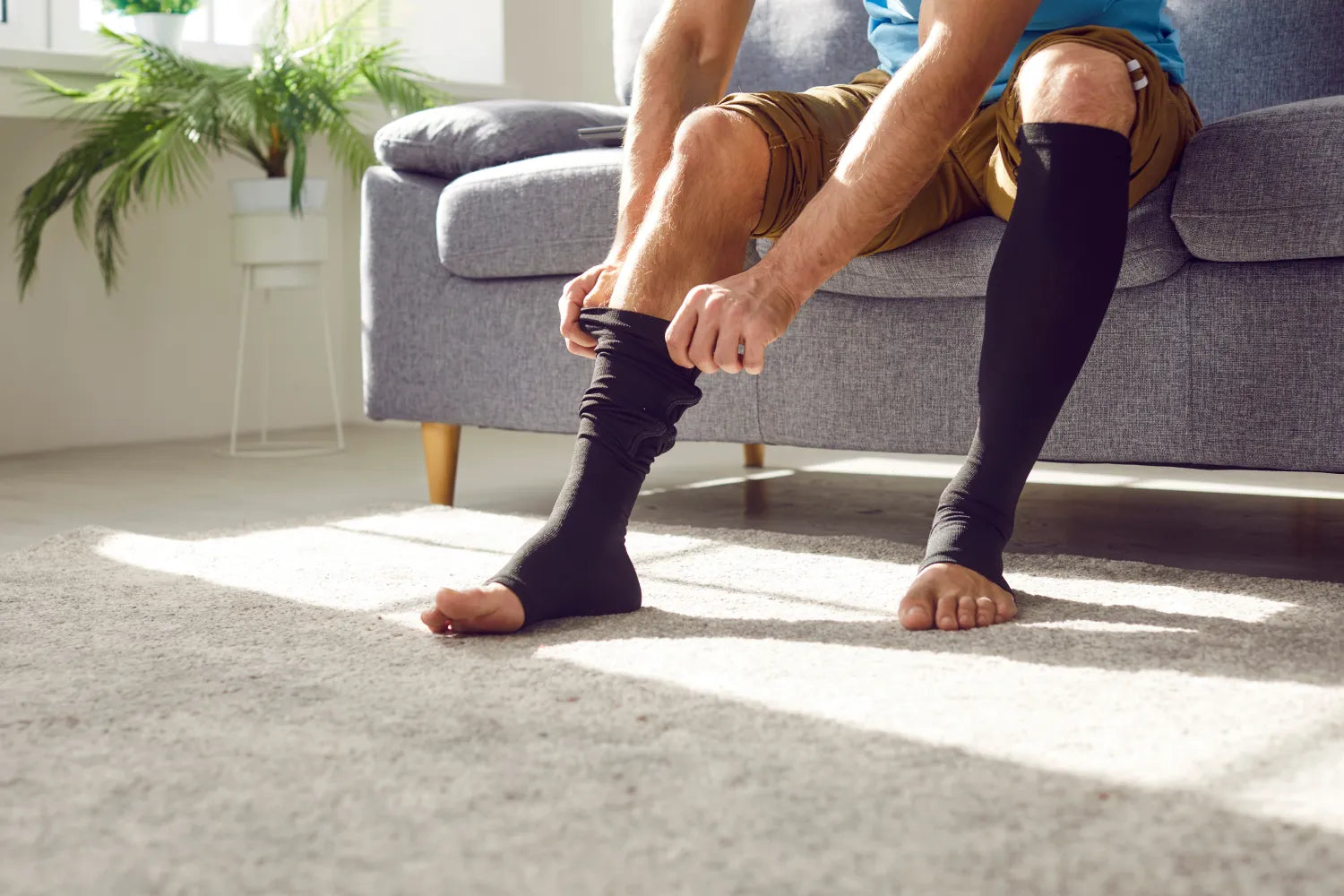
The most effective approach is to put compression socks on before a shift starts, rather than partway through the drive or after the legs already feel heavy or tight. Starting early gives the socks a chance to support circulation from the first mile, rather than playing catch-up once swelling has already set in.
This proactive approach matters even more for driving than it does for jobs that include regular movement breaks. A warehouse worker or retail associate might get natural relief just from walking to different parts of a building.
A long-haul driver often doesn't get that same built-in movement, which makes putting socks on early and keeping them on for the full shift a bigger part of staying comfortable on the road.
Breathable, moisture-wicking materials are worth prioritizing here, too. A 10-hour shift in the same pair of socks needs fabric that can keep up, without trapping heat or moisture against the skin.
Fit Under CDL Gear
Comfort under the wheel is only half the equation. Compression socks also need to work well with the rest of a driver's gear. Many truckers wear steel-toe boots or other safety footwear required for loading docks and stops along their route, so bulk and bunching are real concerns.
A few features to look for:
-
Seamless knit construction: Reduces friction and chafing from repetitive pedal movement over long stretches.
-
Low-profile design: Fits smoothly under boots without added bulk at the ankle or heel.
-
Moisture-wicking, odor-resistant fabric: Especially useful for multi-day routes or sleeper cab situations where changing gear isn't always convenient.
-
Proper sizing:A sock that's too tight at the top can restrict rather than support, so getting the right size matters as much as the compression level itself.
Getting this right means a driver can wear compression socks through an entire shift, seven days a week if needed, without them becoming one more source of discomfort.
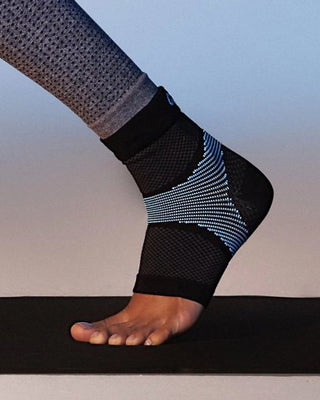
Our line of compression socks are built with these exact demands in mind, offering seamless, moisture-wicking designs that stay comfortable mile after mile. The Energy Compression Socks in particular are a solid fit for drivers, combining graduated compression with a snug, low-bulk fit designed to support healthy circulation during long hours in the seat.
FAQ
How long should I wear compression socks during a shift?
Most drivers get the best results wearing them for the full shift, since consistent, all-day wear supports circulation better than wearing them only part of the time.
Can compression socks fit under work boots?
Yes, a low-profile, seamless knit design is less likely to bunch or add bulk, making it easier to wear compression socks comfortably under safety footwear.
What compression level (mmHg) is best for truck drivers?
Moderate graduated compression (roughly 15–20 mmHg) is a common choice for sit-heavy occupations, though the right fit and comfort level can vary from person to person.
Do compression socks help with DVT?
Compression socks are designed to support healthy circulation and may help ease the discomfort associated with prolonged sitting, but they are not a treatment or cure for DVT — drivers with concerns should speak to a healthcare provider.
The Bottom Line
Staying comfortable behind the wheel isn't just about feeling better. It's about staying alert, staying mobile, and being ready for the next leg of the trip. Here at Copper Fit, we understand how tiring long hours in the driver's seat can be, and how easily that tension can build up mile after mile.
That's why we design our compression gear specifically to support healthy circulation and ease discomfort during the moments life demands the most from your body.
From graduated compression socks to hot and cold recovery accessories, Copper Fit is built for people who don't have the luxury of stopping, so you can stay focused on the road and feel your best when you get there.
Sources:
Vasodilation: What Causes Blood Vessels to Widen | Cleveland Clinic
Ice Packs vs. Warm Compresses For Pain | Johns Hopkins Medicine