Key Takeaways
-
Arm compression sleeves provide gentle, supportive pressure to support healthy blood flow and soothe muscle tension during and after activity.
-
They're useful across a wide range of activities, from lifting and team sports to long work days and travel.
-
Getting the right fit and wearing them correctly makes all the difference between a sleeve that supports your active lifestyle and one that just sits in a drawer.
Whether you're lifting, throwing, typing through a 10-hour workday, or chasing a personal best, your arms take on a lot of repetitive stress. That's where compression sleeves come in. They're a simple, straightforward tool built to support you through the grind, not just after it.
If you've been curious about compression sleeves but aren't sure where they fit into your routine, this guide breaks down everything you need to know.
What Are Arm Compression Sleeves?
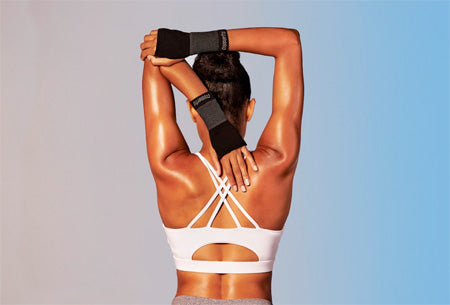
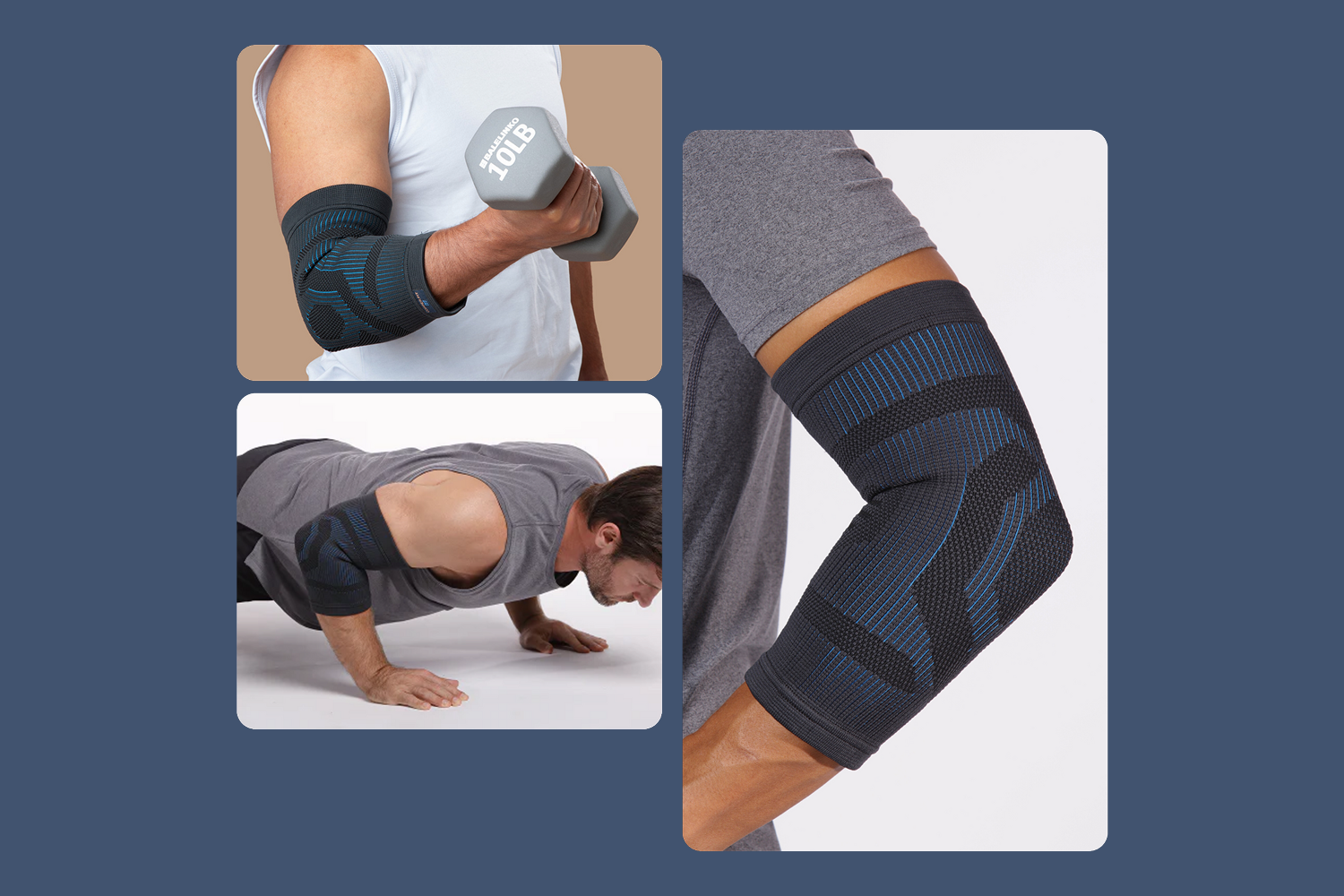
Arm compression sleeves are fitted, stretchy sleeves designed to be worn over the forearm, upper arm, or both. They apply gentle, even pressure to the skin, which can help support circulation and give your muscles a little extra support as you move.
Most quality sleeves are made from moisture-wicking fabric and feature a seamless knit construction that helps prevent chafing during high-rep movements or long wear. Some are infused with materials designed to help reduce odor buildup, like our copper-infused gear .
What Are the Benefits of Wearing Compression Sleeves?
Compression sleeves can help you feel your best, whether you’re in action or recovering.
Here's what they bring to the table.
Helps Support Healthy Blood Flow
By applying gentle pressure, compression sleeves encourage circulation in the arm, which is especially helpful during activities that involve repetitive motion or extended time on your feet. That steady pressure works with your body's own circulatory system, helping carry oxygen and nutrients to the muscles.
Soothes Muscle Tension and Soreness
After a tough workout or a long day of physical labor, your arms can feel tight and sore. By supporting those tired muscles with steady pressure, compression sleeves are designed to help soothe that tension so you can bounce back and keep moving.
Promotes Recovery Between Sessions
Consistency is everything when you're working toward a fitness goal. By encouraging circulation, compression can help support the body's process of clearing waste byproducts from muscle tissue after exertion.
Wearing a compression sleeve between sessions can help support your body's natural recovery process, so you're ready to show up again tomorrow.
Support Without Limiting Your Range of Motion
Nobody wants to feel restricted mid-workout. A well-made sleeve is built with stretch and flexibility in mind, so you get support without sacrificing your freedom of movement. A seamless, four-way stretch knit moves with the natural contraction and extension of your muscles, so the fabric flexes right along with your joints as you move through your day.
What Are the Best Uses for Arm Compression Sleeves?
One of the best things about compression sleeves is their versatility. They're not just for one type of athlete or one specific workout.
Here are some of the best times to use a compression sleeve.
-
During Workouts and Training. Whether you're lifting weights, running intervals, or grinding through a CrossFit WOD, a compression sleeve can offer supportive pressure right where you need it most.
-
During Sports. Basketball, baseball, tennis, golf. Any sport that puts repetitive stress on the arms is a great match for a compression sleeve. Throwing athletes, in particular, often lean on them for extra support through high-volume reps.
-
Post-Workout Recovery. You don't have to take the sleeve off when your workout ends. Wearing it during your cool-down or for a while afterward can help support your body as it recovers.
-
Everyday Use for Active Adults. Desk workers dealing with tension from typing, or anyone doing repetitive manual labor, can wear a compression sleeve throughout the day for added support.
-
Travel and Long Days on Your Feet. Long flights, road trips, or full days spent standing can leave your arms feeling stiff and heavy. A compression sleeve is an easy way to support circulation when you're stuck in one position for hours.
No matter what your day looks like, there's a good chance a compression sleeve has a place in it.
How To Choose the Right Compression Sleeve
Picking the right sleeve for your needs can make all the difference in how it performs for you.
Start With Sizing
Measure your arm circumference before you buy. A sleeve that's too loose won't offer real support, and one that's too tight can feel restrictive instead of helpful.
Consider Compression Level
Some sleeves offer a gentler level of compression, while others are built firmer. Think about what you're using it for. Everyday wear might call for something lighter , while intense training sessions might call for firmer support .
Look at the Material and Features
Breathable, moisture-wicking fabric with a seamless construction will serve you better than something bulky or itchy. Anti-chafe design matters more than people realize once you're a few hours into wearing one.
Some sleeves feature cooling technology for enhanced comfort and recovery support.
Match It to Your Activity
If you're constantly moving through a full range of motion, prioritize stretch and flexibility. If you need more targeted support in one area, look for sleeves designed with that in mind.
How To Properly Wear Compression Sleeves
Getting the fit right is half the battle. Here's how to do it correctly.
-
Measure your arm before purchasing to land on the right size.
-
Roll the sleeve on gradually, working it up in sections rather than yanking it into place. This helps avoid bunching and uneven pressure.
-
Position it correctly, making sure it covers the area you want supported, whether that's the forearm, bicep, or both.
-
Pay attention to duration. Some people wear sleeves only during activity, while others wear them throughout the day. Listen to your body and adjust as needed.
-
Check for proper fit. A good fit feels snug and supportive, never numbing or overly tight. If your fingers start tingling or your hand feels cold, it's time to loosen up or size up.
Taking the extra minute to get this right means you'll actually feel the benefits instead of fighting an uncomfortable fit all day.
FAQ
How long should I wear a compression sleeve each day?
It depends on your activity and comfort level. Some people wear them only during workouts, while others wear them for several hours during the day for ongoing support. Start with shorter periods and adjust based on your comfort.
Can I wear a compression sleeve on both arms?
Absolutely. Many people wear one on each arm, especially if both are involved in the same repetitive activity, like lifting or throwing.
Will a compression sleeve limit how I move?
A properly fitted sleeve shouldn't restrict your range of motion. Look for a seamless, flexible knit that moves with you rather than against you.
The Bottom Line
At Copper Fit , we're all about helping people stay in motion, no matter what that looks like for you. Whether you're chasing a new personal record, working through a demanding job, or just trying to get through a long travel day feeling like yourself, we believe you shouldn't have to slow down to do it.
Compression sleeves are one more tool in your corner, built to support your arms so you can keep showing up for the things you love. That's the whole idea behind everything we make: less tension, more movement, and a little more confidence in every step forward.
Sources:
Compression Clothing and Circulation Benefits | UPMC HealthBeat