Key Takeaways
-
Compression gloves won't cure carpal tunnel syndrome, but they may help support circulation and soothe tension in the hands and wrists from repetitive movement.
-
Proper fit, consistent use, and healthy wrist habits all play a role in getting the most out of compression gear.
-
Persistent numbness, weakness, or discomfort that disrupts daily life or sleep is a sign to see a doctor, not just a supportive glove.
If you spend your day typing, scrolling, gripping tools, or repeating the same hand motions over and over, you already know how that tension can build. Your wrists feel tight. Your fingers tingle by the afternoon. And somewhere along the way, you started wondering if there's something you can actually do about it.
Compression gloves come up a lot in this conversation, especially for people managing discomfort related to carpal tunnel syndrome or repetitive strain. But do they actually help?
Let's break down what carpal tunnel is, what's happening in your wrist, and how compression gear fits into a smart, supportive routine.
What Is Carpal Tunnel Syndrome?
Carpal tunnel syndrome occurs when the median nerve, which runs from your forearm into your hand, is compressed as it passes through the narrow carpal tunnel in your wrist. That nerve controls sensation and movement in much of your hand, so when it's under pressure, you feel it.
This is a diagnosed medical condition, and a doctor can confirm whether that's what's actually going on with your wrist. But understanding the basics helps you recognize the signs early and make smarter choices about how you support your hands day to day.
Common Causes and Symptoms
Carpal tunnel discomfort doesn't usually show up overnight. It tends to build gradually, often associated with repetitive hand motion or awkward wrist positioning.
Common contributors include:
-
Extended computer or keyboard use
-
Repetitive gripping tools, equipment, or sports gear
-
Vibrating tools or machinery
-
Wrist positioning during activities like cycling or lifting
-
Individual anatomy and genetics
As for symptoms, people often describe tingling or numbness in the fingers, a weaker grip than usual, and general tension or soreness in the wrist and hand. Symptoms often worsen at night or after repetitive activities during the day.
If any of this sounds familiar, you're already ahead of the game just by paying attention to it. This is exactly where many people start looking for supportive options, like compression gloves, to help manage day-to-day tension.
How Compression Gloves May Help
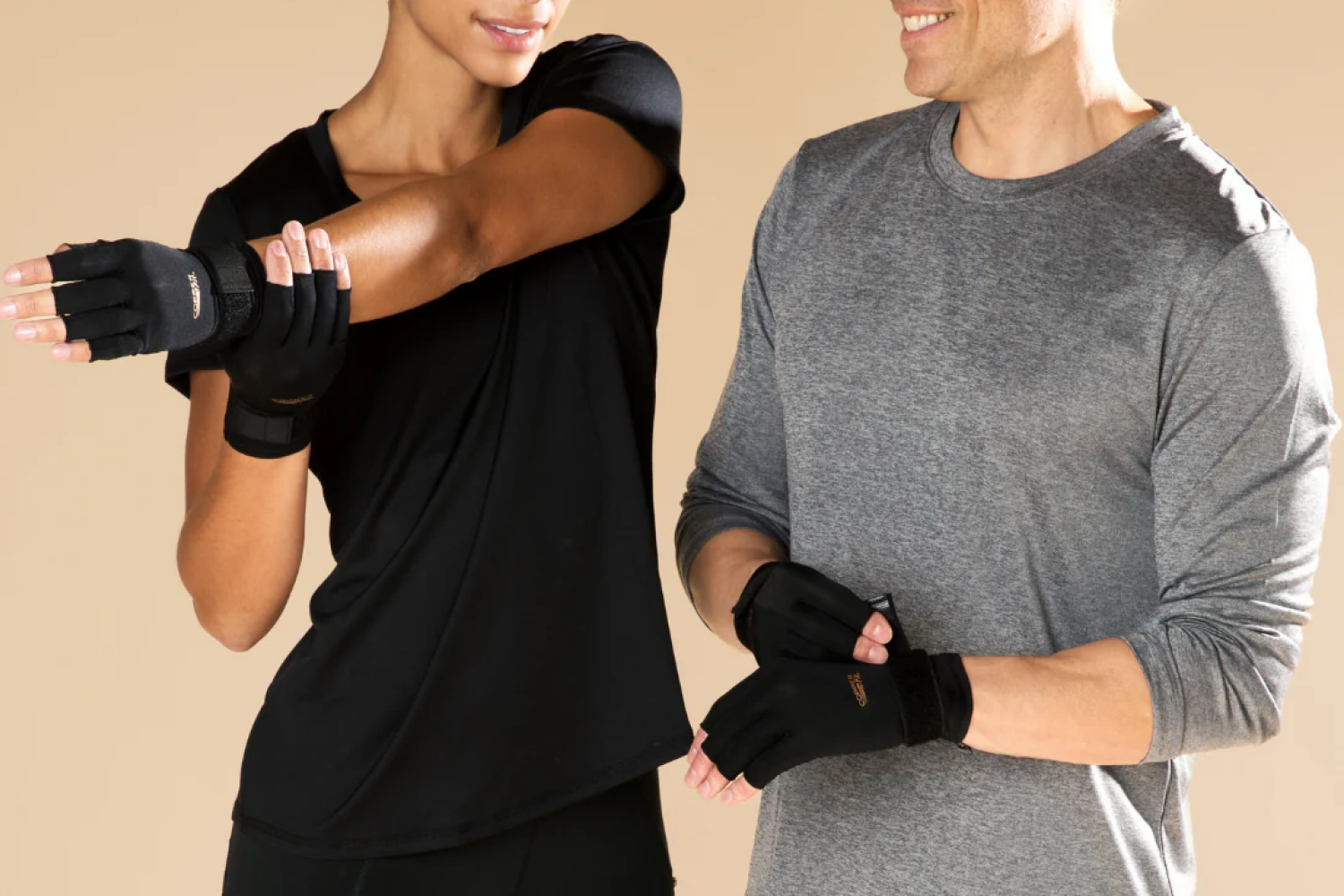
Here's where compression gloves can make a difference. The gentle, consistent pressure they apply can help support healthy blood flow and circulation to the hand and wrist. Better circulation is one of the foundational ways your body naturally eases tension and supports recovery after repetitive use.
Compression gloves may also help promote greater stability and support as you move through repetitive tasks, whether that's typing, lifting, or working with your hands all day. Many people find that wearing them helps soothe general soreness and tension that builds up over the course of a busy day.
How To Use Compression Gloves for Best Results
Getting the most out of your compression gloves comes down to a few simple habits:
Get the fit right
Compression should feel snug and supportive, never tight or restrictive. If your fingers go numb or your circulation feels cut off, size up.
Time it intentionally
Many people wear compression gloves during repetitive activities, like typing or manual work, or at night to provide extra support while resting. Some find relief wearing them after activity, when tension tends to build.
Pair them with movement
Gentle wrist stretches, hand exercises, and regular breaks during repetitive tasks go a long way toward preventing wrist pain. Compression gloves work best as part of a routine rather than as a standalone fix.
Stay consistent
Like most supportive gear, the benefits build with regular use. Wearing them occasionally won't do much. Making them part of your daily routine is where you'll notice the difference.
When To See a Doctor
Compression gloves can be genuinely helpful in your routine, but they have limits, and it's important to know where those limits are.
See a doctor or physical therapist if you experience:
-
Persistent numbness or tingling that doesn't improve with rest
-
Noticeable weakness in your grip or hand
-
Symptoms that interfere with sleep or daily tasks
-
Discomfort that continues or worsens despite supportive measures
A professional can properly evaluate what's going on and recommend a treatment plan built for you. Compression gloves are a supportive tool, not a diagnosis or a fix, and knowing when to bring in a professional is part of taking your hand health seriously.
Prevention Tips for Healthy Hands and Wrists
The best approach to hand and wrist health is proactive, not just reactive.
A few habits worth building into your routine:
-
Adjust your workstation ergonomics , including keyboard, mouse, and chair height
-
Take regular breaks during repetitive tasks to stretch and reset
-
Build wrist and forearm strength with simple mobility exercises
-
Wear supportive compression gear proactively, not just when discomfort shows up
Small, consistent habits add up. Taking care of your wrists before tension builds is always easier than trying to manage it after the fact.
FAQ
Do compression gloves cure carpal tunnel syndrome?
No. Compression gloves are a supportive tool that may help ease general tension and support circulation, but they are not a medical treatment or cure. Carpal tunnel syndrome should be evaluated and managed by a healthcare professional.
How often should I wear compression gloves?
Many people find the most benefit from wearing them consistently, whether during repetitive activities, at night, or after a long day of hand use. Consistency tends to matter more than occasional use.
Can compression gloves be worn while typing or working?
Yes, many people wear them throughout the workday for added support during repetitive tasks. Just make sure the fit is snug, not restrictive.
When should I stop using compression gloves and see a doctor instead?
If you notice persistent numbness, weakness, or discomfort that disrupts your sleep or daily activities, it's time to check in with a professional rather than relying solely on supportive gear.
The Bottom Line
Here at Copper Fit , we know how much repetitive strain and everyday tension can hold you back from doing what you love. That's why we design our compression gear to help support healthy circulation and soothe tension, so you can keep moving through your day with a little more comfort and a lot more confidence.
Sources:
Carpal tunnel syndrome - Symptoms and causes | Mayo Clinic
Compression gloves for patients with hand arthritis (C-GLOVES): A feasibility study | PMC
11 wrist and hand stretches for strength and mobility | Medical News Today