

Key Takeaways
- Compression gloves apply gentle, even pressure and warmth that can help soothe stiffness and discomfort in the hands. They are a comfort tool, not a treatment.
- Cold weather, repetitive tasks, overuse, and long stretches of inactivity are common triggers for arthritis-related hand discomfort.
- Gloves work best as part of a bigger routine that includes gentle hand exercises, regular breaks, and a wrist-friendly workspace.
If twisting a jar lid feels like a workout, or gripping the steering wheel takes a minute of warming up, you’re not alone. Arthritis affects roughly one in five American adults. The good news is that you’re not stuck.
Compression gloves are a simple, practical tool that can help you stay comfortable and keep doing what you love. Here’s how they work, what can make discomfort flare, when to wear them, and other habits that keep your hands moving.
What Can Cause Arthritis-Related Discomfort to Flare?
Discomfort doesn’t always stay at the same level. Knowing your triggers helps you plan ahead.
Here are a few common triggers:
- Cold weather: Chilly temperatures can slow circulation and make joints more sensitive, and joints may also react to shifts in barometric pressure.
- Inactivity: Moving less can leave joints stiff, and stiffness is often worse right after you wake up.
- Repetitive motion: Typing, texting, knitting, and gripping tools work the same small joints over and over.
- Overdoing it: A full day of yard work or an extra round of golf can leave hands tired and tense.
- Awkward wrist positions: Working with your wrists bent puts extra strain on your hands.
By understanding what causes your hand discomfort, you can take steps to manage it.
How Do Compression Gloves Help with Arthritis?
Compression gloves apply gentle, consistent pressure to your hands and fingers, which can help with arthritis-related discomfort. Graduated pressure can support healthy blood flow and provide your joints with a sense of stability. The fabric also retains heat, which can help stiff hands feel looser, especially in the morning or on cold days.
Results vary from person to person. If your discomfort is persistent or getting worse, check in with your doctor or a physical therapist.
When To Wear Compression Gloves for Best Results
Compression gloves work best when you match the right pair to the moment. Here’s when to reach for them and which glove is best for the job.
First thing in the morning
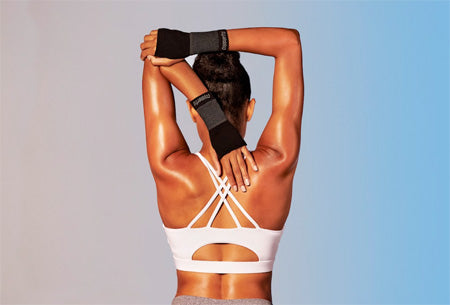
Stiffness tends to peak when you wake up. Slip-on Hand Relief Compression Gloves for moderate compression and warmth as you get your day going. The open-finger design keeps your fingertips free for buttons and coffee mugs.
During hand-heavy tasks
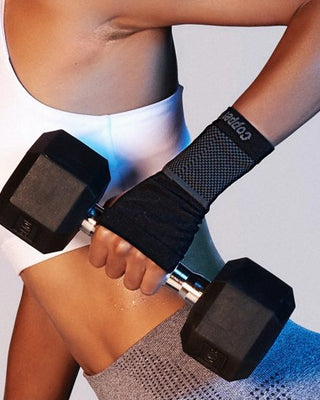
For gardening, cooking, or driving, the non-slip Sure Grip silicone on Hand Relief gloves adds control on jar lids, tools, and the steering wheel. If you type or write for long stretches, Wrist Relief Plus uses a beaded cushion and flexible stay to help keep your wrist in a neutral position.
During and after workouts
Mobilizer Gloves pair targeted compression with LumaCore Blu Infrared fibers in a breathable knit, built for lifting, golf, and riding. When the day is done, ICE Compression Gloves deliver a menthol-infused cooling sensation that helps soothe tired, tense hands.
Outdoors in cold weather
The GuardWell Hand Protector adds full-finger coverage and warmth, with touchscreen-friendly fingertips so you can use your phone without taking them off.
Fit matters as much as timing. Gloves should feel snug and supportive, never restrictive. Check the size guide, and take them off if your fingers tingle or feel numb.
Other Tips for Managing Hand and Wrist Discomfort
Gloves work best as one part of a bigger game plan.
- Move your hands daily: Gentle exercises can help stretch and strengthen the muscles in your hands and fingers, easing stiffness. Try a soft fist, finger bends, and touching each fingertip to your thumb.
- Use warmth before activity: Warm water or a heat wrap can help stiff hands loosen up.
- Cool down after: A cooling sensation can help soothe tired, tense hands.
- Take breaks: Pause during repetitive tasks to stretch and shake out your hands.
- Set up your workspace: Keep wrists neutral with a padded support like Wrist Relief Plus.
- Work smarter: Jar openers and wide-handled utensils take the strain off your grip.
- Get expert input: A hand therapist can build a plan that fits your needs.
FAQ
Can I sleep in compression gloves?
Many people do. Choose a comfortable, moderate-compression pair, and remove them if your fingers tingle or feel numb.
How tight should compression gloves be?
Snug enough to feel supportive without leaving marks or limiting movement. Always check the size guide before ordering.
Should I choose fingerless or full-finger gloves?
Fingerless styles keep your fingertips free for detailed tasks like typing and cooking. Full-finger styles add warmth and coverage outdoors.
What does the copper in Copper Fit gloves do?
Copper is infused into the fabric to help reduce odors, so your gloves stay fresher between washes.
The Bottom Line
Here at Copper Fit, we know how frustrating it is when stiff, tense hands slow you down. We know the cycle: discomfort makes you move less, and moving less makes everything feel tighter. We believe there’s a better way.
That’s why we design gloves and wrist supports that help soothe discomfort and support healthy blood flow, so you can keep doing what you love, from your morning coffee to your weekend tee time. Your hands work hard for you every day. Give them the support they deserve, and keep moving.
Sources:
Compression gloves for patients with hand arthritis (C-GLOVES): A feasibility study | Sage Journals
Exercises for pain-free hands, Harvard Health Publishing
Special arthritis gloves are no better than looser fitting alternatives, NIHR Evidence
Why Is Arthritis Worse in the Winter? | Cedars-Sinai