Key Takeaways
-
Soccer's cutting, twisting, and contact movements put unique stress on the knees, making support a priority for players at every position.
-
The right knee brace depends on playing style. Defenders, midfielders, and goalkeepers each place different demands on the joint.
-
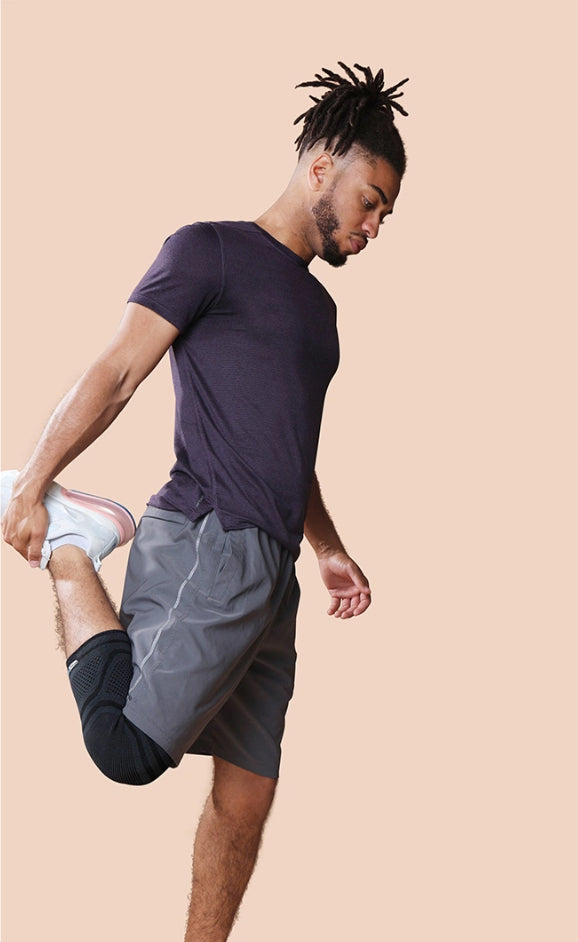
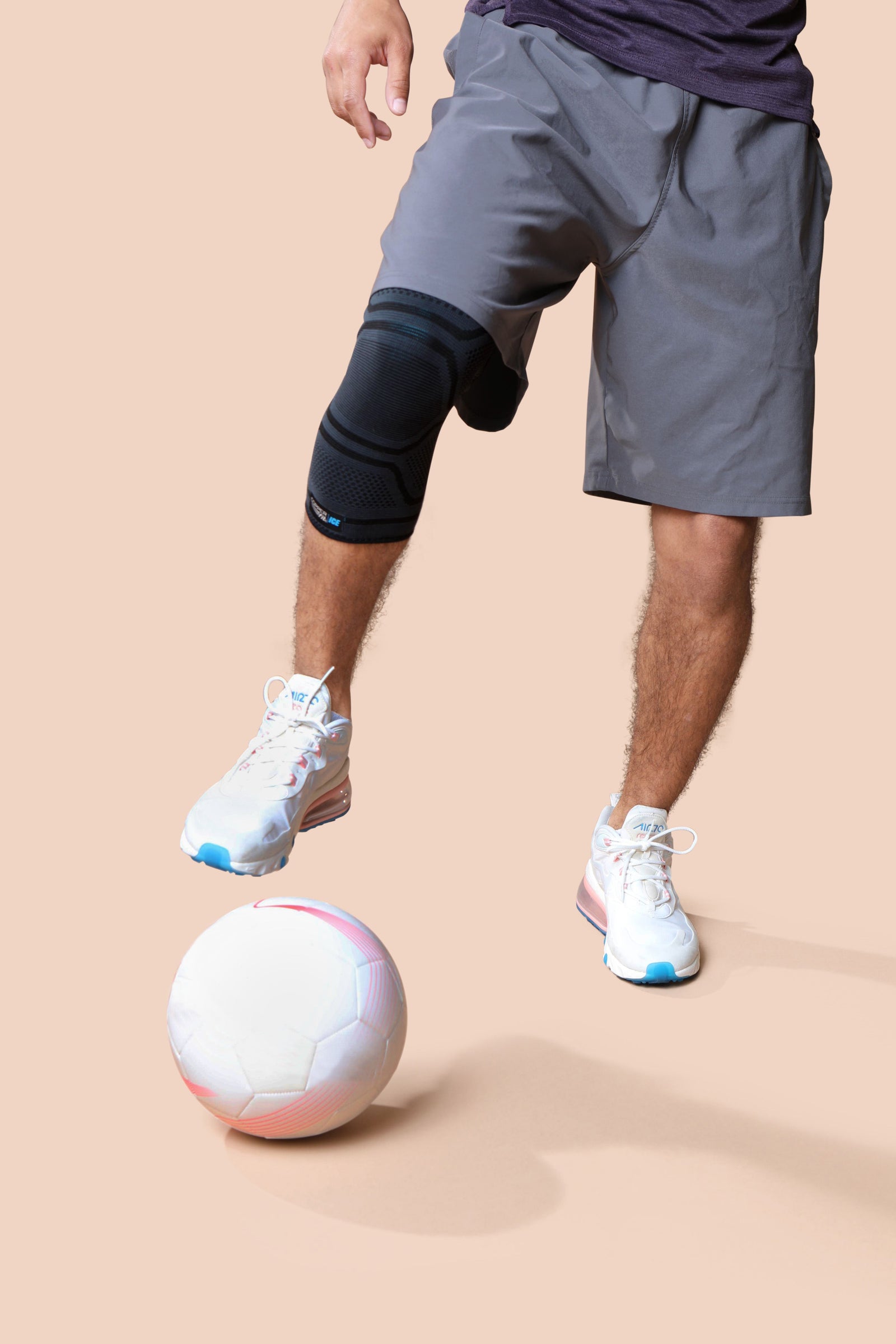
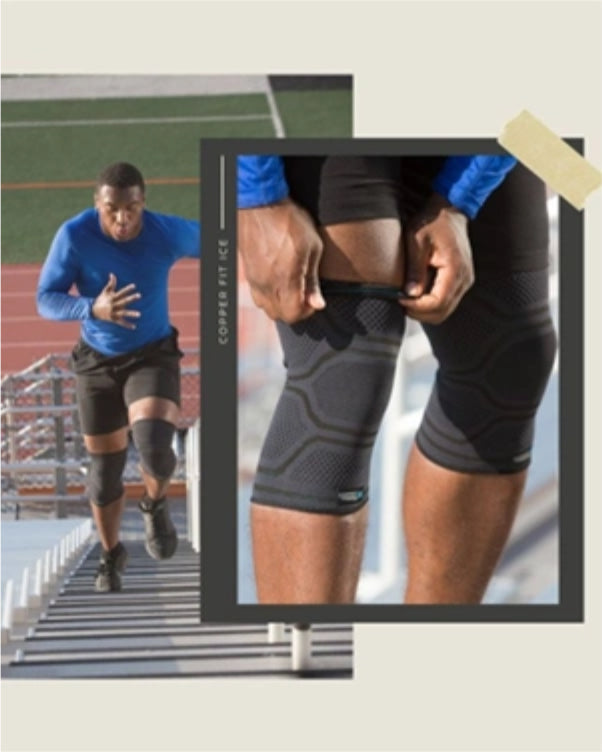
Copper Fit knee sleeves and braces are designed to help support players before, during, and after activity, whether the goal is staying comfortable on the field or easing soreness afterward.
Soccer asks a lot of the knees. Between explosive sprints, sudden changes of direction, and physical battles for the ball, players place repetitive stress on this joint every time they step onto the field. Understanding where that stress comes from can help players choose gear that keeps them moving with confidence.
Here at Copper Fit, we design compression sleeves and braces to help support players through training, matches, and recovery.
Why Soccer Puts Unique Stress on the Knees
Soccer's combination of cutting, pivoting, and physical contact creates specific stress patterns on the knee joint that differ from most other sports.
A systematic video analysis of professional soccer players found that 88% of ACL injuries occurred without direct knee contact, with pressing, being tackled, and kicking as the most common situational patterns. This means the knee often comes under strain from the body's own movement, not just from collisions.
Three movement patterns tend to place the most demand on the knee joint in soccer:
-
Planting and rotating, which happens during sharp cuts and changes of direction
-
Tackles and physical contact, which can push the knee sideways under load
-
Twisting motions, which occur when the foot stays planted while the body rotates
For instance, meniscal strain commonly results from twisting the knee while the foot is planted, such as during a sudden turn. This movement happens constantly throughout a soccer match.
Choosing a Knee Brace Based on Your Position
The ideal knee brace depends on the specific demands of a player's position on the field. Unlike defenders, who need heavier, more stabilizing support for tackles and aerial duels, midfielders benefit more from lightweight, flexible compression that will not restrict their constant cutting and turning.
|
Position |
Primary Movement Demands |
Support Priority |
|
Defender |
Tackling, jumping, physical contact |
Stability and heavier compression |
|
Midfielder |
Constant cutting, turning, sustained running |
Flexible, freedom-of-movement support |
|
Goalkeeper |
Diving, lateral shuffling, lunging |
Secure, durable compression |
Preventive Support vs. Post-Activity Recovery
Knee support generally serves two purposes: supporting the knee during activity and aiding recovery afterward. In short, when a player wears support matters just as much as what kind of support they choose.
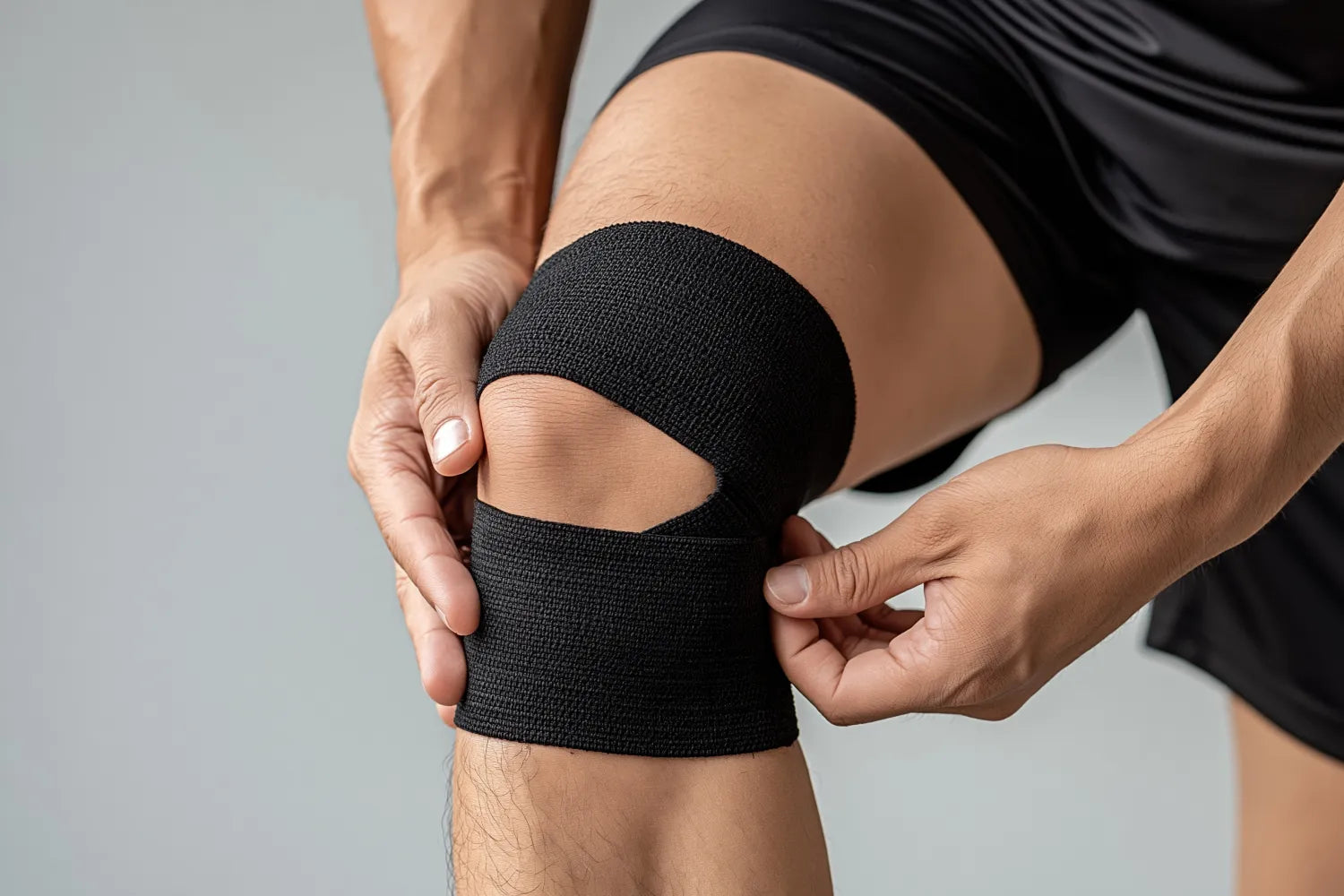
During training and matches, a compression sleeve can help support healthy blood flow and help soothe tension before it builds. Afterward, that same player might switch to a wrap designed to help soothe soreness following repeated cutting and pivoting.
Some players need more structure than a compression sleeve alone can offer, particularly those recovering from PCL injuries or players managing recurring tension in high-contact positions like defenders or goalkeepers.
In these cases, the Copper Fit Natural Motion Knee Brace can help. Its X-PIVOT hinge and rigid side supports provide added lateral stability, while still allowing a smoother, more natural bending motion during play.
What To Look for in a Soccer Knee Brace
The best soccer knee brace balances support, mobility, and comfort. Be cautious of any sleeve or brace that sacrifices one of these for the others, since overly restrictive support can limit performance just as much as no support at all.
When shopping for a soccer knee brace, prioritize:
-
Compression appropriate for the intensity of the activity
-
Breathable, moisture-wicking material suited for match conditions
-
An anti-chafing, seamless design that will not restrict movement
-
Copper-infused fabric, which helps reduce odor with repeated wear
FAQ
Do knee braces help prevent soccer injuries?
Knee braces are designed to provide compression support during movement, but they should be used alongside proper training, conditioning, and technique work.
Can I wear a knee brace during an entire soccer match?
Many compression sleeves are designed for all-day wear, making them suitable for full matches, training sessions, and travel days.
What's the difference between a knee sleeve and a knee brace?
Sleeves typically provide gentle, all-over compression, while braces may include additional structure for higher-demand movement.
How do I care for a copper-infused knee sleeve?
Most copper-infused sleeves can be hand-washed and air-dried to help maintain their compression and odor-reducing properties over time.
The Bottom Line
Here at Copper Fit, we understand that soccer players can put a lot on their knees. From cutting and pivoting to physical contact and twisting, the demands are constant, and so is the need for reliable support.
Our compression knee sleeves and braces are built to help players stay comfortable during play and supported afterward, so they can focus on their next match instead of their next setback.
Sources:
Biomechanics of the Meniscus and Meniscal Injury | ScienceDirect