Key Takeaways
-
CrossFit's mixed modal demands, including squats, box jumps, Olympic lifts, and running, place unique multi-directional stress on the knee that single sport gear isn't built for.
-
Sleeve thickness and compression level should match the movement: thinner sleeves work better for jumping and running, while thicker or hinged support suits heavy squats and lateral stability work.
-
Recovery tools like hot and cold therapy wraps help athletes bounce back between WODs without limiting daily mobility.
For heavy squat and lift-focused days, a hinged or rigid knee brace offers the lateral stability CrossFit demands, while thinner compression sleeves are better suited to jump-and-run-heavy WODs where full range of motion matters more. The Natural Motion Knee Brace, Pro Series Knee Sleeve, and Rapid Relief Knee Wrap from Copper Fit each cover a different part of that split, from heavy lifting days to post-WOD recovery.
This guide explains why CrossFit is different, how to choose the right sleeve thickness for your training split, and which support options are best for specific workouts.
How Does CrossFit Put Unique Demands on Your Knees?
CrossFit programming rotates through movement patterns that each load the knee differently.
A single Workout of the Day (WOD) might include:
-
Deep squat flexion under a loaded barbell
-
High impact landings from box jumps
-
Rotational stress from Olympic lifts like the clean and jerk
-
Repeated knee flexion and extension during running or rowing
A systematic review published in The Physician and Sportsmedicine found that the knee accounts for roughly 18 percent of all CrossFit-related injuries, ranking behind only the shoulder and spine.The most injured areas were the shoulder (26%), spine (24%), and knee (18%) according to the pooled data.
Ultimately, the high-impact exercises included in CrossFit can put pressure on the knees. However, the right support can keep you feeling strong, stable, and moving at your best.
Types of Knee Support and Where They Fit in CrossFit
CrossFit programming calls for more than one kind of knee support, since a heavy squat day and a jump-heavy metcon place very different demands on the joint.
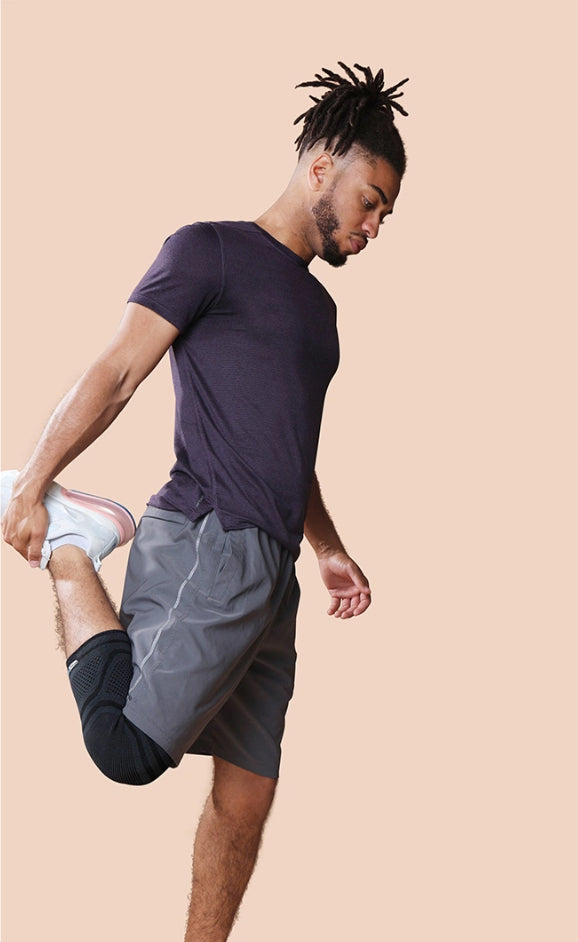
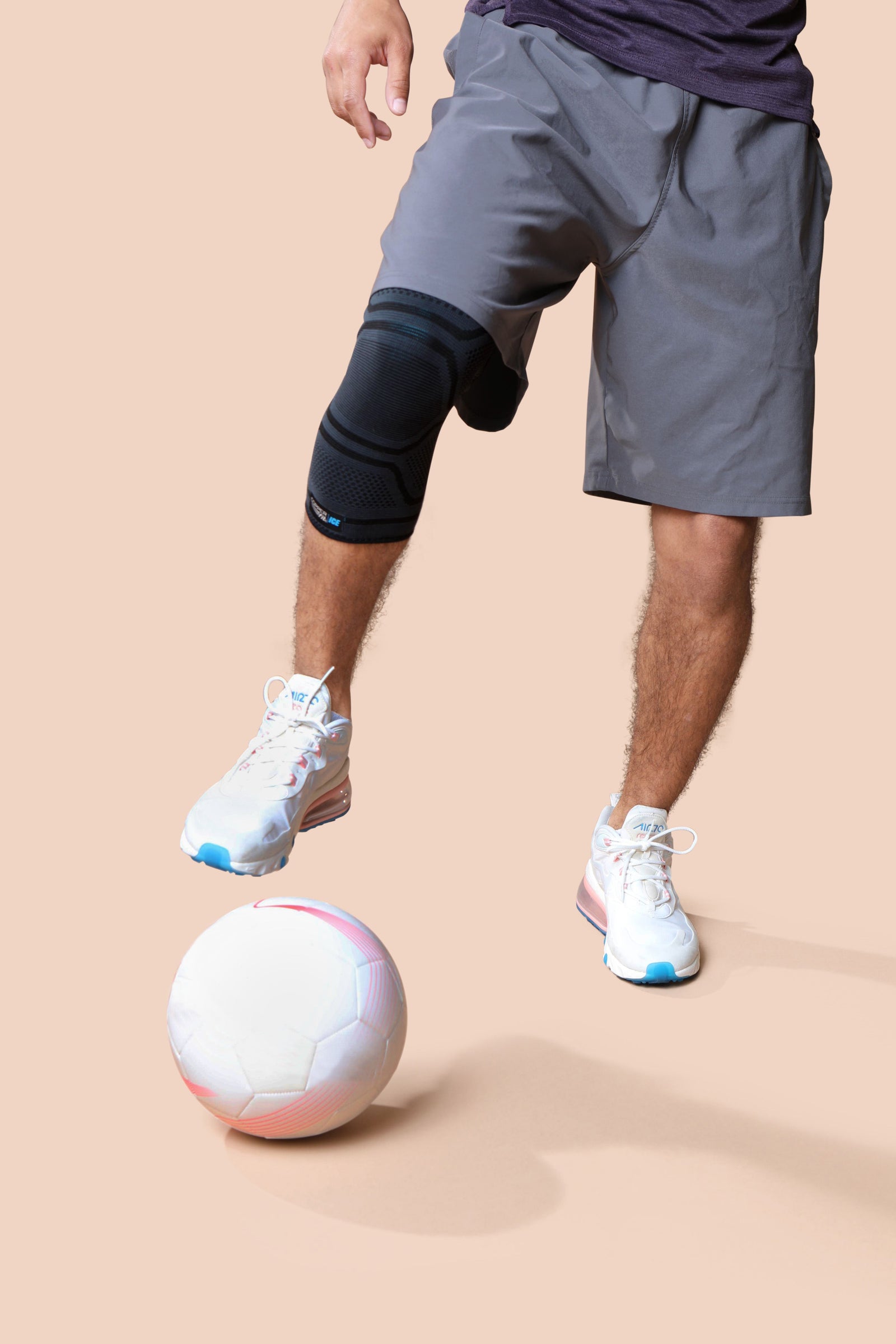
Compression sleeves apply light-to-medium pressure and work well for movements that require a full range of motion, such as box jumps, double unders, and running intervals.
A study published in the Journal of Sport and Health Science found that compression garments supported venous return and muscle blood flow in the lower limbs. Hinged or rigid braces add structure along the sides of the knee, which matters most during heavy squats, lunges, and Olympic lifts where lateral stability is a priority.
Research published in the Journal of Bodywork and Movement Therapies found that a compression garment worn on the thigh improved knee control and safety perceptions during a single-leg hop task, suggesting that added structure around the joint can support control during dynamic, load-bearing movements.
Top Knee Support Picks for CrossFit Athletes
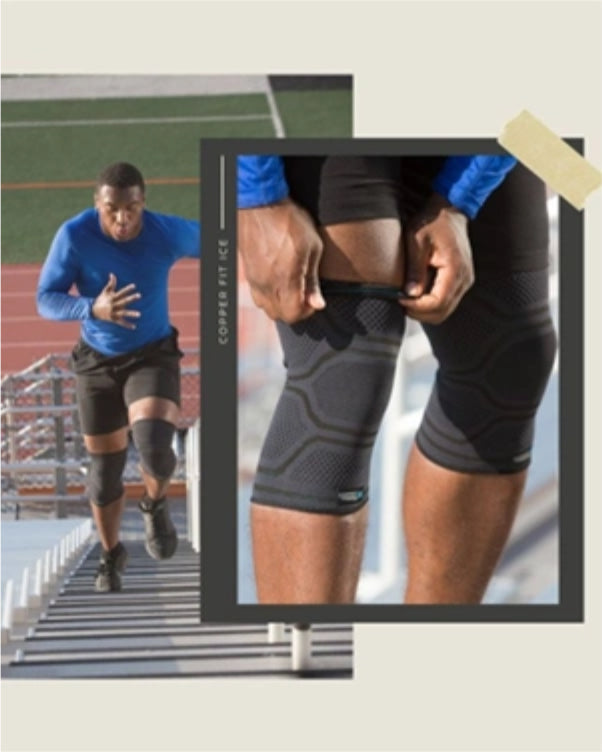
Our Pro Series Knee Sleeve features a thin, breathable, moisture-wicking build with four-way stretch, making it ideal for jump-and-run-heavy days when full mobility matters most. The Natural Motion Knee Brace adds rigid side supports and an adjustable strap system, which helps stabilize the joint during heavier loaded movements.
The Rapid Relief Knee Wrap rounds out a training week by supporting recovery between sessions. This means heat therapy is typically best suited to tension that has lingered a day or more, while cold therapy works well for soreness from that day's training.
Matching Your Brace to Your Training Split
Rotating support gear based on programming can help athletes stay consistent. Be cautious of wearing a rigid, hinged brace during high-rep jump work, since it may limit the natural flexion needed for safe landings. Save the hinged option for heavy squat- or lift-focused days, and switch to a flexible sleeve on days built around speed and volume.
FAQ
Do I need a different knee brace for squats versus box jumps?
Yes. Squats benefit from more rigid, hinged support, while box jumps call for a thinner, flexible sleeve that will not restrict range of motion.
Can I wear a knee sleeve for an entire WOD?
Most compression sleeves are built for all day wear, but it helps to check in with how your knees feel between movements and adjust as needed.
Is hot or cold therapy better after CrossFit training?
Cold therapy is typically used for soreness from that day's training, while heat therapy suits tension that has been present for a day or longer.
What is the difference between a knee sleeve and a knee brace?
Sleeves provide flexible compression for mobility heavy movements, while braces add rigid structure for stability during heavier loads.
Sources: