Key Takeaways
-
Stunting and tumbling cause the majority of cheerleading injuries, and both put heavy, repeated stress on the knees.
-
Landing with too little knee bend increases stress on the knee, so landing technique matters as much as the support you wear.
-
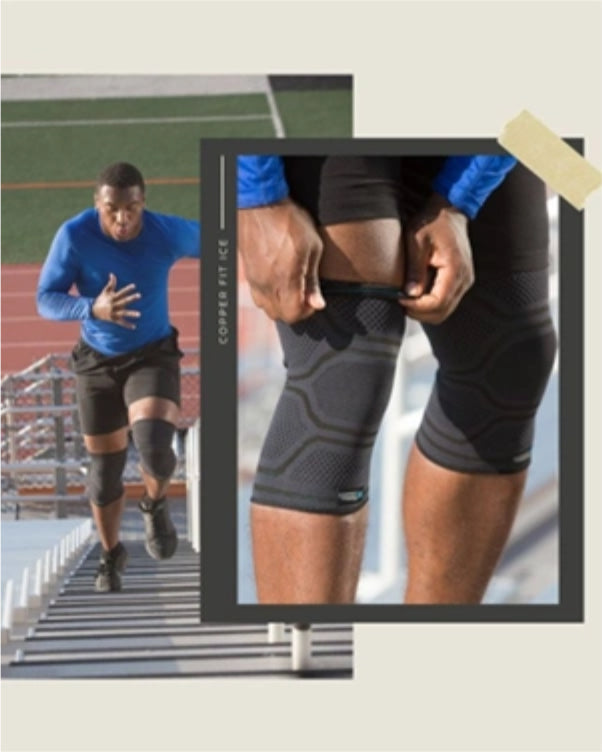
Knee sleeves provide all-around compression for full practices, while patellar straps target the area just below the kneecap for jumper's knee.
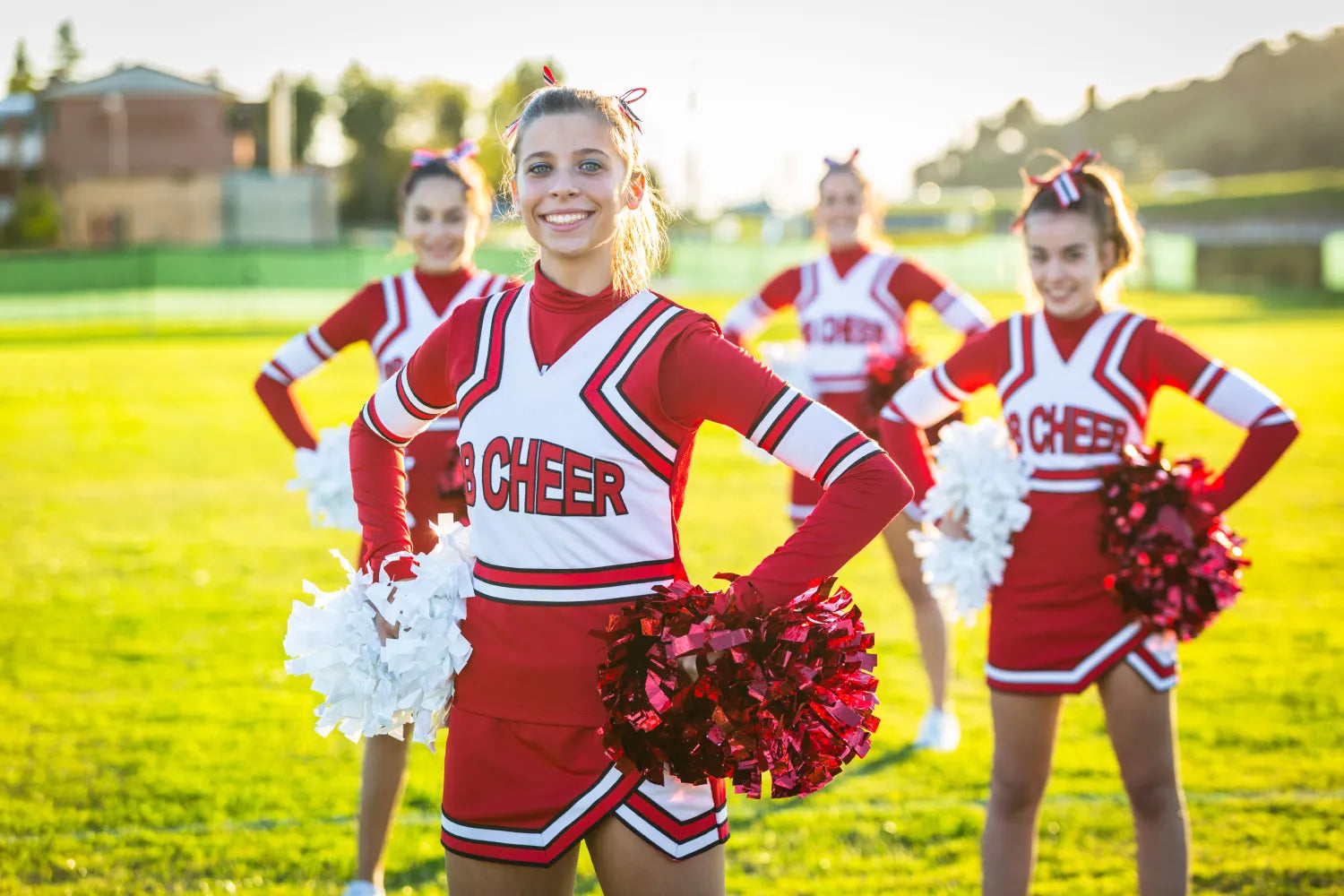
Cheerleading is a full athletic discipline. Between standing tumbling, toe-touch jumps, and multi-level stunts, a single practice puts your knees through dozens of hard landings and loaded squats.
Over time, that repetition can build into soreness and tension that holds you back on the mat. The right knee support helps you train with confidence.
Below, we'll break down where cheer stresses the knees, how sleeves and straps compare, and which supports fit each role.
How Does Cheerleading Stress the Knees?
Cheerleading stresses the knees through repeated high-impact landings, explosive jumps, and the load of lifting and catching teammates. According to the American Academy of Pediatrics, stunting accounts for 53% of cheer injuries and tumbling for 21%, while bases make up 46% of injuries, flyers 36%, and spotters 10%.
Each part of a routine loads the knee differently:
-
Tumbling landings:A systematic review of cheerleading injuries found that landing with less than 90 degrees of knee bend increases shear force on the ACL, and that flips create more lower-limb strain than jumps because the landing is less cushioned.
-
Jumps:Toe-touches, herkies, and pikes load the front of the knee with every takeoff and landing.
-
Stunts: Bases absorb a flyer's weight from a deep squat during catches and dismounts.
In short, nearly every skill in a routine asks your knees to absorb force.
Knee Sleeves vs. Straps: Which Is Better for Jumper's Knee?
For jumper's knee, a patellar strap offers the most targeted support, while a knee sleeve is the better all-around choice for full practices. Jumper's knee affects the patellar tendon, which connects the kneecap to the shinbone.
Research indicates that jumper's knee most often occurs in sports that involve strenuous jumping and heavy quadriceps loading, such as volleyball and basketball. Cheer checks both boxes.
Straps show promise. In a randomized controlled trial, athletes with jumper's knee reported significantly less discomfort during a single-leg decline squat when wearing a patellar strap or sports tape compared with no support. However, the results did not differ significantly from those with the placebo tape.
What Are the Best Copper Fit Knee Supports for Cheerleading?
The best choice depends on your role and whether you need support during practice or afterward for recovery.
Best for Tumbling and Full Practices: Pro Series Knee Sleeve
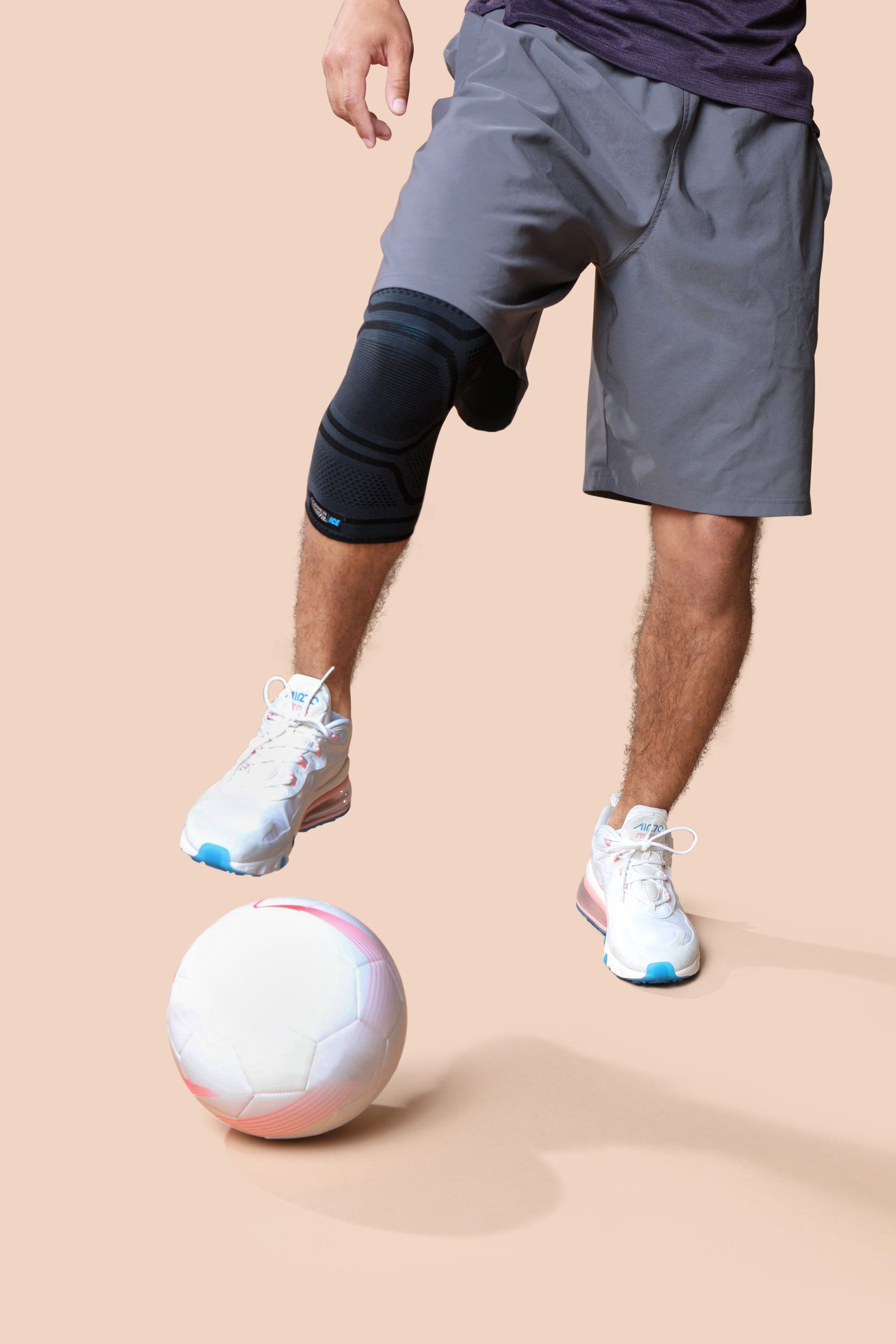
The Copper Fit Pro Series Knee Sleeve combines light-to-medium targeted compression with built-in kinesiology bands for dynamic support. Its 4-way stretch moves with you through tumbling passes, and a reinforced band helps keep it in place.
Best for Bases: Natural Motion Knee Brace
The Copper Fit Natural Motion Knee Brace features rigid side supports with an X-PIVOT hinge for a smoother bending motion. Its open patella design helps keep the kneecap in position. Be sure to check your league's rules on hinged braces before stunting.
Best for Recovery: Rapid Relief Knee Wrap
The Copper Fit Rapid Relief Knee Wrap holds a hot or cold gel pack against the knee. Use cold for fresh soreness right after practice, and heat for lingering tension beyond a day.
FAQ
Should cheerleaders wear knee sleeves during practice?
Many cheerleaders wear knee sleeves for light compression during tumbling and jumps. Choose a low-profile sleeve that stays in place.
Can flyers wear knee braces?
Flyers can wear low-profile sleeves, but bulky braces may interfere with grips during stunts. Check with your coach first.
Is heat or ice better after cheer practice?
Cold is typically used for fresh soreness, while heat is typically used for tension lasting longer than a day.
How tight should a knee sleeve be?
A knee sleeve should feel snug without restricting movement. If it slides during tumbling, try a smaller size.
The Bottom Line
Here at Copper Fit, we know how hard cheerleaders train and how quickly soreness can slow you down. That's why our compression gear is designed to help support your knees through every jump, pass, and stunt, then help you recover so you're ready for the next practice.
Every sleeve and brace is copper-infused to reduce odors, because long practices shouldn't follow you home. Train hard, recover smart, and keep moving.
Sources:
Safety in Cheerleading: Epidemiology and Recommendations: Policy Statement | Pediatrics