Key Takeaways
-
The right insole type depends on your foot shape, where you feel discomfort most, and the shoes you wear every day.
-
Full-length insoles, heel cups, and arch support inserts each solve a different problem, so matching type to need matters more than picking the priciest option.
-
Insoles work best as part of a bigger routine that includes supportive footwear, stretching, and smart recovery habits.
Heel and arch discomfort is no joke. It may show up after a long shift on your feet, a weekend hike, or just walking the dog every morning. Whatever the trigger, one thing is clear: when your feet are uncomfortable, everything else gets harder.
The good news is that a well-chosen insole can make a real difference in how your feet feel by the end of the day. But walk down any insole aisle (or scroll through an online store), and you will find dozens of options claiming to be the best.
This guide breaks down the different types of insoles, what each one is actually built for, and how to figure out which is right for your feet.
What Is Plantar Fasciitis?
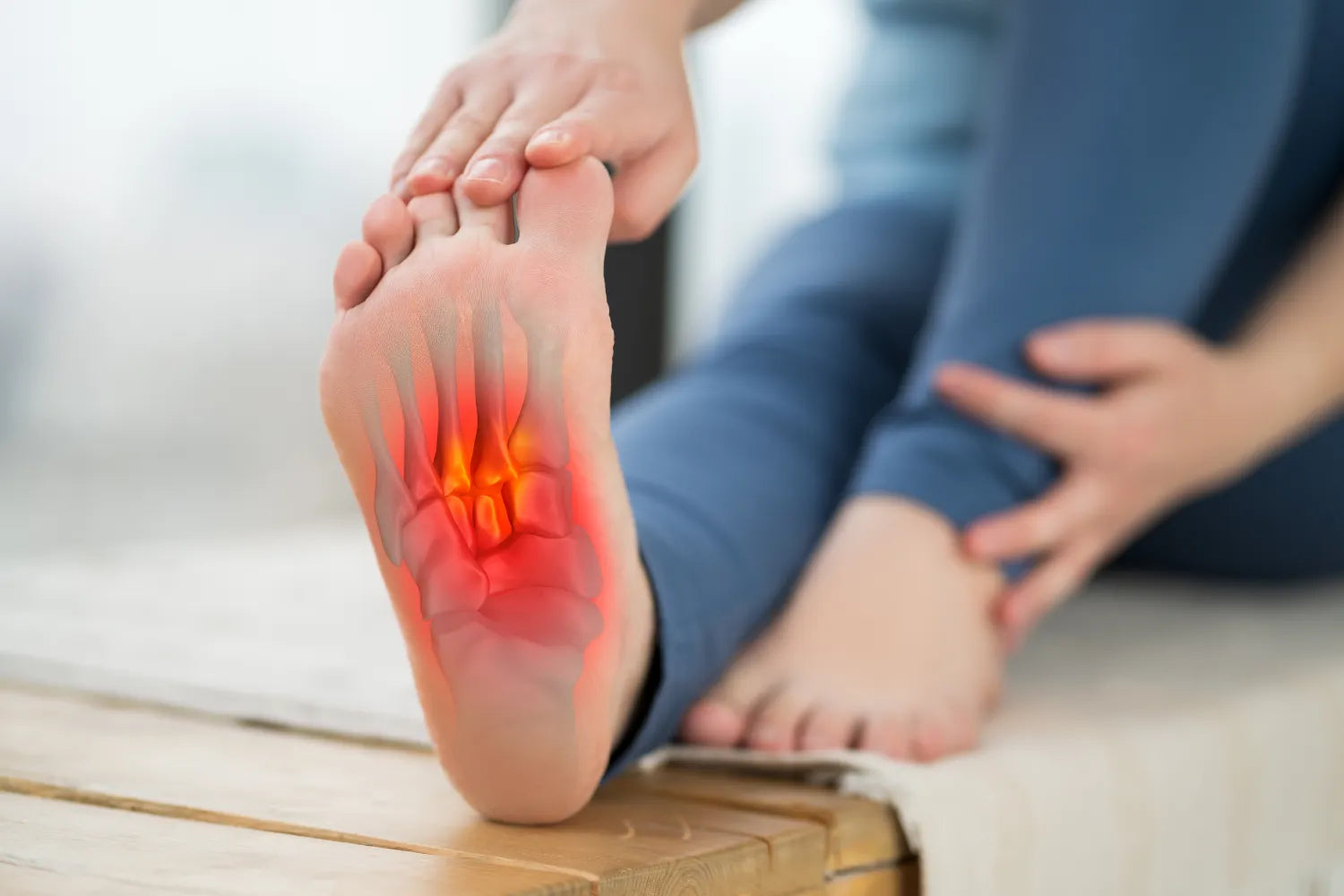
Plantar fasciitis is one of the most common causes of heel discomfort, affecting the band of tissue (the plantar fascia) that runs along the bottom of the foot connecting the heel to the toes.
It often develops gradually from things like:
-
Spending long hours standing or walking, especially on hard surfaces
-
Wearing shoes that don’t offer enough support or cushioning
-
Sudden increases in activity, like ramping up a running routine too quickly
-
Tight calf muscles, which can pull on the bottom of the foot
If discomfort is persistent or interfering with daily activities, it’s worth checking in with a podiatrist or doctor. In the meantime, footwear and insole choices can play a big role in how supported your feet feel day to day.
None of this means you have to slow down or give up the activities you love. It just means your feet may need a little extra support to keep up with everything you are asking them to do. That is exactly where the right insole comes in.
How Can Insoles Help?
Insoles provide your feet with the structure and cushioning that many shoes don’t offer on their own. A supportive insole can help cradle the arch, cushion the heel with each step, and encourage more even weight distribution across the foot.
This added support can help reduce excess strain on the areas that tend to feel it most during long days on your feet or high-impact activity. While insoles aren’t a cure, they are a simple, accessible way to help your feet feel more supported through everyday movement.
Types of Insoles Explained
When it comes to insoles, it can feel like there are endless options to choose from. Understanding the main types of insoles and their roles can help you narrow down your choices.
Full-Length Insoles
These replace the entire factory insole from heel to toe. They are a solid choice if you need consistent support and cushioning throughout your whole foot, and they work well in sneakers, walking shoes, and work boots alike.
3/4-Length Insoles
These cover the heel through the ball of the foot but stop short of the toes. They are a great option for shoes with less room, like dress shoes or slimmer sneakers, where a full-length insole simply will not fit.
Heel Cups and Heel Cradles
If your discomfort is concentrated right at the heel, a heel cup offers targeted cushioning exactly where you need it. These are compact, easy to move between shoes, and a good starting point for anyone dealing with heel-specific tension.
Arch Support Inserts and Orthotic Insoles
These are contoured to help support your arch and encourage more natural alignment while you stand and walk. They are especially helpful for people with flat feet, high arches, or those who spend long hours on their feet. Our Copper Fit Arch Wave Orthotic Insoles are built with this in mind, designed to help support the arch and promote comfort as you move through your day.
Custom vs. Over-the-Counter Orthotics
Custom orthotics are molded specifically to your foot by a podiatrist and tend to come with a bigger price tag and a longer wait. For most people, a quality over-the-counter insole offers plenty of support without the extra cost or time. Custom options generally make the most sense for very specific foot structures or ongoing, significant discomfort that has not improved with other solutions.
Best Insoles for Plantar Fasciitis
The type of insole that works best often depends on how you spend your day. Someone on their feet for a 12-hour shift needs something different than someone lacing up for a five-mile run, and a slim dress shoe calls for a different fit than a steel-toe boot.
Matching the insole to your actual routine, not just your foot shape, is what makes the biggest difference in how supported you feel by the end of the day. Here is how to think through it by lifestyle and activity.
For Standing All Day (Retail, Healthcare, Trades)
If your job keeps you on your feet for eight, ten, or twelve hours at a stretch, cushioning and arch support both matter more than almost anything else. Standing on concrete, tile, or hard flooring for a full shift puts steady pressure on your heels and arches with very little relief, which is exactly why generic, unsupportive insoles tend to fall short by midday.
Look for an insole with dense, durable cushioning that will not flatten out under hours of consistent weight. Our Copper Fit Work Gear Arch Relief Orthotics are built specifically for this kind of day, designed to help support comfort through long shifts in work boots or work shoes, so you can stay focused on the job instead of your feet.
For Running and Athletic Activity
Running and other high-impact activities put repeated, forceful pressure through the heel and arch with every stride, so look for lightweight, shock-absorbing insoles that can keep up with impact and movement without adding bulk to your running shoe.
Breathable, moisture-wicking materials are especially helpful here, since athletic activity means more sweat and more friction. A good athletic insole should feel like it disappears into the shoe, offering support and cushioning without changing how your running shoe fits or performs.
For Everyday and Casual Shoes
Not every insole needs to be built for extremes. A slimmer profile with balanced comfort works best for everyday and casual footwear, providing support without altering the fit of your favorite sneakers or flats.
This is a great starting point for anyone not dealing with intense activity or long hours on their feet, but who still wants a little extra comfort built into their daily routine.
For Work Boots and Steel-Toes
Work boots and steel-toe shoes have less internal room and take a lot more daily wear and tear, so durability is key, along with a fit that works in a tighter boot space. Look for insoles built to withstand daily wear without breaking down, especially if your job involves standing on hard surfaces, climbing, or carrying heavy loads throughout the day.
A well-fitted, durable insole can make a noticeable difference in how your feet feel after a full shift in heavy-duty footwear.
What To Look For in an Insole
The best insoles for your daily needs depend on a few key factors.
Arch support level
Low, medium, or high arch support should match your natural foot shape. Too little support leaves your arch unsupported through the day. Too much can feel just as uncomfortable.
Cushioning and shock absorption
Gel, foam, and hybrid materials all absorb impact differently. If you are on hard flooring all day or logging miles on pavement, extra cushioning goes a long way.
Material and breathability
Moisture-wicking materials help keep feet dry, which matters if you are active or on your feet for long stretches. Copper-infused materials are also worth looking for, as copper naturally helps reduce odor.
Depth and fit
Some insoles are designed to fully replace your factory insole, while others are thinner add-ins meant to layer on top. Check the volume of your shoes before making your choice.
Intended use
An insole built for running isn’t the same as one built for standing all day in work boots. Matching the insole to how you actually use your shoes makes a bigger difference than most people realize.
How To Choose the Right Insole for You
Here is a simple way to narrow things down:
-
Identify your foot type. Flat, neutral, or high arch changes what kind of support you need.
-
Pinpoint where discomfort shows up. Heel, arch, ball of foot, or all over will point you toward a specific insole type.
-
Match the insole to your footwear. A full-length insole will not work in a slim dress shoe, and a thin insert will not offer enough support in a work boot.
-
Factor in material needs. If odor or moisture is a concern, prioritize moisture-wicking and copper-infused options.
Other Tips To Manage Plantar Fasciitis Discomfort
Insoles do a lot of heavy lifting, but a few daily habits can help even more in keeping heel and arch discomfort in check.
Rotate your footwear
Wearing the same pair of shoes every day accelerates wear and tear, which means less support when you need it most. Cycling between a few pairs and retiring shoes once the cushioning has flattened out helps your feet stay supported over time.
Stretch your calves and feet
Tight calf muscles can pull on the bottom of the foot, adding extra tension to the arch and heel. A few minutes of targeted stretching before and after activity can go a long way toward keeping that tension in check.
Use hot and cold therapy
Cold therapy is typically best for feet that feel recently strained or irritated, while heat therapy tends to help more with tension that has lingered for longer than a day. Knowing which to reach for can make a real difference in how quickly your feet feel comfortable again.
Ease into activity
Ramping up mileage, hours on your feet, or workout intensity too quickly is one of the most common triggers for heel and arch discomfort. Building up gradually gives your feet time to adjust and stay supported along the way.
FAQ
How do I know which insole type is right for me?
Start with your foot shape and where you feel discomfort most. Arch inserts help with all-day arch support, heel cups target heel-specific tension, and full-length insoles offer the most complete coverage.
Can insoles help with standing all day at work?
Yes. Insoles built for long wear, like the Copper Fit Work Gear Arch Relief Orthotics, are designed to help support comfort through extended time on your feet in work boots or shoes.
Do I need custom orthotics, or will over-the-counter insoles work?
For most people, over-the-counter insoles provide plenty of support. Custom orthotics are typically reserved for very specific foot structures or cases where other options have not helped.
How often should I replace my insoles?
Most insoles hold up well for six months to a year with regular use, though it depends on activity level and how much wear your shoes see day to day. Once cushioning starts to flatten out, it is time for a new pair.
The Bottom Line
Here at Copper Fit , we know how much of a difference healthy, comfortable feet can make in your day. Whether you are on your feet at work, chasing a new personal best, or just trying to keep up with everyday life, the right insole can help you stay supported every step of the way.
From our Arch Wave Orthotic Insoles to our Work Gear Arch Relief Orthotics , we build our products to help you move through your day with a little more comfort and a lot more confidence. Take a look at your footwear routine, figure out what your feet actually need, and give them the support they deserve.
Sources: