Key Takeaways
- Compression gloves work by applying gentle, consistent pressure to support circulation, reduce the feeling of swelling, and ease hand discomfort during everyday activities.
- Fit, compression level, breathability, and finger coverage are the most important factors when choosing a pair.
- Fingerless styles offer more dexterity for daytime use, while full-finger gloves provide more comprehensive coverage and are better suited for rest periods or overnight wear.
If you deal with hand swelling and discomfort, compression gloves can be a practical, everyday tool for finding relief. Compression gloves are designed to provide gentle, consistent pressure to the hands, which can help soothe discomfort, support healthy circulation, and keep you moving through your day with ease.
Next, let's break down what to look for, how they work, and what makes a quality pair worth wearing.
What To Look for in Compression Gloves
The best compression gloves offer a balance of support, comfort, and breathability. Not all compression gloves are created equal, so knowing what features matter most can help you make a smarter choice.
Here are the key factors to consider:
- Compression level: Look for gloves that offer gentle, consistent compression without cutting off circulation or feeling restrictive.
- Material and breathability: Moisture-wicking fabrics help keep hands dry and comfortable during extended wear.
- Fit and sizing: A proper fit is essential. Gloves that are too tight can worsen discomfort, while gloves that are too loose won't provide meaningful support.
- Finger coverage: Fingerless gloves offer greater dexterity during daily tasks, while full-finger options provide more comprehensive coverage.
- Odor control: Copper-infused materials can help reduce odor during all-day wear.
How Can Compression Gloves Help With Hand Discomfort?
Compression gloves work by applying mild, steady pressure to the hand and wrist, helping support the body's natural circulation . For people experiencing hand swelling or tension, consistent compression can make a noticeable difference in day-to-day comfort.
Specifically, wearing compression gloves may help:
- Soothe tension and discomfort in the hands and fingers
- Help support healthy blood flow throughout the hand
- Promote a greater sense of ease during activities like typing, cooking, or light exercise
- Provide a layer of support that helps reduce the feeling of heaviness or tightness
In short, compression gloves work with your body to support our natural recovery process.
Fingerless vs. Full-Finger Compression Gloves
Choosing between fingerless and full-finger compression gloves comes down to how and when you plan to wear them.
Fingerless Compression Gloves
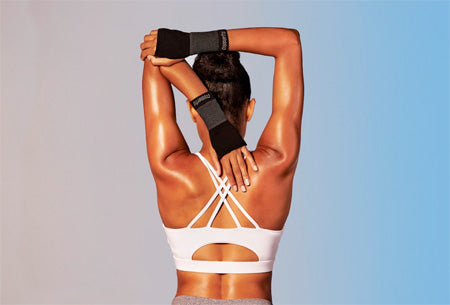
Fingerless gloves are ideal for daytime use when you need to stay active and maintain full dexterity. They cover the palm and wrist while leaving the fingertips free, making them a practical choice for tasks that require grip or fine motor skills.
For people who experience discomfort primarily in the wrist or palm area, fingerless styles offer targeted support without getting in the way.
Full-Finger Compression Gloves
Full-finger gloves provide more comprehensive coverage and are a better fit for people who experience discomfort throughout the entire hand, including the fingers. They tend to be preferred during rest periods or overnight, as they offer more complete, even compression across the hand.
Tips for Getting the Most Out of Your Compression Gloves
Compression gloves work best when worn consistently and correctly. A few simple habits can make a big difference in how effective they feel.
- Wear them during activity and rest periods to maintain consistent support throughout the day.
- Start with shorter wear times if you're new to compression, and gradually increase as your hands adjust.
- Follow care instructions closely to preserve the compression quality of the fabric over time.
- Pair gloves with other recovery tools like hot or cold therapy and stretches for a more complete approach to managing discomfort.
FAQs
Do compression gloves actually help with hand swelling?
Compression gloves are not a medical treatment or cure for lymphedema, but they are a widely used tool for managing associated hand swelling and discomfort. Applying mild, consistent pressure to the hand and wrist can help support the body's natural circulation.
How do I know what size compression glove to get?
Proper fit is one of the most important factors in the effectiveness of compression gloves. Gloves that are too tight can restrict circulation and worsen discomfort, while gloves that are too loose won't provide meaningful compression.
How long should you wear compression gloves each day?
For those new to compression gloves, starting with shorter wear periods and gradually increasing duration as the hands adjust is generally recommended. Many people wear them during active parts of the day and remove them during sleep.
Sources:
Copper Coated Silica Nanoparticles for Odor Removal | Langmuir
Ice Packs vs. Warm Compresses For Pain | Johns Hopkins Medicine