Key Takeaways
- Construction workers are among those most at risk for back tension and soreness, making daily back support an essential part of staying active and productive on the job.
- The best back brace for construction work should offer adjustable compression, breathable materials, and enough flexibility to move freely through demanding tasks.
- Wearing a back brace correctly during high-stress activities helps maximize support while keeping your muscles naturally engaged.
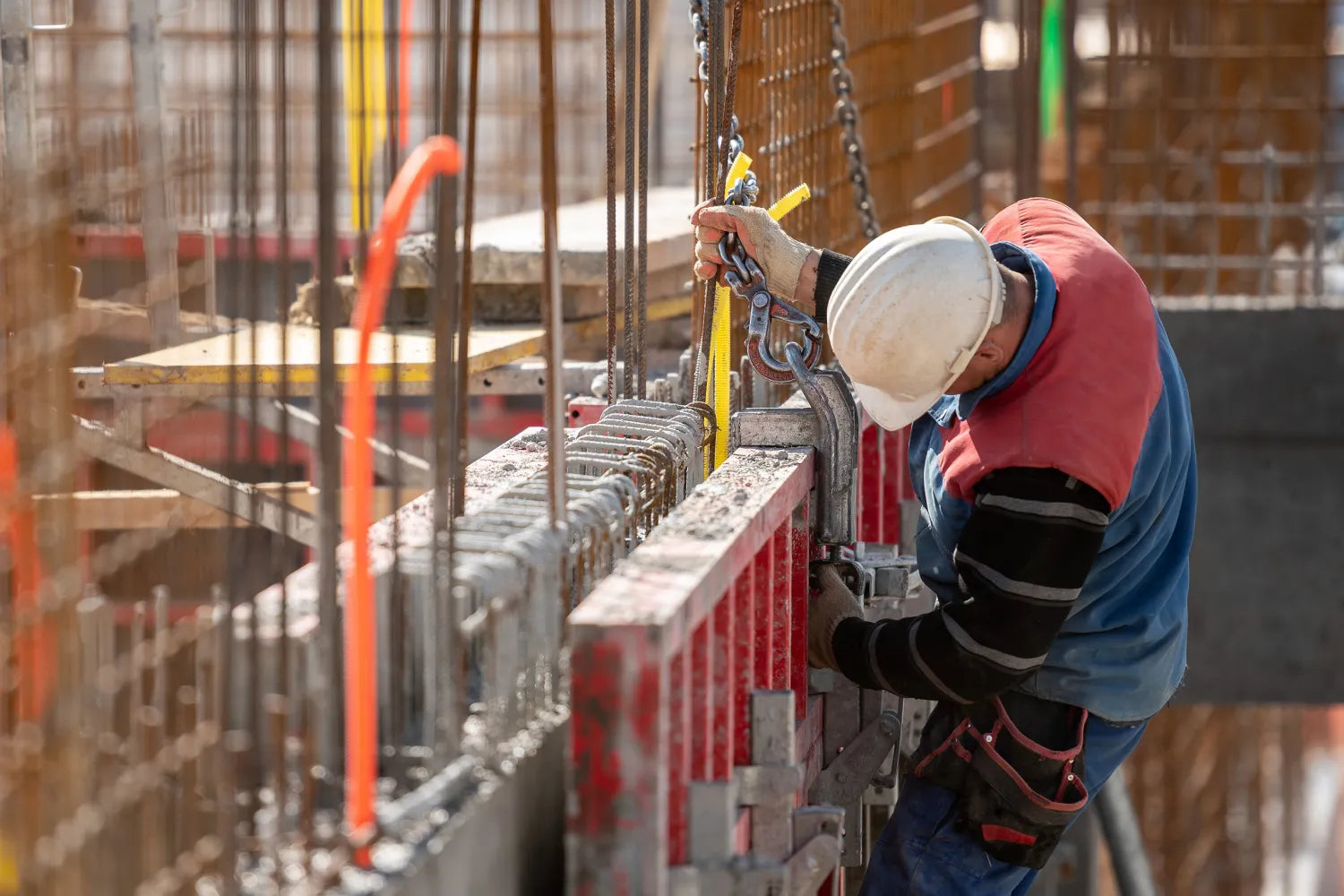
Back tension is one of the most common complaints among construction workers. Long shifts spent lifting, bending, hauling, and standing can all put repeated stress on the lower back, which builds up over time.
The good news? A quality back brace can be one of the simplest, most effective tools for staying comfortable and keeping your body moving through the demands of the job. This guide breaks down what to look for, the benefits of wearing one, and how to use it correctly.
Why Are Construction Workers at a Higher Risk for Back Discomfort?
Construction work places more physical demand on the back than almost any other profession. According to the Bureau of Labor Statistics, musculoskeletal injuries consistently rank among the most common workplace injuries in the construction industry, with the back being one of the most frequently affected areas.
Repetitive movements like lifting heavy materials, twisting, and prolonged bending place ongoing stress on the lower back muscles and joints. Over time, that accumulated tension can make it harder to perform at your best both on and off the job site.
Key Benefits of Wearing a Back Brace on the Job
Wearing a back brace during physically demanding work offers more than just comfort in the moment. The right brace can help your body better manage the stresses of the job throughout the day.
Key benefits include:
- Offers stability and support to help ease lower back tension during heavy lifting and repetitive movement.
- Helps support healthy posture through long shifts spent standing, bending, or operating equipment.
- Can promote muscle relaxation during breaks and after work.
- Provides adjustable compression that can be customized to your level of activity.
- Breathable, moisture-wicking materials help keep you comfortable through physical exertion.
For construction workers specifically, posture support during repetitive tasks is particularly valuable. Research published in the Journal of Clinical Medicine found that lumbar support interventions can help reduce physical strain during manual labor , making them a practical addition to any worker's daily routine.
What To Look for in a Back Brace for Construction Work
The best back brace for construction workers balances support, durability, and all-day comfort. Not every brace is built for the demands of a job site, so knowing what features to prioritize makes a real difference.
Look for:
- Adjustable compression so you can dial in the right level of support for different tasks
- Breathable, moisture-wicking fabric to stay comfortable through sweat and physical activity
- A low-profile design that fits easily under work gear or clothing without bulk
- Hot and cold therapy compatibility for recovery before and after demanding shifts
How To Wear a Back Brace Correctly on the Job
Proper fit and smart usage are just as important as the brace itself. Position the brace snugly across the lower back so it feels supportive without restricting your breathing or range of motion. Wear it during high-demand tasks like lifting, hauling, or sustained bending, and remove it during rest periods so your muscles stay naturally active and engaged.
Pairing brace use with light stretching before and after your shift can further help soothe tension and support recovery. It is also worth noting that a back brace supports what your body already does naturally. It is not a substitute for proper lifting technique, so always prioritize good form on the job.
FAQ
Can construction workers wear a back brace all day?
Most experts recommend wearing a back brace during high-demand tasks rather than continuously throughout the entire day, as extended all-day wear may reduce natural muscle engagement over time. Targeted use during lifting and repetitive movement tends to deliver the best results.
Will a back brace limit my range of motion on the job?
A well-fitted back brace should support your movement, not restrict it. Look for a brace with adjustable compression and a flexible design that allows you to move naturally through the full range of tasks your job requires.
Is heat or cold therapy better for back soreness after a long shift?
Cold therapy is generally recommended for tension that developed recently, while heat therapy works better for older, lingering soreness. Having a brace that supports both options gives you the flexibility to treat discomfort based on what your body needs that day.
Keep Your Back Supported, Shift After Shift
Here at Copper Fit , we know what it feels like when soreness and tension get in the way of doing your best work. That is why we designed our back supports with the needs of hardworking, active people in mind.
Our back braces and support feature adjustable compression so you can customize your fit for any task. Our copper-infused, moisture-wicking materials help keep you comfortable and odor-free through even the longest days on the job.
If you are ready to take your back support seriously, explore our full line of back braces and supports and find the solution that keeps you moving.
Sources:
The effects of chronic stretch training on musculoskeletal pain | PMC