
By Struan H. Coleman, MD
Orthopedic Surgeon & Sports Medicine Specialist, Hospital for Special Surgery
Medical Director, Copper Fit
Mobility is something most of us take for granted—until we begin to lose it. As an orthopedic surgeon who treats athletes and active individuals every day, I often remind patients that mobility is the foundation of movement, independence, and long‐term health. But today, one of the biggest threats to mobility isn’t a sports injury or traumatic accident. It’s something far more common: sitting.
Many Americans now spend eight hours or more each day sitting at a desk, followed by additional time sitting in a car, on the couch, or in front of screens. While this lifestyle may feel normal, our bodies were not designed to remain in a seated position for long periods. Over time, prolonged sitting can create subtle but important changes in the body that affect mobility, comfort, and performance.
What Happens to the Body When We Sit Too Much
When you sit for extended periods, several things happen physiologically. First, the spine experiences continuous compression. The discs between the vertebrae act like shock absorbers, and when we sit for hours without movement, they remain under pressure. This can contribute to stiffness and lower back discomfort.
Second, the hip flexor muscles—which connect the pelvis to the front of the thigh—remain in a shortened position while sitting. Over time, these muscles adapt to that shortened state. Tight hip flexors can pull the pelvis forward, increasing stress on the lower back and making it harder to stand upright comfortably.
Finally, the muscles that support the spine and core gradually become less active when we sit. Without regular activation, these stabilizing muscles lose endurance, making the back more vulnerable to strain during everyday activities like lifting groceries, playing golf, or exercising.
The good news is that these changes are common, normal, and largely reversible with simple daily habits.
Simple Ways to Protect Your Mobility During the Workday
The key to maintaining mobility is introducing small, consistent movement throughout the day. Even brief changes in posture or movement can reduce spinal compression and prevent muscle tightening.
1. Stand and Move Every 30–45 Minutes
Set a reminder to stand up, walk around your office, or perform a quick stretch. Even 60 seconds of movement helps restore circulation and reduce pressure on the spine.
2. Open the Hips
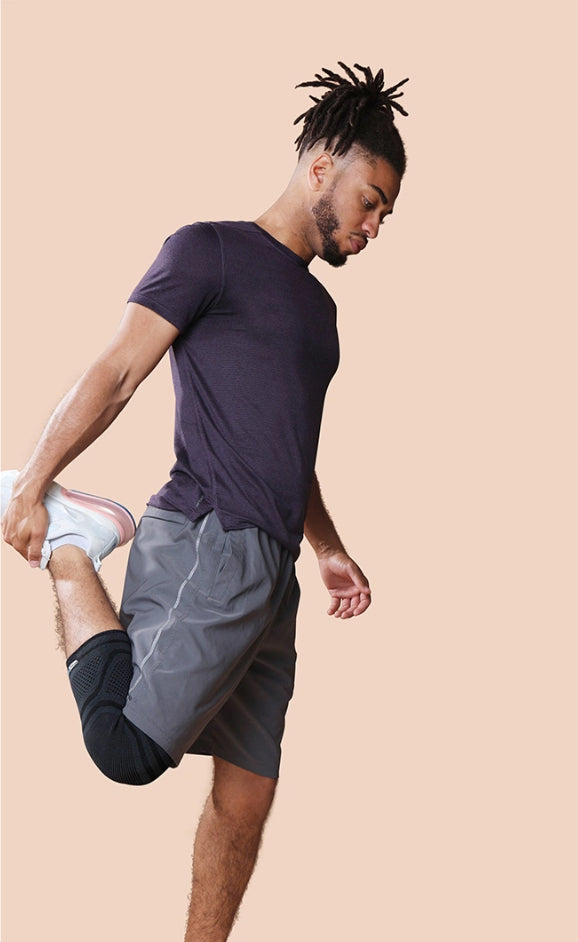
One of the most effective mobility exercises is a simple standing hip stretch. Stand upright, place one foot behind you, and gently shift your hips forward until you feel a stretch in the front of the hip. Hold for 20–30 seconds and repeat on both sides.
3. Reset Your Posture
Every hour, take a moment to sit tall. Roll your shoulders back, lengthen your spine, and engage your core muscles. This simple reset helps counteract the forward‐leaning posture that often develops while working at a computer.
4. Activate the Core
A quick exercise I often recommend is the seated abdominal brace. Sit upright, gently tighten your abdominal muscles as if preparing for a light cough, hold for five seconds, and repeat ten times. This activates the muscles that support the spine.
When Discomfort Begins
Even with good habits, many people will occasionally experience lower back fatigue or stiffness. When that happens, providing gentle support to the spine can help maintain mobility while the muscles recover.
This is where supportive compression products can play a valuable role. Compression braces help stabilize the muscles around the lower back, improve proprioception (the body’s awareness of position), and remind the wearer to maintain proper posture.
The Copper Fit X Back Brace is designed specifically for this purpose. It provides adjustable compression and support while allowing you to move naturally throughout the day. Many patients find that using a lightweight support brace during prolonged sitting, travel, or physical activity helps reduce strain on the lower back.
Importantly, support products should complement—not replace—movement and exercise. The goal is always to keep the body moving while providing the support needed to stay active.
Mobility Is a Daily Practice
In sports medicine we often say that mobility is like a savings account. Small deposits madeconsistently over time lead to long‐term health and resilience.
Standing up more often, stretching tight muscles, strengthening the core, and using supportive tools when needed are simple strategies that can protect the spine and maintain mobility for years to come.
The modern workplace may require us to sit more than previous generations, but that doesn’t mean we have to sacrifice how our bodies move and feel.
At Copper Fit, our mission is simple: help people stay active, comfortable, and moving. Because when mobility improves, life moves better.