Key Takeaways
-
Compression socks may support blood flow and help manage swelling during and after exercise.
-
Many people use them to soothe muscle soreness and support recovery.
-
Choosing the right compression level and fit is essential for comfort and effectiveness.
Compression socks have become a go-to option for runners, athletes, and anyone looking to stay active with more comfort. But do they actually make a difference during exercise? Research suggests they may support circulation, help manage swelling, and soothe post-workout soreness when used correctly.
Whether you’re heading out for a run or spending long hours on your feet, compression socks can play a role in both performance and recovery . Let’s take a closer look at how they work and how to choose the right pair.
Benefits of Wearing Compression Socks While Exercising
Compression socks are designed to apply gentle pressure to the lower legs, which can support circulation and muscle stability during movement.
Here are some of the main benefits:
-
Support blood flow: Graduated compression supports healthy circulation in the lower legs, which may help manage swelling during activity.
-
Help manage swelling and soreness: Many people report less leg fatigue and discomfort when wearing compression socks for running or other activities.
-
Support exercise recovery: Evidence from clinical reviews indicates compression garments may calm delayed-onset muscle soreness (DOMS) when worn after workouts, making them a popular choice for exercise recovery.
While results can vary, these benefits make compression socks a practical option for those looking to stay comfortable and consistent with their fitness routines.
Choosing the Right Compression Socks for Exercise
Not all compression socks are the same, so selecting the right pair depends on your activity level, preferences, and comfort needs.
What Compression Level Should You Choose?
Compression levels are measured in millimeters of mercury (mmHg):
-
15–20 mmHg: Light support for everyday activity and beginners
-
20–30 mmHg: Commonly recommended for athletic use and recovery
-
Higher levels: Typically reserved for medical use with professional guidance
If you’re unsure where to start, learning more about different compression sock levels can help you choose the best option.
What Features Should You Look For?
When shopping for compression socks, consider:
-
Proper fit: Measure your ankle and calf to ensure a snug but comfortable feel
-
Breathable fabric: Helps regulate temperature during workouts
-
Moisture-wicking material: Keeps your legs dry
-
Copper-infused fibers: Help reduce odor during wear
Copper Fit designs compression gear with advanced fabrics focused on comfort and performance. You can explore their full socks collection to find options suited for workouts, recovery, and daily wear.
Matching Socks to Your Activity
Here’s a quick guide to help you choose:
-
Beginner or casual activity: Light compression, ankle or crew styles
-
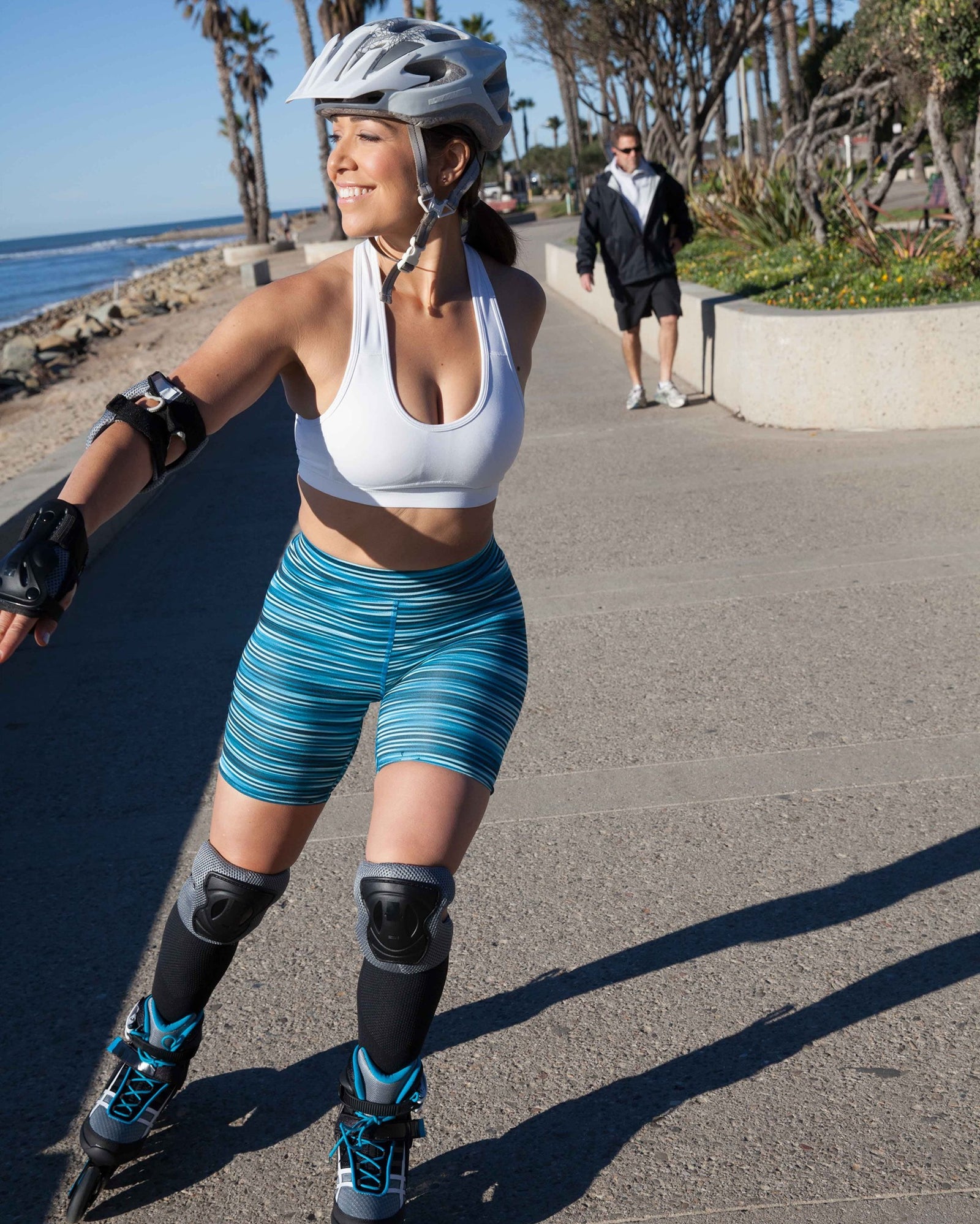
Running or cardio workouts: Knee-high compression socks for running
-
Long shifts or intense activity: Higher support with reinforced arch features
Options like Mobilizer Compression Socks or Arch Strong Compression Socks are designed to support different activity levels while maintaining comfort.
FAQ
Are compression socks good for working out?
Compression socks can be beneficial during workouts, as they support circulation, reduce muscle fatigue, and may help with recovery after exercise.
What compression level is best for exercise?
Most people benefit from 15–30 mmHg, with 20–30 mmHg often preferred for running and higher-intensity activity.
Are there risks to wearing compression socks during exercise?
They are generally safe, but improper fit can cause discomfort. If you have underlying vascular concerns, it’s best to consult a healthcare provider.
Sources: