Key Takeaways
- Hamstring recovery time depends on the severity of the strain, overall fitness, and adherence to a proper rehabilitation plan. Mild hamstring pulls may heal within a few weeks, while moderate to severe injuries can take several months.
- Progressive strengthening, mobility work, and rest are essential to support long-term healing.
- Many athletes use compression sleeves, such as Copper Fit thigh supports, to enhance comfort, muscle awareness, and confidence during recovery and training.
A pulled hamstring is one of the most common injuries athletes face, especially in sports that involve sprinting, jumping, or sudden changes in direction. While often dismissed as a minor setback, hamstring strains can vary widely in severity, and recovery time depends on how the injury is managed from the start.
Understanding how long hamstring recovery takes, what influences healing, and how to support your body during the process can help athletes return to training more confidently and reduce the risk of reinjury.
What Is a Pulled Hamstring?
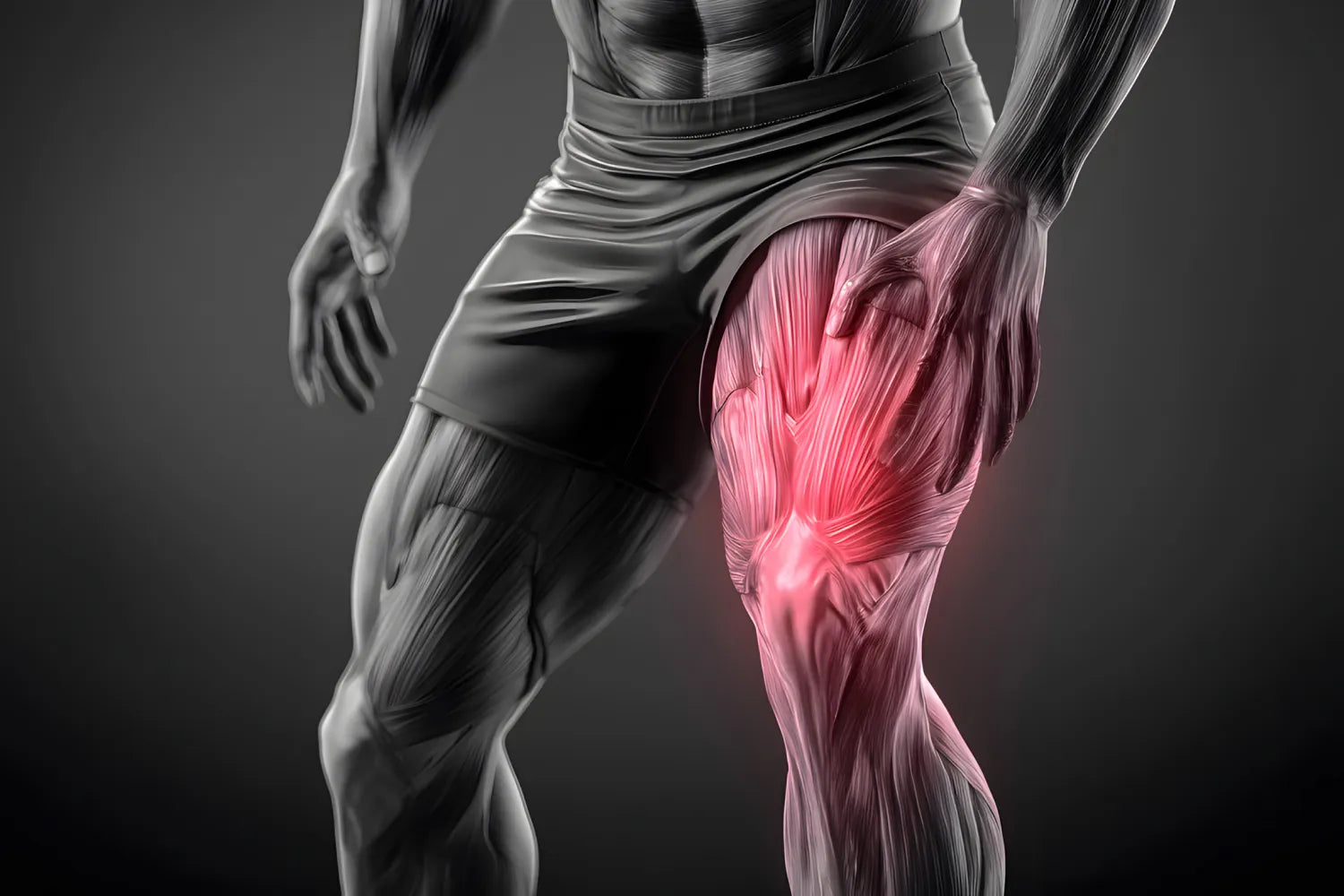
A pulled hamstring occurs when one or more of the muscles along the back of the thigh are overstretched or torn. The hamstring muscle group includes three muscles that work together to support hip extension and knee flexion, both of which are essential for running and explosive movement.
Hamstring strains often happen during high-speed activity, particularly when the muscle is lengthening under load, such as during sprinting or deceleration. Athletes may feel sudden tightness, sharp pain, or weakness in the back of the thigh, followed by soreness or stiffness.
Not all hamstring pulls are the same. Recovery time depends heavily on the severity of the strain.
Hamstring Strain Grades and Expected Recovery Time
Hamstring injuries are typically classified into three grades. Each comes with a different recovery timeline and set of expectations.
Grade 1: Mild Hamstring Strain
A grade 1 strain involves minor stretching or microscopic tearing of the muscle fibers. Athletes may feel tightness or discomfort but often retain most of their strength and range of motion.
Typical recovery time:1 to 3 weeks
Athletes with mild strains can often resume light activity relatively quickly, provided they manage soreness and avoid overstressing the muscle too soon.
Grade 2: Moderate Hamstring Strain
A grade 2 strain includes partial tearing of the muscle. Pain is more noticeable, and athletes may experience swelling, bruising, and reduced strength.
Typical recovery time:4 to 8 weeks
This level of injury usually requires a more structured recovery approach, with gradual reintroduction of strength and movement.
Grade 3: Severe Hamstring Strain
A grade 3 strain is a complete tear of the muscle and is the least common but most serious type. It often causes immediate pain, significant swelling, and difficulty bearing weight.
Typical recovery time:3 months or longer
Severe hamstring injuries often require extended rehabilitation and professional oversight before returning to sport.
What Affects Hamstring Recovery Time?
While injury grade is a major factor, several other variables influence how long recovery takes.
Type of Sport and Activity Level
Athletes in sports that demand sprinting, jumping, or repeated acceleration, such as soccer, football, track, or basketball, often require more recovery time before returning to full performance.
Previous Hamstring Injuries
A history of hamstring strains can increase recovery time and reinjury risk, particularly if prior injuries were not fully rehabilitated.
Early Injury Management
How the injury is handled in the first few days matters. Proper rest, gradual movement, and avoiding premature return to activity can significantly affect outcomes.
Consistency in Rehabilitation
Athletes who stay consistent with mobility, strengthening, and recovery routines typically progress more smoothly than those who rush or skip steps.
The Early Phase of Hamstring Recovery
The initial phase of recovery focuses on protecting the injured muscle and managing discomfort.
Athletes are often encouraged to reduce high-impact or explosive movements while allowing gentle, pain-free motion. This stage is about avoiding further strain while maintaining circulation and mobility.
During this phase, many athletes incorporate compression garments or thigh sleeves to help manage swelling and provide gentle support during daily movement. Compression products, such as thigh sleeves, are commonly used to offer a secure feel and warmth around the muscle without restricting mobility.
Rebuilding Strength and Flexibility
As pain decreases, recovery shifts toward restoring flexibility and strength in the hamstring and surrounding muscles. This phase is critical for long-term success.
Gradual strengthening helps the muscle tolerate load again, while flexibility work supports proper movement patterns.
Athletes often focus on:
- Controlled stretching within a pain-free range
- Progressive strengthening of the hamstrings, glutes, and core
- Balanced lower-body mechanics
Consistency matters more than intensity during this phase. Pushing too hard too soon is one of the most common reasons hamstring injuries linger. Some athletes choose to wear supportive compression gear during rehabilitation exercises to maintain muscle awareness and comfort.
Returning to Running and Sport-Specific Movement
One of the biggest challenges in hamstring recovery is knowing when to resume higher-speed activity. Even when soreness has faded, the muscle may not yet be ready for sprinting or explosive movements.
Athletes often return to:
- Walking and light jogging
- Controlled running drills
- Sport-specific movements at reduced intensity
- Full-speed training
Each step should feel stable and controlled before progressing. During this transition, athletes may use supportive gear such as thigh or knee compression sleeves to help manage muscle fatigue and provide a sense of stability during movement.
Preventing Reinjury During Recovery
Hamstring strains are known for their high recurrence rate, particularly when athletes return too quickly or skip strength development.
To reduce reinjury risk:
- Prioritize eccentric hamstring strength
- Maintain flexibility in the hips and lower back
- Avoid sudden spikes in training intensity
- Pay attention to lingering tightness or asymmetry
Training Through Recovery Without Overdoing It
Many athletes struggle with the mental side of injury recovery. Sitting out can feel frustrating, especially during competitive seasons.
While full rest may be necessary early on, most athletes benefit from staying active in modified ways. Upper-body training, low-impact cardio, and mobility work can help maintain overall fitness while protecting the hamstrings.
When Can Athletes Return to Full Competition?
There is no universal timeline for returning to competition after a pulled hamstring. Instead, readiness is typically based on function rather than the calendar.
Athletes often return when they can:
- Perform sport-specific movements without pain
- Match pre-injury strength and flexibility levels
- Sprint or accelerate confidently
- Complete full training sessions without setbacks
Gradual exposure is key. Even after clearance, athletes should monitor workload and recovery closely during the first few weeks back.
Supporting Long-Term Hamstring Health
Recovery doesn’t end once the pain is gone. Maintaining hamstring health requires ongoing attention, especially for athletes in high-demand sports.
Long-term strategies include:
- Regular strength and mobility training
- Proper warm-ups before activity
- Balanced lower-body conditioning
- Listening to early signs of tightness or fatigue
Many athletes continue using compression gear as part of their training routine even after recovery. Compression sleeves can be worn during workouts or competitions to support muscle awareness and comfort, helping athletes feel prepared for the demands of their sport.
Final Thoughts: Recovery Is a Process, Not a Race
A pulled hamstring can be frustrating, but with the right approach, most athletes make a strong return to activity. Understanding recovery timelines, respecting the healing process, and supporting the body through each phase are essential for long-term success.
By focusing on consistency, gradual progression, and smart support, athletes can reduce setbacks and return to performance with greater confidence. Whether during early recovery or the return-to-play phase, supportive gear like Copper Fit compression products can be part of an athlete’s broader strategy for staying active, comfortable, and ready to move.
FAQ
How long does it take to recover from a pulled hamstring?
Mild (grade 1) hamstring pulls may heal within 1–3 weeks, while moderate (grade 2) strains often take 4–8 weeks. Severe (grade 3) hamstring tears can require three months or more, along with structured rehabilitation and professional guidance.
Can I train or stay active while recovering from a hamstring strain?
In many cases, yes, but activity should be modified. While high-speed running and explosive movements are usually avoided early on, athletes can often maintain fitness through low-impact cardio, upper-body training, and controlled mobility work.
Do compression sleeves help with hamstring recovery?
Compression sleeves don’t heal a hamstring strain on their own, but many athletes find them helpful for comfort, muscle awareness, and confidence during recovery and training.
Sources:
Hamstring Strain Injury in Athletes | Journal of Orthopedic and Sports Physical Therapy
Hamstring Muscle Injuries | American Academy of Orthopedic Surgeons