Key Takeaways
- Patellar tracking disorder happens when the kneecap doesn’t move smoothly while bending and straightening, which can lead to knee discomfort and reduced confidence in movement.
- Muscle balance, alignment, and movement habits all play a role in how the kneecap tracks during daily activity and exercise.
- Understanding what’s happening inside the knee is the first step toward supporting healthier movement and staying active.
If your knee feels off during squats, stairs, or even long walks, we understand the frustration you may be feeling. The knee is one of the hardest-working joints in the body, and small changes in how it moves can have a noticeable impact on comfort, stability, and performance. One common cause of knee discomfort during movement is patellar tracking disorder.
Patellar tracking disorder is a term used to describe what happens when the kneecap doesn’t glide as smoothly as it should during movement. This can show up gradually, especially for people who are active, starting a new routine, or getting back into movement after time off.
The good news? Understanding how the knee works and why tracking issues happen can help you make smarter choices that support your body’s natural movement and recovery. This guide breaks down the science in a clear, approachable way so you can move forward feeling informed and encouraged.
What Is Patellar Tracking Disorder?
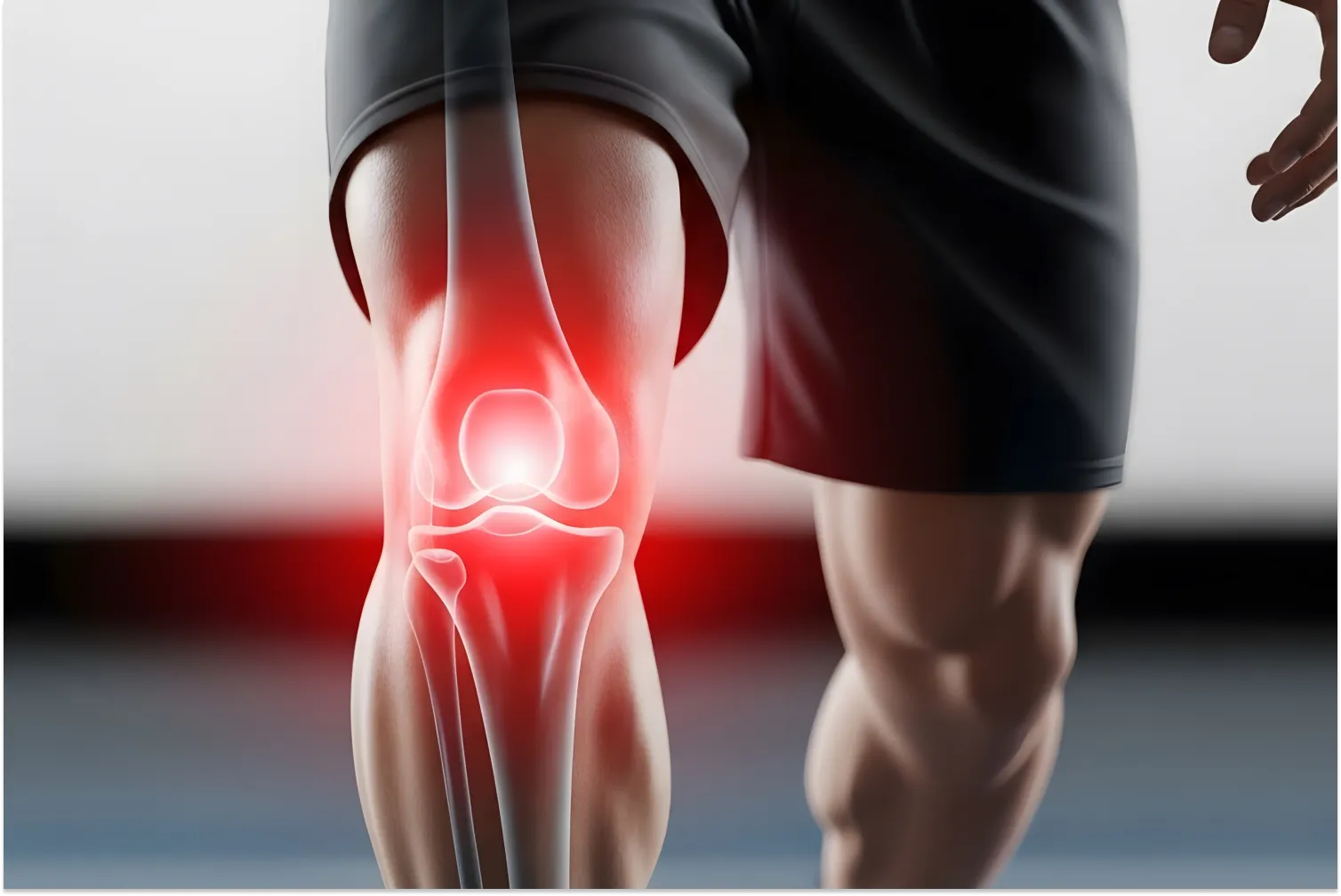
Patellar tracking refers to how the kneecap moves along a shallow groove at the end of the thigh bone when the knee bends and straightens. Ideally, this movement is smooth and controlled, guided by muscles, tendons, and surrounding structures that help keep everything aligned.
Patellar tracking disorder occurs when the kneecap shifts slightly off its ideal path. Instead of gliding evenly, it may move more to one side than the other, especially during activities that involve repeated bending, load, or impact.
Because the kneecap plays a key role in how force is transferred through the knee, even small tracking changes can affect how movement feels. Over time, this can contribute to knee soreness, tension around the joint, or a feeling that movement isn’t as smooth or stable as it used to be.
What Can Cause Patellar Tracking Issues?
Patellar tracking is influenced by multiple factors working together. Understanding these contributors can help explain why knee discomfort develops and why it’s not caused by just one thing.
Muscle Imbalances and Strength Differences
The kneecap relies on the muscles of the thigh and hip to guide its movement. When some muscles are stronger or more active than others, the kneecap may be pulled slightly off-center during motion. This is especially common when the muscles on the outside of the thigh dominate, while the inner thigh or hip muscles aren’t providing enough support.
Over time, this imbalance can affect how force moves through the knee, increasing strain on certain areas instead of distributing it evenly.
Muscle Tightness and Tension
Muscles that are tight or overworked can limit how freely the kneecap moves. When surrounding tissues don’t relax efficiently, they can restrict motion and contribute to feelings of stiffness or soreness around the knee. This is why recovery strategies that support muscle relaxation are often emphasized in knee health conversations.
Movement Patterns and Overuse
Repetitive movements combined with limited recovery can influence patellar tracking. Running, jumping, cycling, and even long periods of sitting can all affect how the knee adapts over time. When the same movement pattern is repeated without enough variation or rest, certain muscles may take on more work than they’re designed to handle.
Natural Alignment and Structure
Everyone’s anatomy is a little different. Variations in hip width, leg alignment, or the shape of the knee joint can influence tracking mechanics. These differences aren’t flaws—they simply mean that some people need to be more mindful of how they support their movement and recovery.
What Are the Common Signs of Patellar Tracking Disorder?
Patellar tracking issues can look different from person to person. Some people notice subtle changes, while others feel more pronounced discomfort during certain movements.
Common experiences include:
- Ongoing soreness or tension around the front or sides of the knee
- Discomfort during activities like squatting, kneeling, or standing up from sitting
- A sense of instability or hesitation when loading the knee
- Audible or noticeable sensations during knee movement
These signs often become more noticeable during or after activity, especially when recovery time is limited. Importantly, symptoms may come and go depending on training volume, movement habits, and daily demands on the body.
Who Is Most Commonly Affected?
Patellar tracking challenges are often seen in people who place regular demands on their knees. This includes athletes, active adults, and individuals who are increasing their activity level after a period of inactivity. Beginners starting a fitness routine may also notice knee discomfort as their muscles adapt to new movement patterns.
It’s also common among people with physically demanding jobs or lifestyles that involve frequent lifting, climbing, or standing. What all these groups have in common is repeated knee use, making proper support, recovery, and movement awareness especially important.
How Can Patellar Tracking Issues Affect Daily Life and Performance?
When the kneecap doesn’t move as smoothly as it should, everyday tasks can start to feel more demanding. Activities like climbing stairs, standing up from a chair, or staying consistent with workouts may require extra effort or awareness. Over time, this can affect confidence in movement, especially for people who value staying active.
Reduced knee comfort can also influence performance. When movement feels uncertain or tense, it’s common to subconsciously change form or limit your range of motion.
These small adjustments can place extra demand on other muscles and joints, which may slow progress or extend recovery time. That’s why understanding knee tracking is also about protecting long-term mobility and staying consistent with the activities you enjoy.
How To Support Healthy Knee Movement
Supporting patellar tracking starts with respecting how the body naturally moves and recovers. While every person’s needs are different, a few core principles can help promote smoother, more confident movement.
Movement Awareness and Alignment
How you move matters. Paying attention to knee alignment during daily tasks and exercise can help reduce unnecessary stress on the joint.
This includes being mindful of knee positioning during squats, lunges, and stairs, as well as avoiding sudden increases in intensity. Small adjustments can make a meaningful difference in how the knee feels over time.
Strength and Stability Support
The muscles surrounding the knee and hips play a major role in guiding patellar movement. When these muscles are balanced and supported, they help keep the kneecap tracking more evenly. Many people benefit from focusing on overall lower-body stability rather than isolating one area, which helps distribute effort more evenly during movement.
Flexibility and Muscle Relaxation
Tension in surrounding muscles can limit how freely the kneecap moves. Supporting flexibility and muscle relaxation allows the knee to bend and straighten with less resistance. This can be especially helpful after activity, when muscles may feel tight or overworked.
Recovery and Rest
Recovery is a key part of supporting knee health. Muscles and joints rely on adequate rest to adapt and recover from daily demands. Skipping recovery can contribute to lingering soreness and tension, making it harder for the knee to move comfortably. Prioritizing recovery helps support the body’s natural processes and keeps you moving more consistently.
Compression and External Support
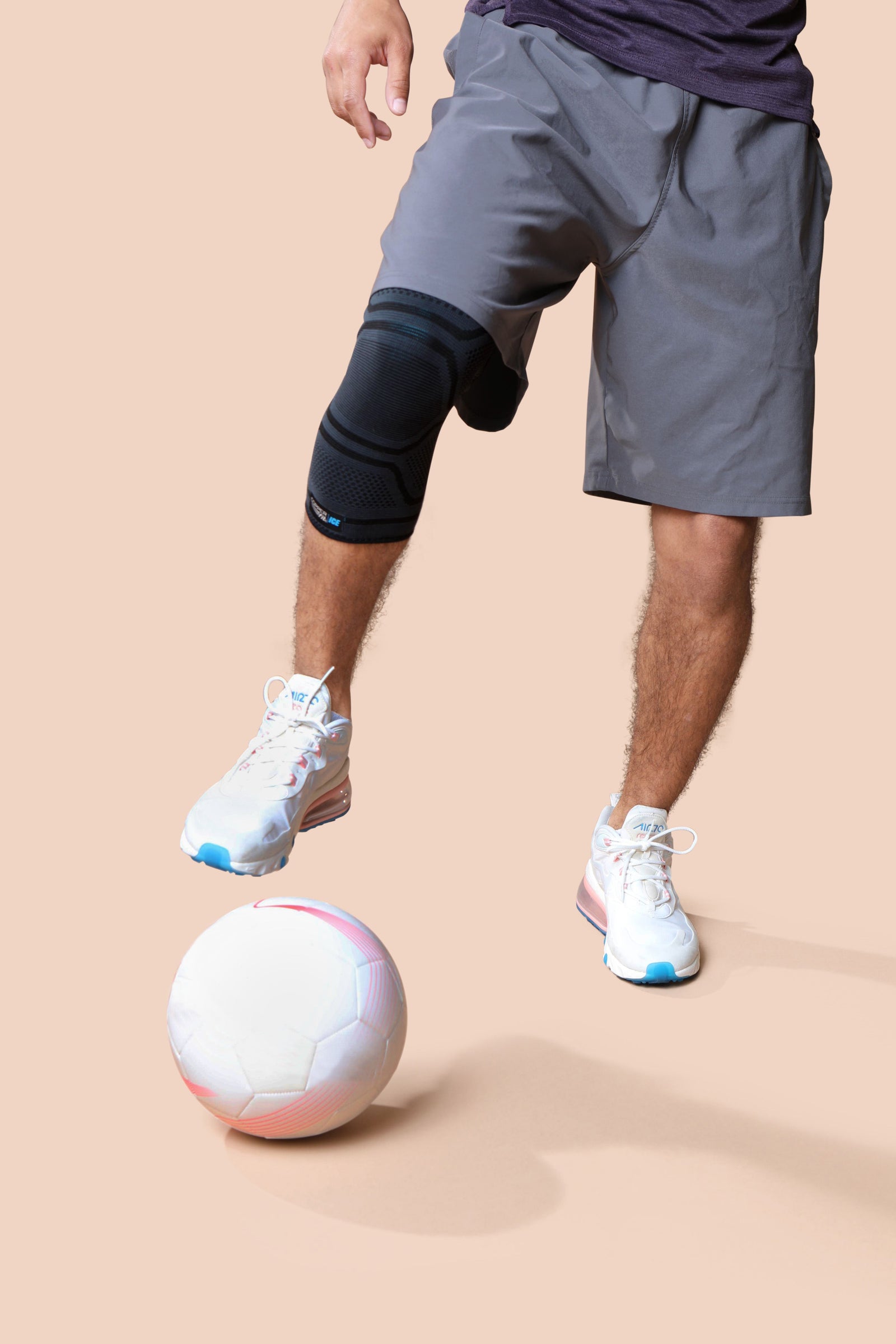
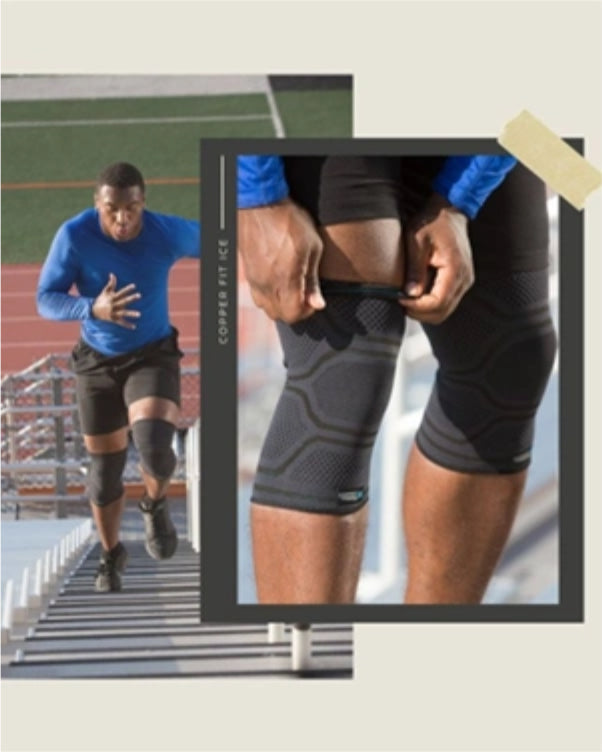
Compression is commonly used to help support circulation and provide a sense of stability around the knee. For many people, this added support can enhance confidence during movement and help manage everyday knee discomfort.
Wearing a knee brace or sleeve during exercises or recovery can encourage proper form, support recovery, and keep you moving more comfortably.
When Professional Guidance May Help
If knee discomfort continues despite supportive movement and recovery strategies, professional guidance can be valuable. A qualified provider can help assess movement patterns, strength balance, and alignment to offer personalized recommendations. Seeking support early can help prevent minor issues from becoming ongoing movement challenges.
FAQ
What is patellar tracking disorder?
Patellar tracking disorder refers to when the kneecap doesn’t move smoothly during knee motion. This can lead to discomfort, tension, or reduced confidence during everyday activities and exercise.
What causes patellar tracking issues?
Common contributors include muscle imbalances, tight surrounding tissues, repetitive movement patterns, and natural alignment differences. These factors can influence how the kneecap moves during activity.
Can staying active make patellar tracking worse?
Staying active is often helpful, but how you move matters. Balanced movement, proper recovery, and supportive strategies can help people remain active while supporting knee comfort.
Moving Forward With Confidence
We know how frustrating it can be when knee discomfort interferes with staying active. And we know that movement is personal, and recovery is just as important as performance. That’s why at Copper Fit, we believe in supporting the body’s natural processes and helping people move with more confidence, less tension, and greater consistency.
Our mission has always been to empower people to stay active, feel better, and enjoy life every day. With the right understanding, supportive habits, and recovery-focused mindset, patellar tracking challenges don’t have to define how you move forward.
Sources:
Patellar Tracking Disorder | My Health Alberta
Knee Joint: Function & Anatomy | Cleveland Clinic
Keeping Steady: Balance Exercises To Improve Stability