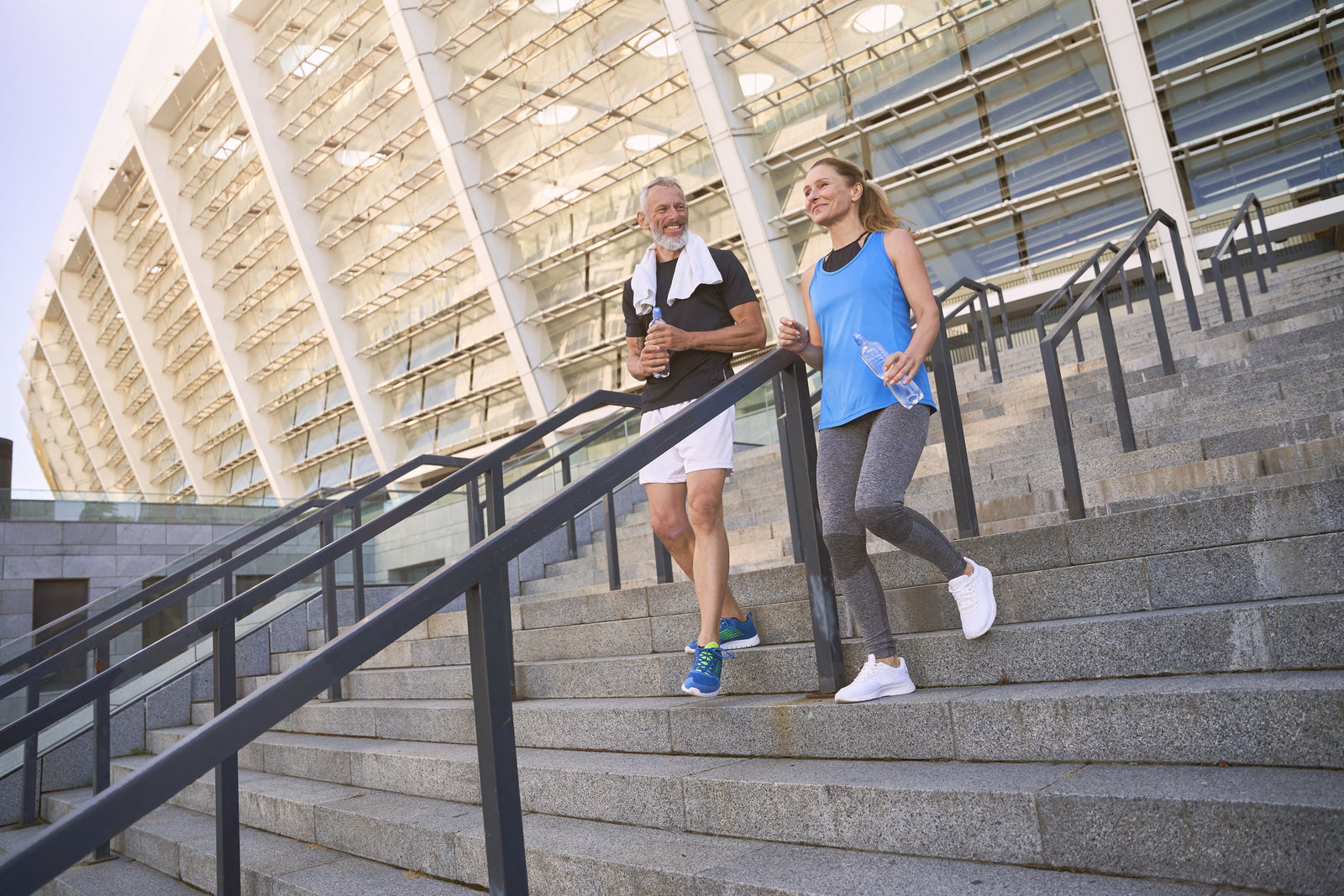
Longevity fitness may be the new buzzword, but the concept is nothing new. Researchers have long recognized that regular movement, strength training, and flexibility are the pillars of long-term health.
The idea is to work out with the long-term goal of maximizing your healthspan, or the number of years you live free from physical disability or chronic illness. Instead of striving for peak performance and short-term gains, the focus is on living a long life with strong cardiovascular health and mobility, so you can be active and live independently for years to come.
Move More
The easiest, most fundamental pillar of longevity fitness is consistent movement. If you sit or lie down for more than six hours per day and average fewer than 5,000 steps, it may be time to make some changes. Specifically, being sedentary for 10 or more hours increases health risks. Common signs that your body may be feeling the effects include: weight gain, low energy levels, joint pain, muscle weakness, and even poor posture.
Whether a desk job or excessive screen time is the culprit, you can work your way out of a sedentary lifestyle. The ultimate goal for longevity gains is to reach 150 to 300 minutes of moderate-intensity aerobic activity, or 75 to 150 minutes of vigorous-intensity aerobic activity per week. And getting there is not as hard as you think. Try these options:
-
-
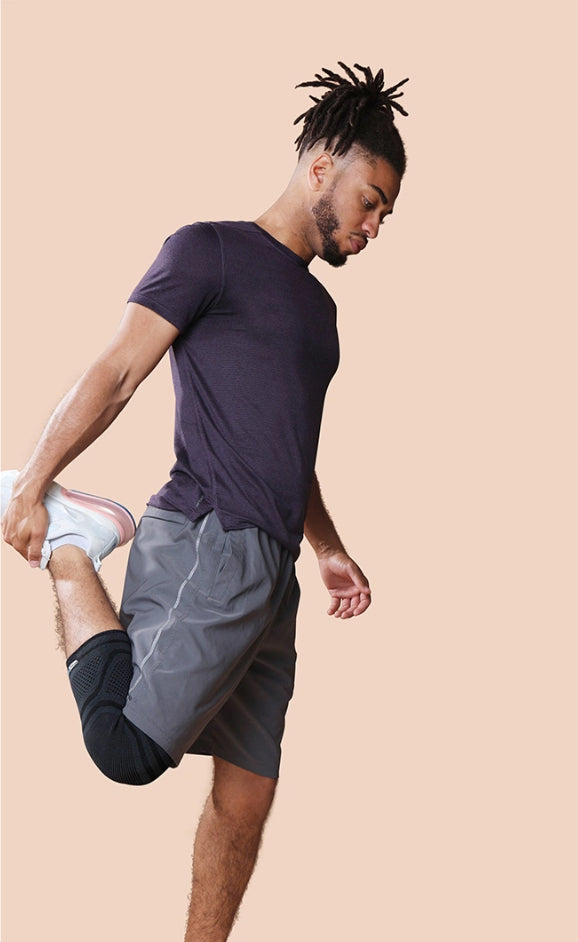
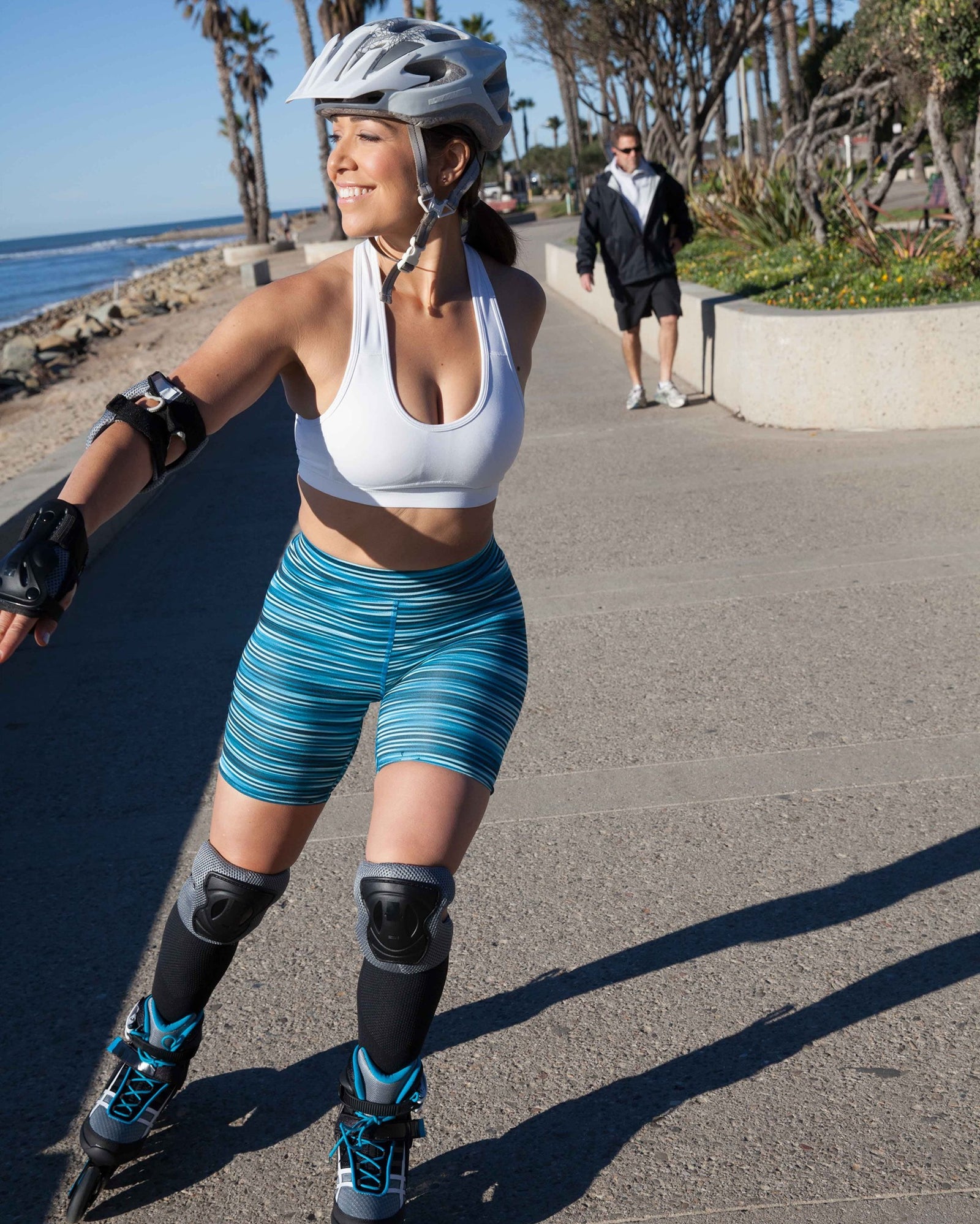
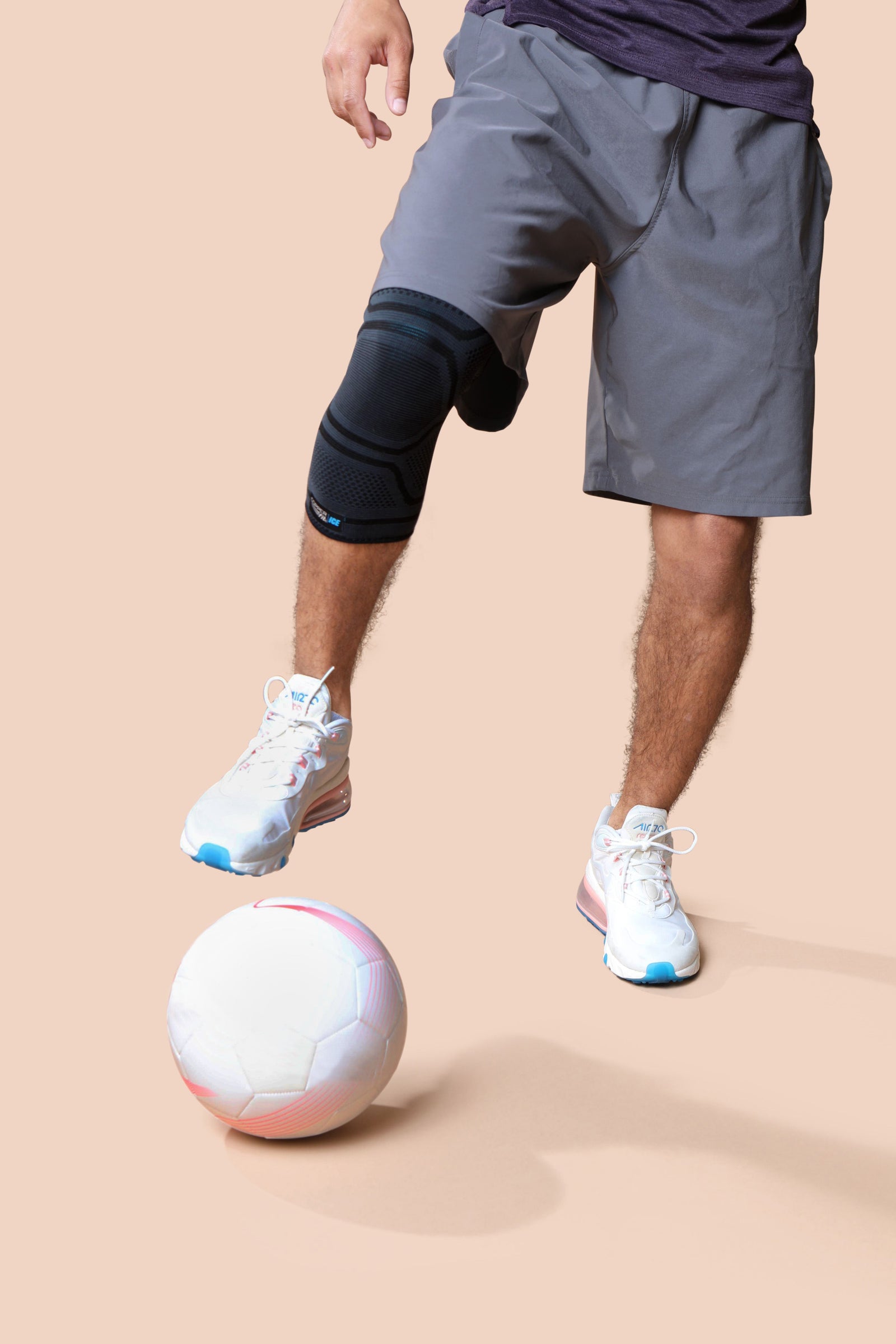
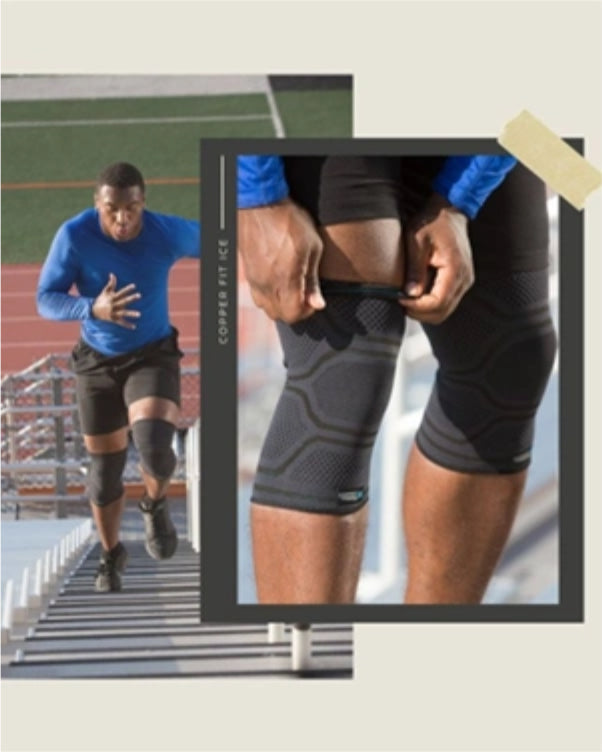
Create a routine: Start with a focus on consistency. Just a 10-minute walk around the block in the morning can become an evening walk as well. Track your steps on a smartwatch or smartphone and aim for at least 5,000 steps per day. If joint discomfort makes it harder to stay active, supportive products such as Copper Fit arch supports, knee braces, and ankle supports may help you stay comfortable while building healthy movement habits.
-
Fit in exercise when you can: Use part of your lunch break for a walk, take the stairs whenever possible, or add a few short walking breaks throughout the day. Walking for 10 to 30 minutes after meals helps your body manage blood sugar levels, improve digestion, and reduce gastrointestinal symptoms.
-
Find a walking buddy: According to Harvard Health, walking with friends provides motivation and accountability to keep you going, and it’s shown to be a powerful tool for mental health as well.
-
Strength Training for Longevity
Strength training for longevity is not focused on maximum bulk, but on preserving muscle mass and strength as we age, so we can remain mobile and independent. Research from the American College of Sports Medicine shows that regular strength training can significantly improve muscle mass and function, even later in life.
When training, focus on fortifying movements that mimic those you use in everyday life, or functional movement patterns.
-
- Stick to the fundamentals: Exercises such as bodyweight squats and suitcase carries help build lower-body strength, improve grip strength, and engage the core muscles that support balance and stability.
- Consistency over intensity: Research has found that just 1.5 to 2 hours of strength training per week may help reduce the risk of death from cardiovascular and neurological diseases.
- Pay attention to protecting your spine: Maintain strength and address postural issues caused by sitting, by targeting the back, hamstrings, and glutes with exercises like rows, deadlifts, and hip-hinge movements. Copper Fit Posture Support is an ergonomic support that reminds you to adjust your neck, shoulder, and back positions for proper alignment. The Posture Support helps alleviate poor posture and slouching-related pain that increases the likelihood of neck, back, and shoulder pain.
Stay Flexible
Flexibility training helps preserve range of motion, reduce stiffness, and support comfortable movement as you age.
-
- Try Tai Chi: With no equipment needed, this ancient martial art consists of slow, flowing movements combined with deep breathing and focused mindfulness. It is excellent for maintaining ankle, knee, and hip flexibility.
- Find a simple routine: Just a little time each day focused on basic static stretches makes all the difference. A simple daily stretching routine focused on major muscle groups is a great place to start.
-
Stay hydrated: Drinking water throughout the day helps to reduce tightness, as muscles and connective tissues function best when properly hydrated.
Training for longevity means making thoughtful investments in your future health through regular movement, strength training, flexibility work, and recovery.
The habits you build today can help you maintain quality of life for years to come, and every step counts toward a healthier future. Copper Fit can provide supportive solutions to help keep you moving comfortably along the way.