Key Takeaways
- Knee discomfort after running is common and often linked to training load, muscle tension, or lack of recovery support.
- Tight muscles, weak stabilizers, and worn-out footwear can all increase stress around the knee during runs.
- With the right recovery habits and supportive tools like compression knee sleeves, many runners can stay active and feel better over time.
Running can feel energizing, empowering, and rewarding. Whether you’re training for a race or simply trying to stay active, it’s one of the most effective ways to build endurance and support overall fitness. But if you’ve ever finished a run and noticed discomfort around your knees afterward, you’re not alone.
That post-run soreness or tension can be frustrating, especially when you’re motivated to keep moving. The good news is that once you understand what is causing your post-run knee discomfort, there are steps you can take to limit it.
Let’s break down what could be causing that discomfort and what your body may be asking for after those miles.
Is Discomfort After Running Normal?
A certain level of muscle soreness after running can be completely normal, especially if you’re increasing your mileage, adding speed work or hills, returning to running after time off, or running on harder surfaces than usual.
When you run, your muscles and joints absorb repeated impact. Your body responds by repairing and rebuilding muscle tissue, which can lead to soreness in the hours or days afterward.
What’s important is paying attention to patterns. If discomfort is more central to your joints, like the knee or ankle, rather than your muscles, it may be a sign that your knees need more support, your muscles need better mobility, or your recovery routine needs an upgrade.
What Are the Common Causes of Knee Discomfort After Running?
Knee discomfort after running usually isn’t caused by one single factor. More often, it’s a combination of stress, muscle tension, and movement mechanics.
Here are some of the most common reasons runners experience discomfort.
Overuse and Repetitive Impact
Running is a high-repetition activity. Each step creates force through the feet, ankles, knees, and hips. Over time, especially without enough recovery, that repeated impact can lead to joint and muscle soreness.
Overuse tends to happen when runners increase intensity too quickly, such as increasing their distance too quickly, adding too many workouts in one week, or overtraining without rest days.
Your knees are strong, but they still rely on time and recovery to stay comfortable and supported.
Tight Muscles and Limited Mobility
Your knees don’t work alone. They depend on surrounding muscles to keep movement smooth and stable. When muscles like the quads, hamstrings, calves, or hip flexors become tight, they can increase tension around the knee joint.
Here’s why:
- Tight quads can pull on the kneecap area
- Tight hamstrings can affect knee stability
- Tight hips can change leg alignment during strides
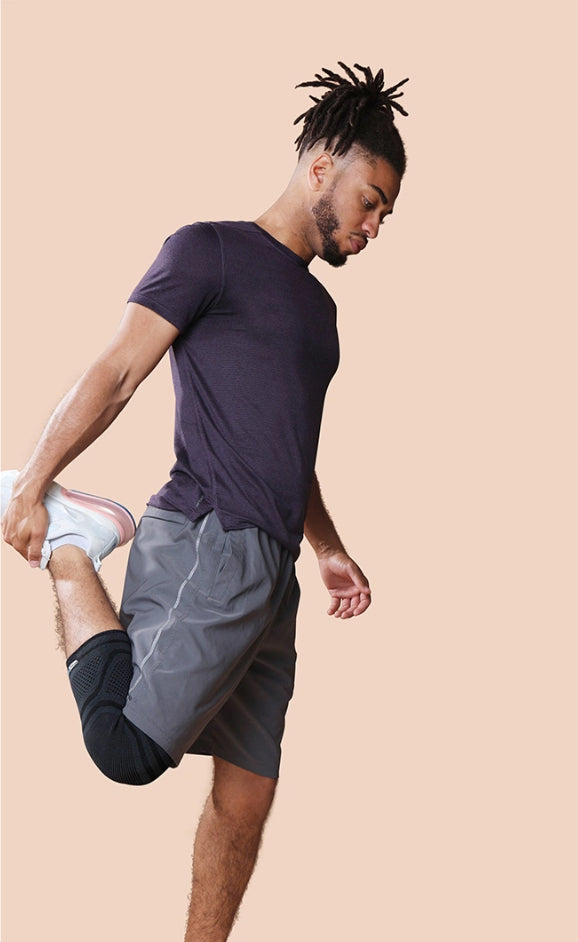
Mobility is so important because it helps your joints move through their natural range without added strain. Stretching and foam rolling after runs can help soothe tension and support muscle relaxation over time.
Poor Running Form
Even small form issues can add extra stress to the knees, especially over longer distances. Common running mechanics that may contribute to discomfort include overstriding (landing too far in front of your body), heavy heel striking, and knees collapsing inward due to weak hip support.
When running form breaks down, the knee may absorb more impact than it should. Improving running efficiency doesn’t require perfection. Often, strengthening your hips and core and focusing on shorter, smoother strides can help reduce soreness and support better movement patterns.
Inadequate Footwear
Shoes play a major role in how force is absorbed during running. Worn-out shoes lose their cushioning and stability over time, which can increase stress on the knees. Signs your shoes may be past their prime include uneven wear on the soles, reduced comfort during runs, or new soreness that didn’t used to happen.
Many running shoes need replacing every 300–500 miles, depending on your stride and terrain. Ultimately, supportive footwear can help your body move more efficiently and reduce unnecessary tension.
Weak Supporting Muscles
Your knee is supported by a network of muscles that help stabilize every step. If key muscle groups are weak, the knee may take on extra load.
Important stabilizers include:
- Glutes (hip support and alignment)
- Quadriceps (front-of-leg control)
- Core muscles (overall balance and posture)
Strength training is one of the most effective tools for runners who want to stay active and feel better. Mixing a few sessions per week of targeted strengthening into your routine can help support healthy movement and reduce recurring discomfort.
Different Types of Post-Run Knee Discomfort, and What They May Mean
The location of knee discomfort can offer helpful clues about what your body needs.
Discomfort in the Front of the Knee
Soreness near the kneecap area is common, especially after:
- Downhill running
- Longer mileage
- Sudden increases in training
This may be linked to tracking issues or muscle tightness in the quads. Focusing on mobility and gradual training progression can help.
Discomfort on the Outside of the Knee
Outer knee tension is often connected to tight hips or repetitive strain during longer runs.
It may show up more when:
- Running on uneven surfaces
- Doing a lot of mileage without recovery
- Skipping hip strengthening work
Supporting the muscles around the hips and thighs can make a big difference.
Discomfort Below the Kneecap
Soreness below the kneecap may appear after high-intensity sessions or doing too much too soon. This is a good reminder that recovery is part of performance. Rest days, mobility work, and supportive gear can help soothe discomfort and keep you moving forward.
Recovery Tips To Help Soothe Knee Discomfort After Running
When knee soreness shows up after a run, recovery becomes just as important as the miles themselves. The right habits can help your body bounce back more comfortably and support better performance over time.
Prioritize Rest and Active Recovery
Rest days are a crucial part of progress. Your muscles and joints need time to recover after repeated impact.
On lighter days, active recovery can help support circulation and ease tension without adding stress. Options like walking, gentle cycling, or mobility work can keep your body moving while still allowing recovery.
Use Cold or Heat Therapy at the Right Time
Hot and cold therapy can be helpful tools depending on when discomfort shows up.
-
Cold therapy is typically used for recent soreness or strain sensations, especially right after activity.
- Heat therapy is often used for lingering tension or stiffness after the first day.
Both approaches can help support natural muscle relaxation and keep recovery moving in the right direction.
Stretch and Foam Roll Key Areas
Since knee discomfort is often connected to tight muscles, focusing on flexibility can make a big difference.
After runs, spend a few minutes stretching or foam rolling areas like:
- Quads
- Hamstrings
- Calves
- Hips
Even short routines can help soothe tension and support healthier movement patterns.
Strengthen for Long-Term Support
Strong muscles help stabilize the knee and reduce stress with every step. Simple strength exercises like step-ups, glute bridges, and controlled squats can help support the muscles that protect your knees during running. Consistency matters more than intensity here—small efforts add up over time.
Compression Gear for Running Recovery
Compression gear can be a valuable part of a runner’s recovery routine, especially when soreness or tension becomes a recurring issue.
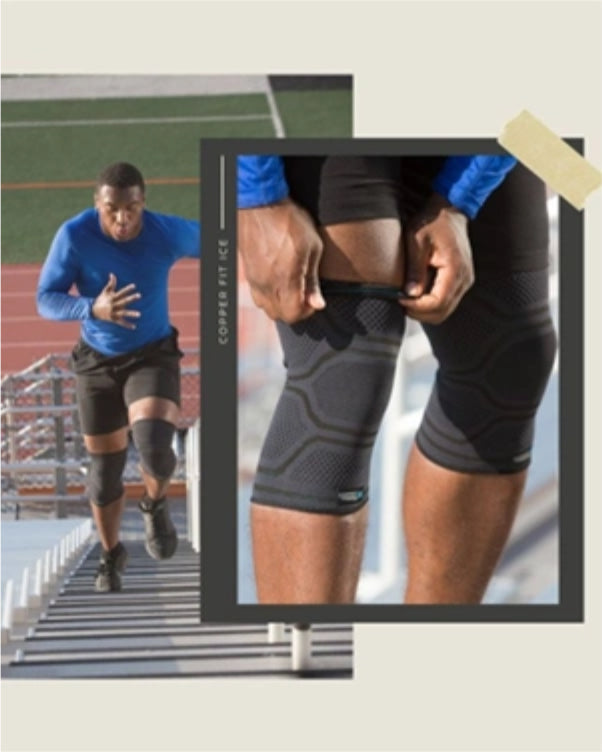
Compression knee sleeves and braces are designed to provide gentle support that can help:
- Support healthy blood flow
- Promote muscle recovery after activity
- Help soothe discomfort and tension
- Provide stability during movement
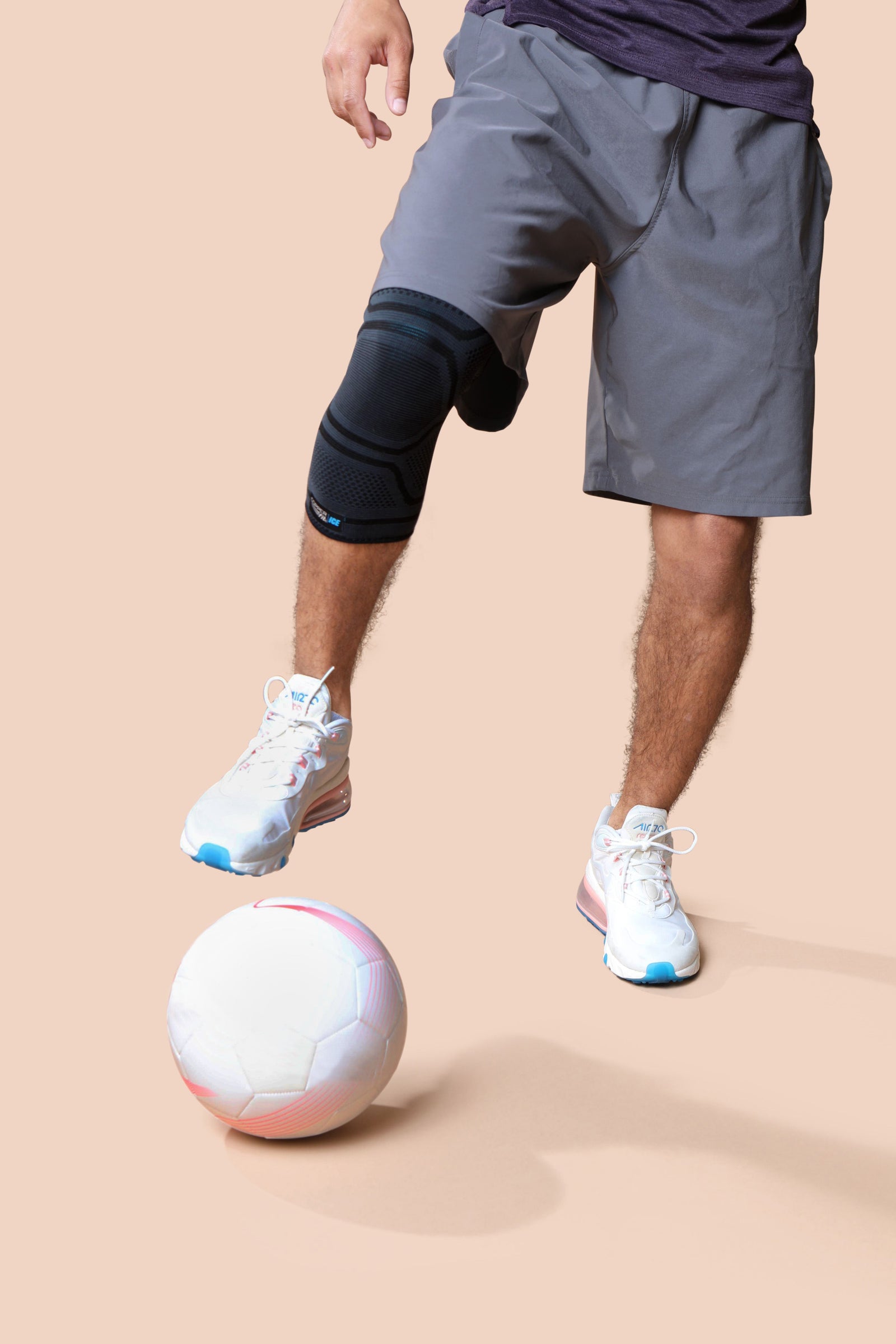
Many runners choose to wear knee sleeves or braces during longer runs, after tough workouts, or when returning to training after time off. The added support can help you stay more confident in your stride without limiting mobility.
FAQ
Why do my knees hurt after running?
Knee discomfort after running is often linked to overuse, tight muscles, or weak supporting muscles. Recovery habits and proper support can help soothe soreness and reduce recurring tension.
Are compression knee sleeves good for running?
Compression knee sleeves can help support healthy blood flow and provide gentle stability during and after runs. Many runners use them to help soothe discomfort and promote recovery.
How can I prevent knee soreness after running?
Gradual training increases, strength work, mobility routines, and supportive recovery tools can all help reduce knee soreness. Staying consistent with recovery is key to long-term comfort.
The Bottom Line
Running is about more than miles. It’s about showing up, building endurance, and staying committed to a healthier, more active life. Here at Copper Fit, we’re all about supporting you with the right recovery habits and tools to keep moving comfortably.
Along with stretching, strengthening, increasing intensity gradually, and taking rest days, compression knee sleeves and braces can be a simple way to help soothe tension, support healthy blood flow, and recover smarter after every run.
Whether you’re heading out for your first mile or your next big goal, we’re here to help you feel stronger, stay supported, and enjoy every step forward.
Sources:
Patellofemoral Pain Syndrome (Runner's Knee) | John Hopkins
Knee Joint: Function & Anatomy | Cleveland Clinic
Proper Running Form for Every Part of the Body, from a Running Coach | HSS
5 Mobility Exercises to Prevent Running Injuries | Yale Medicine