Post-workout arm soreness is a common challenge that affects athletes and fitness enthusiasts at every level. Whether you're dealing with delayed onset muscle soreness (DOMS) from strength training or fatigue from repetitive motions, finding effective recovery solutions is essential for maintaining your active lifestyle.
Compression sleeves have emerged as a scientifically backed tool for supporting arm muscle recovery, offering targeted support that helps soothe discomfort, maintain healthy circulation, and support stable joints. By understanding how these specialized garments work and implementing proper usage techniques, you can transform your recovery routine and get back to peak performance.
Understanding Compression Sleeves and Muscle Recovery
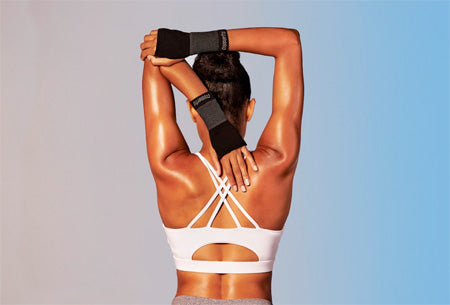
A compression sleeve is a snug, elastic garment designed to apply graduated pressure to the arm to support muscles and joints during and after activity. These specialized sleeves create controlled compression that is typically strongest at the extremities and gradually decreases toward the heart, supporting healthy blood flow and lymphatic drainage.
When you exercise, your muscles experience microscopic damage that triggers irritation and a buildup of lactic acid. Compression sleeves work by applying consistent pressure that helps squeeze these waste products out of the muscle tissue while supporting the delivery of oxygen-rich blood and nutrients needed for repair.
The science behind compression therapy reveals several key mechanisms that make these garments effective for arm recovery. The external pressure helps reduce the space available for swelling, which can soothe discomfort. Additionally, the healthy circulation supported by compression sleeves ensures that healing nutrients continue to reach damaged muscle tissue while metabolic waste products continue to be naturally removed.
Understanding proprioception is also crucial when discussing compression sleeves. This refers to your body's ability to sense its position and movement in space. Compression sleeves provide gentle proprioceptive feedback that can help support muscle awareness and coordination.
Types of Compression Sleeves for Arms
Understanding the different types of compression sleeves available can help you select the most appropriate option for your specific recovery needs and activity level. Compression sleeves are typically categorized by their compression level, measured in millimeters of mercury (mmHg), which indicates the amount of pressure applied to the limb.
Light Compression
Light compression sleeves (8-15 mmHg) are ideal for individuals new to compression therapy or those seeking mild support during low-intensity activities. These sleeves provide gentle pressure that can help with minor muscle fatigue and are comfortable enough for extended wear throughout the day. They're particularly beneficial for office workers or individuals who experience mild arm discomfort from repetitive motions.
Moderate Compression
Moderate compression sleeves (15-20 mmHg) represent the most popular category for athletic recovery and general muscle support. This compression level provides noticeable benefits for soothing post-workout soreness while remaining comfortable for several hours of wear. Most recreational athletes and fitness enthusiasts find this level optimal for recovery from strength training, tennis, golf, or other arm-intensive activities.
Firm Compression
Firm compression sleeves (20-30 mmHg) are designed for more serious athletes or individuals dealing with significant muscle soreness and swelling. This higher level of compression provides maximum support for recovery from intense training sessions or competitions. However, this compression level may feel restrictive for some users and is typically recommended for shorter wearing periods.
Medical-Grade Compression
Medical-grade compression sleeves (30+ mmHg) are reserved for specific therapeutic applications and should only be used under medical supervision. These high-compression garments are typically prescribed for diagnosable conditions rather than general athletic recovery.
Does Material Matter in Compression Wear?
Material composition plays a crucial role in sleeve effectiveness and comfort. Modern compression sleeves often incorporate advanced synthetic blends that provide optimal elasticity, moisture management, and durability.
Copper-infused fabrics, such as those used in Copper Fit® products, have gained popularity due to their antimicrobial properties, which help control odor and maintain hygiene during extended wear periods.
Choosing the Right Compression Sleeve
Selecting the optimal compression sleeve requires careful consideration of several key factors that will determine both the effectiveness of your recovery and your comfort during wear. The first and most critical step involves determining the appropriate compression level for your specific needs and activity level.
For most individuals seeking post-workout recovery benefits, moderate compression (15-20 mmHg) provides the ideal balance of therapeutic effect and comfort. This level offers significant benefits for soothing muscle soreness and supporting healthy circulation without feeling overly restrictive.
Athletes engaged in high-intensity training or those with more severe muscle soreness may benefit from firm compression (20-30 mmHg), but should gradually adapt to higher compression levels.
Proper sizing is essential for achieving the intended therapeutic benefits of compression sleeves. An incorrectly sized sleeve can either provide insufficient compression or create uncomfortable pressure points that may impede circulation rather than improve it. Most manufacturers provide detailed sizing charts that require measurements at multiple points.
When measuring for compression sleeves, take measurements in the morning when swelling is typically at its lowest point. Use a flexible measuring tape and ensure it lies flat against your skin without being too tight or loose. If your measurements fall between sizes, most experts recommend choosing the smaller size for optimal compression benefits, provided it doesn't cause discomfort or restrict circulation.
Material considerations significantly impact both performance and longevity of compression sleeves. Look for fabrics that combine elastane or spandex with moisture-wicking synthetic fibers for optimal stretch and recovery properties. Copper-infused materials, such as those in Copper Fit® products, offer additional antimicrobial benefits that help control odor and maintain freshness during extended wear periods.
Consider your specific activities and recovery needs when evaluating different sleeve designs. If you primarily need support for elbow issues, a targeted elbow sleeve may be more appropriate than a full-arm design. Conversely, if you engage in activities that stress the entire arm, comprehensive coverage will provide better overall support.
Quality indicators include reinforced stress points, consistent compression throughout the garment, and clear compression level markings. Reputable manufacturers typically provide detailed care instructions and compression level certifications that ensure you're receiving the advertised therapeutic benefits.
Budget considerations should balance initial cost with long-term value. While higher-quality compression sleeves may cost more initially, they often provide better compression retention, durability, and comfort over time. A well-made sleeve that maintains its compression properties for months of regular use represents better value than a cheaper option that loses effectiveness quickly.
Proper Usage of Compression Sleeves
Maximizing the recovery benefits of compression sleeves requires understanding proper application techniques and optimal wearing schedules. The timing and duration of sleeve use can significantly impact their effectiveness for muscle recovery and overall comfort.
For post-workout recovery, the most beneficial approach involves putting on compression sleeves immediately after exercise while muscles are still warm and circulation is elevated. This timing helps capture the blood flow from exercise and maintains it during the critical early recovery period. The sleeve should be applied within 30 minutes of completing your workout for maximum benefit.
The application process begins with ensuring your arm is clean and dry, as moisture can affect the sleeve's ability to grip properly and may cause slipping during wear. Starting from the hand or wrist, gradually roll the sleeve up your arm rather than trying to pull it on all at once. This rolling technique ensures even distribution of the fabric and prevents bunching or uncomfortable pressure points.
The sleeve should feel snug but not painful, and you should be able to slide one finger underneath the fabric at any point. If you experience numbness, tingling, or significant discomfort, the sleeve may be too tight or improperly positioned.
Optimal wearing duration varies depending on your recovery needs and compression level. For moderate compression sleeves (15-20 mmHg), wearing periods of 2-4 hours post-workout typically provide excellent recovery benefits without causing discomfort. Some individuals benefit from longer wearing periods of 6-8 hours, particularly when dealing with significant muscle soreness or swelling.
During sleep, compression sleeve use should be approached cautiously. While some people find gentle compression helpful for overnight recovery, others may experience discomfort or circulation issues. If you choose to wear compression sleeves while sleeping, opt for lighter compression levels (8-15 mmHg) and ensure they don't feel restrictive when lying down.
For multi-day recovery protocols, alternating periods of compression with sleeve-free time allows your skin to breathe and prevents potential issues from prolonged pressure. A common effective schedule involves wearing sleeves for 3-4 hours immediately post-workout, removing them for 2-3 hours, then wearing them again for another 2-4 hours if needed.
Activity-specific considerations affect optimal usage patterns. If you're wearing sleeves during subsequent workouts, ensure they don't restrict your range of motion or cause discomfort during specific movements. Some athletes prefer to remove sleeves during exercise and reapply them immediately afterward, while others find benefit in wearing them throughout their training sessions.
Monitoring your body's response to compression therapy helps optimize your usage routine. Pay attention to how your muscles feel during and after wearing the sleeves, noting any changes in soreness, stiffness, or recovery time. Adjust wearing duration and frequency based on your individual response and recovery needs.
Care and Maintenance
Proper care and maintenance of compression sleeves is essential for preserving their therapeutic effectiveness and extending their usable lifespan. The elastic fibers that provide compression are sensitive to heat, chemicals, and mechanical stress, making appropriate care techniques crucial for maintaining optimal performance.
Daily cleaning is recommended for compression sleeves used during exercise or worn for extended periods. The combination of sweat, oils, and dead skin cells can accumulate in the fabric, potentially causing odor, irritation, and degradation of the compression properties. Hand washing with mild, fragrance-free detergent provides the gentlest cleaning method that preserves the elastic integrity of the fabric.
When hand washing, use lukewarm water (never hot) and gently agitate the sleeve to remove soil and oils. Avoid scrubbing or wringing the fabric, as these actions can damage the elastic fibers and compromise compression levels. Rinse thoroughly with cool water to remove all detergent residue, which can cause skin irritation and fabric breakdown over time.
Fabric softeners and bleach should never be used with compression garments, as these chemicals can break down the elastic fibers and reduce compression effectiveness. Similarly, avoid detergents with enzymes or brightening agents that may react with copper-infused fabrics or other specialized materials.
Drying techniques significantly impact the longevity of compression sleeves. Heat from dryers, direct sunlight, or radiators can cause elastic fibers to break down rapidly, leading to loss of compression and premature replacement needs. Instead, gently squeeze out excess water (never wring) and lay the sleeves flat on a clean towel to air dry in a well-ventilated area away from direct heat sources.
For faster drying, you can gently roll the sleeves in a clean, dry towel to absorb excess moisture before laying them flat. This technique reduces drying time without exposing the fabric to damaging heat. Ensure sleeves are completely dry before storing to prevent mold, mildew, and odor development.
Storage considerations help preserve compression sleeves when not in use. Store clean, dry sleeves in a cool, dry place away from direct sunlight and extreme temperatures. Avoid folding or creasing the sleeves repeatedly, as this can create weak points in the fabric. Instead, lay them flat or roll them loosely for storage.
Regular inspection of your compression sleeves helps identify wear patterns and determine when replacement is necessary. Look for signs of thinning fabric, loose threads, holes, or areas where the compression feels noticeably reduced. Most high-quality compression sleeves maintain their effectiveness for 6-12 months with regular use and proper care.
Replacement indicators include visible wear, loss of elasticity, persistent odors that don't resolve with cleaning, or reduced compression that no longer provides the intended therapeutic benefits. Keeping track of purchase dates and usage frequency helps determine appropriate replacement schedules for maintaining optimal recovery benefits.
When To Consult a Healthcare Professional
While compression sleeves are generally safe and beneficial for most individuals, certain situations warrant professional medical evaluation to ensure appropriate use and rule out underlying conditions that may require specialized treatment. Understanding when to seek professional guidance helps maximize the benefits of compression therapy while maintaining your overall health and safety.
Persistent or worsening pain that doesn't respond to compression therapy and other conservative measures may indicate a more serious underlying condition. If arm soreness continues to increase or fails to improve after 3-5 days of proper compression sleeve use combined with rest and other recovery strategies, consider consulting a healthcare provider. This is particularly important if the pain interferes with daily activities or sleep patterns.
Signs of circulation problems require immediate professional attention. These include numbness, tingling, or color changes in the fingers or hand while wearing compression sleeves, or persistent swelling that worsens despite compression therapy. If you experience any of these symptoms, remove the compression sleeve immediately and seek medical evaluation.
Individuals with pre-existing medical conditions should consult healthcare professionals before beginning compression therapy. Conditions such as diabetes, peripheral vascular disease, heart failure, or blood-clotting disorders can affect how your body responds to compression. A healthcare provider can help determine appropriate compression levels and usage guidelines based on your specific medical history.
Skin reactions or persistent irritation from compression sleeves warrant professional evaluation, especially if symptoms worsen or don't resolve after discontinuing use. While mild initial adjustment reactions are common, ongoing skin problems may indicate an allergic reaction or inappropriate sizing that requires professional guidance.
Acute injuries such as muscle strains, ligament sprains, or suspected fractures should be evaluated by a healthcare professional before applying compression therapy. While compression can be beneficial for many injuries, certain conditions may require specific treatment protocols or may be worsened by compression.
Athletes experiencing performance declines or recurring injuries despite proper compression therapy and recovery protocols may benefit from professional sports medicine evaluation. A qualified provider can assess movement patterns, training loads, and recovery strategies to identify potential issues that may not be addressed by compression alone.
Pregnancy considerations require professional guidance when using compression therapy. While compression sleeves are generally safe during pregnancy, hormonal changes and circulation modifications may affect appropriate usage guidelines. Consulting with an obstetrician or certified healthcare provider ensures safe and effective use during this time.
Healthcare professionals who specialize in compression therapy include physical therapists, occupational therapists, certified lymphedema therapists, and sports medicine physicians. These specialists can provide comprehensive evaluation, proper fitting guidance, and ongoing monitoring to ensure optimal outcomes from compression therapy.
Remember that compression sleeves are a tool to support recovery and performance, but they're not a substitute for proper medical care when dealing with significant injuries or persistent symptoms. Professional guidance helps ensure you're using compression therapy safely and effectively as part of a comprehensive approach to arm health and recovery.