Key Takeaways
- Proper brace selection depends on symptoms, activity level, and correct sizing
- Buttress and open-patella designs provide different levels of guidance and support
- Bracing works best alongside targeted exercises and smart activity choices
Patellar tracking pain can make everyday movement uncomfortable, whether it shows up during exercise, long periods of sitting, or simple, routine activities like climbing stairs. Choosing the right knee brace and using it correctly can help support proper kneecap movement and comfort throughout the day.
Understanding Patellar Tracking Pain
Patellar tracking pain occurs when the kneecap does not move smoothly within the femoral groove as the knee bends and straightens. Instead of gliding evenly, the patella may shift slightly off course, leading to irritation, discomfort, or a feeling of instability around the front of the knee.
Common signs include soreness around or behind the kneecap, mild swelling, stiffness after sitting, or discomfort during activities that load the knee joint. This issue can affect athletes and non-athletes alike and is often linked to muscle imbalances, repetitive stress, or individual anatomical differences.
Recognizing symptoms early can help prevent ongoing irritation and support better movement patterns over time.
Consult a Healthcare Professional for Guidance
Before selecting a knee brace, it’s important to consult a qualified healthcare professional. A proper evaluation helps confirm that patellar tracking is the source of discomfort and ensures there are no underlying issues requiring additional care.
A provider can also help determine which brace style and level of support align with your activity level and comfort needs. This guidance is especially helpful if knee discomfort is persistent or affects daily function.
A general medical practitioner is a great place to start, and they can let you know if you may need additional support from a physical therapist or an orthopedic specialist.
Measure and Choose the Correct Knee Brace Size
Proper sizing plays a major role in how well a knee brace performs. A brace that is too loose may shift during movement, while one that is too tight can feel restrictive.
To measure correctly, use a soft tape measure around your leg approximately 10 centimeters above the kneecap. Compare this measurement to the manufacturer’s sizing chart to identify the best fit.
|
Size |
Knee Circumference (cm) |
|
Small |
30–35 |
|
Medium |
35–40 |
|
Large |
40–45 |
|
X-Large |
45–50 |
Accurate sizing helps maintain consistent support and improves overall comfort during wear.
Select the Best Knee Brace Type for Patellar Tracking
Different knee brace designs offer varying levels of support. Matching the knee brace type to your symptoms and activity level helps ensure the right balance of stability and mobility.
-
Open patella braces feature a circular cutout around the kneecap, reducing direct pressure while allowing natural movement. These are commonly used for mild tracking concerns and everyday activity.
-
Buttress braces include C-, U-, or O-shaped supports that help guide the kneecap into a more stable position. These braces are often preferred by more active individuals who want additional structure during movement.
- Compression sleeves provide uniform pressure around the knee. While they don’t guide the patella directly, they can help manage mild swelling and improve awareness of knee positioning.
For a broader comparison of support options, this guide on types of knee braces offers helpful context.
Properly Fit and Adjust Your Knee Brace
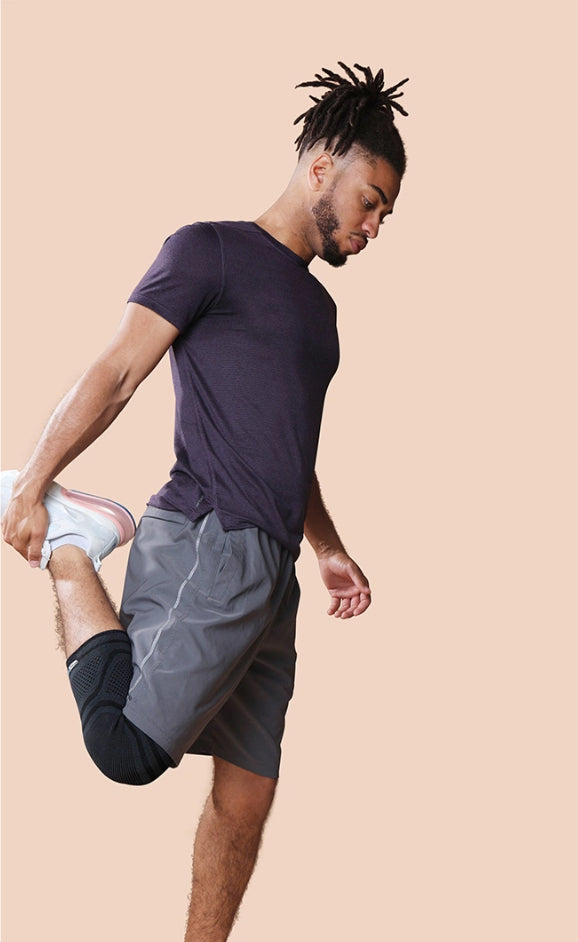
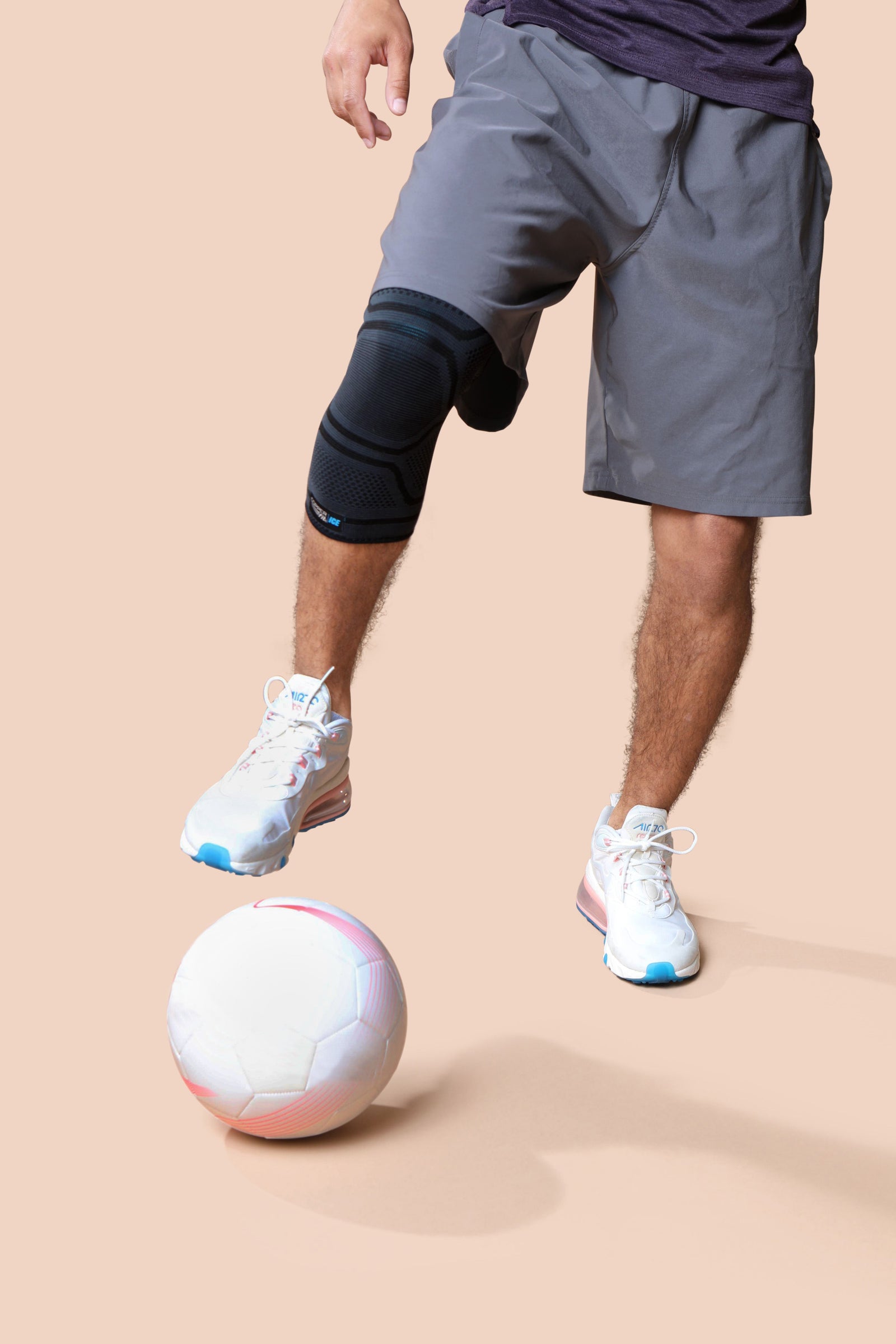
Correct placement ensures the brace functions as intended. Start by loosening all straps, then slide the brace onto the knee with the seam centered behind the leg. Align the kneecap with the brace opening or buttress before securing straps evenly.
The brace should feel snug but not restrictive, allowing comfortable movement without slipping. If you’re transitioning between different support styles, this breakdown of knee brace vs. knee sleeve can help clarify expectations.
Monitor Comfort and Support Throughout Use
Check brace positioning periodically, especially during extended wear or physical activity. Remove the brace if you notice irritation, numbness, or increased discomfort, and readjust once swelling subsides.
Listening to your body helps maintain comfort and prevents unnecessary strain.
Complement Bracing With Targeted Knee Exercises
Supportive bracing works best when paired with strengthening and mobility exercises. Movements such as straight-leg raises, wall slides, and controlled quadriceps contractions help improve knee alignment and movement control.
Low-impact activities like walking or hiking may also benefit from bracing support. If outdoor activity is part of your routine, this overview of knee braces for hikers provides helpful insight.
Key Features To Look for in a Patellar Tracking Knee Brace
When evaluating knee braces, prioritize features that promote comfort and consistent support:
|
Feature |
Benefit |
|
Adjustable straps or buttress |
Allows customized support |
|
Patella cutout or padding |
Reduces direct kneecap pressure |
|
Breathable fabric |
Improves comfort during long wear |
|
Compression |
Helps manage swelling and awareness |
Understanding how bracing fits into broader recovery strategies, such as rest and activity modification, can further support comfort. This guide on wrapping a knee for recovery offers complementary context.
Frequently Asked Questions
What is patellar tracking, and why does it cause discomfort?
Patellar tracking issues occur when the kneecap doesn’t glide smoothly, leading to irritation around the knee joint.
How does a knee brace help with patellar tracking?
A knee brace helps guide kneecap movement and provides consistent support during activity.
When should I wear my knee brace?
Many people wear a brace during activity or when discomfort is more noticeable, following professional guidance.
Can exercises improve brace effectiveness?
Yes. Strengthening surrounding muscles helps improve knee stability and movement quality.
When should I seek additional medical advice?
If discomfort persists, worsens, or limits daily activity, consult a healthcare professional as soon as possible.
Sources:
Patellofemoral Pain Syndrome | American Family Physician
Knee Braces: Current Evidence and Clinical Recommendations for Their Use | AAFP