Key Takeaways
- Selecting the right knee brace starts with a professional evaluation and understanding the severity of tendon discomfort.
- Match the brace type—compression sleeve, patellar strap, or hinged brace—to your activity level and support needs.
- Accurate measurement and proper fit are essential for comfort, stability, and effective support during daily activities or exercise.
Selecting the right knee brace for patellar tendonitis can make daily activities, such as exercise or standing for extended periods, feel more manageable. With the right approach, you can narrow down options based on your activity level, support needs, and comfort preferences.
This guide walks you through a clear, step-by-step process to help you identify the best type of brace for your situation and feel more confident in your recovery plan.
Start With a Professional Evaluation
Before exploring different knee braces, it’s important to begin with guidance from a healthcare professional. Knee discomfort can come from many sources, and a provider can help you understand whether your symptoms are consistent with patellar tendon irritation or another concern.
They can also help you build a personalized plan to support joint comfort and movement as you heal. Patellar tendonitis—often called jumper’s knee—happens when the tendon connecting the kneecap to the shinbone becomes irritated from repeated stress.
People may notice tenderness below the kneecap, stiffness after activity, or swelling that can make bending or straightening the leg uncomfortable. Having a clear diagnosis helps you match the right brace to your needs and supports better long-term results.
Evaluate the Severity of Your Tendon Discomfort
Understanding how severe your symptoms are helps you decide which features you should prioritize in a knee brace. Mild tendon discomfort may show up only during activity, while moderate cases may involve noticeable swelling or lingering soreness. More significant discomfort can make daily movements like stairs, squatting, or standing for long periods challenging.
How to self-assess severity
- Pain Level: Does discomfort appear only during exercise or does it persist afterward?
- Movement Limitations: Are activities like jumping, running, or bending the knee difficult?
- Visible Changes: Do you notice swelling or warmth around the tendon area?
When symptoms are mild, simple support may be enough. As discomfort increases, you may benefit from targeted pressure or added stability. Keeping this in mind will make choosing the right brace easier.
Match Brace Features to Your Activity Level
Your lifestyle influences the type of brace that will work best for you. Someone who lifts, runs, jumps, or plays high-impact sports will have different support needs than someone who works at a desk or prefers walking and light movement.
- For active individuals: A brace designed for stability or targeted pressure can help support the knee during explosive or repetitive movements.
- For moderately active individuals: A sleeve or strap can offer steady support throughout daily routines without restricting natural movement.
- For less active individuals: Soft, flexible options can provide comfort and gentle reinforcement without adding bulk.
Patellar straps worn slightly below the kneecap can help focus pressure right where the tendon needs support. This design is popular among runners, cyclists, and athletes who need a balance of mobility and reinforcement.
Measure Your Knee for a Proper Fit
A knee brace can only work effectively if it fits well. Taking accurate measurements helps ensure that the brace sits securely without slipping or restricting circulation.
To measure:
- For knee sleeves, wrap a measuring tape around the leg about six inches above the kneecap.
- For patellar straps, measure directly over the center of the kneecap.
Compare your measurement to the manufacturer’s size chart. If you fall between sizes, choosing the larger option typically provides more comfort without losing stability.
A properly fitted brace should feel snug but not tight. Adjustable straps can help you fine-tune compression and keep the brace securely in place as you move.
Understand the Main Types of Knee Braces
Different braces offer different benefits. The goal is to match the brace style to your specific comfort and support needs.
Compression Sleeves
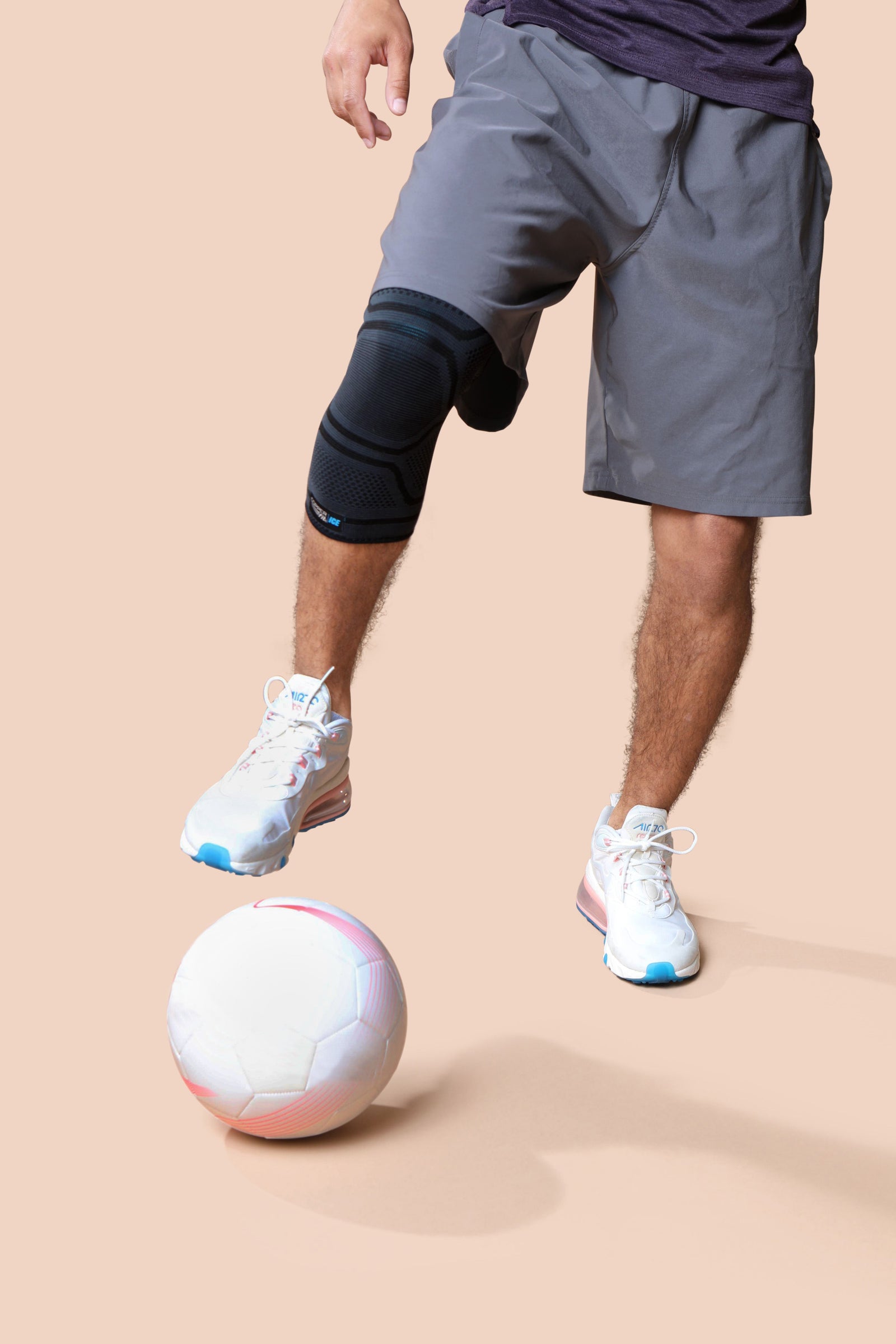
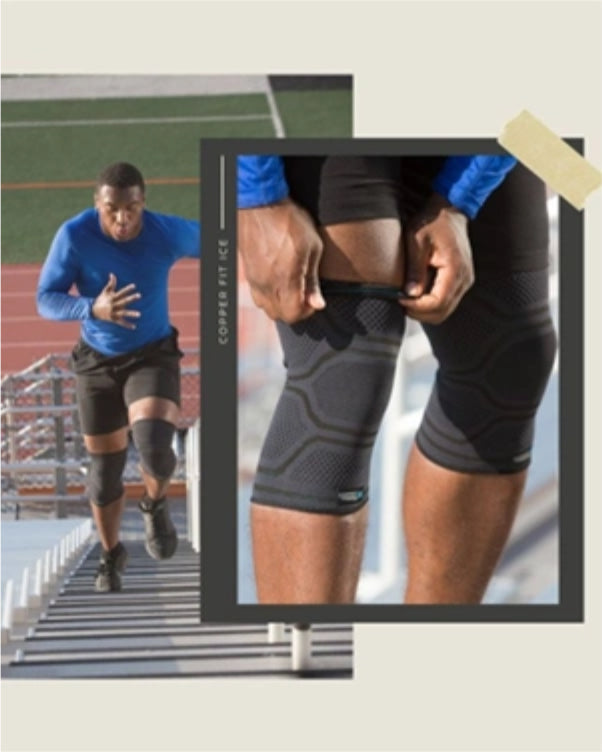
Sleeves offer consistent pressure around the knee, encouraging comfortable movement and supporting natural joint function. They’re a great option for mild to moderate discomfort, everyday wear, and situations where swelling may fluctuate.
Many people prefer sleeves for office work, long shifts on their feet, or lighter physical activity. A sleeve can also help support circulation and reduce chafing during repeated movements. To explore sleeve options further, see Copper Fit’s overview of types of knee braces.
Patellar Straps
Patellar straps sit below the kneecap and apply focused pressure across the tendon. This can help redistribute force during activities like running, jumping, or climbing.
Straps are low-profile, easy to adjust, and built for athletes or anyone who needs targeted reinforcement without the bulk of a larger brace. Higher-quality straps often include adjustable compression, soft materials, or silicone pads to improve comfort where the tendon needs it most.
Hinged Knee Braces
Hinged braces offer the most structural support. With side hinges and a firmer frame, they can help stabilize the knee when discomfort is more intense or when additional support is needed during recovery.
These braces help limit excessive side-to-side motion, making them a good fit for people who experience instability or require moderate protection during movement. Level 2 braces, which offer stability while keeping some mobility, may be helpful for those easing back into activity.
For hikers or trail-goers who face uneven terrain, Copper Fit’s guide on knee support for hikers provides helpful insight.
Frequently Asked Questions
What size knee brace should I choose?
Measure your knee based on the manufacturer’s guidelines and ensure the fit is snug without feeling restrictive. If you’re between sizes, selecting the larger size usually offers more comfort.
What type of brace design works best for patellar tendon discomfort?
Open-patella designs and braces with adjustable support around the kneecap can help reduce pressure in sensitive areas while offering structure for comfortable movement.
What material should the brace be made of?
Look for breathable, flexible fabrics that wick moisture and feel comfortable against the skin during long wear.
How should I secure my brace?
Strong, adjustable straps or medical-grade fasteners help ensure the brace stays in place and maintains consistent compression as you move.
When should I wear my knee brace?
Many people wear their brace during daily tasks, workouts, or activities that tend to trigger discomfort. Follow your healthcare provider’s guidance for specific recommendations.
Sources:
Knee Braces, Sleeves & Support: Types & How To Use | Cleveland Clinic