Key Takeaways
- A knee brace should feel snug and supportive without restricting circulation or causing numbness.
- A brace that is too loose will shift during movement and offer minimal real support.
- Proper fit varies by brace type and activity level, so always measure before purchasing.
Many people strap on a knee brace and immediately wonder if it feels right. A brace that fits correctly can help soothe discomfort, support healthy circulation, and keep you moving with confidence. One that fits poorly, whether too tight or too loose, can work against you.
Here’s exactly what to look for.
What Is a Knee Brace Used For?
Knee braces are worn to help support the knee joint during activity or recovery. They are commonly used to soothe discomfort from overuse or injury , stabilize the joint during high-impact movement, and support healthy circulation via compression during and after exercise.
Some people wear a knee brace as a preventive measure during strenuous physical activity, while others rely on them during recovery. Regardless of the reason, the right brace only works when it fits correctly.
What Should a Properly Fitted Knee Brace Feel Like?
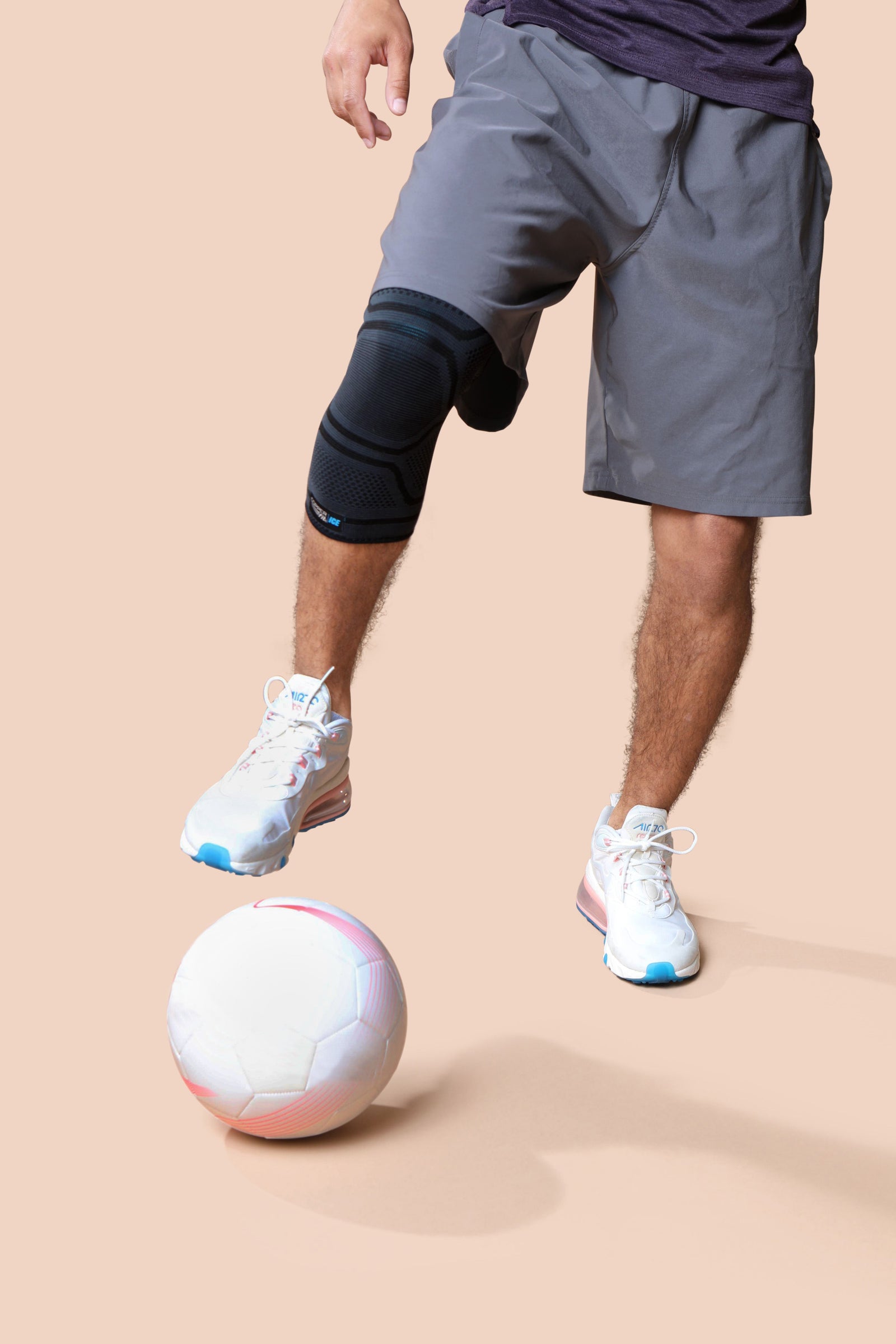
A well-fitted knee brace should feel snug and stable, with enough compression to support the joint without causing tingling, numbness, or restricted movement.
A simple way to check your fit: you should be able to slide one to two fingers underneath the brace without forcing it. If you cannot get a finger under it, the brace is likely too tight. If your fingers slide under with no resistance, it’s too loose.
A correctly fitted brace should also stay in place throughout activity without rotating, sliding down, or bunching behind the knee. In short, your brace should feel supportively snug, but not uncomfortable.
Signs Your Knee Brace Is Too Tight
If you notice numbness, tingling, or skin discoloration while wearing your brace, it is likely too tight. These are signals that circulation is being restricted rather than supported.
Be cautious of the following warning signs during wear:
- Numbness or tingling in the lower leg or foot
- Skin redness or deep imprints left after removing the brace
- Swelling in the foot or ankle
- A throbbing or increased tension sensation around the knee
Cutting off circulation defeats the purpose of wearing a brace. If you experience any of these symptoms, loosen the brace or size up before continuing use.
Signs Your Knee Brace Is Too Loose
A knee brace that shifts, folds, or slides during movement is too loose and offers little meaningful support. Unlike a brace that fits correctly, a loose brace allows the joint to move without proper stabilization, which can contribute to greater soreness over time.
Watch for these signs that your brace needs a better fit:
- The brace rotates or slides down during activity
- You feel little to no compression around the joint
- The brace bunches or folds behind the knee
- Soreness returns quickly during or after activity
How To Measure for the Right Knee Brace Fit
To find your correct size, measure the circumference of your knee at the center of the kneecap.
Follow these steps for the most accurate result:
- Use a soft, flexible measuring tape
- Stand with a slight bend in the knee while measuring
- Cross-reference your measurement with the brand's sizing chart
- Factor in your activity level, as higher-impact movement may call for firmer compression
Next, compare your measurement against the sizing guide for the specific brace you are considering. Sizing can vary between styles, so checking each product individually is always worth the extra step.
FAQs
Can I sleep with a knee brace on?
In most cases, wearing a compression sleeve to bed is fine as long as it doesn’t cause discomfort or restrict circulation overnight. When in doubt, consult a healthcare provider based on your individual needs.
How long should I wear a knee brace each day?
Most people wear a knee brace during activity and remove it during rest periods, since prolonged wear without breaks can sometimes increase tension or cause skin irritation.
Should a knee brace be worn over or under clothing?
Most compression sleeves and braces are designed to be worn directly against the skin for the most accurate fit and support, though thinner sleeves can often be worn over lightweight fabric.
The Bottom Line
Here at Copper Fit , we know what it feels like to push through soreness, tension, and the frustration of a slow recovery. That’s why our knee sleeves and braces are built with Maximum Support Compression technology, designed to support healthy circulation and soothe tension around the joint without sacrificing range of motion.
Whether you are returning to the gym or simply staying active day to day, the right fit makes all the difference. Find your fit and keep moving.
Sources: