Key Takeaways:
- Heel pain after running is common and often develops when impact, training load, or recovery exceeds the foot’s ability to adapt, especially during mileage or intensity increases.
- The most frequent causes of heel pain include plantar fasciitis, Achilles tendinitis, stress fractures, and biomechanical factors, including running form, footwear, and training surfaces.
- Addressing heel pain early through smart training adjustments, proper recovery, and supportive gear can help runners stay active and reduce the risk of chronic or recurring injury.
Heel pain after running is one of the most common complaints among runners of all levels, from beginners increasing mileage to seasoned athletes training for races. While discomfort in the heel may start as a mild annoyance, it can quickly progress into persistent pain that interferes with training consistency, performance, and overall mobility.
Understanding the potential causes of heel pain is the first step toward effective recovery and prevention. This guide breaks down the most common reasons runners experience heel pain, what symptoms to watch for, and how proper recovery strategies, including compression gear, can help athletes stay active and resilient.
Why Heel Pain Is Common Among Runners
Running places repetitive stress on the feet, particularly the heel, which absorbs impact with every stride. Depending on running form, footwear, terrain, and training volume, that impact can overload tissues that are not fully prepared to handle the force.
Heel pain often develops when:
- Training intensity or mileage increases too quickly
- Recovery time is insufficient
- Foot mechanics are inefficient or unsupported
- Footwear lacks adequate cushioning or stability
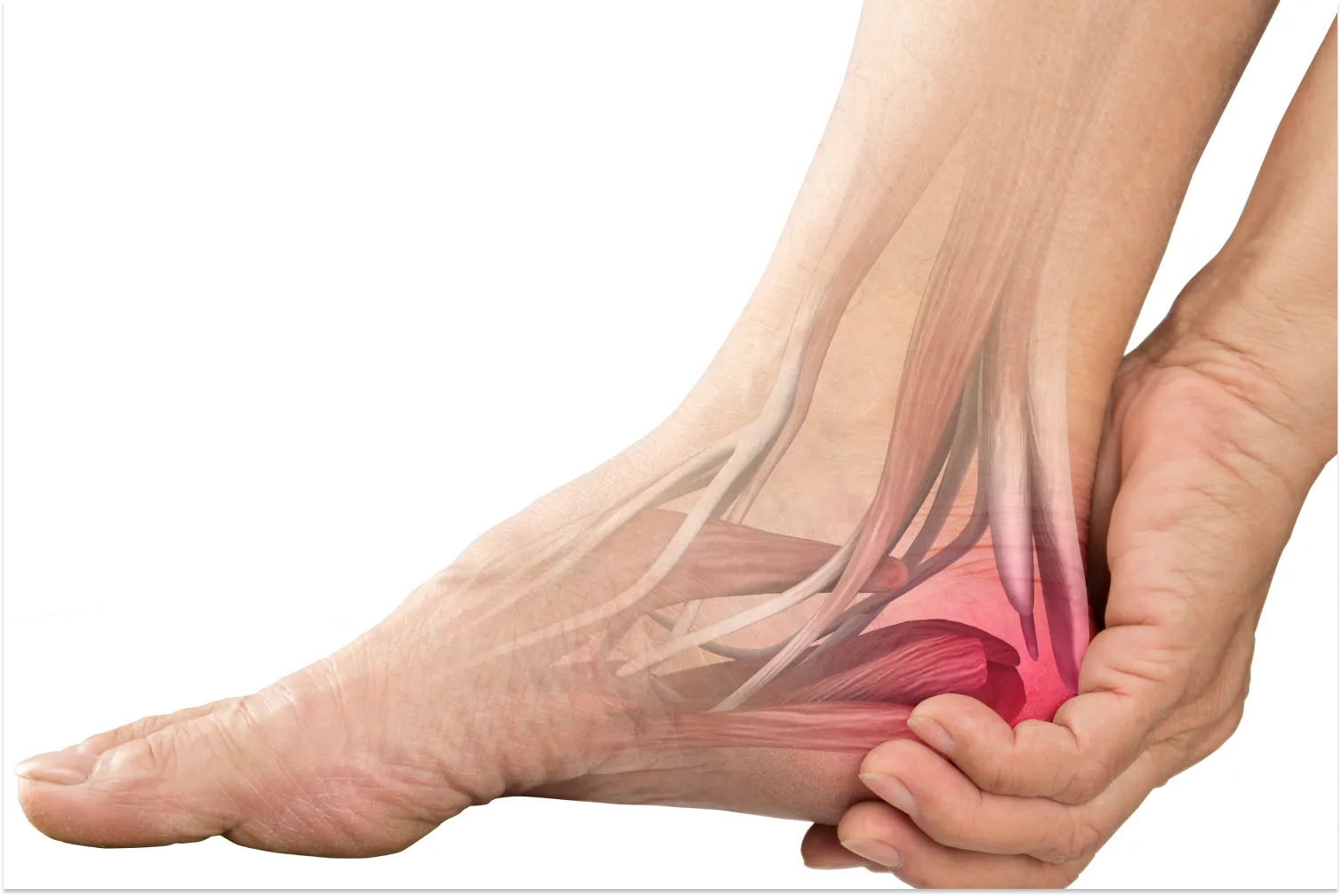
Because the heel connects the foot to the Achilles tendon and plantar fascia, pain in this area can signal strain across multiple structures.
Plantar Fasciitis: The Most Common Cause of Heel Pain
Plantar fasciitis is the leading cause of heel pain in runners. It occurs when the plantar fascia (a thick band of connective tissue running along the bottom of the foot) becomes irritated or inflamed.
Key symptoms include:
- Sharp or stabbing pain near the heel
- Pain that is worse during the first steps in the morning
- Discomfort after long runs or prolonged standing
Plantar fasciitis often develops gradually and worsens when runners continue training without addressing underlying causes.
Why Runners Develop Plantar Fasciitis
- Tight calves or Achilles tendons
- Sudden mileage increases
- Running on hard or uneven surfaces
- Poor arch support
Left untreated, plantar fasciitis can linger for months, making early intervention essential.
Achilles Tendinitis and Heel Pain
The Achilles tendon connects the calf muscles to the heel bone and plays a critical role in running propulsion. Overuse or excessive strain can lead to Achilles tendinitis, which often presents as heel pain.
Common signs include:
- Pain or stiffness at the back of the heel
- Tenderness along the tendon
- Pain that worsens with speed work or hill running
This condition is especially common among runners who suddenly increase intensity, incorporate sprinting, or return too quickly after time off.
Heel Spurs: When Bone Growth Causes Discomfort
Heel spurs are calcium deposits that form on the underside of the heel bone. While heel spurs themselves may not always cause pain, they are often associated with plantar fasciitis.
- Heel spurs develop over time due to chronic stress
- Pain typically occurs during weight-bearing activities
- Imaging may reveal spurs even in pain-free individuals
Treatment usually focuses on reducing inflammation and correcting biomechanical stress rather than addressing the spur directly.
Stress Fractures of the Heel Bone
Although less common, calcaneal stress fractures can cause heel pain after running. These injuries result from repetitive loading that exceeds the bone’s ability to remodel.
Warning signs include:
- Gradual onset of pain that worsens with activity
- Localized tenderness
- Pain that persists even at rest
Stress fractures require immediate medical evaluation and rest to prevent more serious injury.
Running Mechanics
Running form also plays a role. Overstriding, excessive heel striking, or poor cadence can increase impact forces at the heel. To ensure that you are wearing the right shoes for your unique foot shape and gait, consider going to an actual brick-and-mortar running shoe store to be fitted for the proper shoes.
The Role of Training Surfaces in Heel Pain After Running
The surface you run on plays a major role in how much stress your heels absorb over time. Even runners with good shoes and sound mechanics can develop heel pain if they consistently train on unforgiving or uneven terrain.
Hard surfaces like concrete sidewalks and asphalt roads offer very little shock absorption. Over time, the repeated impact can overload the plantar fascia, heel fat pad, and Achilles tendon, especially for runners logging higher weekly mileage. While treadmills may feel easier on the joints, their repetitive belt motion can also stress the same tissues if stride patterns are not varied.
Uneven trails introduce a different challenge. Constant micro-adjustments for balance can strain the stabilizing muscles and connective tissues of the foot and ankle, indirectly increasing heel stress. Runners who transition abruptly from road running to trail running are particularly susceptible.
To reduce surface-related heel pain:
- Rotate running environments when possible
- Avoid sudden changes in terrain or elevation
- Incorporate softer surfaces like tracks or packed dirt during recovery weeks
- Use supportive gear post-run to help manage accumulated stress
Being mindful of where you run is just as important as how far or how fast you run.
How Recovery Plays a Role in Heel Pain
Recovery is often underestimated in running training plans. Without proper recovery, tissues do not have time to repair, increasing the risk of chronic heel pain.
Essential recovery practices include:
- Gradual mileage progression
- Rest days or low-impact cross-training
- Stretching and mobility work for calves and feet
- Ice and elevation after intense runs
Supporting recovery consistently can prevent minor discomfort from becoming a long-term issue.
How Supportive Gear Can Help Manage Discomfort
Supportive gear can play a valuable role in managing discomfort in the heel by supporting stability, circulation, and comfort during movement and recovery.
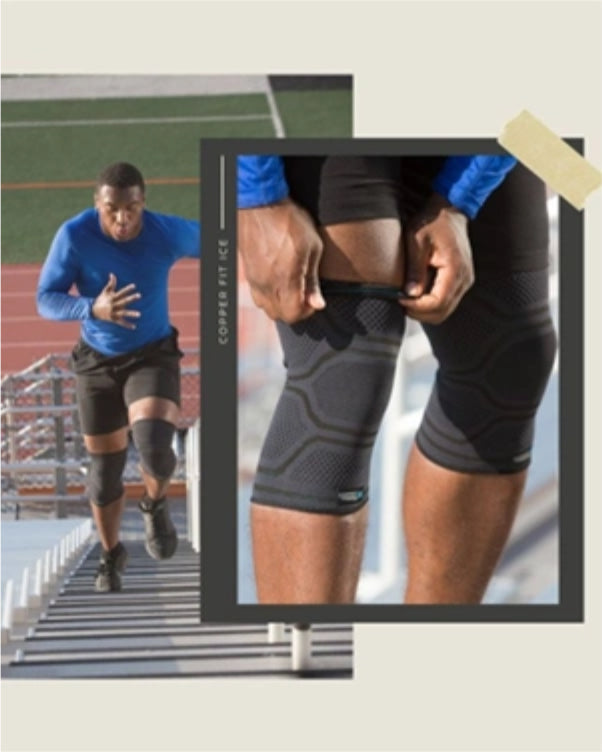
Copper Fit offers compression-based foot and ankle solutions designed to support active lifestyles. Compression helps support blood flow, which may aid recovery after runs, while structured support can reduce unnecessary strain on vulnerable areas of the foot and heel.
For runners dealing with recurring heel discomfort, Copper Fit foot sleeves or ankle supports can be worn during activity or recovery to provide targeted compression without restricting natural movement. These products are designed to integrate seamlessly into training routines, supporting athletes without disrupting performance.
Staying Active While Managing Heel Pain
Heel pain doesn’t always mean complete rest. Many runners can maintain fitness through modified activity, such as swimming, cycling, or elliptical training, while addressing symptoms. The key is balancing activity with recovery, allowing tissues to heal while preserving cardiovascular conditioning.
Frequently Asked Questions
What is the most common cause of heel pain after running?
Plantar fasciitis is the most common cause of heel pain in runners. It develops when the plantar fascia becomes irritated from repetitive stress, sudden mileage increases, poor arch support, or limited calf flexibility. Symptoms often include sharp heel pain during the first steps of the day or after long runs.
Should I stop running if I have heel pain?
Heel pain does not always require complete rest, but it should not be ignored. Many runners can continue training with reduced volume, lower intensity, or cross-training while addressing the underlying cause. Persistent or worsening pain, pain at rest, or localized tenderness should be evaluated by a medical professional.
How long does heel pain after running usually last?
Heel pain after running can last anywhere from a few days to several months, depending on the cause and how early it is addressed. Mild irritation related to training load or footwear may resolve with short-term rest and recovery, while conditions like plantar fasciitis or Achilles tendinitis often take weeks or longer to improve.
Pain that persists beyond a few weeks, worsens with activity, or begins affecting daily movement may signal the need for professional evaluation to prevent a chronic issue.
Final Thoughts
Heel pain after running is common, but it should never be ignored. Whether the cause is plantar fasciitis, Achilles irritation, footwear issues, or recovery gaps, understanding the underlying factors empowers runners to take control of their health.
With proper training adjustments, recovery strategies, and supportive running gear, most runners can successfully manage heel pain and return to consistent, confident running.
Sources:
Foot Kinematics in Runners with Plantar Heel Pain During Running Gait | Gait Posture