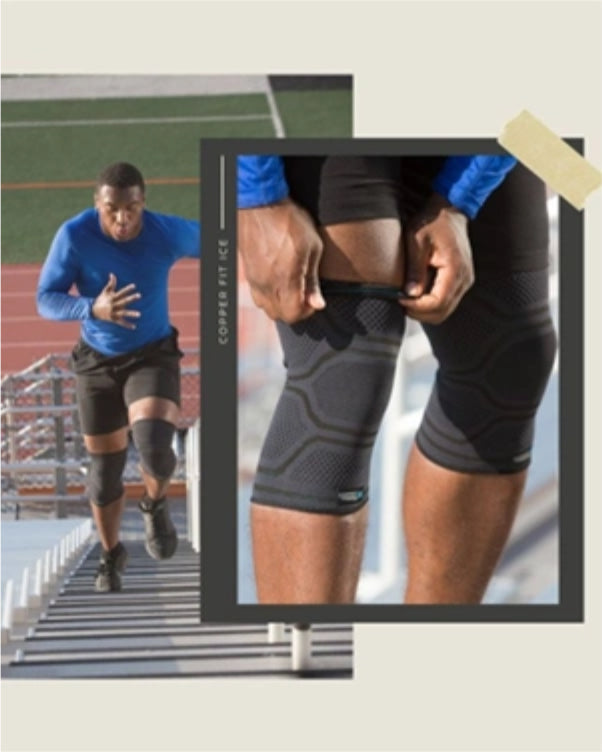
Basketball is fast, explosive, and demanding on the body, especially the knees. Choosing the right knee brace can help basketball players feel more supported, confident, and comfortable during practices and games.
In this guide, we break down why knee braces matter for basketball, how to assess your needs, and what features to look for when selecting the right option. Whether you play competitively or recreationally, the right knee support can help you stay focused on performance instead of discomfort.
Understanding the Importance of Knee Braces for Basketball Players
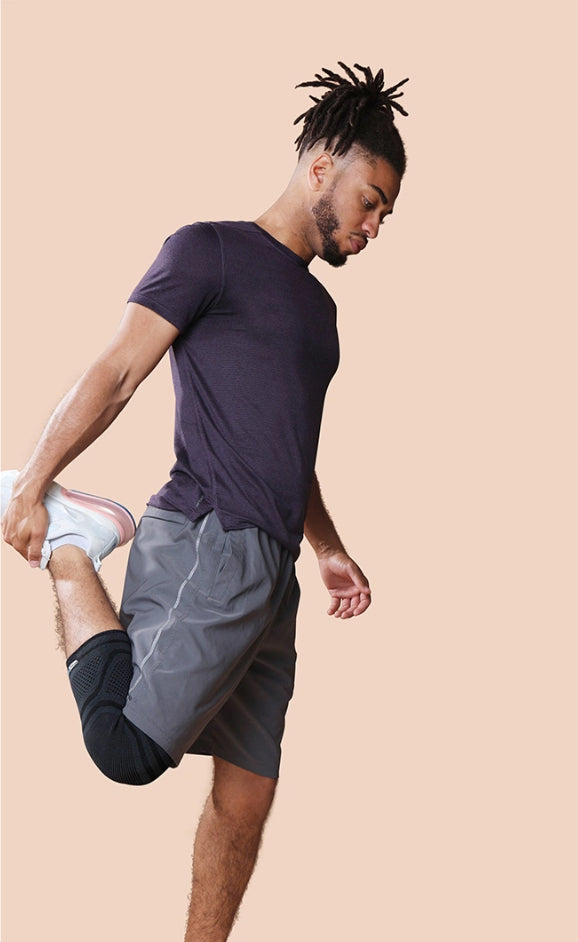
A knee brace is a supportive orthopedic device designed to stabilize the knee joint, regulate movement, and apply compression as needed. For basketball players, knee braces can help support joint alignment and maintain comfort during repetitive high-impact motions.
Basketball places a heavy load on the lower body, and the knees absorb much of that impact. According to MDPI, the ankle and knee are the most frequently injured in basketball, highlighting the importance of targeted knee support for athletes.
Beyond physical support, knee braces can enhance proprioception: the body’s awareness of joint position and movement. Improved proprioception helps players feel more in control during pivots, landings, and lateral movements. Copper Fit knee braces are designed to support joint stability and proprioception while allowing natural movement on the court.
Assessing Your Needs for Basketball Knee Support
Before choosing a knee brace, it’s important to identify what kind of support you’re looking for. Basketball players have different needs depending on their activity level, history, and on-court demands.
Start by matching your primary goal to the level of support you need. Some players want light compression for everyday play, while others may prioritize ongoing stability or recovery support after intense games.
You may benefit from a specific type of knee brace if you experience:
- Discomfort or instability during play
- A prior history of knee strain or injury
- Ongoing swelling or stiffness after games
Understanding your needs upfront makes it easier to narrow down the best knee brace for your playing style and comfort preferences.
Types of Knee Braces Suitable for Basketball
Not all knee braces are designed the same way. Each type offers different levels of support, mobility, and coverage, making certain options better suited for specific basketball scenarios.
Compression Sleeves
Compression sleeves are a popular choice among basketball players who want light support without sacrificing mobility. These sleeves are ideal for daily play, warm-ups, and general prevention.
A compression sleeve is a form-fitting, elastic support that provides mild to moderate compression to help maintain knee warmth and stability. This compression can support circulation and help manage mild swelling or discomfort during activity.
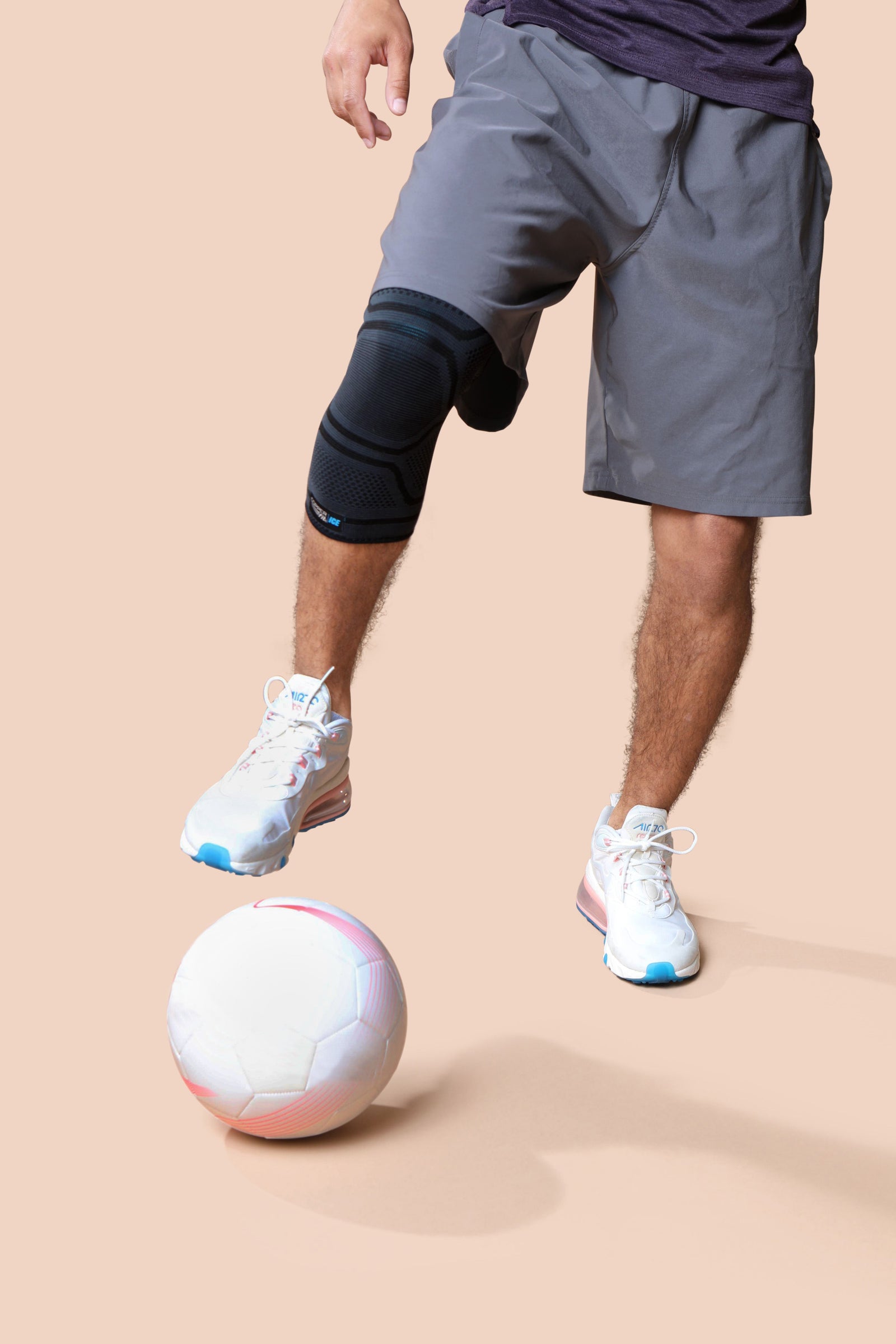
Copper Fit compression sleeves deliver snug support while allowing a full range of motion. Their low-profile design makes them a reliable option for players who need flexibility, muscle support, and comfort throughout the game.
Hinged Knee Braces
Hinged knee braces offer a higher level of stability for players who need more structured support. These braces are commonly used by athletes dealing with significant instability or who require extra reinforcement during movement.
A hinged knee brace is a supportive device featuring rigid or semi-rigid side hinges that help protect against excessive lateral movement. This added structure supports controlled motion while limiting unwanted stress on the joint.
Typical use cases include post-surgical support, severe sprains, ligament strains, or chronic instability. Semi-flexible hinged options can offer a balance between mobility and stability for basketball players who still want to move confidently on the court.
Patellar Straps and Supports
Patellar straps provide targeted support for players who experience discomfort around the front of the knee, especially during jumping activities.
A patellar strap is a narrow band worn just below the kneecap that applies localized compression to the patellar tendon. This focused pressure can help manage tendon-related discomfort common in high-impact sports like basketball.
Patellar supports are lightweight, low-profile, and easy to wear under shorts. They’re often chosen by players who want targeted support without the bulk of a full knee brace.
Key Features To Consider When Choosing a Basketball Knee Brace
Once you’ve identified the right type of brace, evaluating specific features can help you make a confident final choice. The best knee braces balance support, comfort, and performance.
Support Level and Stability
Knee braces generally fall into three support categories: light, moderate, and maximum. Each level serves a different purpose depending on your needs and risk factors.
- Light support: Basic compression for everyday play
- Moderate support: Added stabilization for frequent activity
- Maximum support: Rigid or hinged designs for high-demand situations
Selecting the right support level helps maintain a balance between joint protection and agility. Too little support may feel ineffective, while too much structure can restrict movement if it’s not necessary.
Comfort, Fit, and Adjustability
Comfort is essential when wearing a knee brace during fast-paced basketball play. A brace that doesn’t fit well can shift, bunch, or distract you on the court.
Proper fit means snug, consistent compression that doesn’t restrict circulation or irritate the skin. Adjustable straps allow players to fine-tune compression as needed, especially during long games or when swelling changes.
Material Quality and Durability
Basketball knee braces need to withstand frequent wear, repeated impact, and constant motion. High-quality materials help ensure long-term reliability.
Durable, medical-grade textiles are better suited for athletes who play often. Strong stitching, reinforced seams, and flexible construction all contribute to brace longevity.
Copper-infused fabrics offer an added benefit by helping reduce odor during intense activity. This feature supports extended comfortable wear during practices, games, and travel days.
Breathability and Moisture Management
Sweat management plays a major role in comfort and performance. A knee brace that traps moisture can feel uncomfortable and may shift during play.
Moisture-wicking fabrics draw sweat away from the skin to keep the joint cooler and drier. Breathable materials help reduce skin irritation and support longer wear times.
Caring for and Maintaining Your Basketball Knee Brace
Proper care helps extend the life of your knee brace and maintain its supportive performance. A simple maintenance routine goes a long way.
Most knee braces can be hand washed or machine washed on a gentle cycle using mild detergent. Air drying is recommended to preserve elasticity and material integrity.
Regularly inspect your brace for signs of wear, such as frayed seams, stretched fabric, or reduced compression. Proper care also helps preserve copper-infused properties that support odor and moisture management over time.
Frequently Asked Questions
How tight should a basketball knee brace fit?
A basketball knee brace should fit snugly enough to provide consistent compression and support without cutting off circulation or causing discomfort.
How do copper-infused compression sleeves work to support knee health?
Copper-infused compression sleeves combine gentle compression to support healthy circulation with copper’s natural odor-reducing properties, helping maintain comfort during activity.
Can I wear a knee brace under my basketball shorts without discomfort?
Yes, Copper Fit knee braces are designed to be lightweight and low-profile, allowing them to fit comfortably and discreetly under basketball shorts during play.
How should I clean and maintain my basketball knee brace?
Wash your knee brace by hand or on a gentle machine cycle with mild detergent, then air dry. Avoid excessive heat or bleach to preserve elasticity and material quality.
Conclusion
Selecting the right knee brace for basketball comes down to understanding your needs, playing style, and comfort preferences. From compression sleeves to hinged braces and patellar supports, each option offers unique benefits for on-court performance and confidence.
By focusing on proper fit, support level, and breathable materials, basketball players can find knee braces that move with them, not against them. Copper Fit knee braces are designed to support stability, comfort, and durability, helping athletes stay focused on the game ahead.
Sources:
Overuse Injuries of the Knee in Basketball | Clinics in Sports Medicine
Sports Injuries in Basketball Players: A Systematic Review | Advances in Knee Biomechanics