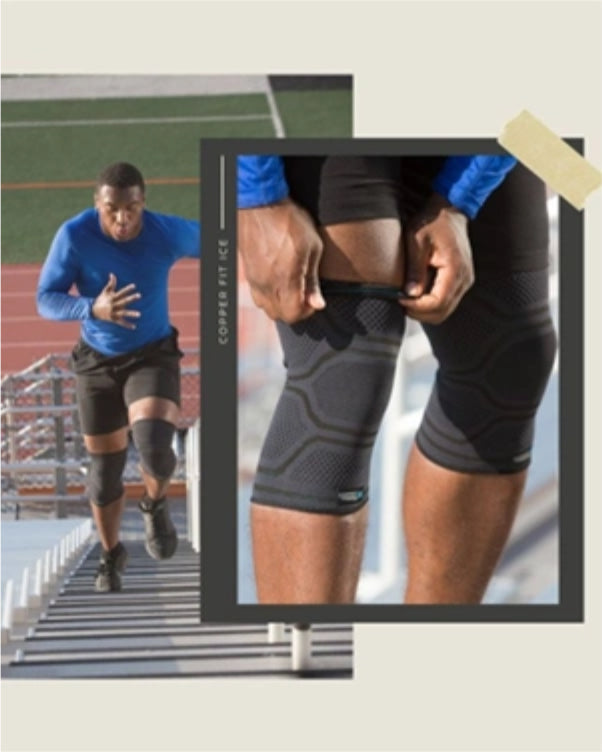
Choosing the right compression socks can make or break your running experience. Whether you're a weekend warrior or training for your next marathon, the right pair can reduce fatigue, enhance recovery, and keep your legs feeling fresh mile after mile. With brands like Copper Fit®, Physix Gear, and DFND dominating the market, each offering unique features and compression levels, finding the perfect match for your running needs requires understanding what sets each apart.
This comprehensive comparison will help you navigate the key differences in compression technology, materials, and performance benefits to find the compression socks that will elevate your running game.
Overview of Compression Socks for Runners
Compression socks are specially designed hosiery that applies graduated pressure to the legs to maintain healthy blood flow, calm swelling, and support muscle and joint health, particularly during and after running. These garments work by applying the highest pressure at the ankle and gradually decreasing compression up the leg, which helps push blood back toward the heart efficiently.
Research shows that compression socks support blood flow and circulation to maintain endurance while mitigating the fatigue and discomfort that runners commonly experience. For runners, the key features to consider include graduated compression levels (measured in mmHg), moisture-wicking materials, and specialized technologies like copper infusion for antimicrobial benefits.
These socks serve both performance and recovery purposes, helping athletes maintain comfort during long runs while supporting muscle repair afterward.
Copper Fit Compression Socks Features and Benefits
We at Copper Fit® have carved out a unique position in the compression sock market through our innovative copper-infused technology and focus on everyday comfort for runners. Our socks feature a carefully engineered blend of copper-infused nylon, polyester, and spandex that delivers both compression benefits and antimicrobial protection.
The standout feature of Copper Fit compression socks is their copper infusion technology. Copper has antimicrobial properties to prevent bacterial growth in compression socks, which translates to better odor control during and after runs. This makes them especially appealing to runners who train frequently or in hot, humid conditions where bacterial growth can become problematic.
Copper Fit socks provide a mild compression level of 15–20 mmHg, which offers effective fatigue relief and everyday support for runners without feeling restrictive. This compression range is ideal for casual runners and those seeking basic support during their training routine. The socks also incorporate advanced sweat-wicking technology to keep feet dry, along with strategically placed heel pads designed to prevent blisters during longer runs.
Physix Gear Compression Socks Overview
Physix Gear has established itself as a popular choice among runners seeking moderate compression with proven performance benefits. Their compression socks deliver 20–30 mmHg of graduated pressure, positioning them as an excellent middle-ground option for athletes who want more support than basic compression socks provide.
The brand's reputation is built on solid performance metrics and user satisfaction. With nearly 92,000 Amazon reviews and maintaining a 4.4-star rating, Physix Gear compression socks have demonstrated widespread appeal among runners and athletes. This extensive user feedback provides confidence in their real-world performance and durability.
What sets Physix Gear socks apart is their ability to provide moderate compression that's effective for supporting blood circulation and aiding in post-workout recovery while remaining comfortable for extended wear. Users consistently report that Physix Gear compression socks provide effective compression without feeling too tight for all-day wear, making them versatile enough for both training runs and recovery periods.
The socks incorporate moisture-wicking materials and targeted cushioning in key areas to enhance comfort during longer runs. Their construction focuses on maintaining consistent compression throughout the wear cycle, which is crucial for runners who depend on reliable performance from their gear.
DFND Compression Socks Overview
DFND represents the premium end of the compression sock market, targeting serious athletes, military personnel, and runners who demand maximum performance from their compression wear. Their advanced engineering and specialized features make them ideal for high-intensity training and demanding athletic applications.
The brand's signature innovation lies in their advanced knitting technology, which ensures precise pressure distribution: 20–30 mmHg at the ankle tapering to 15–20 mmHg at the calf. This graduated compression profile is specifically engineered to support blood flow and provide targeted support where runners need it most.
DFND compression socks are designed for athletes, military personnel, and individuals requiring superior joint and muscle stability during extended periods of activity. Their construction incorporates specialized features like FUZE antibacterial treatments and advanced moisture-wicking performance that goes beyond basic sweat management.
The durability factor sets DFND apart from many competitors. Their socks undergo rigorous testing in real-world conditions to ensure they maintain compression integrity and performance characteristics even after extensive use and washing cycles. This makes them a worthwhile investment for serious runners who train consistently and need gear that can keep up with their demanding schedules.
Side-by-Side Comparison of Key Attributes
Compression Levels and Performance
Understanding compression levels is crucial for selecting the right socks for your running needs. The three brands offer different compression intensities, each serving specific performance and recovery goals.
Copper Fit provides 15–20 mmHg compression, Physix Gear and DFND both deliver 20–30 mmHg. These differences significantly impact how the socks perform during and after runs. Graduated compression design ensures the highest pressure at the ankle gradually decreases up the leg.
The moderate compression range of 20–30 mmHg, found in Physix Gear and DFND socks, assists with athletic recovery and mild varicose veins management while providing enhanced support during high-intensity training. This level is particularly beneficial for runners who experience significant leg fatigue or swelling after longer runs.
The mild compression of 15–20 mmHg in Copper Fit socks suits daily fatigue relief and is ideal for runners who want gentle support without the tighter feel of medical-grade compression. This makes them perfect for everyday training runs and casual runners who prioritize comfort over maximum therapeutic benefits.
|
Brand |
Compression Level |
Best For |
Key Benefits |
|
Copper Fit® |
15-20 mmHg |
Casual runners, daily wear |
Fatigue relief, comfort, antimicrobial |
|
Physix Gear |
20-30 mmHg |
Regular athletes, recovery |
Supported circulation, post-workout recovery |
|
DFND |
20-30 mmHg |
Serious athletes, military |
Maximum support, durability, performance |
Material and Comfort
Material composition directly impacts comfort, durability, and performance during runs. Each brand takes a different approach to fabric technology and construction methods.
Copper Fit uses copper-infused nylon, polyester, and spandex blends with sweat-wicking properties that provide antimicrobial benefits while maintaining flexibility and comfort. The copper infusion sets them apart by offering natural odor resistance that doesn't rely on chemical treatments.
Moisture-wicking fabrics keep skin dry during exercise, which is essential for maintaining comfort during longer runs. All three brands incorporate advanced moisture management, but their approaches differ in execution and effectiveness.
Seamless knitting construction reduces friction and skin irritation, which is crucial for runners who log significant weekly mileage. This construction method eliminates pressure points that can develop into hot spots or blisters during extended wear.
The comfort factor extends beyond just materials to include features like targeted cushioning, arch support, and heel reinforcement. These elements work together to create a sock that supports the foot's natural mechanics during the running stride while providing protection in high-wear areas.
Odor Control and Antimicrobial Properties
Long-distance runners and frequent trainers need compression socks that can handle intense use without developing odors or harboring bacteria. Each brand addresses this challenge through different technologies.
Copper Fit's approach centers on their copper infusion technology. Copper has antimicrobial properties to mitigate bacterial growth in compression socks, providing natural odor resistance that doesn't wash out over time. This makes them effective for runners who train daily or in hot, humid conditions.
DFND incorporates FUZE antibacterial treatments along with other specialized antimicrobial technologies that extend wear time and provide superior odor resistance. These treatments work at the fiber level to prevent bacterial growth before it can cause odor problems.
Industry research shows that antibacterial treatments like silver ion or copper fiber prevent odor and bacterial growth in premium compression socks. These technologies are important for athletes who may wear their compression socks for extended periods or multiple training sessions.
The effectiveness of antimicrobial treatments varies based on the technology used and how it's integrated into the fabric. Natural antimicrobial properties like copper tend to be more durable over time compared to surface treatments that may diminish with washing.
Durability and Longevity
For runners who train consistently, sock durability directly impacts long-term value and performance consistency. Each brand's construction quality and material choices affect how well their socks hold up to regular use.
Copper Fit compression socks are praised for maintaining their shape and compression after several wash cycles, though they may show less overall durability compared to premium athletic brands designed for intensive use. Their focus on comfort and accessibility sometimes means trade-offs in long-term construction robustness.
High-performance brands like DFND are tested in real-world conditions to ensure durability and performance consistency over extended use periods. This testing includes repeated wash cycles, high-stress wear conditions, and compression retention analysis to ensure the socks maintain their therapeutic benefits over time.
The construction quality differences become apparent in how well each brand maintains compression integrity, fabric elasticity, and overall fit after months of regular use. Premium brands typically use higher-grade materials and more robust construction techniques that justify their higher price points.
|
Brand |
Wash Resistance |
Compression Retention |
Construction Quality |
|
Copper Fit® |
Good |
Moderate |
Standard athletic |
|
Physix Gear |
Very Good |
Good |
Enhanced athletic |
|
DFND |
Excellent |
Excellent |
Premium performance |
Price and Value
Balancing cost with performance requirements helps runners make informed decisions based on their training intensity and budget constraints. Each brand occupies a different position in the market pricing spectrum.
Copper Fit offers affordable copper-infused compression wear with antimicrobial benefits but less durability compared to premium options. Their socks typically range from $15 to $25 per pair, making them accessible for casual runners or those trying compression socks for the first time.
Mid-range options like Physix Gear provide enhanced performance features and better durability at moderate price points, usually ranging from $20 to $35 per pair. This price range offers good value for regular runners who want proven performance without premium pricing.
Premium brands like DFND command higher prices, typically $30 to $50 per pair, but justify this through superior materials, advanced construction, and extensive testing. For serious athletes who train intensively, the enhanced durability and performance often provide better long-term value despite the higher initial investment.
The value equation changes based on usage frequency and performance requirements. Casual runners may find excellent value in Copper Fit's antimicrobial benefits and comfort, while competitive athletes might benefit more from investing in premium options that maintain performance over extended use.
Which Compression Socks Are Best for Different Runner Needs?
Different types of runners have varying requirements for compression, support, and features. Understanding these needs helps match the right brand to specific running goals and training patterns.
Casual and recreational runners who log 10-20 miles per week typically benefit most from Copper Fit's mild compression and antimicrobial properties. The 15-20 mmHg compression provides gentle relief without feeling restrictive, while the copper infusion helps manage odor during regular training sessions.
Long-distance and competitive runners who train intensively or run marathons often require the enhanced support of 20-30 mmHg compression found in Physix Gear and DFND socks. These higher compression levels provide better circulation support during long runs and more effective recovery assistance afterward.
Athletes who prioritize odor management and antimicrobial benefits, such as those training in hot climates or multiple times per day, may find Copper Fit's copper infusion technology valuable. The natural antimicrobial properties provide consistent odor control without relying on treatments that may diminish over time.
Recovery-focused runners who use compression socks primarily for post-workout muscle support and circulation enhancement often benefit from the graduated compression profiles offered by all three brands, with the choice depending on desired compression intensity and comfort preferences.
How To Ensure Proper Fit for Compression Socks
Proper fit is essential for compression socks to deliver their intended benefits safely and effectively. Incorrect sizing can reduce effectiveness or create uncomfortable pressure points that interfere with running performance.
Accurate measurement requires three key dimensions: ankle circumference at the narrowest point, calf circumference at the widest point, and foot length from heel to toe. These measurements should be taken in the morning when swelling is minimal for the most accurate sizing.
The measurement process follows these steps:
-
Ankle measurement : Measure around the narrowest part of your ankle, typically just above the ankle bone.
-
Calf measurement : Measure around the widest part of your calf muscle.
-
Foot length : Measure from the back of your heel to the tip of your longest toe.
- Consult brand sizing charts : Each manufacturer has specific sizing guidelines based on these measurements.
Graduated fit ensures even pressure application across the leg, which is critical for proper circulation and comfort. The sock should feel snug but not restrictive, with the highest pressure at the ankle gradually decreasing up the leg.
Brand-specific sizing variations mean that a medium in one brand may not equal a medium in another. Always consult the specific sizing chart for the brand you're considering, as compression sock sizing tends to be more precise than regular athletic socks.
Signs of proper fit include comfortable snugness without bunching, no rolling at the top, adequate toe room, and even pressure distribution. The socks should stay in place during runs without sliding down or creating pressure points that could lead to blisters or discomfort.
Conclusion: Which Compression Socks Win for Runners?
The best compression socks for runners depend on individual needs, training intensity, and specific performance goals. Each brand examined offers distinct advantages that serve different segments of the running community effectively.
Copper Fit compression socks excel for runners prioritizing recovery, comfort, and odor control through their innovative copper infusion technology and mild 15-20 mmHg compression. Their antimicrobial properties and comfortable fit make them ideal for casual runners, daily training, and those seeking gentle support without medical-grade compression intensity.
Physix Gear provides excellent value for regular runners who want proven performance and moderate compression benefits. With their 20-30 mmHg compression level and strong user satisfaction ratings, they serve athletes focused on consistent training and post-workout recovery.
DFND compression socks represent the premium choice for serious athletes focused on intensive training, racing, or advanced recovery applications. Their superior construction, advanced materials, and rigorous testing make them worthwhile investments for runners who demand maximum performance from their gear.
For most recreational runners, Copper Fit offers the best combination of comfort, antimicrobial benefits, and value. Competitive athletes and those with specific circulation concerns may benefit more from the enhanced compression and durability of Physix Gear or DFND options.
Ultimately, the winning compression sock is the one that matches your training demands, comfort preferences, and budget while providing consistent support for your running goals. Consider consulting with healthcare professionals or running specialists for specific medical concerns or performance optimization needs.
Frequently Asked Questions
Are compression socks comfortable and supportive for running?
Quality compression socks designed specifically for runners, like those from Copper Fit®, are generally comfortable and highly supportive when properly fitted. They help relieve tired muscles, soothe post-run soreness, and provide stability during longer runs. The key is selecting the appropriate compression level and ensuring accurate sizing for your leg dimensions.
What compression level is recommended for runners?
Most runners benefit from 15-20 mmHg compression for everyday training and fatigue relief, while 20-30 mmHg provides additional support for athletic recovery, longer runs, and swelling management. Casual runners typically find mild compression sufficient, while competitive athletes often prefer moderate compression for enhanced performance and recovery benefits.
How do compression socks help with recovery after running?
Compression socks aid recovery by supporting healthy blood circulation, reducing muscle vibration during runs, and minimizing post-exercise swelling. The graduated pressure helps push blood back toward the heart efficiently, which supports the removal of metabolic waste products and delivery of oxygen and nutrients to recovering muscles.
How do I measure my leg to select the right compression sock size?
Measure the circumference of your ankle at its narrowest point and your calf at its widest point, along with your foot length from heel to toe. Take these measurements in the morning when swelling is minimal, then consult the specific brand's sizing chart to ensure proper graduated compression fit.
Do copper-infused socks provide unique benefits for runners?
Copper-infused compression socks from Copper Fit offer natural antimicrobial properties that help control odor, which is beneficial for frequent trainers or those running in hot, humid conditions. While the primary recovery benefits come from the compression design itself, the copper infusion adds valuable hygiene and comfort advantages for regular use.