Key Takeaways
- The right sock features, such as compression, arch support, moisture-wicking material, and cushioning, can significantly reduce the tension and fatigue that builds up during long hours on your feet.
- Compression socks help support healthy circulation in the lower legs, making them one of the most impactful choices for anyone who stands for extended periods.
- Recovery matters just as much as what you wear during the day. Pairing good socks with post-shift habits like stretching, elevation, and compression sleeves can help you feel better faster.
When you stand for extended periods, blood flow in your lower legs has to work harder to return to the heart. Without the natural pumping action that comes from walking or movement, fluid can begin to pool in the feet and ankles, leaving that familiar heavy, swollen feeling by the end of a shift.
The arches of your feet, which absorb the impact of every step and absorb constant pressure when stationary, begin to fatigue. The calves tighten. The lower back starts to compensate for all of it.
Do it five days a week, week after week, and that tension and soreness start to follow you home. But a lot of this discomfort can be managed.
Common Mistakes When Choosing Compression Socks
Most people don't put much thought into their socks. You grab whatever's in the drawer, put on your shoes, and get to work. But if you're on your feet for six, eight, or 10 hours a day, that approach is costing you.
Here are the most common missteps:
- Prioritizing style over function. A thin dress sock or fashion ankle sock might look fine, but it offers zero support for a long shift on hard floors.
- Choosing the wrong material. Cotton feels comfortable at first, but it tends to hold moisture. Wet socks create friction, and friction creates discomfort. It also leads to odor buildup over time.
- Ignoring fit. Socks that bunch behind the heel or slip down during the day create friction points that can lead to blisters and irritation. Socks that are too tight constrict circulation. Either extreme works against you.
- Not replacing worn-out socks. The cushioning, compression, and structural support in a sock degrade over time. If your socks have seen better days, they're not doing the job they were designed to do.
What To Look For in Socks for Standing All Day
Not all socks are built the same, and when you're on your feet for hours at a time, the details really do matter.
Here's what to prioritize when you're shopping for a sock that can actually keep up with your day.
Compression
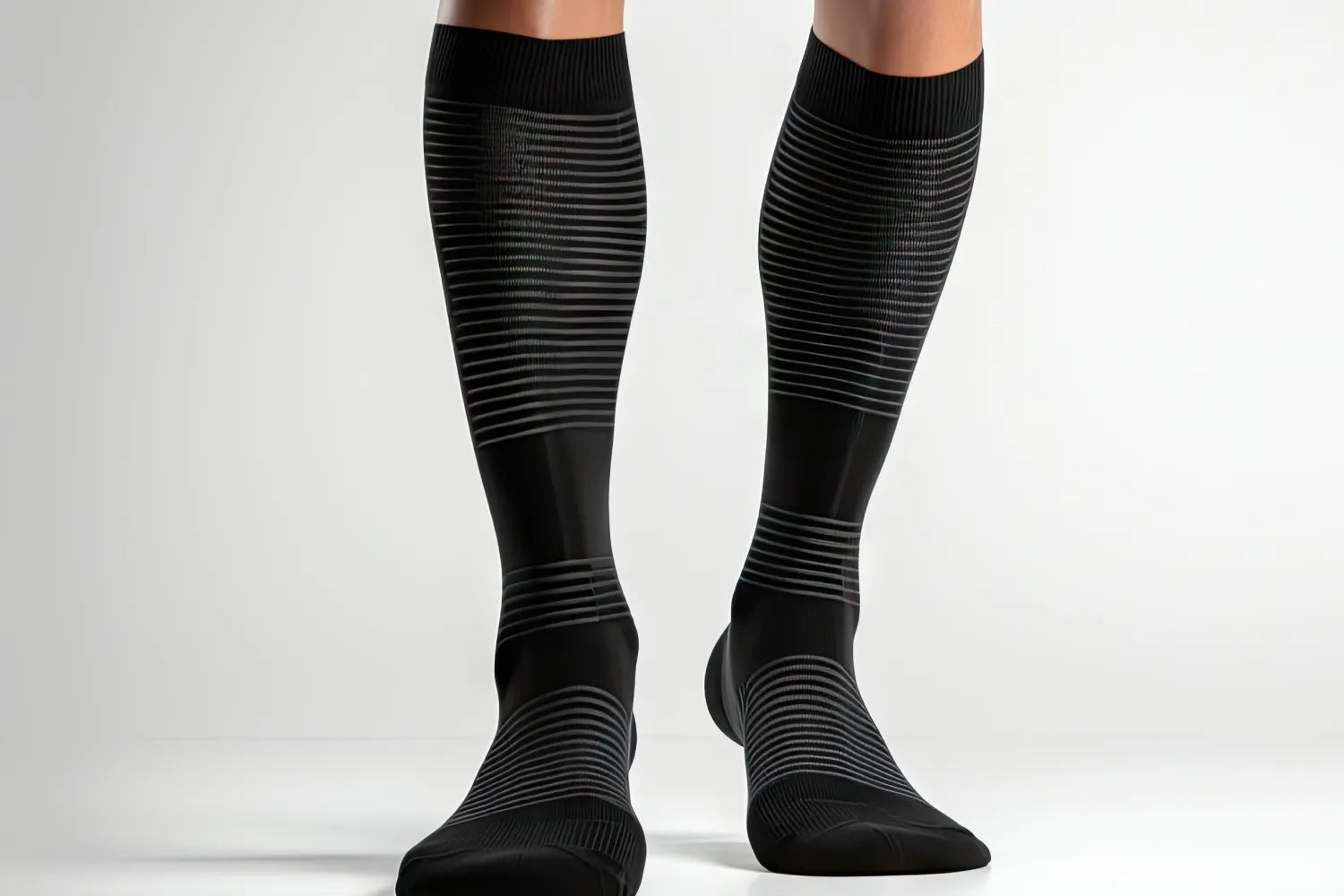
This is the most important feature for anyone spending long hours on their feet. Compression socks apply gentle, consistent pressure to the lower legs and feet, which helps support healthy blood flow and circulation .
That support helps counteract the pooling and heaviness that build throughout the day and soothes the tension and discomfort in your calves and ankles before they have a chance to take over.
Look for socks that offer graduated compression. Moderate compression built into everyday socks delivers real, noticeable benefits for most people.
Arch Support
Your arches do a tremendous amount of work during a long shift. Built-in arch support in a sock provides an additional layer of structure that helps stabilize the foot and reduce strain on the plantar fascia, especially if you're standing on hard concrete or tile floors all day.
Over time, consistent arch support helps reduce that deep, aching soreness in the bottom of the foot that becomes all too familiar for people in physically demanding roles.
Moisture-Wicking Material
Sweat is unavoidable when you're active and on your feet. The problem isn't the sweat but what happens when it sits against your skin. Moisture-wicking fabrics pull sweat away from your feet and allow it to evaporate, keeping your feet dry and comfortable throughout your shift.
Copper-infused fabrics take this a step further. Copper is a natural odor reducer , which means your socks stay fresher over the course of long wear. It's a practical feature that makes a real difference when you're pulling 10-hour shifts.
Cushioning and Padding
What you want to look for here is targeted padding: extra thickness in the heel and ball of the foot, where impact and pressure concentrate during standing. This cushioning acts as a buffer between your foot and the hard surface beneath you, absorbing shock and helping reduce the fatigue that travels up through the ankle and calf over the course of a day.
Avoid overly thick, uniform cushioning, as it can affect shoe fit and actually increase discomfort if it causes crowding inside the toe box.
Cooling or Menthol-Infused Features
When your feet and legs are dealing with soreness or minor discomfort after a long shift, a cooling sensation can go a long way. Menthol-infused fabrics deliver a refreshing cooling sensation that helps soothe soreness and ease the tension that builds up during extended periods of standing.
Much like applying a cold compress after a tough day, that cooling effect supports your body's natural recovery process and can make a noticeable difference in how quickly you bounce back. For anyone who comes home with heavy, tired legs regularly, it's a feature worth prioritizing.
Seamless or Anti-Chafing Construction
Seams seem minor until they're not. A thick seam across the toe box becomes a significant source of irritation over the course of an eight to 12-hour shift. Seamless or flat-knit construction eliminates those friction points, so you're not battling hot spots and blisters on top of everything else.
Grip and Stability
For anyone working on smooth, slippery, or polished floors, grip matters for safety and for comfort. Non-slip grip features on the sole of a sock help prevent your foot from shifting inside the shoe with every step. That constant micro-movement is a leading cause of blisters and foot fatigue, and eliminating it makes a noticeable difference by the end of the day.
Recovery Tips for After a Long Day on Your Feet
Even the best socks can't fully prevent the soreness and fatigue that come with a demanding shift. What you do after your shift matters just as much as what you wear during.
Here are a few habits worth building into your post-shift routine:
-
Elevate your legs: Even 10 to 15 minutes with your legs raised above heart level after a shift can help soothe that heavy, swollen feeling and support circulation as it returns.
-
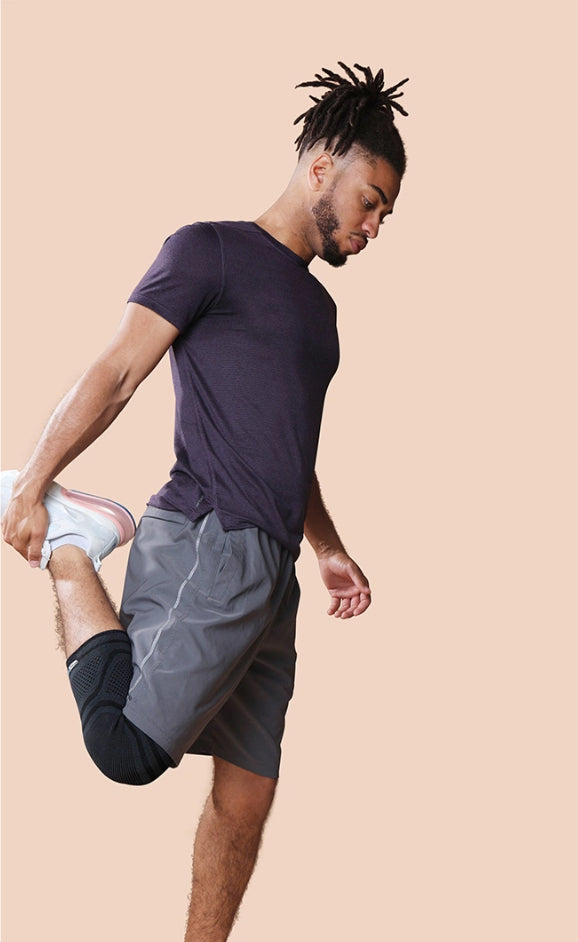
Stretch your calves, arches, and ankles: A few minutes of targeted stretching releases the tension that builds in the lower legs throughout the day. Calf raises, toe stretches, and ankle circles are simple and effective.
-
Stay hydrated: Hydration plays a direct role in muscle recovery. If you've been on your feet all day and not drinking enough water, your body's ability to bounce back takes a hit.
-
Use heat or cold therapy: Cold therapy works well for acute soreness right after a tough shift, helping soothe tension and discomfort. Heat therapy is better suited for older individuals with chronic stiffness, helping loosen tight muscles and support relaxation over time.
-
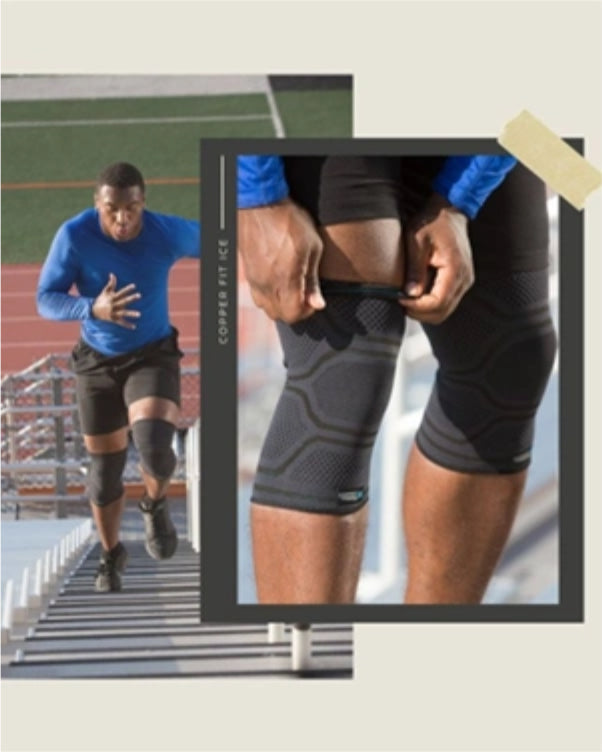
Wear compression socks during recovery: Compression doesn't stop being useful once the shift ends. Wearing compression socks post-shift supports healthy circulation, soothes tension in the calves and ankles, and promotes muscle relaxation as you wind down.
FAQ
What type of socks are best for standing on concrete all day?
For hard surfaces like concrete, look for socks with targeted cushioning in the heel and ball of the foot, built-in arch support, and compression. These features work together to absorb impact, stabilize the foot, and support circulation during prolonged standing.
Do compression socks really help if you stand all day?
Yes. Compression socks are one of the most effective options for people who stand for extended periods. They help support healthy blood flow in the lower legs, which reduces the heavy, fatigued feeling that builds up throughout a long shift and soothes tension in the calves and ankles.
How often should you replace the socks you wear for work?
If you're wearing the same socks regularly for long shifts, plan to replace them every 3 to 6 months. The compression, cushioning, and structural support in a sock degrade with repeated wear and washing, and worn-out socks don't provide the same level of support they did when new.
Are there socks that help with foot odor during long shifts?
Yes. Copper-infused socks are specifically designed to reduce odor during extended wear. Copper is a natural odor reducer, making it a practical material choice for anyone working long shifts where fresh socks aren't always an option mid-day.
You Deserve To Feel Good on Your Feet
We know what it's like to push through a long day when your legs are heavy, your feet are sore, and you've still got hours left in the shift. That's why the right gear can genuinely change how you feel day to day.
Our compression socks and recovery sleeves are designed to support what your body is already working hard to do: keep blood moving, ease tension, and help you recover faster so you can show up strong the next day. From moisture-wicking, copper-infused fabrics that keep things fresh to seamless construction that eliminates irritation, every feature is there for a reason.
You don't have to white-knuckle through the end of every shift. Start with what's on your feet, build in a recovery routine that actually supports your body, and give yourself the tools to keep moving.
Sources:
Copper Fights Bacteria and Now Battles Odors | Infection Control Today
Evidence-Based Use of Cold for Plantar Fasciitis | Touro University