Key Takeaways
-
Different braces target specific areas like the knees, back, wrists, and ankles.
-
The best brace depends on your job type, activity level, and comfort needs.
-
Proper fit and material quality are essential for all-day wear and effectiveness.
Work can take a toll on your body, whether you’re standing for long hours, lifting heavy objects, or sitting at a desk all day. Over time, repetitive movements and strain can lead to discomfort in your knees, back , wrists, and more. That’s where braces and support gear come in.
The best braces to wear for work are designed to provide stability, reduce strain, and support your body through daily tasks. In this guide, we’ll break down the most effective types of braces, how they work, and how to choose the right one for your needs.
Why Wear a Brace at Work?
Wearing a brace at work can help manage discomfort and support muscle function. Many jobs require repetitive motion, long periods of standing, or heavy lifting, all of which can put stress on your joints and muscles.
Braces can help by:
-
Providing stability to joints under strain
-
Supporting proper posture and alignment
-
Reducing fatigue during long shifts
-
Helping you stay active and productive
According to research on musculoskeletal health from the National Institutes of Health, supportive devices can soothe strain and support function during repetitive or physically demanding tasks.
What Types of Braces Are Best for Work?
Choosing the right brace depends on where you need support. Let’s break down the most common options.
Knee Braces
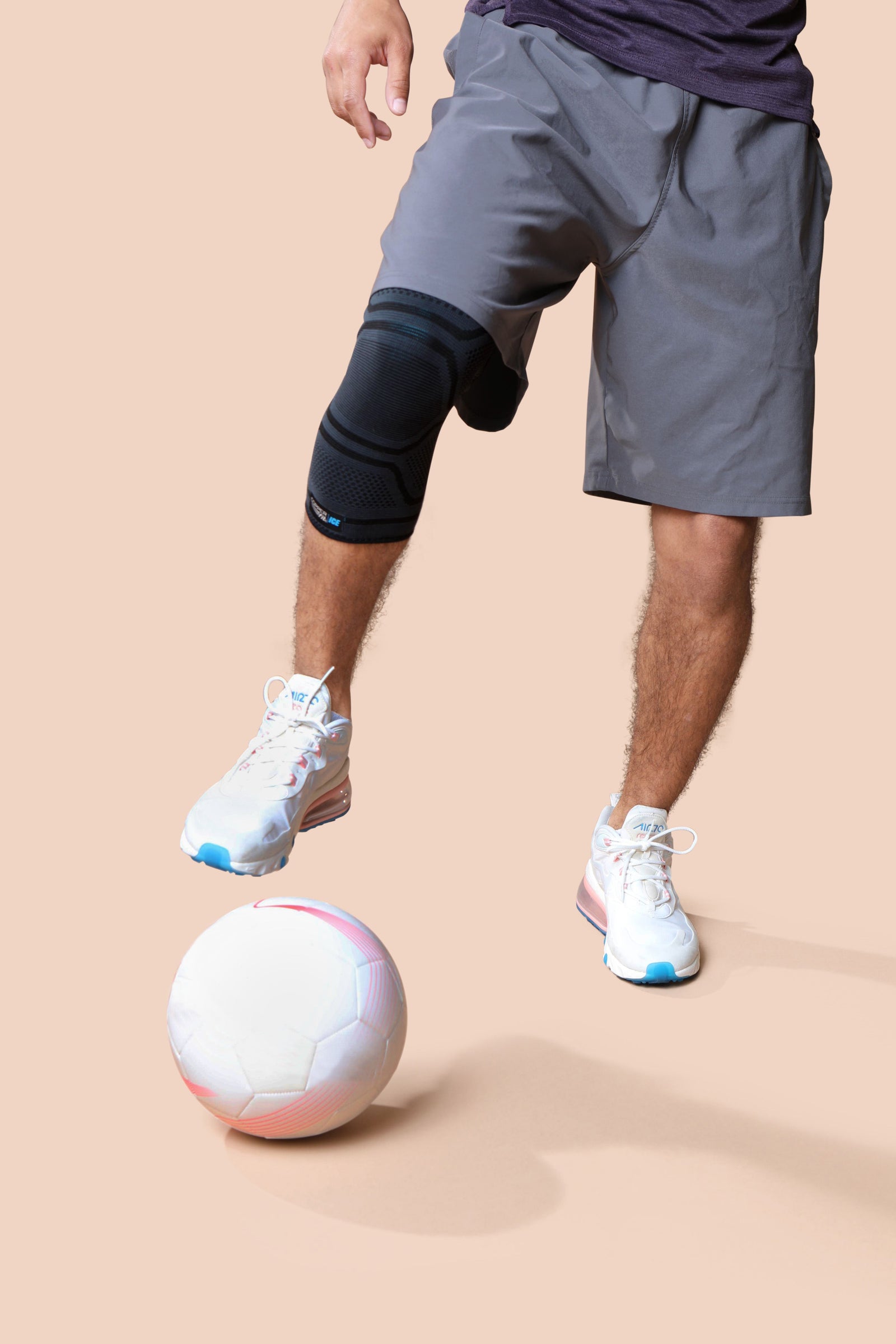
Knee braces are one of the most popular options for work, especially for jobs that involve standing, walking, or lifting.
They help by:
-
Stabilizing the knee joint
-
Reducing pressure during movement
-
Supporting muscles around the knee
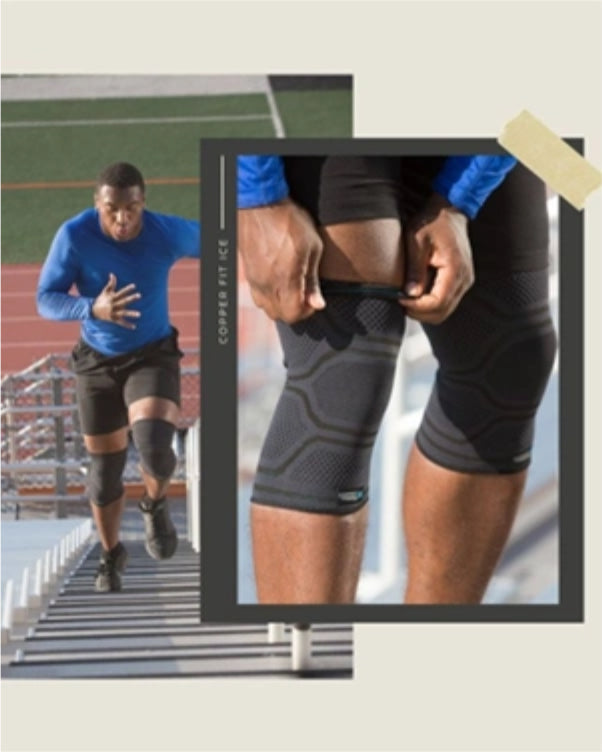
Knee braces are ideal for workers in construction, healthcare, retail, and warehouse roles. If you’re looking for everyday support, Copper Fit offers knee sleeves designed with flexible compression and breathable materials to help you stay comfortable throughout the day.
Back Braces
Back braces are especially useful for people who lift heavy objects or sit for extended periods.
They can:
-
Encourage better posture
-
Support the lower back
-
Reduce strain during lifting
For jobs that involve physical labor, a back brace can provide added confidence and stability. Even desk workers may benefit from light support to maintain proper alignment.
Wrist Braces
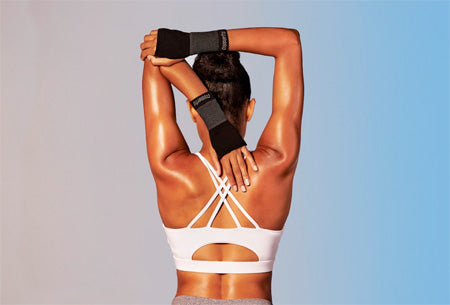
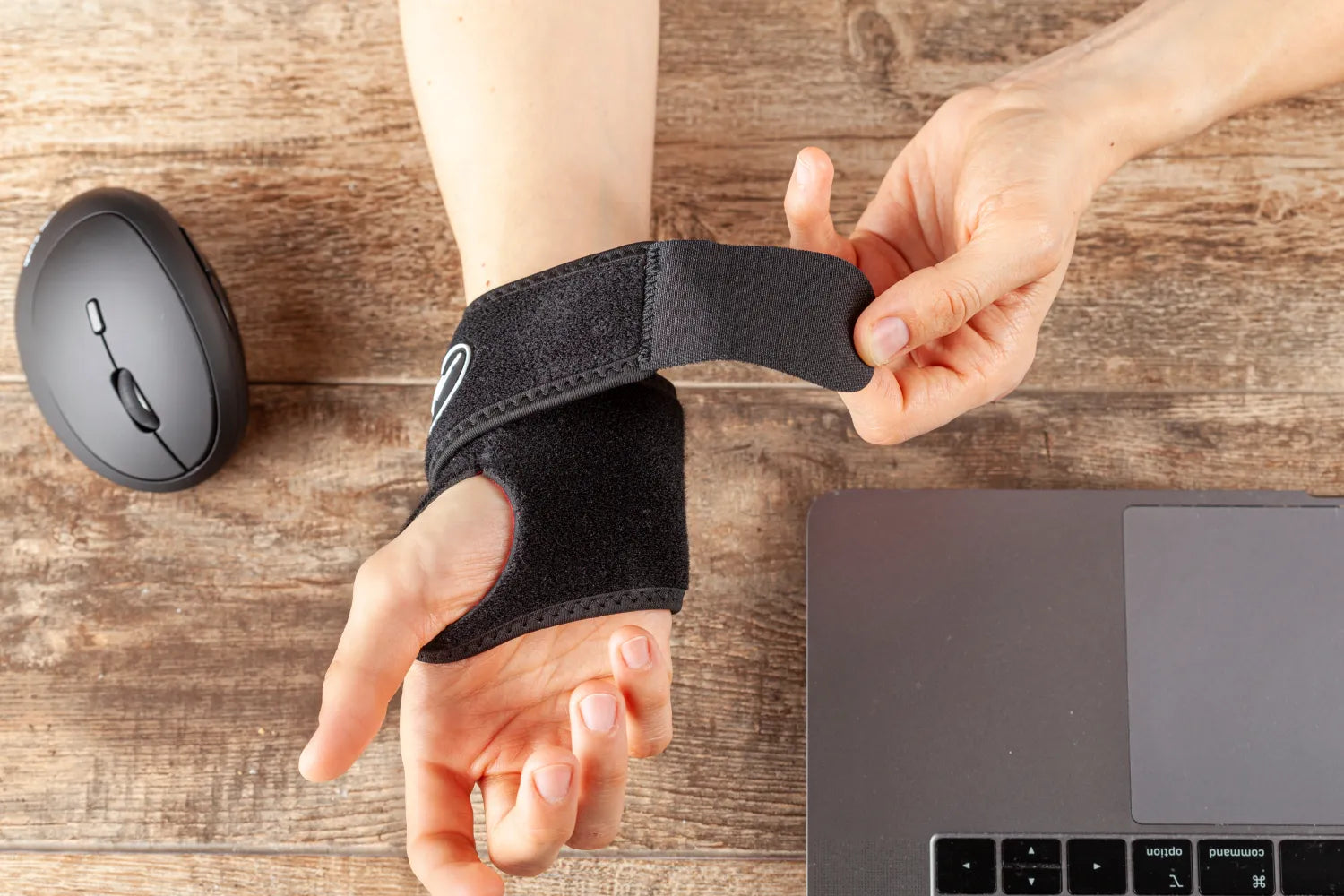
Wrist braces are a great option for people who perform repetitive hand movements, such as typing or using tools.
They help:
-
Keep the wrist in a neutral position
-
Reduce strain from repetitive motion
-
Provide support during tasks that require grip strength
These are commonly used in office settings, manufacturing, and service industries.
Ankle Braces
If your job requires a lot of walking or standing, ankle braces can help provide stability and manage muscle fatigue.
They are particularly helpful for:
-
Supporting balance during movement
-
Soothing discomfort from long hours on your feet
Compression Sleeves and Socks
Compression gear is another popular option for work environments. While not always classified as traditional braces, they provide targeted support and circulation benefits.
Compression socks and sleeves can:
-
Support blood flow in the legs
-
Help manage swelling
-
Manage fatigue during long shifts
How To Choose the Right Brace for Your Job
Not all braces are created equal, so it’s important to choose one that fits your specific needs.
Consider Your Work Environment
Ask yourself:
-
Are you standing, sitting, or lifting most of the day?
-
Do you perform repetitive motions?
-
Which areas of your body feel the most strain?
Your answers will help guide your choice.
Focus on Fit and Comfort
A brace should feel snug but not restrictive. Look for:
-
Adjustable straps for a customized fit
-
Breathable materials to prevent overheating
-
Flexible designs that allow natural movement
Choose the Right Level of Support
Some braces offer light compression, while others provide more structured support. If you’re new to braces, starting with a lighter option can help you adjust.
Look for Quality Materials
High-quality braces are designed to last and maintain their shape over time. Features like moisture-wicking fabric and durable construction can make a big difference in comfort and performance.
Best Braces by Job Type
Not all work environments place the same demands on your body, which means the best brace for you may depend heavily on your job. Matching your support gear to your daily tasks can help improve both comfort and performance.
For Physically Demanding Jobs
Workers in construction, warehousing, and manual labor roles often benefit from:
-
Back braces for lifting support and posture
-
Knee braces for repetitive bending and heavy loads
-
Ankle braces for stability on uneven surfaces
These braces provide added reinforcement during high-impact or repetitive tasks, helping soothe strain over long shifts.
For Standing Jobs
If you work in retail, healthcare, or hospitality, long hours on your feet can lead to fatigue and swelling.
The best options include:
-
Compression socks to support circulation
-
Knee sleeves for joint support
-
Light ankle braces for stability
These options are designed to reduce fatigue and help you stay comfortable throughout the day without restricting movement.
For Desk Jobs
Sitting for extended periods can still lead to discomfort, especially in the lower back, neck, and wrists.
Consider:
-
Back supports for posture alignment
-
Wrist braces to reduce strain from typing
-
Compression sleeves to promote circulation
Even in less physically demanding roles, the right support gear can help prevent long-term discomfort.
Tips for Wearing Braces Comfortably All Day
Wearing a brace at work should feel supportive, not restrictive. If you plan to wear one for extended periods, there are a few strategies that can help maximize comfort and effectiveness.
Start Gradually
If you’re new to braces, start by wearing them for a few hours at a time before committing to all-day use. This allows your body to adjust and helps you identify any fit issues early.
Wear Them Over or Under the Right Clothing
Depending on the type of brace, you may want to:
-
Wear sleeves directly against the skin for better compression
-
Layer braces under loose-fitting clothing for comfort
-
Avoid bunching or folding that could cause irritation
Breathable fabrics can make a big difference, especially during long or active shifts.
Take Breaks When Needed
Even though many braces are designed for all-day wear, it’s okay to remove them briefly during breaks to let your skin breathe and your muscles move freely.
Maintain Proper Hygiene
Because braces are worn close to the body, keeping them clean is important.
Regular washing helps:
-
Prevent odor buildup
-
Maintain fabric elasticity
-
Extend the life of the brace
Always follow care instructions to avoid damaging the material.
Listen to Your Body
A brace should reduce discomfort, not create new issues.
If you notice pain, numbness, or irritation, it may be a sign that:
-
The brace is too tight
-
The fit is incorrect
-
You need a different level of support
Adjusting your gear or consulting a professional can help you find a better solution.
FAQ
What is the best brace to wear for work?
The best brace depends on your job and needs. Knee, back, wrist, and compression supports are among the most common options.
Can you wear a brace all day at work?
Yes, many braces are designed for all-day wear, as long as they fit properly and remain comfortable.
Should I wear a brace even if I’m not injured?
Some people use braces for prevention and support, especially in physically demanding jobs.
Conclusion
The best braces to wear at work are those that meet your daily needs and strike the right balance of support and comfort. Whether you need help with your knees, back, wrists, or overall circulation, the right brace can make your workday more manageable.
By choosing high-quality, well-fitting support gear and using it alongside healthy movement habits, you can stay comfortable, reduce strain, and keep performing at your best. If you’re ready to upgrade your routine, explore our range of braces and compression gear to find solutions designed for everyday performance.
Sources:
Knee Braces, Sleeves & Support: Types & How To Use | Cleveland Clinic
Study Supports Routine Use of Braces to reduce low-back injuries | The Lancet