Key Takeaways
-
Diabetic socks prioritize protection, moisture control, and comfort for sensitive feet.
-
Compression socks use graduated pressure to support circulation and reduce swelling.
-
Choosing the right sock depends on your specific needs, symptoms, and comfort level.
Diabetic socks and compression socks serve very different purposes, even though they may look similar at first glance. Diabetic socks focus on protecting sensitive feet and reducing irritation, while compression socks are designed to support circulation and help manage swelling.
In simple terms, diabetic socks are soft, non-restrictive, and built for comfort, while compression socks are snug, structured garments that apply graduated pressure. Understanding these differences is key to choosing the right option for your needs.
In this guide, we’ll break down how each type works and how to decide which is right for you.
Understanding Diabetic Socks
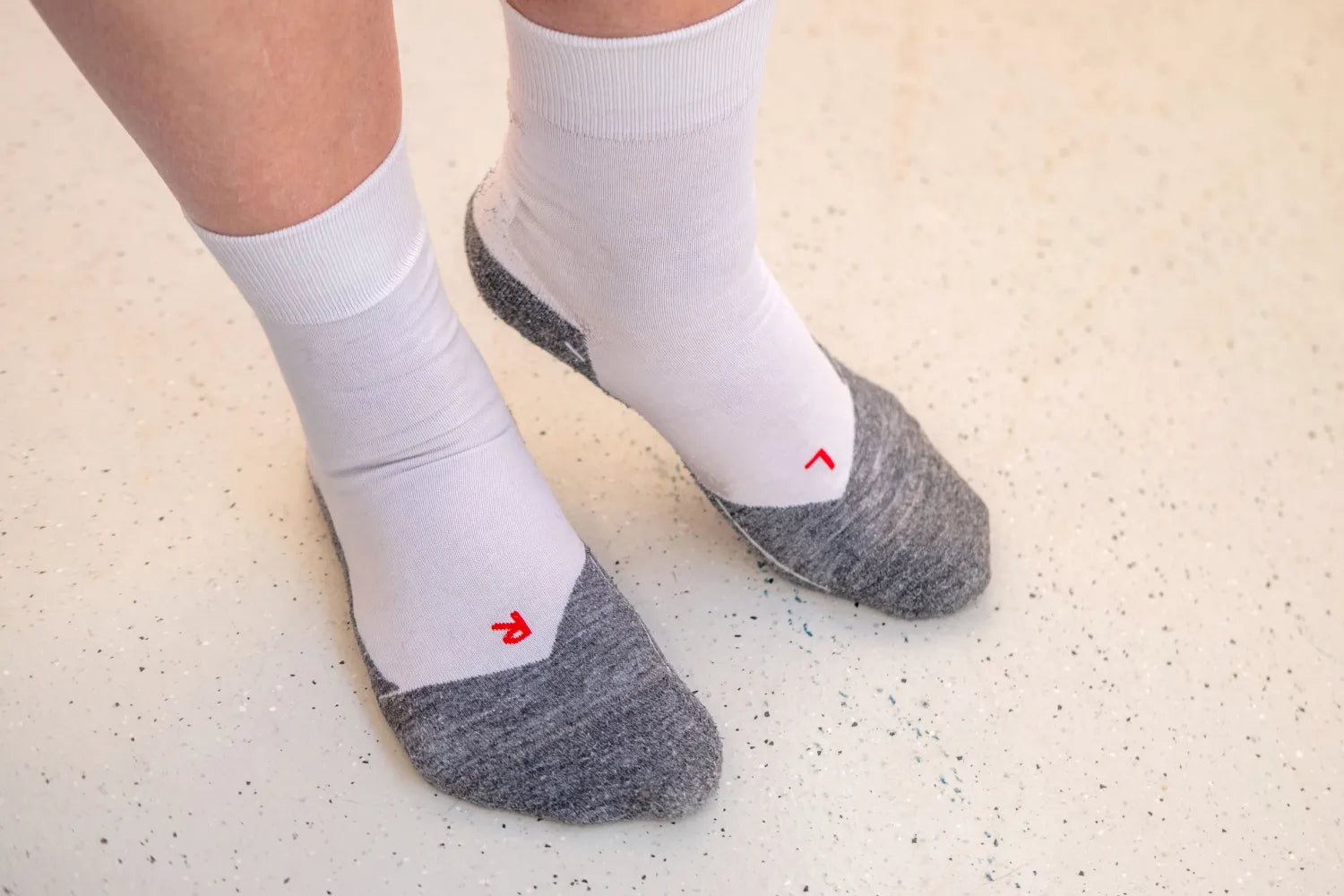
A simple way to define them is: Diabetic socks are specialty socks designed to reduce friction and keep feet dry, helping lower the risk of blisters and irritation for people with sensitive feet.
Key features of diabetic socks include:
-
Non-binding tops to avoid pressure on the legs
-
Seam-free construction to reduce friction
-
Moisture-wicking fabrics to keep feet dry
-
Extra cushioning for added comfort
These socks are ideal for people who need gentle support and want to prioritize skin health and comfort throughout the day.
Understanding Compression Socks
Compression socks are built with a completely different goal: supporting circulation. They are made from elastic materials that apply controlled pressure to the legs.
Compression socks are elastic garments that deliver graduated pressure to support blood flow and help manage swelling and fatigue. This means they are tightest at the ankle and gradually loosen toward the knee, helping encourage upward circulation.
Common benefits include:
-
Support for blood flow during long periods of sitting or standing
-
Help managing swelling in the lower legs
-
Reduced muscle fatigue during daily activity or exercise
If you’re exploring options for everyday support, you can browse Copper Fit’s full compression socks collection to find compression styles designed for comfort and performance.
How To Choose the Right Socks for Your Needs
Choosing between diabetic socks and compression socks depends on your specific concerns. Taking a step-by-step approach can help you make the right decision.
Step-by-Step Guide
-
Assess your foot health: Consider whether you experience sensitivity, irritation, or swelling.
-
Consult a healthcare provider: If you’re unsure, professional guidance can help you choose safely.
-
Match the sock to your needs:
-
Choose diabetic socks for protection and moisture control
-
Choose compression socks for circulation and swelling support
-
Focus on fit and materials: Look for seamless designs, breathable fabrics, and proper sizing for maximum comfort.
For those seeking versatile options, Copper Fit’s bestselling collection includes compression gear designed to support everyday movement and recovery.
FAQ
Are diabetic socks the same as compression socks?
No, diabetic socks are designed for gentle, non-restrictive protection and moisture management, while compression socks use graduated pressure to support circulation and manage swelling.
Can diabetics safely wear compression socks?
In some cases, mild compression may be appropriate, but it’s important to consult a healthcare provider to ensure safety based on individual needs.
Do diabetic socks help reduce swelling?
Diabetic socks provide comfort and protection but do not offer targeted compression, so they are not designed to significantly reduce swelling.
Sources:
8 Tips to Protect Your Feet with Diabetes | American Diabetes Association