Key Takeaways
- ACL tear recovery takes 6 to 9 months for a full return to sport after surgery, or 3 to 6 months for partial tears that are managed without surgery.
- Recovery progresses through five distinct phases: swelling reduction, range-of-motion restoration, strengthening, functional training, and sport-specific conditioning.
- The right compression and thermal support tools at each phase can help soothe discomfort and keep you moving forward throughout the process.
ACL tear recovery typically takes six to nine months for full return to sport after surgery, or three to six months for partial tears managed without surgery. Rehab progresses through swelling reduction, range-of-motion restoration, strengthening, and sport-specific conditioning.
Your exact timeline depends on the severity of the tear, your treatment path, and how consistently you show up for physical therapy.
Looking for tips to support your ACL and get you back to moving your best? Let’s get into it.
What Is an ACL Tear?
The anterior cruciate ligament (ACL) is one of the key ligaments that stabilizes your knee joint, connecting your thighbone to your shinbone and controlling rotational movement. When it is stretched beyond its limit or torn, your knee loses a significant degree of that stability.
ACL injuries range from partial tears (where some fibers remain intact) to complete tears (where the ligament is fully ruptured). Common causes include sudden stops, pivoting or cutting movements, awkward landings, and direct impact.
Athletes in soccer, basketball, skiing, and football are at particularly high risk, though this injury can happen to anyone during everyday activity.
ACL Tear Recovery Timeline: What To Expect Week by Week
Recovery is not a straight line, but it does often follow a predictable progression. Here is what each phase typically looks like:
|
Phase |
Timeframe |
Key Milestones |
|
Phase 1: Protection |
Weeks 0 to 2 |
Swelling reduction, achieve full knee extension (0 degrees), weight bearing as tolerated with crutches |
|
Phase 2: Early Rehab |
Weeks 2 to 6 |
Restore range of motion (0 to 90+ degrees), begin quad activation, and reduce swelling consistently |
|
Phase 3: Strengthening |
Months 2 to 4 |
Build quad and hamstring strength, single-leg balance, and low-impact cardiovascular conditioning |
|
Phase 4: Functional Training |
Months 4 to 6 |
Introduce jogging, lateral movements, sport-specific drills, and progressive loading |
|
Return to Sport |
Months 6 to 9 |
Pass functional movement testing and psychological readiness screening, and receive physician clearance |
Timelines vary, depending on whether you pursue surgical or non-surgical treatment, your age, your baseline fitness level, and how consistently you complete your physical therapy program. Surgical patients typically fall toward the longer end of this range, while those managing partial tears conservatively may progress more quickly.
Surgery vs. Non-Surgical Treatment: How To Decide
Not every ACL tear requires surgery. The right approach depends on the severity of your injury and your activity goals.
Surgical Treatment:
- Recommended for complete tears and significant instability
- Often the preferred option for athletes and highly active individuals
- Involves graft reconstruction and a longer, structured rehabilitation period
- Best suited for those whose daily function or athletic performance is compromised without a stable knee
Non-Surgical Treatment:
- A viable option for partial tears and lower-demand activity levels
- Often chosen by older adults or those not returning to high-impact sports
- Relies heavily on bracing, physical therapy, and targeted strengthening
- Carries a risk of re-injury if not supported properly
Regardless of which path your physician recommends, consistent rehabilitation is the most important factor in your outcome.
How To Support ACL Recovery at Every Stage
Recovery is about more than what happens in the PT clinic. How you support your knee between sessions matters just as much.
Here are some tips to help keep your recovery smooth at every stage.
Weeks 0 to 2: Reduce Swelling and Protect the Joint
Cold therapy is your best friend in the early stages. Apply cold for 15 minutes after PT sessions to soothe discomfort and support the body's natural recovery process. Our Copper Fit Rapid Relief Knee Wrap delivers targeted cold therapy with adjustable compression, which is ideal for this stage.
Weeks 2 to 6: Restore Range of Motion
As swelling decreases, focus shifts to regaining mobility. Continue cold therapy after sessions and consider light compression during daily activity to support circulation and manage residual soreness.
Months 2 to 4: Build Strength
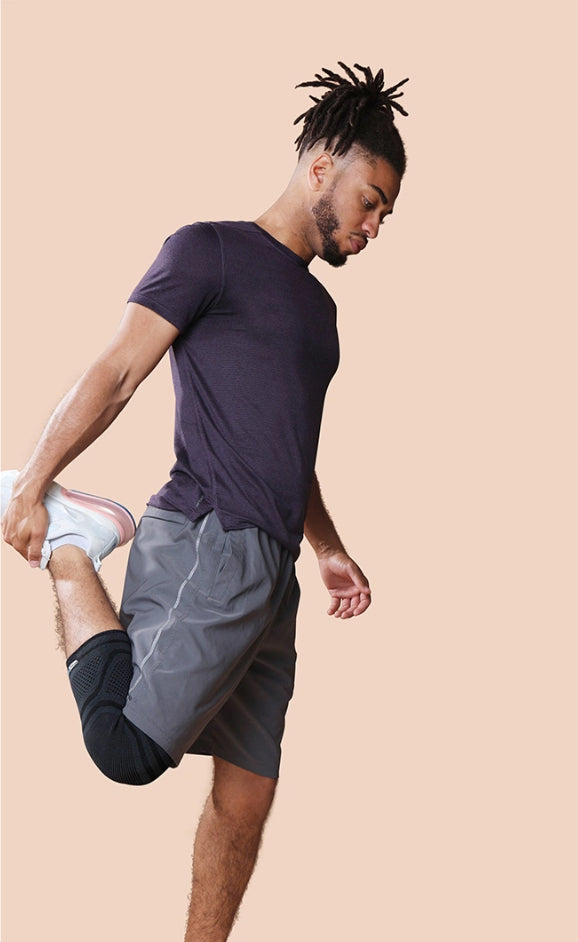
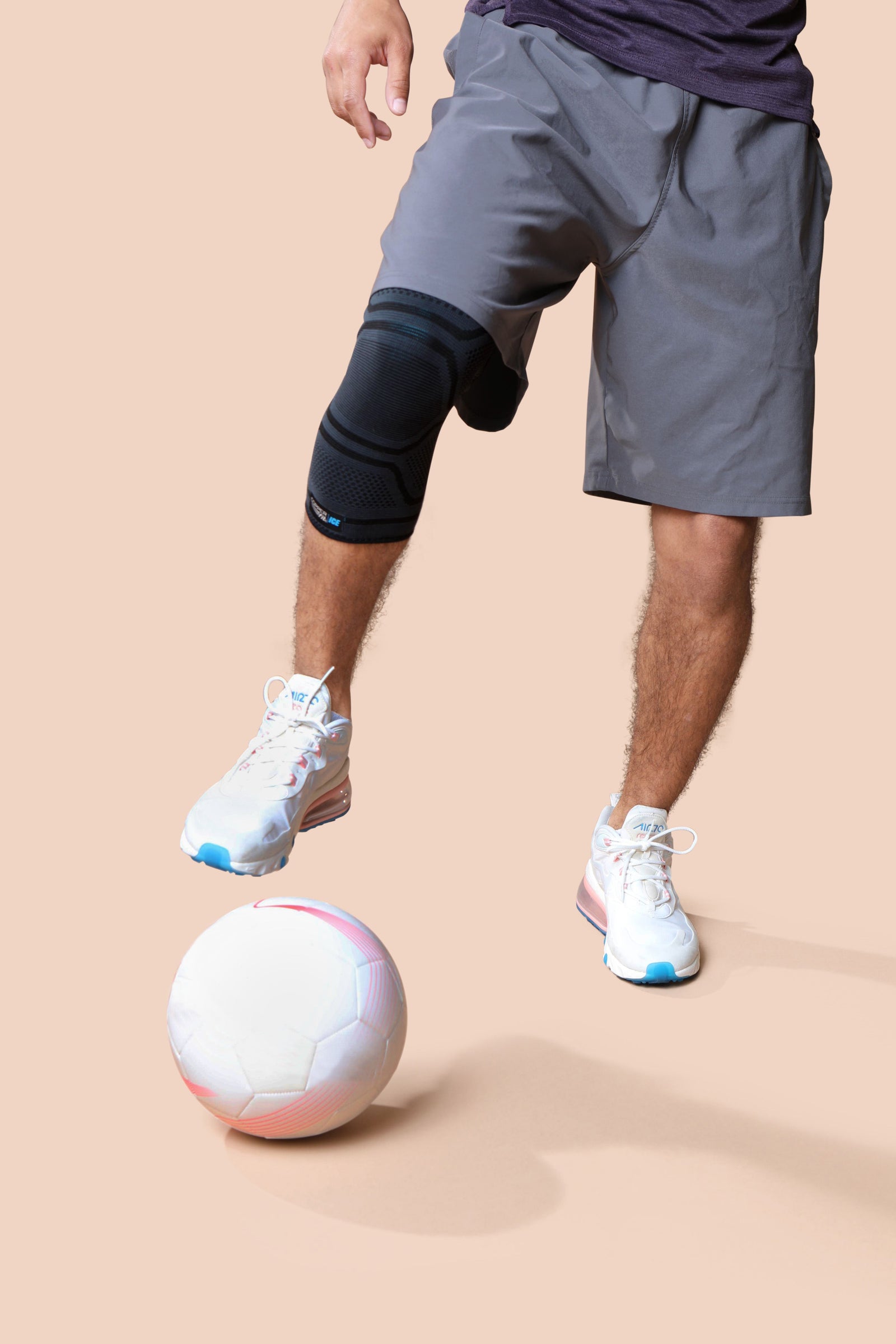
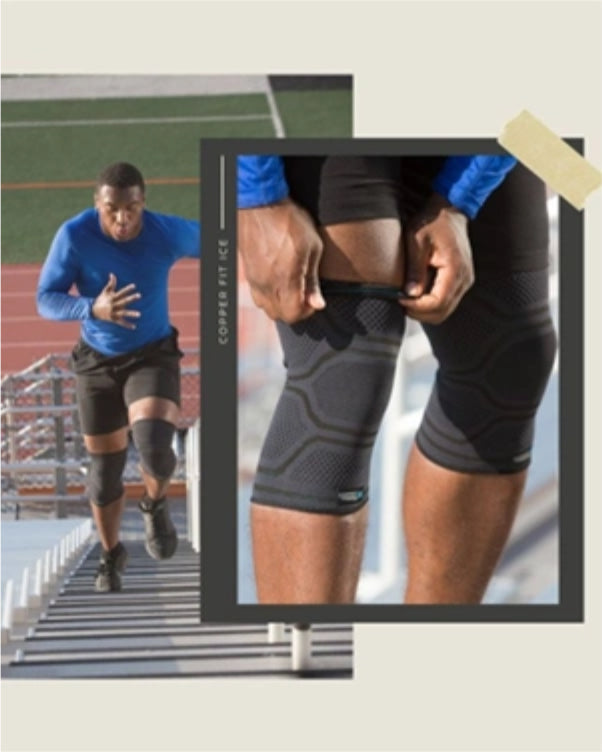
Quad and hamstring work becomes the priority. A Copper Fit compression knee sleeve worn during PT sessions and daily activity provides proprioceptive feedback and joint support as you progressively load the knee.
Months 4 to 6: Functional Training
As jogging, lateral movements, and sport-specific drills are introduced, consistent compression support helps manage soreness and keeps you moving confidently between sessions.
Months 6 to 9: Return to Sport
Don't rush this phase. Wait for functional movement testing results and explicit physician clearance before resuming full activity. Our copper-infused compression sleeves offer breathable, contoured support for every session leading up to that milestone.
Common ACL Recovery Setbacks (and How To Avoid Them)
Even with the best intentions, setbacks happen. Knowing what to watch for puts you ahead of most people going through this process.
Returning to Sport Too Early
This is the most common and costly mistake in ACL recovery. Returning before your knee has fully rebuilt its strength and stability dramatically increases your risk of re-injury. Wait for functional movement screening results and explicit physician clearance before resuming sport-specific activity.
Persistent Swelling
Ongoing swelling past the early phases is a signal that your knee is being overloaded. Consistent cold therapy after activity and daily compression helps manage this. If swelling persists or worsens, check in with your physical therapist before pushing forward.
Quad Weakness
Quad atrophy begins within days of injury and surgery. Skipping quad-focused strengthening exercises because they feel tedious is a shortcut to a longer recovery. Protect the graft by loading it progressively rather than avoiding it altogether.
The Psychological Readiness Gap
Research consistently shows that athletes who are physically ready to return to sport are not always psychologically prepared to do so. A good physical therapist will assess both. Fear of re-injury is real and valid. Work with a provider who tests your mental readiness alongside your physical benchmarks before clearing you to return.
FAQ
How long does ACL tear recovery take?
ACL tear recovery takes 6 to 9 months for a full return to sport following surgery, or 3 to 6 months for partial tears treated without surgery. Individual timelines vary based on the severity of the injury, treatment method, age, and physical therapy consistency.
Can an ACL tear heal without surgery?
Partial ACL tears can sometimes heal without surgery through a structured program of physical therapy, bracing, and activity modification. Complete tears typically require surgical reconstruction for athletes or highly active individuals who want to return to high-demand movement. Your physician and physical therapist are your best resources for making this decision.
When can I start walking after ACL surgery?
Most people can begin weight-bearing with crutches within the first few days following surgery, depending on their surgeon's protocol. Unassisted walking typically begins within 2 to 4 weeks as swelling decreases and quad control improves.
Should I wear a knee sleeve during ACL recovery?
Yes, a compression knee sleeve can be a valuable support tool during the mid and later phases of ACL recovery. It helps support the body's natural circulation, provides light joint stability, and offers proprioceptive feedback as your knee rebuilds strength. Look for a breathable, contoured sleeve you can wear comfortably during PT sessions and throughout the day.
What activities should I avoid during ACL recovery?
During the early phases, avoid pivoting, cutting, jumping, running, and any activity that places rotational stress on the knee. As recovery progresses, your physical therapist will reintroduce movements gradually based on your strength and stability benchmarks. Never return to sport-specific activity without functional testing and physician clearance.
The Bottom Line
ACL recovery is a long road, but it is absolutely manageable when you know what to expect and have the right tools supporting you at each stage. We know what it feels like to be sidelined by soreness and tension, and we know how important it is to feel like you are doing something productive every single day of that recovery window.
That is why we built our compression and thermal recovery gear around the needs of real people in real recovery. Whether you are icing down after your first PT session or lacing up for your first jog back, Copper Fit compression sleeves are designed to help soothe discomfort, support healthy circulation, and keep you moving with confidence.
And with our Happiness Guarantee, there is no risk in finding out what the right support can do for your recovery.
Sources:
Anterior Cruciate Ligament Knee Injury | PMC
Effectiveness of cryotherapy after anterior cruciate ligament reconstruction | PMC
The influence of psychological readiness of athletes when returning to sport after injury | PMC