Key Takeaways
- ACL recovery time varies, but most runners can return to running with a structured, patient approach.
- Recovery depends on knee stability, strength, and control, not just how good the knee feels.
- Understanding the science behind ACL recovery helps runners make smarter decisions and avoid setbacks.
An ACL tear can stop a runner in their tracks both physically and mentally. The good news? While recovery time can vary, many runners successfully return to running after an ACL tear. The key is understanding what recovery really involves and giving your body the time and support it needs.
This guide breaks down ACL tear recovery time specifically for runners, explaining what’s happening inside the knee, why recovery timelines vary, and what the early phases of recovery typically look like.
What Is the ACL?
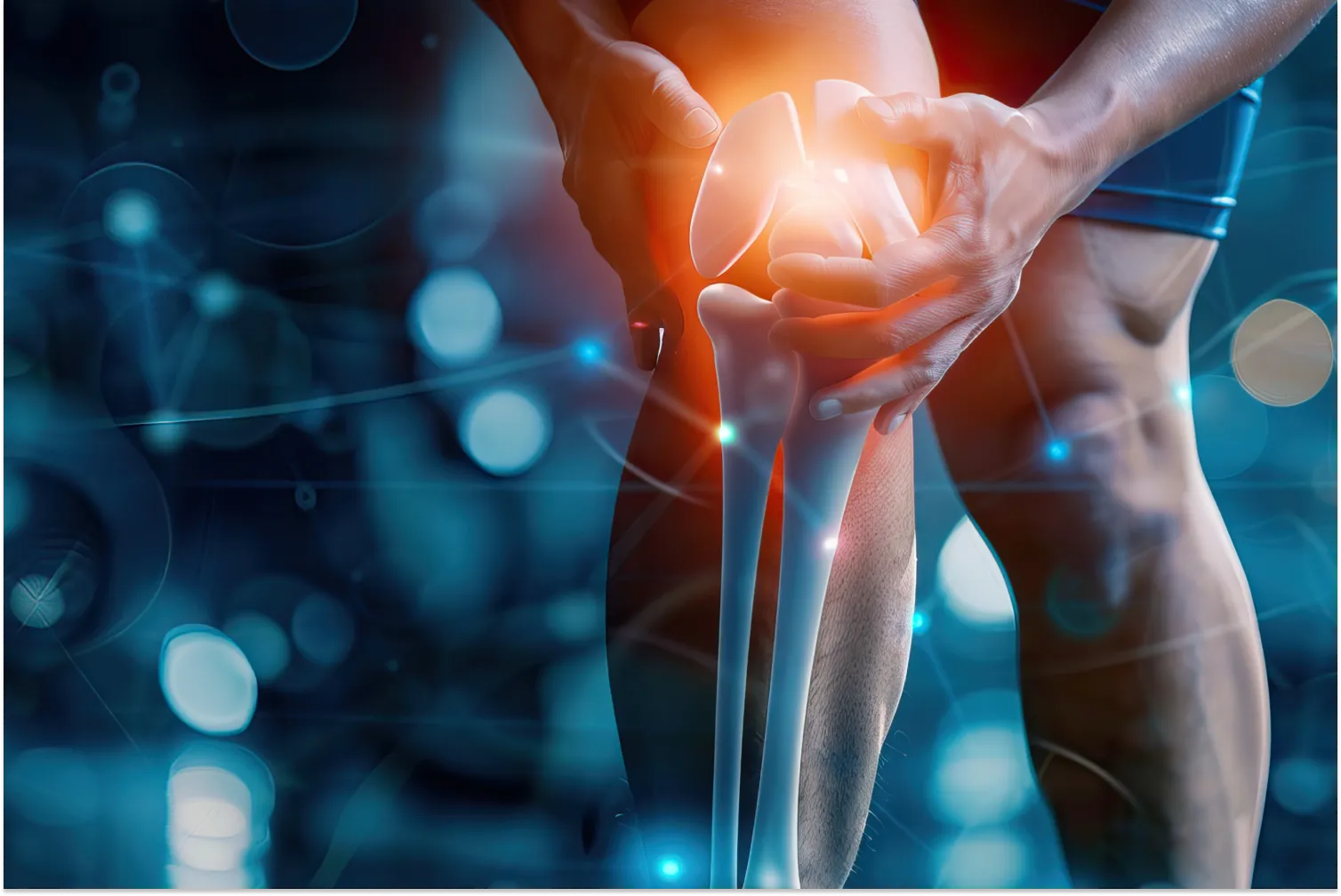
The anterior cruciate ligament, or ACL, is one of the main stabilizing ligaments in the knee. It connects the thigh bone (femur) to the shin bone (tibia) and helps control forward movement and rotation of the lower leg.
For runners, the ACL plays a major role in:
- Knee stability during foot strike
- Controlling deceleration, especially downhill
- Managing quick changes in direction or uneven terrain
Every step you take places force through the knee. When the ACL isn’t functioning properly, the knee can feel unstable or unreliable, especially during higher-impact or fatigue-heavy runs. That’s why proper recovery is about getting back to running, while restoring confidence, control, and long-term knee health.
How ACL Tears Commonly Happen in Runners
ACL tears in runners are often non-contact injuries. That means they don’t usually happen because of a collision, but rather from how the body moves under load.
Common contributors include:
- Awkward landings or missteps on uneven ground
- Sudden stops or pivots during trail running
- Fatigue that reduces muscle control late in a run
- Muscle imbalances between the quadriceps, hamstrings, and glutes
Downhill running can be especially demanding on the knee, as it increases braking forces. Over time, poor mechanics, limited strength, or reduced stability can increase tension around the knee, raising the risk of injury.
ACL Tear Recovery Time: What To Expect
The honest answer to this common question is: it depends.
Average ACL Recovery Timeline
ACL recovery time varies widely based on the severity of the tear, treatment approach, and individual factors. Some runners follow a non-surgical recovery path, while others undergo reconstruction. In general, recovery can take 6–9 moths before returning to full running capacity.
Recovery Isn’t Linear
Progress rarely moves in a straight line. Some weeks feel great, while others can bring increased soreness or stiffness. These ups and downs are normal during recovery. Listening to feedback from your knee and adjusting accordingly helps support steady progress and reduces the risk of setbacks.
Treatment Options To Consider
Not every ACL tear is treated the same way. Some runners recover without surgery, while others benefit from surgical reconstruction. The right approach depends on the severity of the injury, lifestyle and activity goals, and professional guidance.
Non-Surgical Recovery
While surgery is the only way to repair a torn ACL, for lower-grade tears, it is possible to return to activity without surgery.
Non-surgical recovery focuses heavily on targeted rehabilitation, often through the RICE method and physical therapy. Often, the return to running with non-surgical recovery is gradual and done with close monitoring.
Surgical Recovery
ACL reconstruction surgery is the one way to fully repair a torn ACL, and can limit the risk of future knee injury when returning to activities.
While not necessary for everyone, surgery is more common for runners and athletes who want to return to higher-impact training and exercise. This option typically requires a longer rehabilitation timeline, with an emphasis on rebuilding strength, coordination, and confidence over time.
Both paths require patience, consistency, and a strong focus on movement quality. There’s no shortcut to rebuilding knee function safely.
What Are the Phases of ACL Recovery?
Different phases of the recovery process will call for different strategies as you let your body heal and slowly work with it to get back to your runs.
Here’s a basic breakdown of what to expect during the different periods of recovery.
Phase 1: Early Recovery and Stability
The first phase of recovery focuses on restoring basic knee movement and stability. Swelling and discomfort are common early on, and the goal is to help the knee calm down while gently reintroducing motion.
Key priorities include:
- Restoring range of motion
- Activating surrounding muscles
- Supporting healthy blood flow
- Avoiding unnecessary stress on the knee
This phase can be mentally challenging for runners who are used to constant movement. Staying patient here sets the foundation for everything that follows.
Phase 2: Strength and Control
As stability improves, the focus shifts to rebuilding strength in the quadriceps, hamstrings, and glutes. These muscles work together to support the knee during running.
This phase emphasizes:
- Controlled strength exercises
- Balance and coordination work
- Correcting movement patterns
Strong muscles help support the knee’s natural function, reduce excess tension, and promote smoother, more efficient movement as recovery continues.
Phase 3: Functional Movement and Impact Preparation
Once strength and control are re-established, recovery shifts toward preparing the knee for real-world demands. For runners, this phase is critical. Mentioning “strength” alone isn’t enough. The knee needs to handle load, repetition, and coordination together.
This phase often includes:
- Single-leg strength work to support stability
- Improved balance and proprioception (your body’s awareness of joint position)
- Controlled impact preparation, such as low-level hops or step-downs
- Continued focus on hip and core strength to reduce knee strain
At this stage, many runners feel capable again, which can be motivating but also risky if progress moves too fast.
Low-impact cross-training like cycling, swimming, or elliptical work is often used here to maintain cardiovascular fitness while easing stress on the knee. These activities help support healthy blood flow and muscle engagement without overloading the joint.
Phase 4: Return-to-Run Progression
Returning to running doesn’t happen all at once. It’s a gradual process designed to help the knee adapt safely to impact again.
Most runners follow a walk-to-run progression that:
- Starts with short intervals of easy jogging
- Allows rest days between sessions
- Increases volume before intensity
- Closely monitors knee response after each run
The knee may feel good during the run, but respond differently afterward. Mild soreness or stiffness can be part of adaptation, but lingering discomfort or swelling is a sign to slow down.
Speed work, hills, and uneven terrain usually come much later. Building a strong base first helps support long-term performance and confidence.
How Long Until You Can Run Again After an ACL Tear?
We wish we could give you a quick, simple answer here, but the truth is that there’s no universal timeline that applies to every runner.
Some runners return to light jogging months into recovery, while others take longer to ensure knee stability and strength are fully restored. The deciding factor isn’t time alone—it’s readiness. Listen to your body to gauge what you’re up for.
Signs your body may be ready to progress include:
- Consistent strength between both legs
- Good control during single-leg movements
- Minimal swelling after activity
- Confidence in knee stability
Returning too early increases the risk of reinjury and prolonged recovery. Taking the time to build a strong foundation helps keep you running longer in the future.
While taking it slow during the recovery process can feel frustrating, remember that an ACL tear doesn’t have to define your running future. Many runners return feeling more resilient, more aware of their movement, and better equipped to support their bodies.
Mental Recovery: The Overlooked Part of ACL Rehab
Physical recovery gets most of the attention, but mental recovery plays a huge role in returning to running confidently.
Many runners experience:
- Fear of reinjury
- Hesitation during impact
- Loss of trust in the knee
These feelings are normal. Confidence often returns gradually as strength and control improve. Setting realistic milestones, celebrating progress, and focusing on what your body can do helps rebuild trust over time.
FAQ
How long does ACL tear recovery take for runners?
ACL recovery time varies, but many runners spend several months rebuilding strength, stability, and control before returning to consistent running. Progress depends on individual factors and recovery approach.
Can you run with a torn ACL?
Some runners can run with an ACL tear, but knee stability and control are key considerations. Running without proper support or strength can increase discomfort and the risk of further injury.
When can I start running after ACL surgery?
Return-to-run timelines after surgery depend on strength, movement quality, and professional guidance. Most runners begin with a gradual progression once the knee shows it can handle impact safely.
The Bottom Line
We know there are few things more frustrating than being sidelined when all you want to do is move. But giving your body the time it needs to heal from an ACL tear and staying consistent with gentle exercises to rebuild strength and stability is what will allow you to make a full return to running, with more confidence and determination than ever.
With patience, consistency, and the right recovery mindset, runners can return to the activities they love, feeling capable, supported, and ready for what’s next. At Copper Fit, we’re here with compression gear and recovery tips to help you feel and perform your best as you recover and return to the activity you love.
Sources:
Anatomy, Bony Pelvis and Lower Limb, Knee | NCBI Bookshelf
ACL Tear & Injury: Symptoms & Recovery | Cleveland Clinic
Downhill Running: What Are The Effects and How Can We Adapt? A Narrative Review | PMC
RICE (rest, ice, compression, and elevation) | University of Kentucky Healthcare
ACL Tear: Symptoms and Treatments for a Torn ACL | HHS