Ready to get fit in 2026? The new year brings refreshing new goals - but it’s hard knowing where to start. One of the biggest fitness trends right now is personalized fitness. Here’s why it makes sense: generic workouts and diet plans don’t account for your body, needs, lifestyle, and goals. Tailored programs created just for you, powered by today’s technology, are becoming the way to get the results you want. Let’s break it down and get you started.
What is Personalized Fitness?
Personalized fitness is realistic, not rigid. It’s about building a plan that fits your real life - your schedule, preferences, energy levels, and goals - so you can stay consistent without burning out. Thanks to fitness apps and smartwatches, it’s easier than ever. It can include things like:
-
workouts
-
recovery
-
nutrition
-
lifestyle habits
How to Create a Personalized Fitness Plan
Step 1: Set up Your Fitness Goals
Fitness goals used to be one-size-fits-all: “Thin thighs in 30 days” or “Lose two pounds in a month.” But now, people are actually seeking goals that align with their personal needs. Maybe your goal is to walk up the big hill by your house without huffing and puffing - or on the other end of the spectrum, to run a marathon in 6 months. The key is to get clear on what you are trying to achieve. The more specific you get, the more likely you are to stay consistent and stick to your plan.
Consider these key questions:
-
Are you beginner or advanced?
-
How much time do you realistically have? Are you willing to get up earlier or find more time in your schedule?
-
Do you like the gym or prefer being outside?
-
What workouts have you enjoyed in the past?
-
Do you need to travel often?
Step 2: Establish Your Fitness Baseline
To determine where you want to go, you need to document where you are beginning.
BMI (Body Mass Index): This is a quick, low-cost screening tool that estimates body fat and assesses health risks, based on your weight and height. It’s a starting point for health, not the whole picture. The higher your BMI, the higher your risk for certain diseases such as heart disease, high blood pressure, type 2 diabetes, and more. Still, it isn't a perfect measure for individuals because it doesn't account for muscle mass, bone density, or fat distribution. However, if you are creating goals based on fat loss, it’s a good place to start. Calculate your BMI here, check your results, and set a goal to reach the healthy BMI range of 18.5-24.9.
Determine your starting fitness level without overdoing it with some basic tests:
-
Walking test: How fast/far can you walk in 10 minutes?
-
Strength: Track push-ups (modified ok), wall sits, plank hold time.
-
Mobility: Can you touch your toes? What is your shoulder mobility?
-
Stairs test: How winded do you get climbing 2–3 flights?
Other baseline ideas can include:
-
Waist and hip measurements or progress photos.
-
Recording your resting heart rate or blood pressure.
-
Visiting the doctor for more precise results, including blood sugar or cholesterol panels - the most accurate way to gauge overall health and fitness goals.
Step 3: Turn Your Goal into a 6-8 Week Target
Instead of trying to do everything at once, pick one clear goal over a period of 6-8 weeks with a supporting habit that will get it done:
-
If your goal is to strengthen and tone, your supporting goal is to strength train 3 times a week.
-
If your goal is to lose fat and increase energy, your supporting goal is to walk 8,000 steps 4-5 days a week.
If you are looking for guidance on how to match your goals to your workout, consider this general idea:
-
Weight Loss/Body Composition: Combine cardio (HIIT, running) with strength training.
-
Build Muscle/Strength: Resistance training, especially compound lifts (squats, deadlifts, presses).
-
Endurance: Cardio like running, cycling, or rowing.
-
General Wellness: Walking, yoga, or Pilates with other activities.
Step 4: Build a Weekly Workout Schedule that Fits Your Life
The key here is to create a realistic schedule that won’t burn you out:
-
Beginner: 2–3 workouts/week
-
Intermediate: 3–5 workouts/week
Mix it up! If your goal is to lose fat and build strength, consider something that won’t overwhelm you but can still produce results. Like:
-
2 strength days
-
2 cardio days (walking counts!)
-
1 mobility/reset day
-
2 days of rest
Step 5: Plan Your Weekly Workouts (Sample Beginner Week)
It may look like this for someone trying to lose weight and tone up:
Monday: 6 am before work, 35-minute full-body workout at home with bodyweight: squats, glute bridge, incline push-ups, lunges, and sit-ups.
Tip: Use apps like Caliber, which offer structured free plans and workout tracking.
Tuesday: Hit the goal of 8,000 steps by the end of the day; at 5 pm, walk for 35 minutes.
Tip: No smartwatch? Download a health app on your smartphone to track your steps.
Wednesday: Lunchtime workout: 30 minutes of strength, and a light 10-minute cardio walk at the end.
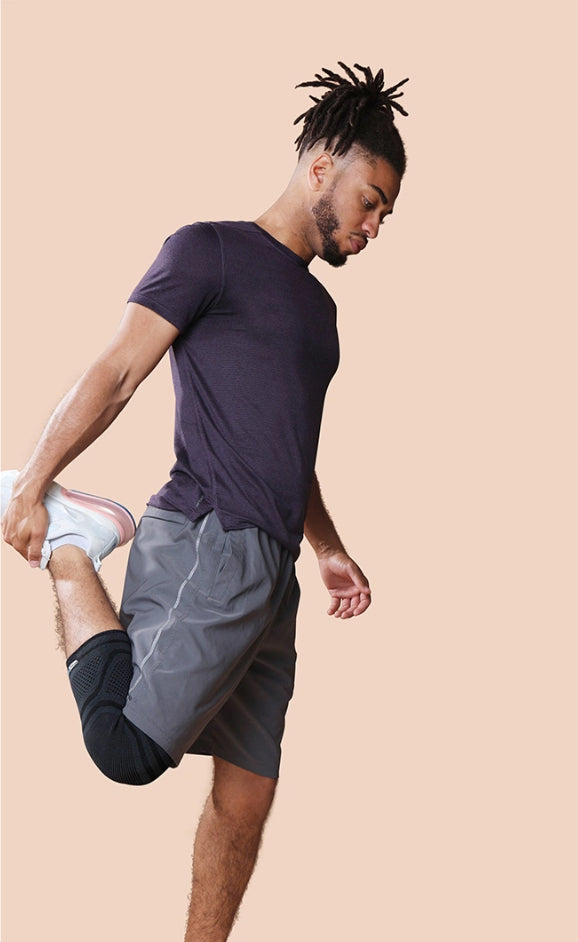
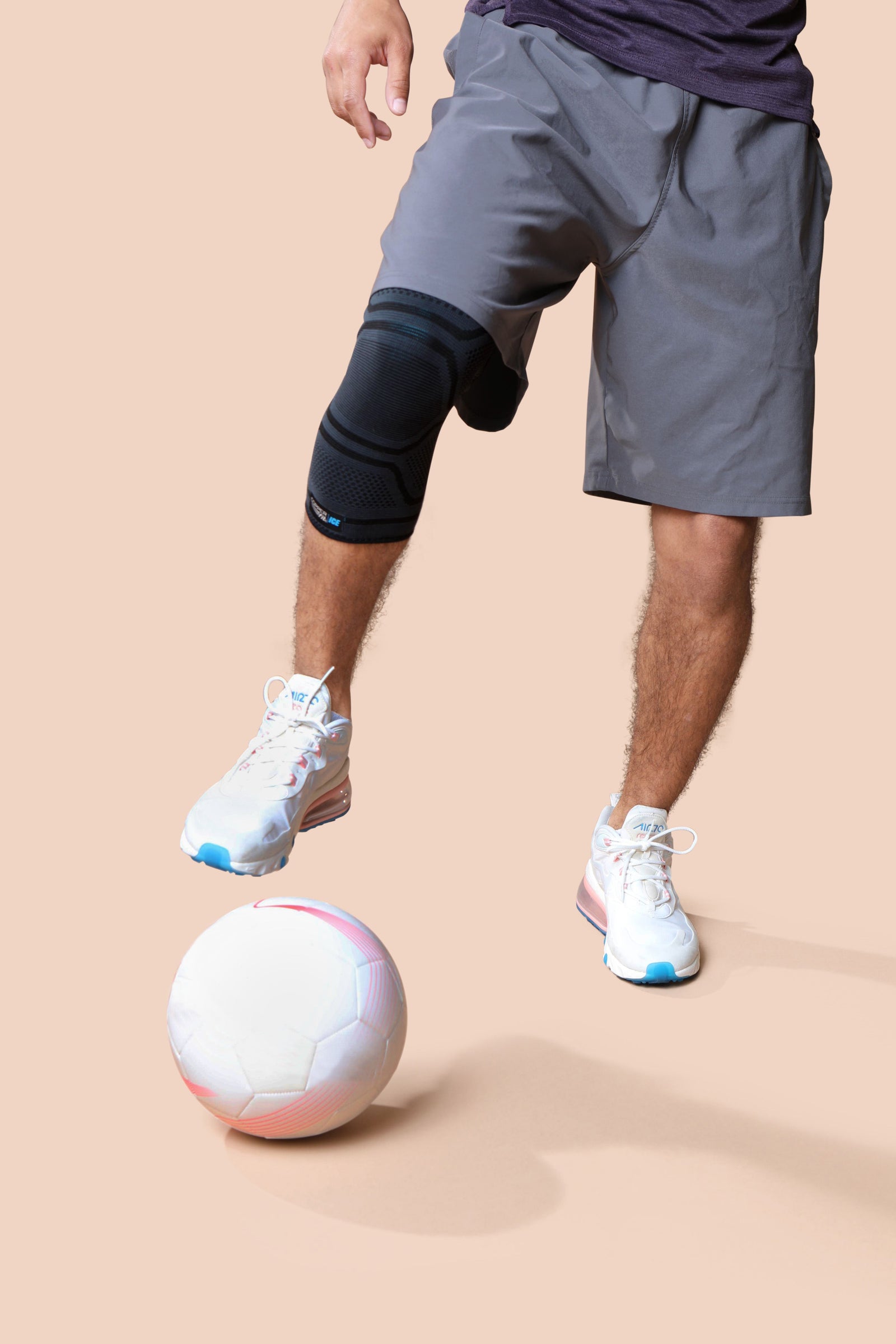
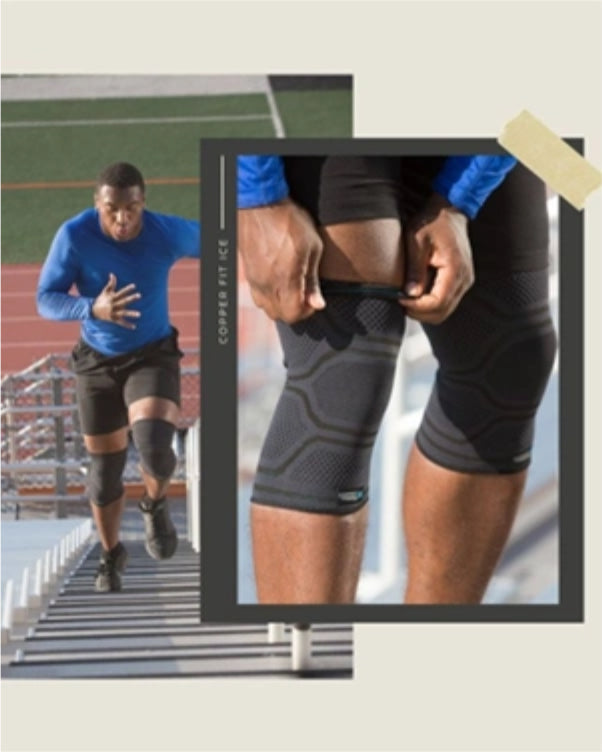
Thursday: Evening walk for 35-40 minutes. If joint discomfort is one of your barriers, the right support gear can help you stay consistent. A Copper Fit compression support brace can keep you on track. Mobilizer Knee is built with breathable, comfort-compression fabric and powered by LumaCore. The compression sleeve increases circulation and reduces swelling, helping you recover faster and feel relief.
Friday: 6 am, 35 minutes of full body strength, using your workout app to repeat the same workout, but upping the reps as you get stronger.
Common Fitness Mistakes to Avoid
It’s easy to get off track with fitness goals and slide into what feels comfortable. Avoid this by not doing too much, too soon. And don’t get caught up in other people’s workouts; stick to slow and steady. Also, it’s imperative to fuel your body right with ample protein, lots of water, and plenty of fruits and vegetables. And sleep is often overlooked as a key component that helps your body rest and recover so that you can feel energized at every workout.
How Copper Fit Fits Into Your Personalized Fitness Journey
Remember, the main goal is consistency over perfection. If you miss a workout - just start again! Personalized fitness means finding the best plan that fits your lifestyle, your body, and your goals. And with Copper Fit in your corner, you’ll have the support you need to stay comfortable, confident, and injury-free as you build strength and momentum. Keep moving forward, and 2026 will be your healthiest, strongest year yet!